Can You See Lions on Night Hunts in Serengeti Safari Tours?
April 14, 2026
Elgon Heights Motel & SPA
April 14, 2026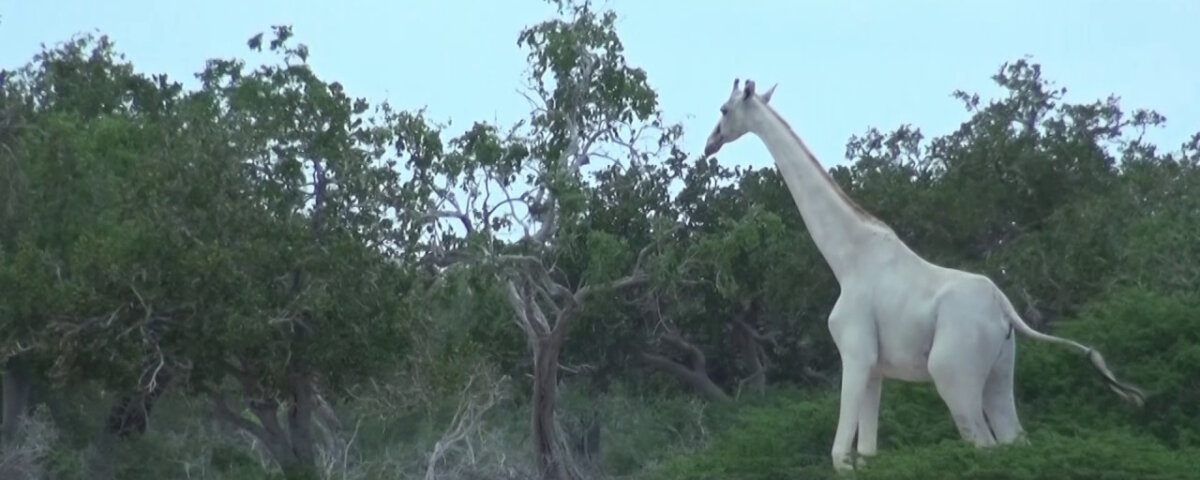
Rare Albino Wildlife in Tanzania – The Growing Wonder in the Wild
Rare albino wildlife in Tanzania continues to capture the imagination of travelers, wildlife lovers, conservationists, and photographers across the world. From pale giraffes moving across golden plains to white buffalo standing out against green savannah grass, these rare sightings create unforgettable safari moments. More importantly, they reveal the extraordinary diversity found within Tanzania’s rich ecosystems. As travelers seek deeper and more meaningful safari experiences, understanding albino wildlife in Tanzania adds both wonder and educational value to the journey.
Moreover, Tanzania remains one of Africa’s most remarkable wildlife destinations, home to vast national parks, conservation areas, and protected landscapes. Within these habitats, rare genetic variations occasionally produce animals with albinism or leucism, making them stand apart from the rest of the herd. Because of their unusual appearance, these animals often face unique survival challenges in the wild.
At Giant Holiday Safaris, we believe every safari should inspire knowledge, connection, and appreciation for nature’s rarest gifts. Therefore, this guide explores the fascinating world of albino wildlife in Tanzania, the science behind it, and why protecting these animals matters for the future of African tourism.
Understanding the Enigmatic World of Albino Wildlife in Tanzania
The world of albino wildlife in Tanzania feels both mysterious and beautiful. Albinism is a rare genetic condition that affects melanin production, which is the pigment responsible for color in skin, fur, feathers, and eyes. As a result, animals born with albinism often appear white, cream, or pale pink.
In Tanzania’s wilderness, these rare animals may include giraffes, zebras, antelopes, buffalo, birds, and even reptiles. Their unique appearance often makes them a major highlight during safari experiences. However, beyond their beauty lies an important scientific story.
Furthermore, albino animals often face greater challenges than other wildlife. Their lighter skin may offer less protection from the harsh African sun, while their visibility can make them easier targets for predators. This means that survival in the wild becomes much harder.
Even so, spotting albino wildlife in Tanzania remains one of the most memorable safari experiences. For travelers, it transforms a normal game drive into a rare and emotionally powerful wildlife encounter.
Because of this, Tanzania’s national parks continue to attract visitors hoping to witness nature’s rarest wonders in their natural habitat.
What Is Albinism in Wild Animals?
Albinism in wildlife is a genetic condition that reduces or completely stops the production of melanin. Since melanin controls body coloration, affected animals appear much lighter than usual.
Here are some key points about albino wildlife in Tanzania:
- Genetic condition: Albinism occurs when both parents pass on the recessive gene.
- Lack of pigment: Fur, skin, feathers, scales, and eyes may appear white or pale.
- Vision challenges: Many albino animals struggle with poor eyesight.
- Sun sensitivity: Light skin increases exposure to sunlight.
- Predator risk: Their bright appearance makes camouflage difficult.
In addition, it is important to distinguish true albinism from leucism. While albino animals completely lack melanin, leucistic animals retain some pigment, especially in the eyes.
During a Tanzania safari, guides may help visitors understand whether the animal is truly albino or simply displaying partial pigmentation loss.
This educational aspect strengthens the safari experience. Instead of simply taking photos, travelers gain valuable insights into wildlife genetics and conservation.
Therefore, learning about albino wildlife in Tanzania enriches the safari and builds trust in your brand as an expert source of African tourism knowledge.
The Diversity of Albino Wildlife in Tanzania
Tanzania offers one of the most diverse safari landscapes in Africa, and this diversity extends to rare genetic wildlife variations. Across the Serengeti, Tarangire, Lake Manyara, and Ngorongoro ecosystems, reports of albino wildlife in Tanzania continue to fascinate both locals and visitors.
One of the most famous examples includes pale giraffes that have occasionally been spotted in East Africa. Their cream-white coats create a dramatic contrast against acacia woodlands and open plains. Likewise, rare white buffalo and antelope sightings have also been documented.
Birdlife adds another layer of diversity. Albino flamingos, herons, and other water birds can sometimes appear around lakes and wetlands. These rare birds often become favorite subjects for photographers and birdwatchers.
Additionally, reptiles and smaller mammals may also display albinism, although sightings remain extremely rare.
Because Tanzania supports such rich biodiversity, the chances of seeing unique wildlife traits are higher than in many other destinations. This makes albino wildlife in Tanzania a powerful storytelling element for safari marketing.
For tourism brands, highlighting these rare sightings positions your company as both knowledgeable and deeply connected to authentic safari experiences.
Conservation Challenges & Strategies to Protect Albino Wildlife in Tanzania
Protecting albino wildlife in Tanzania requires focused conservation efforts. Due to their unusual coloring, these animals often face more threats than other species.
First, their visibility makes them vulnerable to predators. In grasslands and forests, camouflage is essential for survival. Unfortunately, white or pale coats make hiding difficult.
Second, climate exposure creates additional challenges. Strong sunlight may damage sensitive skin and eyes, increasing health risks.
Moreover, rare animals sometimes attract unwanted human attention. Tourists may unintentionally disturb them, while illegal wildlife activities may also pose risks.
Therefore, conservation authorities in Tanzania continue to strengthen wildlife protection through:
- anti-poaching patrols
- protected habitats
- responsible tourism guidelines
- research and monitoring programs
- community awareness campaigns
At Giant Holiday Safaris, we support ethical safari practices that prioritize wildlife welfare over close-range disturbance.
Sustainable tourism plays a key role here. When travelers choose responsible safari operators, tourism directly contributes to conservation funding and habitat protection.
As a result, future generations can continue to witness albino wildlife in Tanzania in the wild.
Celebrating the Beauty and Uniqueness of Albino Wildlife in Tanzania
The beauty of albino wildlife in Tanzania goes far beyond appearance. These rare animals remind us that nature constantly surprises us with extraordinary forms of life.
For safari travelers, seeing one of these animals creates a powerful emotional memory. It turns an already incredible journey into a once in a lifetime experience.
Furthermore, these sightings inspire curiosity, respect, and deeper appreciation for biodiversity. They also strengthen Tanzania’s reputation as one of the world’s most unique safari destinations.
By celebrating these rare animals responsibly, tourism brands can build stronger authority and trust with global audiences.
At Giant Holiday Safaris, we create meaningful safari experiences that combine wonder, education, and conservation values.
Rare wildlife moments are not just about photography—they are about connection.
And few experiences connect travelers to nature more deeply than witnessing albino wildlife in Tanzania.
Are You Ready to Start Planning?
Your next Tanzania safari could become the moment you witness one of nature’s rarest wonders.
Let Giant Holiday Safaris help you plan an unforgettable journey through Tanzania’s most iconic wildlife destinations.
Whether you seek the Big Five, the Great Migration, or rare albino wildlife in Tanzania, we create experiences built around expertise, authenticity, and conservation.
The wild is waiting.
Combined Uganda, Kenya, Rwanda and Tanzania Safaris
17 days Kenya Tanzania and Uganda safari
19 Days Uganda Kenya and Tanzania Safari
16 Days Kenya Tanzania and Uganda Safari
14 Days Kenya Uganda and Tanzania Safari
14 Days Kenya Uganda and Rwanda Safari