What Animals Can You See in Lake Nakuru National Park?
July 10, 2026
How Much Does an Amboseli Safari Cost?
July 10, 2026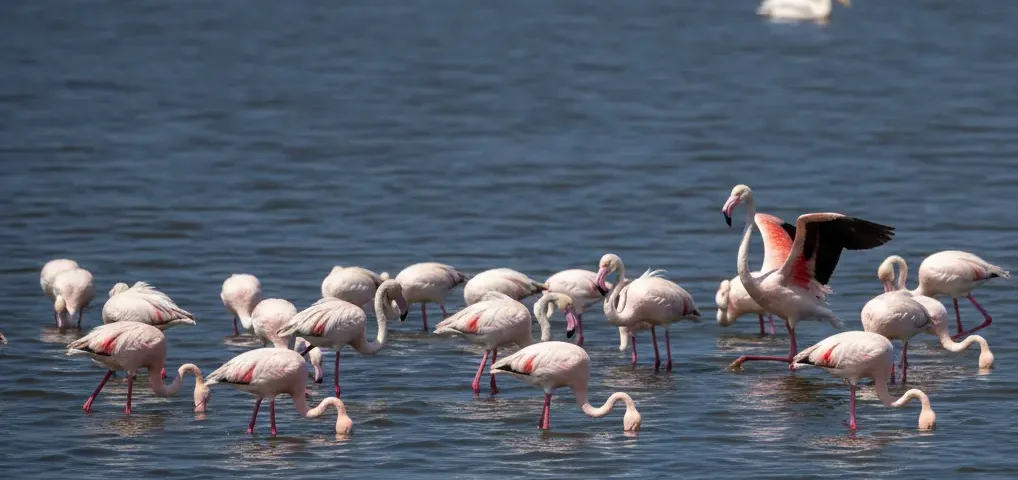
Are Flamingos Still Found at Lake Nakuru?
Travelers who grew up admiring photos of a lake shore painted completely pink often ask an important question: are flamingos still found at Lake Nakuru? The answer is yes, though the full story has changed in recent years. Lake Nakuru National Park continues to welcome both lesser and greater flamingos, and on a good day you can watch clusters of these pink birds wade and feed along the shoreline.
The famous “pink blanket” that once covered the entire lake with over a million birds is now far less common. Rising water levels, changing lake chemistry, and shifting food supplies have made the flamingos more nomadic. Their movements depend on conditions across the Rift Valley lakes, so they sometimes gather in huge numbers and other times disperse widely.
This honest and up to date guide explains what has happened, why the flamingos come and go, when you have the best chance of seeing them, and why Lake Nakuru remains a world class destination whether or not the birds appear in massive flocks during your visit.
Yes, Flamingos Still Live at Lake Nakuru
Let us start with the good news. Flamingos have not disappeared from Lake Nakuru. Both the lesser flamingo, which is smaller and deep pink, and the greater flamingo, which is taller and paler, still visit the lake regularly. On many days, visitors watch clusters of several thousand to tens of thousands of birds feeding in the shallows and along the mudflats. These smaller flocks often feel more active and photogenic than a distant pink haze, because the birds walk, feed, and take flight right in front of your camera.
Nevertheless, we must stay honest about the change. The record-breaking flocks of the past, when more than a million lesser flamingos lined the shore, appear far less often now. Today, flamingo numbers at Nakuru rise and fall dramatically from month to month. Some weeks bring impressive gatherings, while other weeks bring only scattered groups. Therefore, travelers should arrive with realistic hopes and a flexible plan. The flamingos still call Lake Nakuru home, just not in the same overwhelming numbers as before.
Why the Great Pink Flocks Have Changed
To understand the flamingos, you must first understand the lake. Lake Nakuru is a shallow soda lake, which means its water carries high levels of salt and alkaline minerals. In healthy conditions, this special chemistry grows huge amounts of blue green algae called spirulina. Lesser flamingos depend almost entirely on this algae for food, and their pink color comes directly from pigments inside it. When the algae thrives, the flamingos arrive in enormous numbers. When the algae fails, the birds leave.
Over the past two decades, the lake has grown dramatically. Since around 2009, the surface area of Lake Nakuru has expanded by more than ninety percent, roughly doubling in size. Heavy rains, deforestation in nearby water catchments, and changing land use all funneled extra water into the basin. As the lake grew, all that fresh water diluted the salty chemistry. Consequently, the algae the flamingos need dropped sharply, and studies show the birds can now harvest only about half the food they once found here. Less food means fewer flamingos, so the great flocks moved on in search of richer waters.
Where the Flamingos Go Instead
Flamingos are not permanent residents of any single lake. Instead, scientists describe them as a mobile, regional population that treats the Rift Valley soda lakes as one connected network. When conditions at Nakuru turn unfavorable, the birds simply fly to a better lake, sometimes within a matter of days. This behavior has kept the species alive for thousands of years, and it explains why flamingo numbers at Nakuru swing so widely.
Today, several nearby lakes often hold the birds that once packed Nakuru. Lake Bogoria, fed by hot springs, frequently becomes the main feeding refuge because its chemistry stays more stable and productive. Lake Elementaita, part of the same interconnected system, also welcomes flocks when conditions align. Meanwhile, Lake Natron in northern Tanzania serves as the critical breeding site, hosting the majority of East Africa’s lesser flamingos when they nest. As a result, many safari experts now recommend a wider Rift Valley circuit for guaranteed flamingo viewing. If the birds are scarce at Nakuru during your visit, a short trip to Bogoria often delivers the spectacular pink crowds you dreamed of seeing.
The Best Time to See Flamingos at Lake Nakuru
Timing improves your chances, even though nothing can fully guarantee flamingos on a given day. The birds concentrate when water levels drop and the algae grows thick, so the drier months often work best. Historically, the window from November through April brought favorable feeding conditions and larger gatherings. More recently, short dry spells early in the year have proven productive as well, especially around the southern mudflats where shallow water concentrates the food.
In addition, the hour of the day matters as much as the season. Early morning offers the finest flamingo viewing, roughly between 6:30 and 8:30, before the strong Rift Valley winds ripple the lake surface. During these golden hours, the water stays calm, the light glows warm, and the pink reflections look their best. Therefore, plan to reach the shoreline soon after the park gate opens. Above all, check recent flamingo reports before you travel, because the birds move quickly. A quick message to your lodge or safari operator will tell you whether the flocks are currently at Nakuru or have shifted to a neighboring lake.
Two Flamingo Species, Two Different Stories
Not all flamingos react the same way to the changing lake, and this detail surprises many visitors. Lesser flamingos and greater flamingos live very different lives, even when they share the same shoreline. The lesser flamingo, which creates the famous dense pink masses, feeds almost exclusively on one type of blue green algae. Because it depends on a single food source, it suffers most when the lake dilutes and the algae fails. As a result, lesser flamingo numbers at Nakuru have fallen sharply from their historic peaks.
The greater flamingo, on the other hand, enjoys a much more flexible diet. It feeds on small shrimp, insects, tiny fish, and various invertebrates as well as algae. Thanks to this varied menu, greater flamingos handle the changing conditions far better, and their numbers have stayed relatively stable. Consequently, even during periods when lesser flamingos grow scarce, you can still often spot the taller, paler greater flamingos striding gracefully through the shallows. Knowing the difference helps you appreciate exactly which birds you are watching and why they behave as they do.
Beyond Flamingos: Nakuru Still Amazes
Here is the most reassuring part of the story. Even on days when flamingos gather in small numbers, Lake Nakuru remains one of Kenya’s most rewarding safari parks. The park protects healthy populations of both black and white rhinos, and it ranks among the best places in Africa to see these endangered giants up close. Lions rest in the acacia trees, leopards slip through the woodlands, and the rare Rothschild’s giraffe browses among the fever trees in its distinctive white socks.
Furthermore, the lake still supports more than 450 bird species beyond the flamingos. Great white pelicans crowd the water in graceful flocks, African fish eagles call from the treetops, and cormorants, herons, and kingfishers work the shoreline. Buffalo, zebras, waterbuck, and baboons fill the plains, and dramatic viewpoints like Baboon Cliff offer sweeping Rift Valley panoramas. Therefore, no traveler should skip Nakuru simply because flamingo numbers have changed. The park delivers a complete, world class safari that satisfies photographers, families, and first time visitors alike, with or without the pink crowds.
A Living Warning Sign for Conservation
The changing flamingo story carries a deeper meaning that thoughtful travelers should understand. Flamingos act like a living thermometer for the health of the entire lake ecosystem. When the birds thrive, the water chemistry, algae, and food web all sit in balance. When the birds vanish, something in that delicate balance has shifted. For scientists and park managers, the flamingos provide an early warning about problems such as pollution, rising water, and damage to the surrounding water catchments.
Several human pressures now threaten the lake system. Deforestation in nearby forests reduces the clean water flowing into the basin, while urban growth, farm runoff, and industrial waste pollute the water and disturb the algae. In response, organizations including Kenya Wildlife Service, UNESCO, and local county partners run regular flamingo counts and conservation projects to protect the lakes. When you visit Lake Nakuru responsibly, your park fees help fund this vital work. Therefore, your trip does more than fill your camera. It supports the research and protection that give the flamingos a real chance to return in greater numbers tomorrow.
Here is the rewritten version of your section, keeping the original heading and paragraph structure while introducing Giant Holiday Safaris as your expert tour operator.
How to Plan a Flamingo Friendly Safari
Smart planning helps you make the most of the current reality. First, treat flamingo viewing as a Rift Valley experience rather than a single lake stop. As an expert tour operator, Giant Holiday Safaris can build an itinerary that combines Lake Nakuru with Lake Bogoria or Lake Elementaita, ensuring you enjoy the best chance of seeing large flocks somewhere along the way. This flexible approach almost guarantees a memorable flamingo encounter, whatever the birds are doing at Nakuru on that particular week.
Second, book at least one full morning at each lake, and start early to catch the calm water and soft light. Third, pack binoculars and a zoom lens, because the flocks sometimes feed at a distance across the shallows. Fourth, let Giant Holiday Safaris provide a knowledgeable local guide who tracks the birds’ movements and knows exactly where they gathered in recent days. Finally, keep your expectations flexible and your sense of wonder open. Flamingos follow ancient rhythms that no schedule can control. When you accept their wild, wandering nature, every sighting with Giant Holiday Safaris feels like a genuine gift rather than a guaranteed show.
Final Thoughts
So, are flamingos still found at Lake Nakuru? Yes, they are, and both lesser and greater flamingos continue to grace this famous Rift Valley soda lake. However, the honest picture has changed. Rising water levels have diluted the lake, reduced the algae the birds depend on, and turned the once endless pink blanket into smaller, wandering flocks that move freely between Nakuru, Bogoria, Elementaita, and Natron. On the right morning, in the right season, Lake Nakuru still rewards visitors with beautiful clusters of flamingos glowing in the golden light. Even when the birds are few, the park amazes with rhinos, lions, leopards, rare giraffes, and hundreds of other bird species.
By letting a dedicated tour operator design a flexible Rift Valley circuit, you give yourself the best chance to witness these remarkable birds while supporting the conservation that keeps them alive. Giant Holiday Safaris stands ready to craft an itinerary that perfectly times your visit to maximize wildlife and bird sightings. Flamingos are still found at Lake Nakuru, and this living, changing wonder is well worth seeing for yourself with our expert team leading the way.