What are the Best Safari Destinations for Wildlife Enthusiasts?
July 10, 2026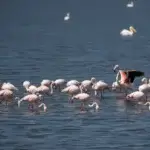
Are Flamingos Still Found at Lake Nakuru?
July 10, 2026
What Animals Can You See in Lake Nakuru National Park?
Every traveler dreaming of a Kenyan safari eventually asks this exciting question: what animals can you see in Lake Nakuru National Park? The answer will delight wildlife lovers of every kind. This compact park in the Great Rift Valley packs an astonishing variety of animals into just 188 square kilometers. Within a single day, visitors can watch endangered black and white rhinos graze on open grasslands, spot lions resting in tree branches, follow rare Rothschild’s giraffes through golden acacia forests, and marvel at thousands of flamingos painting the lake shore pink. Furthermore, leopards, buffalo, hippos, hyenas, monkeys, and more than 450 bird species call this park home. Because the park surrounds a beautiful soda lake and stays fully fenced, wildlife concentrates in a small area, and sightings come quickly and often. In this detailed guide, we walk you through every major animal you can expect to see in Lake Nakuru National Park, along with the best spots and tips for finding them.
The Famous Flamingos of Lake Nakuru
Any discussion of Lake Nakuru wildlife must begin with its most iconic residents: the flamingos. For decades, this alkaline soda lake attracted one of the greatest bird gatherings on Earth. At peak times, more than a million lesser and greater flamingos lined the shores and turned the entire lake edge into a living ribbon of pink. Photographs of that spectacle made Lake Nakuru famous around the world.
The lesser flamingo, which is the smaller and pinker of the two species, feeds on blue green algae that grows in the alkaline water. The greater flamingo stands taller and displays paler feathers with striking pink wing patches. Today, flamingo numbers change with water levels, and the flocks move between Rift Valley lakes such as Nakuru, Bogoria, and Elmenteita. Nevertheless, visitors still enjoy wonderful flamingo sightings on most trips. For the best views, head to the lake shore in the early morning, and climb Baboon Cliff for a sweeping panorama of the pink flocks below.
Black and White Rhinos: The Park’s Greatest Treasure
Above all else, Lake Nakuru now stands as one of Kenya’s most important rhino sanctuaries. The government fenced the entire park to protect these endangered giants, and the plan succeeded brilliantly. Today, the park shelters strong populations of both black rhinos and southern white rhinos, and visitors here enjoy some of the most reliable rhino viewing anywhere in Africa.
White rhinos graze calmly on the short grass plains near the lake shore. They live in small groups, and they often continue feeding as safari vehicles watch from a respectful distance. Their wide, square lips work like lawnmowers across the grass. Black rhinos behave very differently. They browse on bushes and shrubs with their pointed, hooked lips, and they prefer thicker vegetation. Consequently, spotting a black rhino demands more patience and sharper eyes. Watching a rhino mother guide her calf across the plains creates a memory that stays with travelers forever. Every park fee you pay directly supports the rangers who keep these magnificent animals safe.
Tree Climbing Lions and Stealthy Leopards
Big cats bring drama to every safari, and Lake Nakuru delivers them in style. The park supports a healthy lion population with a famous local habit. On warm afternoons, Nakuru’s lions often climb into large acacia and euphorbia trees, where they sprawl across the branches to rest and catch the breeze. Very few places in Africa offer regular sightings of tree climbing lions, so keep your eyes on the big trees during every game drive. A tawny shape draped over a branch might reward your attention.
Meanwhile, Lake Nakuru holds one of the best leopard viewing reputations in Kenya. Leopards normally rank as the most difficult big cat to find, yet the park’s mix of dense woodland and open grassland improves your odds greatly. Guides often locate leopards resting in yellow barked acacia trees or moving quietly along the forest edge in the early morning. In addition, spotted hyenas patrol the grasslands at dawn and dusk, and black backed jackals trot boldly along the park roads.
The Rare Rothschild’s Giraffe
Lake Nakuru plays a starring role in one of Africa’s great conservation rescues. The Rothschild’s giraffe, one of the rarest giraffe subspecies on Earth, once slid toward extinction as its habitat disappeared. Conservationists moved a small founding group into the safety of Lake Nakuru National Park, and the population grew steadily. Today, visitors watch these elegant animals browse among the acacia trees throughout the park.
You can identify a Rothschild’s giraffe easily once you know the trick. Look at the legs. Unlike other giraffes, the Rothschild’s giraffe shows clean, creamy white lower legs with no spots, almost as if it wears long white socks. The patches on its body also appear deeper orange brown with sharp, clean edges. Furthermore, these giraffes often feed close to the park roads, which allows wonderful photographs against the Rift Valley scenery. Every sighting supports a bigger story, because the Nakuru herd helps secure the future of the entire subspecies. Few parks let you witness conservation success so directly.
Buffalo, Zebras, and the Great Grazers
The open grasslands of Lake Nakuru stay busy from sunrise to sunset with large herds of grazing animals. Cape buffalo gather in impressive numbers across the park, and old solitary bulls wallow in muddy patches near the lake. These powerful animals demand respect, and watching a big herd move together across the plains feels like watching a dark, living tide.
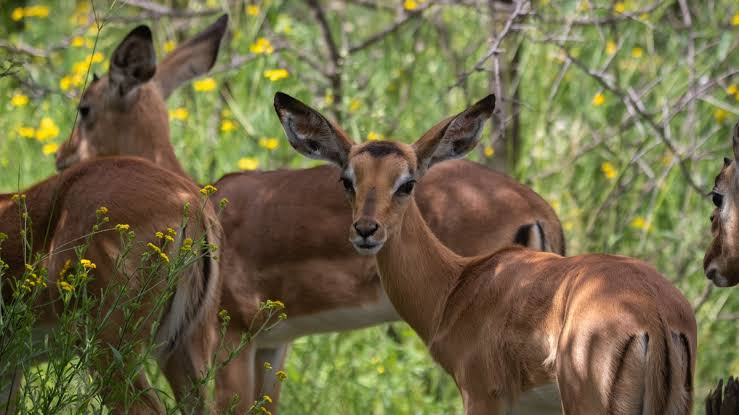
Plains zebras add their bold stripes to almost every view in the park. They graze alongside Defassa waterbuck, which you can recognize by their shaggy coats and the white ring on their rumps. Impalas leap gracefully through the woodlands, and Thomson’s gazelles flick their tails constantly on the short grass. Grant’s gazelles, elands, and warthogs complete the picture. Warthogs especially entertain visitors when they trot away with their thin tails pointing straight up like antennas. Because the park remains compact and fenced, these herds stay visible year round, and every game drive delivers constant animal activity in all directions.
Hippos, Baboons, and Other Fascinating Residents
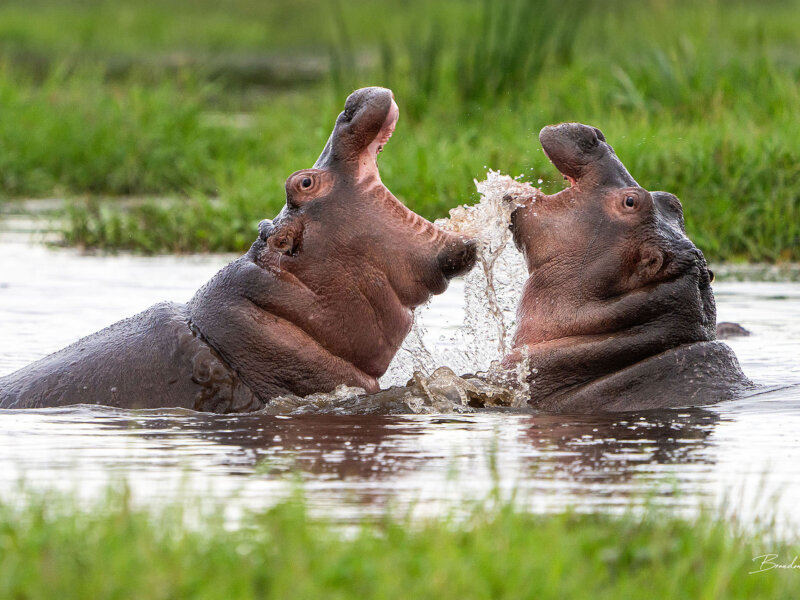
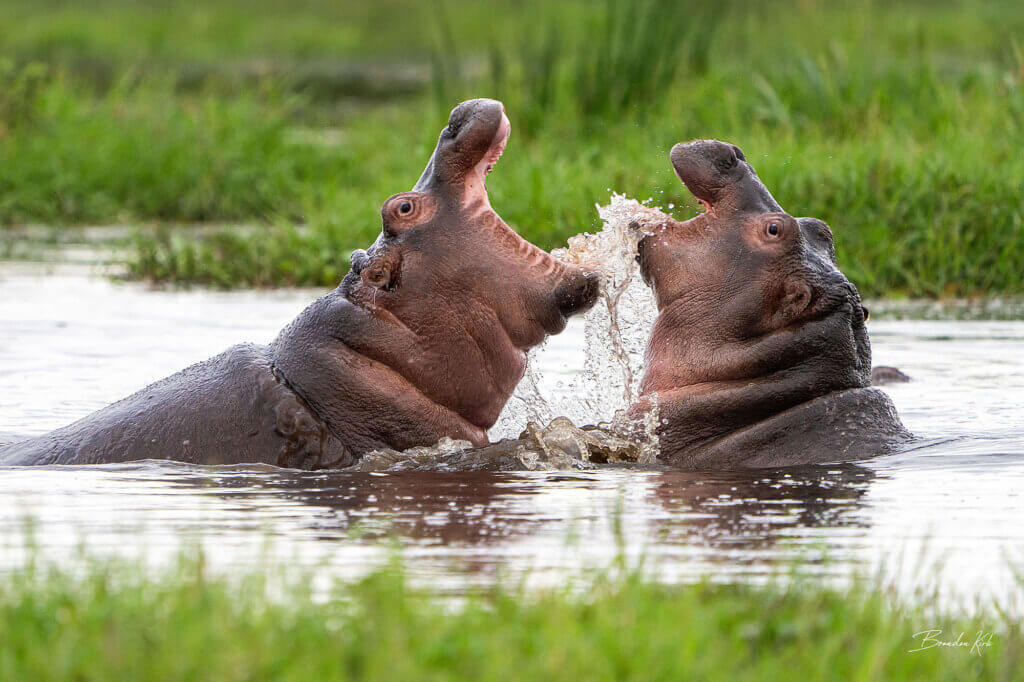
Beyond the headline animals, Lake Nakuru offers plenty of delightful surprises. Hippos live in the freshwater sections where rivers and springs enter the lake, and a dedicated hippo pool area gives visitors a chance to watch these huge animals wallow, yawn, and snort through the day. Remember that hippos feed on land at night, so early morning drives sometimes catch them returning to the water.
Primates thrive here as well. Large troops of olive baboons patrol the picnic sites and viewpoints, and clever vervet monkeys watch visitors from the trees with bright, curious eyes. Keep your food secured, because both species act boldly around unattended snacks. Additionally, colobus monkeys appear occasionally in the forested areas, flashing their beautiful black and white coats. Rock hyraxes sun themselves on the cliffs at Baboon Cliff viewpoint, and large African rock pythons occasionally rest in the trees near the lake. Golden cats, servals, and bat eared foxes reward the luckiest and most patient visitors.
A Birdwatcher’s Dream: Over 450 Species
While flamingos steal the spotlight, Lake Nakuru ranks among the finest birding destinations in East Africa for many more reasons. The park’s official bird list passes 450 species, and the variety astonishes even experienced birdwatchers. Great white pelicans gather in huge flocks on the lake, and they often soar together in graceful spirals over the water. African fish eagles call from the tall trees with their famous ringing cry, which many people describe as the true sound of Africa.
Furthermore, the woodlands and grasslands host an amazing range of species. Look for grey crowned cranes dancing in pairs, secretary birds striding across the plains, and giant kingfishers watching the streams. Colorful lilac breasted rollers, superb starlings, and various sunbirds flash through the trees. Herons, storks, plovers, and avocets work the shoreline, and migratory birds from Europe and Asia arrive between October and April. Consequently, birdwatchers should bring binoculars, a field guide, and plenty of memory cards for their cameras.
Where and When to Spot the Animals
Smart planning multiplies your sightings at Lake Nakuru. Start with timing. Animals move most actively during the cool hours after sunrise and before sunset, so schedule your game drives early and late. During the midday heat, lions rest in trees, rhinos seek shade, and activity slows. The dry seasons from June to October and January to February concentrate animals near water and keep roads in good condition. On the other hand, the green seasons bring newborn animals and huge flocks of migratory birds.
Location matters just as much. The lake shore circuit delivers flamingos, pelicans, buffalo, and white rhinos. The acacia woodlands on the eastern and southern sides hide leopards, black rhinos, and giraffes. Baboon Cliff and Out of Africa Lookout provide sweeping views and resident hyraxes. The hippo pools sit at the northern freshwater inflows. Above all, hire an experienced local guide. Guides communicate with each other by radio, know each animal’s favorite areas, and turn a good game drive into an unforgettable one.
Conservation: Why These Animals Thrive Here
The rich wildlife of Lake Nakuru exists today because of bold conservation choices. Kenya first protected the lake as a bird sanctuary in 1961, expanded it into a national park in 1968, and later fenced the entire boundary. The fence stopped poaching almost completely and created a safe haven where endangered species could recover. As a result, rhino numbers grew, Rothschild’s giraffes multiplied, and the park earned recognition as part of a UNESCO World Heritage Site within the Kenya Lake System.
Moreover, conservation here supports people as well as animals. Park fees fund ranger patrols, wildlife monitoring, and habitat care. The nearby city of Nakuru benefits from lodges, guides, restaurants, and craft markets that serve safari travelers. Community education programs connect local schools with the park and build the next generation of conservationists. Therefore, every visitor becomes a partner in protection. When you photograph a rhino or a rare giraffe at Lake Nakuru, you also help pay for its safety. Few safari experiences link travel and conservation so clearly.
Here is the rewritten version of your final thoughts section, keeping the original heading and paragraph structure while introducing Giant Holiday Safaris as your trusted tour operator.
Final Thoughts
So, what animals can you see in Lake Nakuru National Park? The list reads like a safari dream, and with Giant Holiday Safaris as your expert tour operator, you are perfectly positioned to see them all. Flamingos and pelicans color the soda lake, while black and white rhinos graze the plains in one of Kenya’s most important sanctuaries. Our guides know exactly where to find lions lounging in the trees, leopards slipping through the woodlands, and rare Rothschild’s giraffes browsing the acacias in their distinctive white socks. Buffalo, zebras, waterbuck, impalas, and gazelles fill the grasslands, hippos crowd the freshwater pools, and playful baboons and monkeys keep every stop lively. Add more than 450 bird species, dramatic Rift Valley scenery, and a world-class conservation story, and you have a park that delivers far beyond its size. Whether you visit for a single day or several, Giant Holiday Safaris ensures the animals you see in Lake Nakuru National Park will fill your camera, your journal, and your memory. Start planning your Rift Valley safari with us today, and come meet them for yourself.
Combined Uganda, Kenya, Rwanda and Tanzania Safaris
17 days Kenya Tanzania and Uganda safari
19 Days Uganda Kenya and Tanzania Safari
16 Days Kenya Tanzania and Uganda Safari
14 Days Kenya Uganda and Tanzania Safari
14 Days Kenya Uganda and Rwanda Safari