What Should I Wear in Ngorongoro
July 13, 2026
Which Month Is Best for Ngorongoro Safari
July 13, 2026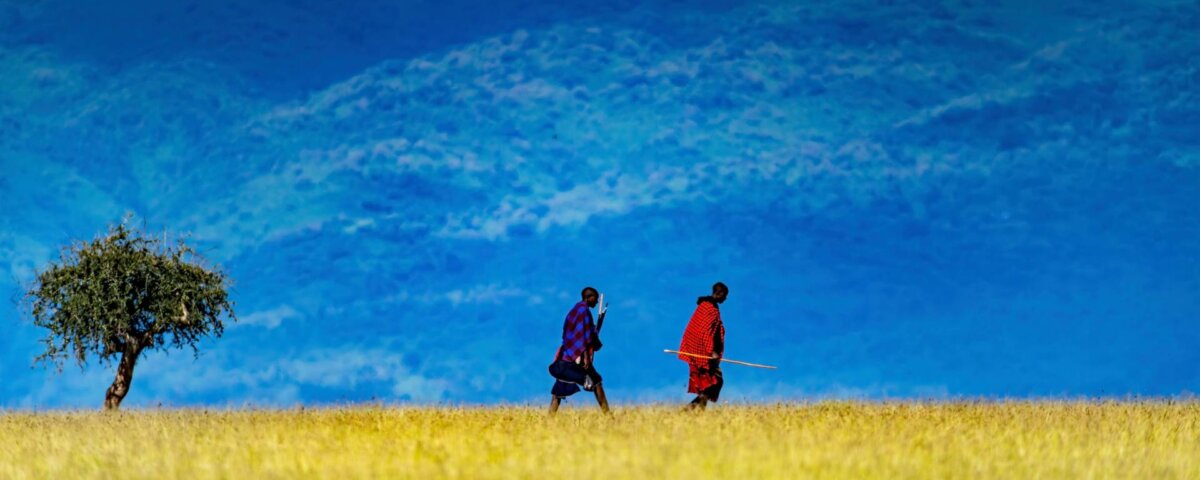
Are Maasai People Found in Ngorongoro
Many travelers planning a Tanzania safari often ask, are Maasai people found in Ngorongoro? The answer is yes. The Ngorongoro Conservation Area is one of the few protected places in Africa where wildlife and local communities continue to live side by side. While the area is famous for the breathtaking Ngorongoro Crater and its incredible wildlife, it is also home to thousands of Maasai people who have lived in this region for generations. Their colorful traditions, strong cultural identity, and deep respect for nature make Ngorongoro a destination that offers far more than exceptional game viewing.
Visiting Ngorongoro gives travelers the rare opportunity to experience both wildlife and living culture during the same journey. While many national parks focus only on wildlife conservation, the Ngorongoro Conservation Area protects both natural ecosystems and the cultural heritage of the Maasai community. This unique balance creates meaningful travel experiences that help visitors understand how people and wildlife can successfully share the same landscape.
The Maasai continue to maintain many of their traditional customs while also adapting to modern life. Their knowledge of livestock, seasonal grazing, and the surrounding environment has shaped the region for centuries. Today, cultural visits allow travelers to learn directly about Maasai history, daily life, traditional homes, clothing, music, and customs in a respectful and educational way.
Understanding are Maasai people found in Ngorongoro helps travelers appreciate that this remarkable destination is not only one of Africa’s greatest wildlife areas but also one of its richest cultural landscapes. A safari here combines unforgettable wildlife encounters with authentic cultural experiences, creating memories that last long after the journey ends.
Who Are the Maasai People of Ngorongoro
The Maasai are one of East Africa’s most recognized indigenous communities, known for their distinctive culture, colorful clothing, and close relationship with livestock. In the Ngorongoro Conservation Area, they continue to preserve traditions that have been passed from one generation to the next while living alongside some of Africa’s most famous wildlife.
Cattle remain at the center of Maasai life. Families depend on their livestock for food, income, and cultural identity. Herding cattle across open grasslands has long been part of their daily routine, and their deep understanding of seasonal grazing patterns helps them care for their animals while respecting the surrounding environment.
Traditional Maasai homes, often called manyattas or bomas, are built using locally available natural materials such as wood, grass, mud, and cow dung. These homes are arranged in family compounds that provide shelter for both people and livestock. Although some modern materials are becoming more common, many families continue to maintain traditional building methods that reflect their heritage.
Music and dance remain central to community celebrations. Traditional songs, rhythmic chanting, and the famous jumping dance create joyful gatherings during ceremonies, weddings, and cultural events. These performances celebrate unity, strength, and community while preserving customs that have survived for generations.
Visitors who meet the Maasai quickly discover that their culture extends far beyond colorful clothing. Their strong sense of community, hospitality, respect for elders, and connection with nature create valuable lessons about sustainable living and cultural preservation. Spending time with Maasai guides or community members allows travelers to gain genuine insight into one of Africa’s most fascinating cultures.
Why the Maasai People Live in Ngorongoro Conservation Area
The Maasai have lived in the Ngorongoro region for centuries because its fertile highlands, open grasslands, and reliable water sources provide excellent conditions for pastoral life. Long before modern conservation efforts began, Maasai communities had already developed sustainable ways of managing livestock while moving seasonally across the landscape.
Today, the Ngorongoro Conservation Area remains unique because it allows both wildlife conservation and human settlement to exist together. Unlike Tanzania’s national parks, where permanent settlement is generally not allowed, Ngorongoro was established with a multiple land use approach that recognizes the importance of protecting both natural resources and traditional livelihoods.
This balance allows Maasai families to continue raising livestock while following conservation guidelines designed to protect wildlife and fragile ecosystems. Their extensive knowledge of local plants, weather patterns, grazing conditions, and wildlife behavior has helped shape responsible land management practices for generations.
Living in such a wildlife-rich environment requires careful coexistence. Maasai communities have developed practical ways to protect their livestock while respecting the presence of lions, hyenas, elephants, buffaloes, and other wild animals. Their understanding of the environment reflects centuries of experience living alongside nature rather than attempting to control it.
For visitors, this unique relationship offers a rare opportunity to witness conservation from both ecological and cultural perspectives. A safari in Ngorongoro becomes more meaningful because travelers not only observe extraordinary wildlife but also learn how local communities continue preserving traditions while contributing to the long-term protection of one of Africa’s most remarkable landscapes.
Giant Holiday Safaris encourages responsible cultural tourism by including respectful Maasai cultural experiences within carefully planned safari itineraries. These visits help travelers gain a deeper appreciation for the people whose heritage remains an important part of Ngorongoro’s identity.
How the Maasai People Preserve Their Traditional Lifestyle in Ngorongoro
The Maasai have successfully preserved many of their traditions despite the changes that have taken place over the years. Their ability to maintain a strong cultural identity while adapting to modern life makes the Ngorongoro Conservation Area one of the most fascinating places to visit in Tanzania. Families continue to value their customs, language, ceremonies, and community relationships while embracing education, healthcare, and new opportunities that improve their quality of life.
Livestock remains central to Maasai culture. Cattle are highly valued because they support family livelihoods and play an important role in cultural ceremonies. Daily life often revolves around caring for animals, managing grazing areas, and ensuring the well-being of the herd. Young people begin learning these responsibilities early, helping preserve traditional knowledge from one generation to the next.
The Maasai also continue to practice traditional craftsmanship. Skilled artisans create colorful beadwork, handmade jewelry, decorative items, and clothing that reflect their heritage. Every design carries cultural meaning and showcases remarkable attention to detail. Purchasing authentic handmade products directly from local communities helps support families while preserving traditional skills.
Language also strengthens cultural identity. Many Maasai continue speaking the Maa language at home while also learning Swahili and English. This multilingual approach allows younger generations to participate in modern society without losing their cultural roots.
Traditional ceremonies remain an important part of community life. Celebrations marking important stages of life bring families together through music, dancing, storytelling, and shared meals. These gatherings strengthen community bonds and ensure that cultural values continue to thrive.
Visitors often leave Ngorongoro with a greater appreciation for how the Maasai balance tradition and progress. Their commitment to preserving their heritage while embracing positive change demonstrates the resilience of one of Africa’s most respected indigenous communities.
What Visitors Can Learn from the Maasai Community in Ngorongoro
A visit to a Maasai community adds depth to any Tanzania safari because it allows travelers to experience a living culture instead of simply observing wildlife. Learning directly from local people creates meaningful connections that enrich the overall journey and provide a broader understanding of the Ngorongoro Conservation Area.
Visitors quickly discover that the Maasai possess extensive knowledge of the natural environment. Their understanding of seasonal weather, grazing patterns, medicinal plants, and animal behavior has developed through generations of living close to nature. Listening to their explanations helps travelers appreciate the relationship between people and the environment from a completely different perspective.
Guests also learn about daily life inside a traditional Maasai homestead. Community members often explain how homes are built, how families organize their compounds, and how livestock contributes to daily life. These experiences provide valuable insights into customs that continue to shape Maasai society today.
Cultural demonstrations may include traditional dances, songs, beadwork, and storytelling. Rather than serving only as entertainment, these activities help preserve important traditions while sharing them with respectful visitors. Travelers often enjoy participating in dances or learning about the meaning behind traditional clothing and jewelry.
Another valuable lesson comes from the Maasai approach to community. Cooperation, respect for elders, hospitality, and shared responsibility remain central values. These principles have helped Maasai communities remain strong while adapting to changing circumstances.
Responsible cultural tourism benefits both visitors and local communities. Choosing experiences that support education, conservation, and community development helps ensure that tourism contributes positively to local livelihoods. Giant Holiday Safaris works with responsible local partners to encourage respectful cultural exchanges that benefit everyone involved.
Best Time to Experience Maasai Culture in Ngorongoro
One of the advantages of visiting Ngorongoro is that Maasai cultural experiences are available throughout the year. Since the Maasai live permanently within the conservation area, visitors can include cultural visits regardless of the travel season. However, weather conditions and safari preferences may influence the overall experience.
The dry season from June to October is popular because roads remain in excellent condition and wildlife viewing is outstanding. Many travelers combine game drives with Maasai village visits, creating a balanced itinerary that showcases both nature and culture. Pleasant temperatures also make outdoor activities more comfortable.
The green season between November and May offers a different experience. Fresh vegetation transforms the landscape, creating beautiful scenery for photography. Fewer visitors also provide a quieter atmosphere, allowing for more relaxed cultural interactions. Bird enthusiasts especially enjoy this period because migratory species arrive in large numbers.
Travelers interested in combining Maasai cultural experiences with the Great Migration often plan visits according to wildlife movements in Serengeti National Park. This allows couples, families, and photographers to enjoy two of Tanzania’s greatest attractions within one carefully planned safari.
Morning visits to Maasai communities are often recommended because temperatures remain cooler and daily activities are already underway. Visitors may observe herding routines, craft making, or community life while enjoying meaningful conversations with local guides.
Regardless of the season, respectful planning ensures an authentic and rewarding cultural experience that complements the wildlife adventures of Ngorongoro.
Tips for Respectfully Visiting Maasai Communities in Ngorongoro
Respect forms the foundation of every meaningful cultural visit. Travelers who approach Maasai communities with curiosity, kindness, and appreciation often enjoy the most rewarding experiences while contributing positively to responsible tourism.
Before taking photographs, always ask for permission. Many community members are happy to participate in photographs when approached politely, while others may prefer privacy. Respecting personal choices demonstrates cultural sensitivity.
Dress modestly during village visits. Comfortable clothing that covers shoulders and knees helps visitors show respect while remaining suitable for safari activities. Simple, practical clothing also helps travelers blend naturally into the environment.
Listening carefully during cultural demonstrations allows visitors to better understand Maasai traditions and daily life. Asking thoughtful questions shows genuine interest and often leads to meaningful conversations with community members.
Supporting local artisans by purchasing handmade crafts directly from the community also creates positive economic benefits. Authentic beadwork, jewelry, and decorative items provide lasting reminders of the visit while helping preserve traditional skills.
Finally, choose tour operators committed to responsible tourism. Ethical cultural experiences prioritize mutual respect, fair community benefits, and authentic learning rather than staged performances. This approach creates valuable experiences for both visitors to find out if Maasai people are found in Ngorongoro and local residents.
Discover the Rich Maasai Heritage in Ngorongoro
If you have been asking are Maasai people found in Ngorongoro, the answer reveals one of Tanzania’s greatest cultural treasures. The Ngorongoro Conservation Area is not only a world famous wildlife destination but also a living cultural landscape where the Maasai continue preserving traditions that have shaped the region for generations.
Combining wildlife viewing with cultural experiences creates a richer understanding of Tanzania. Visitors leave with unforgettable memories of spectacular landscapes, remarkable animals, and meaningful interactions with one of Africa’s most respected indigenous communities.
Carefully planned cultural visits encourage responsible tourism while supporting conservation and community development. They also remind travelers that protecting Africa’s natural heritage includes preserving the cultures that have lived alongside wildlife for centuries.
Giant Holiday Safaris proudly offers thoughtfully designed Tanzania safari experiences that combine extraordinary wildlife adventures with authentic Maasai cultural encounters. Through responsible travel, knowledgeable guides, and carefully planned itineraries, every guest gains a deeper appreciation of both nature and culture.
Whether you are visiting Ngorongoro for its famous crater, exceptional wildlife, or rich traditions, discovering the Maasai community adds a memorable dimension to your journey. Understanding are Maasai people found in Ngorongoro allows travelers to appreciate why this destination remains one of East Africa’s most unique and rewarding safari experiences.
Combined Uganda, Kenya, Rwanda and Tanzania Safaris
17 days Kenya Tanzania and Uganda safari
19 Days Uganda Kenya and Tanzania Safari
16 Days Kenya Tanzania and Uganda Safari
14 Days Kenya Uganda and Tanzania Safari
14 Days Kenya Uganda and Rwanda Safari