What are the best Kenya safari travel tips?
August 15, 2026
What are the best safari vehicles in Kenya?
August 17, 2026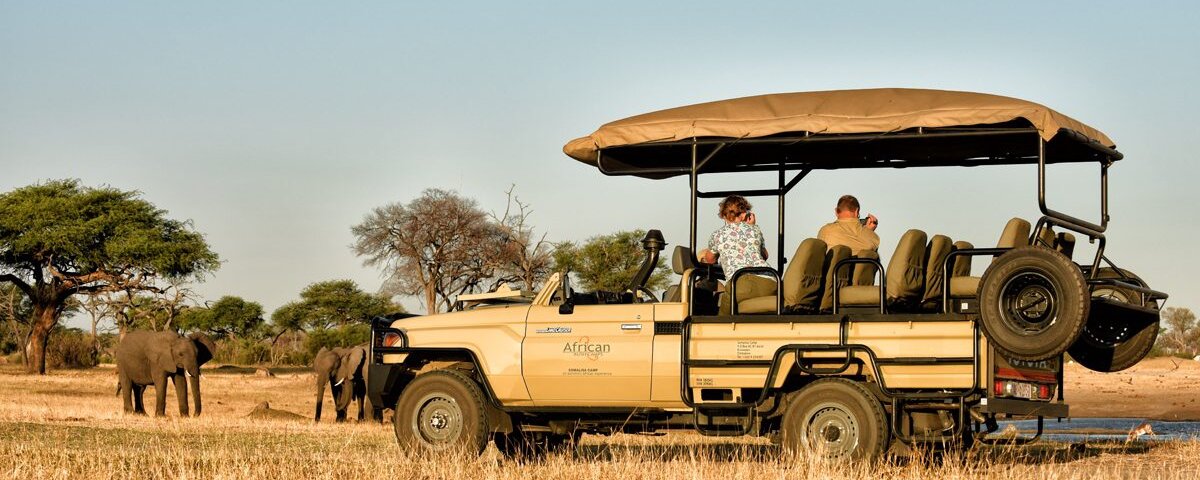
Are Open-Roof Safari Vehicles Safe?
An African safari offers a rare chance to experience wildlife at close range while exploring some of the continent’s most remarkable landscapes. For many travelers, the safari vehicle becomes the center of that experience. Open-roof and open-sided safari vehicles allow visitors to enjoy wide views, fresh air, natural sounds, and excellent opportunities for wildlife photography. However, one important question often comes before the excitement: Are open-roof safari vehicles safe?
Yes, open-roof safari vehicles can provide a safe and enjoyable safari experience when operators use suitable vehicles, trained guides, responsible driving practices, and clear wildlife safety procedures. Safety does not depend only on whether a vehicle has an open roof. Instead, it depends on how the vehicle operates, where it travels, how close it approaches wildlife, and how well guests follow the guide’s instructions.
Across Africa, safari vehicles operate in environments where wild animals move freely. Elephants, lions, buffalo, hippos, giraffes, leopards, and other animals can appear close to a vehicle. Therefore, travelers need to understand that a safari is not a zoo visit. Wildlife remains wild, and responsible tourism requires respect for animal behavior and park regulations.
An experienced safari guide plays a major role in keeping guests safe. Guides learn animal behavior, understand park rules, monitor changing conditions, and choose appropriate positions for viewing wildlife. They also teach guests how to behave inside the vehicle.
Open-roof safari vehicles can therefore combine comfort, visibility, and safety when used correctly. By understanding the vehicle design, following safety rules, and choosing a professional safari operator, travelers can enjoy Africa’s wilderness with confidence while maintaining respect for the animals and their habitat.
Combined Uganda, Kenya, Rwanda and Tanzania Safaris
17 days Kenya Tanzania and Uganda safari
19 Days Uganda Kenya and Tanzania Safari
16 Days Kenya Tanzania and Uganda Safari
14 Days Kenya Uganda and Tanzania Safari
14 Days Kenya Uganda and Rwanda Safari
12 Day Gorilla Trekking and Tanzania Safari
How Open-Roof Safari Vehicles Are Designed for Safari Conditions
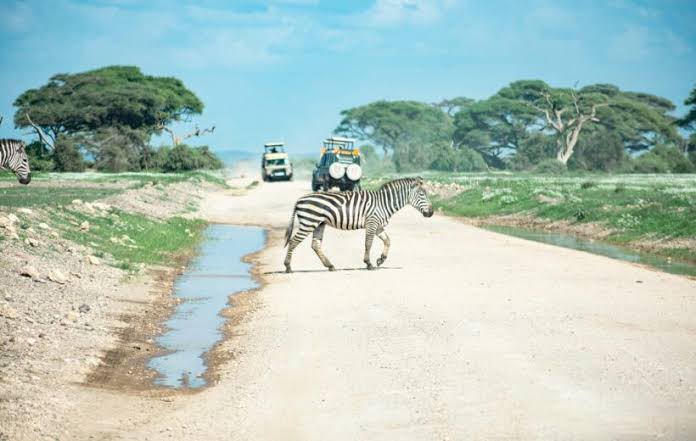
Open-roof safari vehicles come in several designs, and their construction reflects the demands of African wildlife areas. Many vehicles use a strong body structure, raised seating, wide viewing areas, and reinforced components designed for long journeys over rough roads. Some vehicles feature a pop-up roof that opens above passengers, while others use a fully open-sided design that provides an almost unrestricted view of the surrounding landscape.
The raised seating position offers an important advantage. Guests can see over vegetation and observe animals from a comfortable height without leaving the vehicle. The design also gives guides a clear view of the surroundings, allowing them to monitor wildlife and road conditions.
Many safari vehicles also include seat belts, although the exact setup varies by vehicle and operator. Travelers should use available seat belts whenever instructed to do so, particularly when the vehicle travels on uneven roads or steep tracks. Vehicles designed for safari travel also need good ground clearance because many parks contain rough tracks, stones, mud, sand, and uneven surfaces.
The roof itself does not make a vehicle unsafe. Instead, it creates an observation platform that allows travelers to enjoy a more immersive experience. When the vehicle stops near wildlife, guests can remain seated inside while viewing animals in their natural environment.
Furthermore, professional safari vehicles receive regular maintenance. Tires, brakes, suspension systems, steering components, lights, and other important parts need proper attention before and during safari operations. A well-maintained vehicle reduces mechanical risks and helps the guide respond effectively to changing road conditions.
For travelers, the most important point remains simple: vehicle design works together with guide experience, maintenance, park rules, and guest behavior to create a safe safari environment.
Why Staying Inside the Vehicle Matters Around Wild Animals
The most important safety rule on an open-roof safari is to remain inside the vehicle unless the guide gives permission to leave. This rule exists because wild animals recognize vehicles differently from individual people. A vehicle can appear less threatening when it remains stationary and behaves predictably. A person standing outside, however, can become a completely different situation.
Animals respond according to their own instincts, comfort levels, and surroundings. A lion may ignore a stationary vehicle but react differently if someone suddenly stands up, walks around, or steps onto the ground. An elephant may tolerate a vehicle nearby but become defensive if people move too close to it. Buffalo can also react quickly when they feel threatened.
Therefore, guests should avoid leaning far outside the vehicle, waving at animals, shouting, or making sudden movements. Children require particular attention because excitement can make them move quickly or forget safety instructions.
Guides usually position vehicles at suitable distances from wildlife and monitor animal behavior throughout the encounter. They understand that every animal has a comfort zone. If an animal shows signs of stress, discomfort, aggression, or agitation, a responsible guide can move the vehicle away.
This approach also protects wildlife. Safe safari practices should never focus only on human safety. Responsible tourism must prevent unnecessary disturbance to animals as well. Repeatedly crowding wildlife can change animal behavior and create stress within sensitive ecosystems.
Consequently, staying inside the vehicle provides two major benefits. It protects guests from unnecessary exposure while allowing animals to continue their natural behavior. The best safari experience does not require touching, feeding, calling, or approaching wildlife. Instead, it allows travelers to observe nature respectfully from a safe position.
Are Open-Roof Safari Vehicles Safe Near Lions and Leopards?
Lions and leopards are among the animals that make African safaris exciting, but their presence also requires disciplined behavior. Both species are powerful predators with excellent senses, natural hunting instincts, and the ability to move quickly. Nevertheless, professional safari vehicles regularly provide safe wildlife-viewing opportunities when guides follow appropriate procedures.
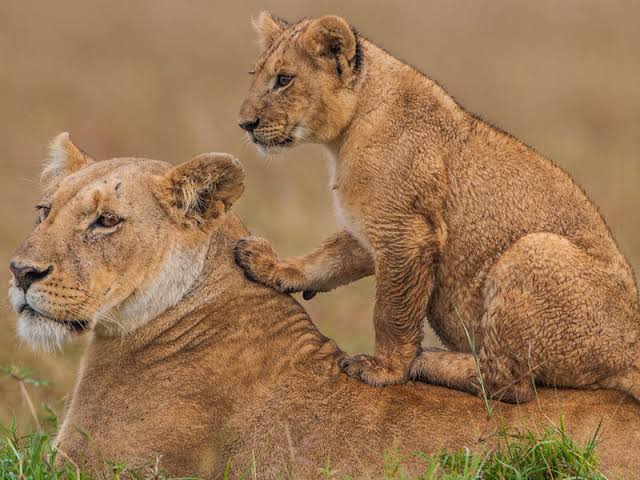
Lions often become accustomed to safari vehicles in heavily visited wildlife areas. They may rest beside roads, walk between vehicles, or even lie near a parked safari vehicle. This does not mean guests can treat them like domestic animals. A lion remains a wild predator, and its behavior can change depending on hunger, stress, cubs, territory, or other animals nearby.
Leopards often behave differently. They may spend considerable time resting in trees, hiding in vegetation, or moving quietly through their territory. Their secretive behavior makes them especially interesting to observe, but guests should never attempt to attract them.
When a guide locates a lion or leopard, the safest approach involves remaining calm and following instructions. Guests should stay seated, keep their hands and belongings inside the vehicle, and avoid sudden movements. Flash photography should also be used carefully because disturbing an animal can affect its behavior.
The guide also considers the position of the vehicle. A responsible guide avoids blocking an animal’s movement or creating unnecessary pressure by placing the vehicle too close. In some situations, the guide may choose to move away even when guests want to remain longer.
Therefore, an open roof does not automatically expose travelers to danger. The combination of vehicle structure, distance, guide judgment, and guest discipline creates the safety margin.
How Guides Keep Guests Safe During Wildlife Encounters
A professional safari guide serves as much more than a driver. The guide acts as the person responsible for interpreting the environment, understanding wildlife behavior, managing the vehicle, and helping guests make safe decisions. This expertise becomes particularly important when the vehicle operates with an open roof.
Before the safari begins, a good guide should explain basic safety rules. These rules normally cover remaining inside the vehicle, keeping voices low, avoiding sudden movements, listening to instructions, and asking for permission before standing or leaving the vehicle.
During the game drive, the guide constantly observes the surroundings. The guide watches wildlife movement, other vehicles, road conditions, weather, vegetation, and changes in animal behavior. This continuous assessment helps the guide decide where to stop and when to move.
Guide training also matters because wildlife behavior can vary. An elephant displaying relaxed behavior requires a different approach from an elephant that raises its ears, faces the vehicle directly, or begins moving toward it. Similarly, predators with cubs may behave differently from animals resting in open areas.
Good guides also understand that guests have different levels of safari experience. A first-time visitor may not recognize an early warning sign from an animal, while an experienced guide may notice it immediately. Clear instructions therefore help everyone respond correctly.
Furthermore, professional guides should respect national park and conservancy regulations. These rules help manage vehicle behavior, wildlife viewing distances, off-road driving, and other activities.
For travelers, choosing an operator that values guide training is one of the strongest ways to improve safari safety. A knowledgeable guide can transform an exciting wildlife encounter into an unforgettable experience without unnecessary risk.
What Guests Should Do to Stay Safe in an Open-Roof Vehicle
Guests have an important role in safari safety. Even the most experienced guide cannot maintain a safe environment if passengers ignore instructions. Fortunately, the basic rules are simple and easy to follow.
First, remain seated unless the guide gives permission to stand. In some vehicles, the raised roof allows passengers to stand safely for better viewing, but guests should still wait for guidance before changing position. Sudden movement can attract attention from nearby wildlife or disturb other passengers.
Second, keep arms, hands, cameras, phones, and other objects inside the vehicle unless the guide confirms that a particular position remains safe. Avoid reaching toward animals, even when they appear calm.
Third, maintain a reasonable noise level. Loud shouting, music, sudden laughter, or attempts to call animals can disturb wildlife and make the experience less natural. Quiet observation often produces better sightings because animals continue their normal activities.
Fourth, listen carefully when the guide gives instructions. If the guide asks everyone to sit down or remain still, guests should respond immediately. The guide has a wider view of the environment and may notice something that passengers cannot see.
Travelers should also secure loose belongings. Cameras, hats, phones, bags, and other items can fall from the vehicle on rough tracks. Keeping equipment secure protects both the equipment and the passengers.
Finally, guests should avoid assuming that familiarity with wildlife means safety. Even travelers who have completed many game drives should continue following the same procedures.
Simple discipline makes a major difference. When passengers cooperate with their guide, they create a calm environment that benefits both people and wildlife.
Are Open-Roof Safari Vehicles Safe for Families and Children?
Families can enjoy open-roof safaris, but children need closer supervision because their natural curiosity can lead to sudden movements. Parents and guardians should explain safari safety rules before entering the vehicle and reinforce them throughout the game drive.
Children should understand that wild animals are not pets. A lion, elephant, buffalo, hippo, or monkey may look fascinating, but guests should never attempt to touch or feed animals. Children should remain seated when required and avoid shouting or making sudden movements.
The age and maturity of each child also matter. A calm child who understands instructions may enjoy a game drive comfortably, while a very young child may require more supervision. Parents should discuss the planned safari with the operator in advance so the itinerary, vehicle, drive duration, and activities suit the family.
Long game drives can also challenge younger travelers. Heat, early mornings, rough roads, and extended periods of wildlife viewing can cause tiredness. Planning regular comfort breaks at approved locations can make the experience easier.
Parents should also carry suitable clothing, drinking water, sun protection, and any essential personal items. However, these items should remain securely stored while the vehicle is close to wildlife.
A family safari becomes safer and more enjoyable when everyone understands the same rules. Parents should set the example by remaining calm, following the guide, and avoiding unnecessary movement.
With proper planning and responsible supervision, children can experience one of Africa’s greatest educational opportunities: observing wild animals in their natural environment while learning why conservation and responsible tourism matter.
Open-Roof Safari Safety During Elephant, Buffalo, and Hippo Encounters
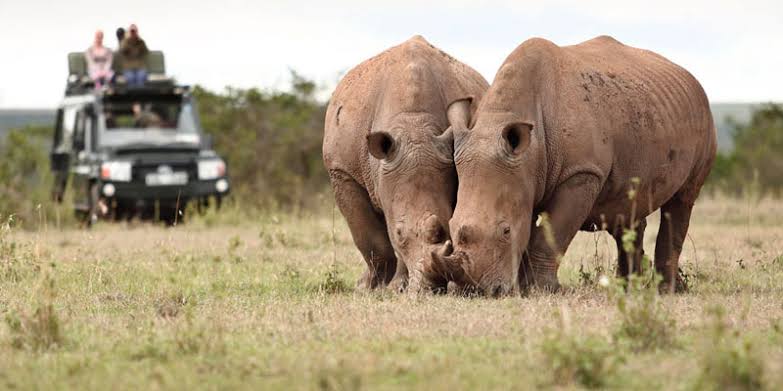
Large animals require special attention because their size and strength can make close encounters dangerous if guests or drivers behave irresponsibly. Elephants, buffalo, and hippos each have different behaviors, so travelers should never assume that one safety approach works for every species.
Elephants often attract visitors because of their size, intelligence, family structures, and social behavior. However, an elephant can become defensive when it feels threatened, particularly when protecting young calves. A guide watches for changes in posture, ear movement, vocalizations, and direction of travel. If an elephant appears uncomfortable, increasing distance becomes the safest choice.
Cape buffalo also deserve considerable respect. They possess powerful bodies and can react quickly when threatened. Guests should remain inside the vehicle and avoid sudden movements when buffalo approach.
Hippos present another important safety consideration. They may appear calm while resting in water, but they can move quickly on land and become highly territorial. Travelers should never leave a vehicle near a waterway simply because hippos appear distant.
These encounters demonstrate why safari safety depends on professional judgment. Distance alone does not determine risk. Animal mood, terrain, escape routes, young animals, time of day, and the presence of other wildlife can all influence a situation.
Therefore, guests should never pressure a guide to drive closer for a photograph. A responsible guide may sacrifice a perfect photograph to maintain a safe distance, and that decision reflects professional safari practice.
The best wildlife photograph is always one that does not compromise human safety or animal welfare.
Weather, Road Conditions, and Other Practical Safety Considerations
Wildlife receives most of the attention during a safari, but road and weather conditions also influence safety. African safari destinations can experience strong sunlight, heavy rain, dust, cold early mornings, and sudden weather changes depending on the region and season.
Open-roof vehicles provide excellent visibility, but passengers should prepare for exposure to the elements. Early morning drives can feel surprisingly cold, while midday conditions can become hot. A light jacket, comfortable clothing, sunglasses, sunscreen, and a hat can improve comfort. During rainy periods, travelers should carry suitable rain protection.
Road conditions also vary widely. Some parks have well-maintained gravel roads, while others contain deep sand, mud, rocks, steep sections, or rough tracks. Safari vehicles designed for these environments normally provide suitable ground clearance and suspension, but passengers should still remain seated when traveling over difficult terrain.
Seat belts should be used whenever the vehicle provides them, especially on rough roads. Guests should also keep cameras and bags secure to prevent them from falling or causing injury.
Another practical consideration involves personal health and comfort during long drives. Travelers should drink enough water, carry necessary personal supplies, and communicate important needs to their guide before departure.
Vehicle maintenance also remains essential. Operators should inspect vehicles regularly and address mechanical problems before they become serious. Tires, brakes, steering, suspension, lights, and other safety-related components deserve particular attention.
Ultimately, safari safety involves more than wildlife. Good preparation, suitable clothing, vehicle maintenance, responsible driving, and awareness of environmental conditions all contribute to a successful game drive.
How to Choose a Safe Safari Operator
Choosing the right safari operator can have a major impact on both safety and overall experience. Travelers should look beyond attractive photographs and low prices and examine how an operator approaches wildlife, vehicles, guides, communication, and guest care.
Start by checking whether the company provides trained and experienced safari guides. A knowledgeable guide understands wildlife behavior and knows how to manage different situations. Experience becomes especially valuable when animals approach the vehicle unexpectedly.
Next, consider the condition of the safari vehicles. A reputable operator should use vehicles that suit the destination and maintain them regularly. Travelers can ask about vehicle types, seating arrangements, roof design, seat belts, and maintenance standards before booking.
Responsible wildlife practices also matter. A professional operator should respect park regulations and avoid actions that place pressure on wildlife simply to give guests a closer photograph. Ethical wildlife viewing protects animals while creating better long-term tourism experiences.
Communication also provides an important measure of professionalism. Before the trip, travelers should receive clear information about what to expect, what to bring, safety procedures, and the planned itinerary.
Insurance and emergency planning deserve attention as well. Travelers should understand what assistance the operator provides if a mechanical problem, medical emergency, severe weather event, or other unexpected situation affects the safari.
Finally, consider the operator’s reputation, experience, local knowledge, and commitment to conservation. A strong tourism company understands that guest satisfaction and responsible wildlife management should work together.
A safari operator that invests in trained staff, suitable vehicles, responsible practices, and guest education demonstrates a serious commitment to safety and quality.
Why Responsible Safari Tourism Makes Open-Roof Safaris Safer
Responsible tourism strengthens safari safety because it creates clear boundaries around how people interact with wildlife. When operators and travelers respect those boundaries, animals experience less disturbance and guests enjoy more natural encounters.
Responsible safari practices include maintaining suitable viewing distances, avoiding unnecessary off-road driving, respecting restricted areas, following park regulations, and refusing to feed or attract wild animals. These practices protect wildlife while also reducing unpredictable situations.
The relationship between conservation and tourism remains especially important across Africa. Wildlife areas depend on healthy ecosystems, effective management, and responsible visitor behavior. Tourism can support conservation through park fees, employment, community programs, local businesses, and conservation initiatives. However, tourism must operate responsibly to maintain the natural environment that attracts visitors in the first place.
Open-roof vehicles can support this approach because they allow travelers to observe animals without leaving established viewing areas. Guests can experience wildlife behavior without attempting to physically interact with animals.
Responsible tourism also encourages guides to prioritize animal welfare. A guide should not repeatedly crowd an animal or encourage guests to make noise for a better photograph. Instead, the guide should allow wildlife to behave naturally.
For travelers, this creates a deeper experience. Watching an elephant family cross a road peacefully or seeing lions rest beneath an acacia tree becomes more meaningful when the encounter happens without interference.
Safety and conservation therefore work together. Protecting people, respecting animals, and preserving ecosystems all contribute to a stronger African safari experience.
What Makes an Open-Roof Safari Experience Truly Safe?
The safety of an open-roof safari vehicle comes from several factors working together rather than from the roof design alone. A suitable vehicle provides a strong foundation, but trained guides, responsible driving, regular maintenance, wildlife knowledge, park regulations, and guest cooperation complete the safety system.
Travelers should remember that wildlife encounters can never become completely predictable. Animals remain wild, and conditions can change quickly. However, professional safari practices reduce unnecessary risks and help guides respond appropriately when circumstances change.
The safest approach begins before the vehicle enters the park. Operators should select suitable vehicles, inspect them regularly, employ competent guides, understand the destination, and prepare guests for the conditions. During the safari, guides should maintain appropriate distances, monitor animal behavior, follow park regulations, and make careful decisions about where to stop.
Guests also have a responsibility. Remaining calm, staying inside the vehicle when instructed, avoiding sudden movements, securing personal belongings, and respecting wildlife all contribute to a safer environment.
For international travelers, this preparation provides peace of mind. You do not need to avoid open-roof safari vehicles because they look exposed. Instead, focus on the quality of the operator, the experience of the guide, the condition of the vehicle, and the safety culture behind the safari.
When these elements come together, an open-roof vehicle becomes more than transportation. It becomes a carefully managed platform for observing Africa’s wildlife while remaining within responsible safety boundaries.
Final Thoughts: Enjoying Africa’s Wildlife With Confidence
Open-roof safari vehicles can be safe when professional standards guide every part of the experience. The open design gives travelers outstanding visibility and a stronger connection with the African wilderness, while trained guides, suitable vehicles, responsible driving, wildlife knowledge, and clear passenger rules provide the foundation for safety.
Travelers should approach every safari with respect. Wild animals do not follow human schedules, and their behavior can change without warning. Therefore, the safest travelers remain observant, listen to their guides, and understand that a respectful distance often creates the best wildlife encounter.
At the same time, travelers should look for safari operators that demonstrate real knowledge of African destinations rather than focusing only on attractive packages. Experience matters because every park, reserve, season, road, and wildlife encounter presents different conditions.
For travelers planning an African adventure, Giant Holiday Safaris provides a trusted tourism approach built around professional planning, destination knowledge, responsible wildlife experiences, and guest-focused service. Choosing an experienced tour operator helps transform safety preparation into confidence, allowing travelers to focus on the beauty, wildlife, landscapes, and unforgettable moments that make an African safari truly special.