What Are the Best Safari and Cultural Experiences in Kenya?
May 31, 2026
What Are the Best Kenya Safari Tours for International Travelers?
May 31, 2026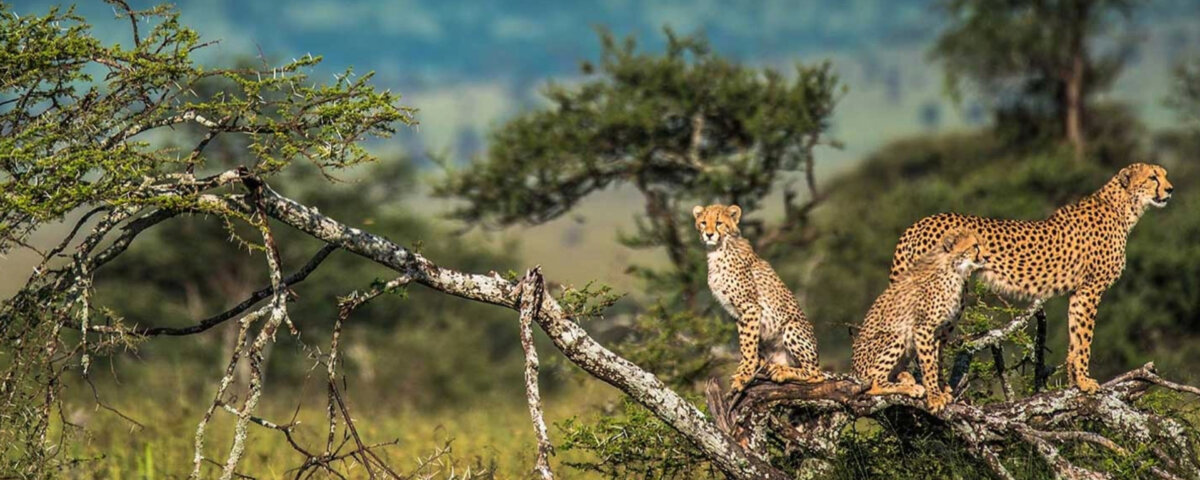
What is the Best Time to Visit Tanzania for Safari?
What is the best time to visit Tanzania for safari? This is one of the most common questions travelers ask when planning an African wildlife adventure. Tanzania ranks among the world’s top safari destinations, offering breathtaking landscapes, abundant wildlife, diverse ecosystems, and unforgettable safari experiences throughout the year. However, the timing of your visit can significantly influence the type of wildlife encounters, weather conditions, accommodation availability, and overall travel experience you enjoy.
Unlike many destinations that have a single ideal travel season, Tanzania offers unique safari opportunities across different times of the year. The dry season attracts visitors seeking exceptional game viewing, while the green season appeals to travelers who enjoy lush scenery, birdwatching, and fewer crowds. Additionally, special wildlife events such as the Great Wildebeest Migration and calving season occur at different times, making timing an important factor when planning a safari.
Understanding Tanzania’s seasonal patterns allows travelers to choose the period that best aligns with their interests and expectations. Whether your goal is witnessing dramatic river crossings, photographing wildlife, enjoying luxury safari lodges, or exploring remote wilderness areas, selecting the right season can elevate your safari experience.
At Giant Holiday Safaris, we help travelers identify the most suitable travel periods based on their safari goals. This guide explains what is the best time to visit Tanzania for safari and how each season offers its own unique advantages.
Understanding Tanzania’s Safari Seasons for the Best Time to Visit
Before deciding what is the best time to visit Tanzania for safari, it is important to understand the country’s seasonal patterns. Tanzania experiences two primary safari seasons: the dry season and the green season. Each period creates different wildlife viewing opportunities and travel experiences.
The dry season generally runs from June to October. During this time, rainfall decreases significantly, vegetation becomes thinner, and animals gather around permanent water sources. These conditions make wildlife easier to spot because animals concentrate in predictable areas and visibility improves across many national parks.
The green season typically occurs from November through May, although rainfall patterns vary slightly between regions. During this period, landscapes transform into vibrant green environments filled with fresh vegetation, seasonal flowers, and abundant birdlife. Wildlife remains present, but thicker vegetation sometimes makes animal sightings slightly more challenging.
Tanzania also experiences short rains and long rains. The short rains usually occur from November to December, while the long rains often fall between March and May. Despite these weather patterns, many safari destinations remain accessible throughout much of the year.
Each season provides unique advantages. Travelers seeking classic wildlife viewing often favor the dry season, while photographers and birdwatchers frequently appreciate the beauty and tranquility of the green season.
Understanding these seasonal differences helps travelers make informed decisions when planning their safari adventure.
Why the Dry Season Is Often Considered the Best Time to Visit Tanzania for Safari
Many safari enthusiasts consider the dry season the answer to the question, what is the best time to visit Tanzania for safari. The months between June and October offer some of the most reliable wildlife viewing conditions in East Africa.
As water sources become limited, animals gather around rivers, lakes, and watering holes. This concentration increases opportunities to observe large numbers of wildlife in relatively small areas. Visitors often encounter elephants, lions, zebras, giraffes, buffaloes, and many other species during a single game drive.
The reduced vegetation also improves visibility. Safari guides can more easily locate animals hidden within grasslands and woodlands, while photographers benefit from clearer sightlines and better opportunities to capture wildlife images.
The weather during the dry season remains comfortable for outdoor activities. Sunny days, low humidity, and minimal rainfall create ideal conditions for game drives, walking safaris, and photography excursions. Roads generally remain in excellent condition, allowing easier access to various safari destinations.
Furthermore, the dry season coincides with some of the most dramatic stages of the Great Wildebeest Migration. Travelers visiting northern Serengeti may witness spectacular river crossings that attract predators and create unforgettable wildlife encounters.
For travelers prioritizing wildlife visibility and classic safari experiences, the dry season often delivers outstanding results.
The Great Wildebeest Migration and Seasonal Timing
One of the most important factors when considering what is the best time to visit Tanzania for safari involves the Great Wildebeest Migration. This extraordinary natural phenomenon attracts visitors from around the world and remains one of Africa’s most remarkable wildlife spectacles.
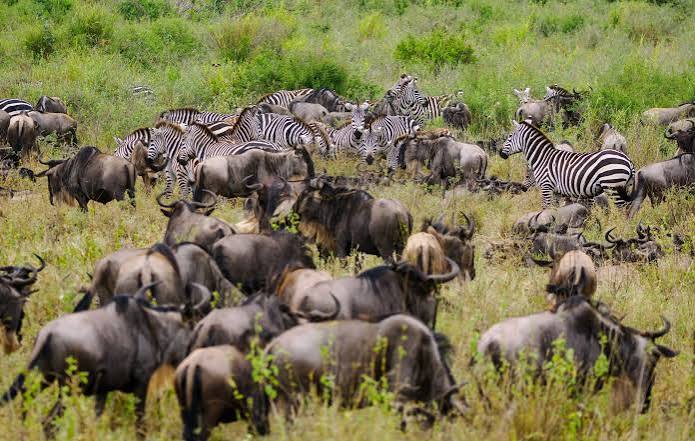
The migration involves more than a million wildebeest accompanied by hundreds of thousands of zebras and gazelles as they move through the Serengeti ecosystem in search of fresh grazing land. Because the migration follows rainfall patterns, its location changes throughout the year.
From January to March, large herds gather in the southern Serengeti. This period coincides with calving season, when thousands of young wildebeest are born within a short timeframe. The abundance of newborn animals attracts predators and creates exciting wildlife viewing opportunities.
Between April and June, the herds gradually move toward central and western Serengeti. During this period, travelers can witness long columns of animals crossing vast plains as they continue their journey.
From July through October, many herds reach northern Serengeti, where dramatic river crossings often occur. These crossings rank among the most sought-after wildlife experiences in Africa.
The migration continues throughout the year, making it possible to witness different stages depending on travel timing. Understanding these seasonal movements helps travelers plan safaris around specific migration events.
Calving Season and Predator Action
For many wildlife enthusiasts, the calving season provides another answer to what is the best time to visit Tanzania for safari. This remarkable period typically occurs between January and March in the southern Serengeti and Ndutu region.
During calving season, hundreds of thousands of wildebeest gather on nutrient-rich grasslands to give birth. Within a relatively short period, thousands of calves enter the world, creating one of nature’s most impressive wildlife events.
The abundance of newborn animals naturally attracts predators. Lions, cheetahs, hyenas, leopards, and other carnivores take advantage of increased hunting opportunities, leading to frequent predator-prey interactions. Wildlife photographers often consider this one of the most exciting times to visit Tanzania.
In addition to predator activity, calving season offers exceptional opportunities to observe animal behavior. Visitors can watch protective mothers caring for their young, witness calves taking their first steps, and observe herd dynamics across the plains.
The landscapes during this period also appear particularly beautiful. Seasonal rains support lush grasslands and vibrant scenery, creating excellent photographic conditions.
Travelers interested in dramatic wildlife interactions, newborn animals, and stunning landscapes often rank calving season among the most rewarding periods for a Tanzania safari.
Visiting Tanzania During the Green Season
Although many travelers focus on the dry season, the green season presents compelling reasons to visit Tanzania. In fact, some experienced safari enthusiasts believe it offers a different but equally rewarding answer to what is the best time to visit Tanzania for safari.
The green season transforms Tanzania’s landscapes into lush environments filled with fresh vegetation, blooming plants, and dramatic skies. These conditions create exceptional photographic opportunities and showcase a different side of the country’s natural beauty.
Birdwatchers particularly enjoy this season because migratory bird species arrive from various parts of the world. National parks become vibrant with colorful birdlife, making the green season ideal for birding enthusiasts.
Visitor numbers generally decline during this period, resulting in quieter safari experiences. Travelers can enjoy wildlife viewing with fewer vehicles and less competition around popular sightings. This increased sense of exclusivity appeals to many visitors.
Accommodation providers often offer attractive rates during certain parts of the green season. As a result, travelers may enjoy luxury safari experiences at more affordable prices compared to peak travel periods.
While occasional rainfall occurs, it rarely prevents enjoyable safari activities. Many game drives continue successfully, and wildlife remains active throughout the parks.
Regional Differences Across Tanzania
When evaluating what is the best time to visit Tanzania for safari, travelers should recognize that conditions vary across different regions. Tanzania’s size and geographic diversity create unique seasonal patterns in various national parks and conservation areas.
Northern Tanzania, home to Serengeti, Ngorongoro, Tarangire, and Lake Manyara, experiences distinct dry and green seasons. This region remains accessible throughout most of the year and supports excellent wildlife viewing regardless of season.
Southern Tanzania, including Ruaha National Park and Nyerere National Park, often delivers exceptional wildlife concentrations during the dry season. As water sources diminish, animals gather around rivers and permanent water bodies, creating excellent viewing opportunities.
Western Tanzania follows slightly different seasonal patterns. Destinations such as Mahale Mountains and Katavi National Park often become more challenging to access during heavy rains. However, they reward visitors with extraordinary wilderness experiences during suitable travel periods.
Coastal regions and Zanzibar also experience seasonal variations that influence beach activities and combined safari holidays. Travelers planning both wildlife and coastal experiences should consider weather conditions in multiple destinations.
Understanding regional differences helps travelers build itineraries that maximize wildlife viewing opportunities while taking advantage of each area’s unique strengths.
Factors to Consider When Choosing the Best Time to Visit Tanzania for Safari
Determining what is the best time to visit Tanzania for safari depends on more than weather and wildlife movements. Personal preferences, travel goals, and budget considerations also influence the ideal travel period.
Wildlife priorities often guide decision-making. Travelers focused on predator action may prefer calving season, while those interested in migration river crossings often choose the dry season. Birdwatchers frequently favor the green season because of increased species diversity.
Budget considerations can significantly impact travel timing. Peak safari months generally bring higher accommodation rates and increased demand. Travelers seeking value may find attractive opportunities during shoulder seasons and selected green season periods.
Crowd levels represent another important factor. Some visitors enjoy the vibrant atmosphere of peak safari months, while others prefer quieter experiences with fewer vehicles and lower visitor numbers.
Photography goals may also influence timing. Different seasons provide varying lighting conditions, landscapes, and wildlife behaviors. Photographers often select travel dates based on specific creative objectives.
Understanding personal priorities allows travelers to identify the period that best aligns with their expectations and desired safari experiences.
Safari Activities Available Throughout the Year
One reason Tanzania remains a leading safari destination is the variety of activities available throughout the year. Regardless of when travelers visit, they can enjoy diverse experiences beyond traditional game drives.
Wildlife viewing remains the primary attraction across all seasons. National parks support healthy populations of mammals, birds, reptiles, and other species that can be observed year-round. Different seasons simply influence where and how wildlife encounters occur.
Walking safaris provide opportunities to explore ecosystems on foot while learning about plants, tracks, insects, and smaller wildlife often overlooked during vehicle-based safaris. Experienced guides enhance these experiences through detailed interpretation.
Cultural visits introduce travelers to local communities, traditions, and ways of life. Interactions with indigenous groups provide valuable insights into Tanzania’s rich cultural heritage and strengthen connections between tourism and local development.
Birdwatching opportunities remain excellent throughout the year, although species diversity often peaks during migration periods. Tanzania supports hundreds of bird species across diverse habitats.
Photography, conservation experiences, and scenic excursions further enrich safari itineraries regardless of season. The wide variety of activities ensures travelers can enjoy rewarding adventures whenever they choose to visit Tanzania.
How Giant Holiday Safaris Helps You Choose the Right Season
Choosing the best safari season can feel overwhelming because Tanzania offers rewarding experiences throughout the year. This is where professional guidance becomes invaluable.
At Giant Holiday Safaris, we work closely with travelers to understand their goals, interests, budgets, and preferred travel styles. By evaluating these factors, we recommend travel periods and destinations that align with each guest’s expectations.
Some travelers dream of witnessing the Great Wildebeest Migration, while others prioritize luxury lodges, birdwatching, family adventures, photography, or remote wilderness experiences. Each objective may favor different travel dates and regions.
Our team continuously monitors seasonal wildlife movements, weather patterns, park conditions, and accommodation availability. This knowledge allows us to design personalized itineraries that maximize safari opportunities while ensuring comfort and convenience.
Whether travelers seek the excitement of river crossings, the beauty of calving season, the tranquility of the green season, or the exceptional wildlife viewing of the dry season, we help create journeys that deliver meaningful and memorable experiences.
Professional planning ensures travelers enjoy the right destinations at the right time while making the most of their Tanzania safari investment.
Finding the Best Time to Visit Tanzania for Safari
So, what is the best time to visit Tanzania for safari? The answer depends on the type of experience you seek. The dry season from June to October offers exceptional wildlife visibility, comfortable weather, and dramatic migration events. Meanwhile, the green season provides lush landscapes, fewer crowds, abundant birdlife, and unique wildlife experiences such as calving season.
Tanzania’s year-round appeal makes it one of Africa’s most versatile safari destinations. Each season reveals different aspects of the country’s extraordinary natural heritage, allowing travelers to enjoy remarkable wildlife encounters whenever they choose to visit.
By understanding seasonal wildlife movements, regional differences, weather patterns, and personal travel priorities, visitors can select the period that best matches their goals. Careful planning helps maximize opportunities while creating a safari experience tailored to individual interests.
At Giant Holiday Safaris, we help travelers navigate these decisions with expert advice and personalized recommendations. Whether your dream safari involves the Great Wildebeest Migration, predator action, birdwatching, photography, or luxury wilderness experiences, we can help you discover exactly what is the best time to visit Tanzania for safari and turn that dream into an unforgettable African adventure.
Combined Uganda, Kenya, Rwanda and Tanzania Safaris
17 days Kenya Tanzania and Uganda safari
19 Days Uganda Kenya and Tanzania Safari
16 Days Kenya Tanzania and Uganda Safari
14 Days Kenya Uganda and Tanzania Safari
14 Days Kenya Uganda and Rwanda Safari