Bwindi gorilla trekking adventure holidays
May 12, 2026
Bwindi gorilla trekking and Lake Bunyonyi extension
May 12, 2026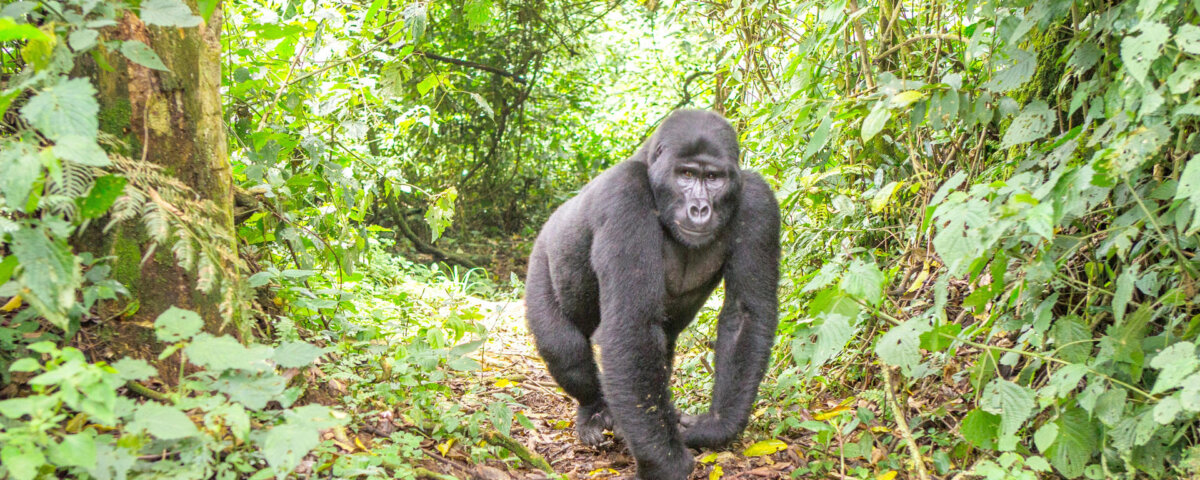
Bwindi Gorilla Trekking and Chimpanzee Tracking Combo
Bwindi gorilla trekking and chimpanzee tracking combo safaris offer one of the most exciting wildlife experiences in Africa. This adventure combines two of Uganda’s top primate activities into one unforgettable journey. Travelers explore thick tropical forests, encounter endangered mountain gorillas, and follow playful chimpanzees in their natural habitat. As a result, visitors enjoy a deeper connection with nature while discovering the beauty of Uganda’s diverse landscapes.
Uganda stands among the best destinations for primate tourism in Africa. The country protects nearly half of the world’s remaining mountain gorillas and also supports large chimpanzee populations. Therefore, a Bwindi gorilla trekking and chimpanzee tracking combo gives travelers the chance to experience two iconic primates during one safari. In addition, the trip introduces visitors to rich African cultures, scenic countryside, crater lakes, waterfalls, and incredible biodiversity.
This safari suits adventure seekers, wildlife lovers, photographers, honeymooners, families, and conservation travelers. Moreover, the experience creates lasting memories because every trek feels unique. Gorilla families behave differently, while chimpanzees remain energetic and unpredictable. Consequently, no two safaris feel exactly the same.
Uganda’s warm hospitality also makes the journey even more rewarding. Visitors enjoy comfortable lodges, delicious local cuisine, experienced guides, and safe travel routes. Most importantly, tourism revenue supports wildlife conservation and community development around national parks. Because of this, every safari contributes directly to protecting endangered species and improving local livelihoods.
Why Choose a Bwindi Gorilla Trekking and Chimpanzee Tracking Combo
A Bwindi gorilla trekking and chimpanzee tracking combo offers excellent value for travelers who want to maximize their Uganda safari experience. Instead of focusing on one activity, visitors explore two different primate habitats during a single trip. Consequently, the safari becomes more exciting, educational, and rewarding.
Mountain gorillas and chimpanzees behave very differently. Gorillas move slowly and spend much of their time feeding, resting, and grooming. In contrast, chimpanzees remain highly active, noisy, and playful. Therefore, combining both experiences creates a balanced wildlife adventure that showcases the diversity of Uganda’s forests.
Another advantage involves the scenic journey between destinations. Travelers pass through rolling hills, tea plantations, banana farms, local villages, and beautiful valleys. Along the way, visitors enjoy authentic cultural encounters and breathtaking photography opportunities. Furthermore, the changing landscapes make long drives more enjoyable.
Experience Uganda safaris
18 Days Best Uganda Adventure Safaris
14-Days Uganda Gorillas & Wildlife Tour
12 Days Gorillas, Chimps & Wildlife Safari
10 days Uganda primates & wildlife safari
10 Days Uganda Gorillas and Game Safari
7 Days Gorillas & Wildlife Safari
6 Days Gorillas and Chimps Trek Safari
3 Day Bwindi Gorilla Trekking Safari
4 Days Gorilla Trekking & Boat Cruise
Bwindi Impenetrable National Park Experience
Bwindi Impenetrable National Park ranks among Africa’s most famous wildlife destinations. Located in southwestern Uganda, this UNESCO World Heritage Site protects ancient rainforest ecosystems and endangered mountain gorillas. The forest covers steep hills, misty valleys, waterfalls, and thick vegetation that create a magical safari atmosphere.
Gorilla trekking begins early in the morning with a briefing from park rangers. Visitors learn trekking rules, safety guidelines, and gorilla conservation information before entering the forest. Afterward, experienced guides lead small groups through dense jungle trails in search of habituated gorilla families.
The trek may last between one and six hours depending on the gorillas’ location. Although the hike sometimes becomes challenging, the experience remains extremely rewarding. Travelers walk through muddy trails, cross streams, climb hills, and listen to forest sounds along the way. Meanwhile, guides identify birds, butterflies, monkeys, and medicinal plants inside the forest.
The highlight comes when trekkers finally meet a gorilla family. Watching giant silverbacks, playful juveniles, and caring mothers from close range creates an emotional and unforgettable wildlife encounter. Visitors spend one hour observing the gorillas as they feed, communicate, and interact naturally.
Bwindi also offers incredible biodiversity beyond gorillas. The park supports over 350 bird species, forest elephants, monkeys, antelopes, and colorful butterflies. Consequently, nature lovers enjoy much more than gorilla trekking alone.
The surrounding communities add cultural value to the safari. Visitors can explore Batwa cultural experiences, local markets, traditional dances, and village walks. These interactions provide deeper insight into Uganda’s heritage while supporting local livelihoods.
Bwindi gorilla trekking remains one of Africa’s greatest wildlife adventures because it combines conservation, adventure, culture, and rare primate encounters in one extraordinary destination.
Chimpanzee Tracking Experience in Uganda
Chimpanzee tracking adds excitement, energy, and diversity to Uganda safaris. Unlike gorillas, chimpanzees move quickly through forest canopies while communicating loudly with screams, hoots, and drumming sounds. Therefore, tracking them feels adventurous and dynamic.
Kibale Forest National Park remains Uganda’s top chimpanzee tracking destination. The forest protects one of Africa’s largest chimpanzee populations alongside numerous monkey species, birds, butterflies, and tropical plants. Because of its rich biodiversity, Kibale attracts wildlife enthusiasts from around the world.
Chimpanzee tracking starts with an early morning briefing from expert guides. Visitors then enter the forest to search for habituated chimpanzee communities. Rangers use vocal calls, nests, and movement patterns to locate the chimpanzees. Once found, travelers observe them feeding, climbing trees, grooming, hunting, and interacting socially.
Chimpanzees share close genetic similarities with humans. Consequently, many visitors feel fascinated by their intelligence, facial expressions, and social behavior. Watching them use tools, care for young ones, and communicate with each other creates an educational and emotional experience.
Besides Kibale Forest, travelers can also enjoy chimpanzee tracking in Kyambura Gorge within Queen Elizabeth National Park or Budongo Forest near Murchison Falls National Park. Each location offers unique scenery and different forest ecosystems.
Chimpanzee tracking usually involves easier hiking conditions than gorilla trekking. However, the fast-moving primates often require quick movements and close attention from visitors. Therefore, comfortable hiking shoes and good physical fitness still improve the experience.
Additionally, Uganda’s forests support many other primates including red-tailed monkeys, vervet monkeys, black-and-white colobus monkeys, and L’Hoest’s monkeys. As a result, chimpanzee tracking becomes part of a broader primate safari adventure.
The experience leaves travelers with lasting appreciation for Africa’s wildlife conservation efforts and the importance of protecting natural habitats for future generations.
Best Time for Bwindi Gorilla Trekking and Chimpanzee Tracking Combo
Travelers can enjoy Bwindi gorilla trekking and chimpanzee tracking combo safaris throughout the year. However, weather conditions influence trekking experiences, photography opportunities, and forest accessibility. Therefore, understanding Uganda’s seasons helps visitors plan better safaris.
The dry seasons from June to September and December to February provide the best trekking conditions. During these months, trails remain less muddy, forests become easier to navigate, and wildlife viewing improves. Consequently, many travelers prefer visiting Uganda during these periods.
Dry conditions also create better photography opportunities because sunlight filters through the forest more clearly. In addition, reduced rainfall allows visitors to enjoy scenic drives between safari destinations without major travel disruptions.
However, the rainy seasons from March to May and October to November also offer unique advantages. Forests appear greener, landscapes become more beautiful, and tourist crowds decrease significantly. As a result, travelers enjoy quieter safari experiences and more lodge availability.
Gorilla trekking and chimpanzee tracking continue during rainy months because primates remain active year-round. In fact, gorillas sometimes stay closer to lower slopes during wet seasons due to food availability. Therefore, some treks may become shorter.
Travelers should pack waterproof hiking boots, rain jackets, long trousers, gloves, insect repellent, and layered clothing regardless of travel season. Weather changes quickly in tropical forests, especially in Bwindi’s high-altitude environment.
Chimpanzee tracking works particularly well during early morning hours because chimpanzees remain highly active after leaving their nests. Likewise, gorilla trekking begins early before afternoon rains become stronger.
Booking permits and accommodation early remains important during peak travel seasons because demand increases significantly. Gorilla permits especially sell out quickly due to limited daily visitor numbers.
Choosing the right season depends on personal travel preferences, budget, and desired safari conditions. Nevertheless, Uganda delivers incredible primate experiences throughout the year.
What to Pack for the Safari
Packing properly improves comfort, safety, and enjoyment during a Bwindi gorilla trekking and chimpanzee tracking combo safari. Forest environments often involve muddy trails, changing weather, steep slopes, and dense vegetation. Therefore, travelers need practical safari gear.
Good hiking boots remain essential for both gorilla trekking and chimpanzee tracking. Waterproof boots with strong grip help visitors walk safely on slippery forest trails. Additionally, long hiking socks provide extra comfort and protection.
Lightweight long-sleeved shirts and long trousers protect against insects, thorny plants, and sun exposure. Neutral safari colors such as green, brown, and khaki work best because they blend naturally with forest surroundings. Furthermore, breathable fabrics improve comfort during long treks.
Rain jackets or ponchos also remain important because tropical forests experience sudden rainfall. Even during dry seasons, brief showers can occur unexpectedly. Therefore, waterproof gear helps travelers stay comfortable throughout the trek.
Travelers should also carry gardening gloves for gripping vegetation while climbing steep slopes. A small backpack works well for carrying water, snacks, cameras, and personal items during hikes.
Insect repellent helps reduce mosquito bites and improves comfort inside forest areas. Sunscreen, sunglasses, and hats also protect against strong sunlight during transfers between destinations.
Photography enthusiasts should carry cameras with extra batteries and waterproof protection. However, flash photography remains prohibited around gorillas and chimpanzees because it may disturb the animals.
Travel insurance, passports, vaccination certificates, and gorilla permits should remain easily accessible during the safari. Moreover, travelers should carry some cash for tips, souvenirs, and community visits.
Physical fitness also matters because trekking involves walking on uneven terrain for several hours. Although guides adjust pace according to group ability, regular walking or light exercise before travel improves the overall experience.
Packing wisely allows travelers to focus fully on enjoying Uganda’s incredible primate adventures without unnecessary discomfort or inconvenience.
Conservation and Community Impact
Bwindi gorilla trekking and chimpanzee tracking combo safaris play a major role in wildlife conservation and community development across Uganda. Tourism revenue directly supports protected areas, conservation programs, ranger salaries, and anti-poaching operations. Consequently, responsible tourism helps secure the future of endangered primates.
Mountain gorillas once faced severe threats from habitat destruction, poaching, and disease. However, conservation efforts supported by tourism have helped gorilla populations recover steadily over recent decades. Uganda now protects a significant portion of the world’s remaining mountain gorillas through strong conservation partnerships.
Chimpanzees also benefit from forest conservation and environmental education programs funded partly through tourism income. Forest protection safeguards biodiversity while preserving critical ecosystems for future generations.
Local communities surrounding national parks receive important economic opportunities through tourism activities. Many residents work as guides, lodge staff, drivers, dancers, craftsmen, and conservation workers. As a result, tourism improves household incomes and creates sustainable livelihoods.
Community tourism experiences also encourage cultural preservation. Visitors participate in village walks, traditional dance performances, coffee tours, and Batwa cultural experiences. These activities generate additional income while promoting local heritage.
Education and healthcare services around protected areas continue improving through tourism-supported projects. Many lodges and conservation organizations contribute to schools, clean water systems, health centers, and women empowerment initiatives. Therefore, tourism creates positive social impact beyond wildlife conservation alone.
Responsible travelers should respect park regulations, follow guide instructions, avoid littering, and maintain safe wildlife viewing distances. Additionally, supporting eco-friendly lodges and local businesses strengthens sustainable tourism development.
Uganda’s conservation success demonstrates how tourism can protect wildlife while improving community welfare. Consequently, every Bwindi gorilla trekking and chimpanzee tracking combo safari contributes to preserving Africa’s natural heritage.
Conclusion
Bwindi gorilla trekking and chimpanzee tracking combo safaris deliver one of Africa’s most powerful wildlife experiences. Travelers explore ancient rainforests, encounter endangered mountain gorillas, track energetic chimpanzees, and discover Uganda’s breathtaking landscapes. At the same time, visitors support conservation efforts and local communities through responsible tourism.
This safari combines adventure, education, culture, photography, and wildlife conservation into one unforgettable journey. Furthermore, the experience creates emotional connections with nature that remain memorable for a lifetime. From mist-covered forests in Bwindi to vibrant chimpanzee habitats in Kibale, every moment reveals the beauty and diversity of Uganda.
Uganda continues to stand among Africa’s leading primate safari destinations because of its exceptional biodiversity, professional guiding services, warm hospitality, and strong conservation commitment. Therefore, travelers seeking authentic African adventures find incredible value in this safari combination.
Bwindi gorilla trekking and chimpanzee tracking combo experiences offer much more than ordinary wildlife viewing. They create meaningful travel experiences that inspire conservation awareness, cultural appreciation, and lifelong memories for visitors from around the world.