Bwindi gorilla trekking & Batwa community tour
May 6, 2026
Bwindi gorilla trekking guided tours
May 6, 2026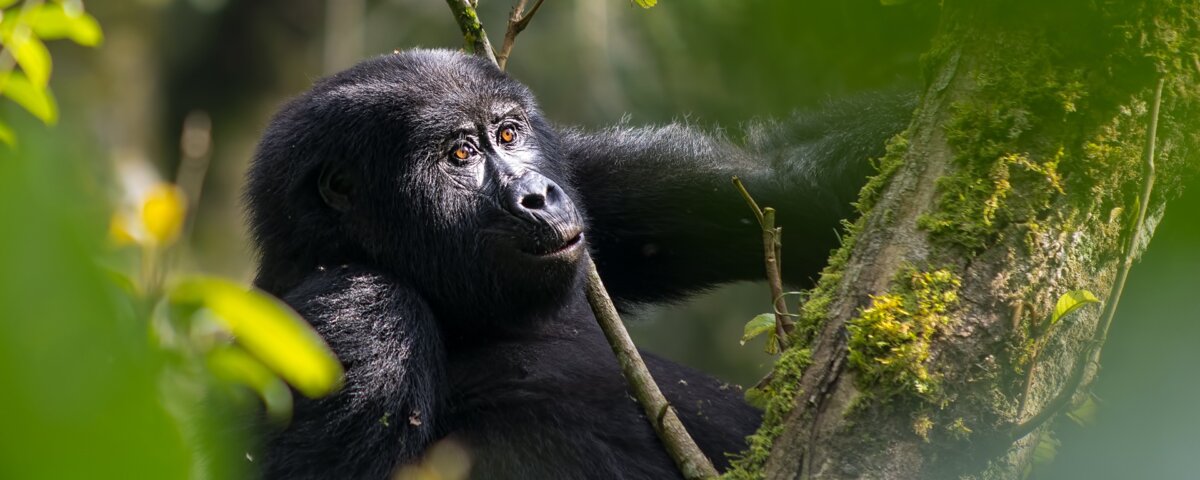
Bwindi Gorilla Trekking Photography Safari
A Bwindi gorilla trekking photography safari offers one of the most powerful wildlife experiences in Africa. You step into a dense rainforest, follow expert trackers, and come face to face with endangered mountain gorillas in their natural home. At the same time, you capture rare and emotional moments through your lens. This journey blends adventure, conservation, and storytelling into one unforgettable experience.
Bwindi Impenetrable Forest stands as a UNESCO World Heritage Site and protects nearly half of the world’s remaining mountain gorillas. Because of this, every trek feels exclusive and meaningful. More importantly, every photograph tells a deeper story about survival, family bonds, and conservation success. As you plan your Bwindi gorilla trekking photography safari, you position yourself to explore one of the most biodiverse forests on Earth while sharpening your photography skills in a truly wild setting.
Why Choose Bwindi for Gorilla Photography
Bwindi creates the perfect environment for gorilla photography. First, the forest hosts multiple habituated gorilla families, which increases your chances of close encounters. Unlike many wildlife destinations, Bwindi allows you to spend up to one hour with a gorilla group. That time gives you space to observe behavior, adjust your camera settings, and capture authentic moments.
In addition, the forest offers dramatic scenery. Thick vines, towering trees, and filtered light create a cinematic background. As a result, your photos gain depth and emotion. You can shoot portraits, wide-angle environmental shots, and action sequences all in one trek.
Moreover, Bwindi supports conservation through tourism. Every permit contributes directly to protecting gorillas and supporting local communities. Therefore, your photography safari does more than create memories. It also helps preserve a fragile ecosystem.
Finally, Bwindi remains accessible year-round. While conditions change with the seasons, each period offers unique lighting and photographic opportunities. For example, the rainy season enhances greenery, while the dry season provides easier trekking trails. Because of this variety, photographers can choose a season that fits their creative vision.
What to Expect on a Gorilla Trekking Experience
Your Bwindi gorilla trekking photography safari starts early in the morning. You arrive at the park headquarters for a briefing, where guides explain safety rules and trekking expectations. After that, rangers assign you to a gorilla family based on your fitness level and interests.
The trek itself can take anywhere from one to six hours. You walk through thick forest, climb hills, and cross streams. Along the way, trackers communicate with guides to locate the gorilla group. This process adds excitement and anticipation to your journey.
Once you find the gorillas, everything changes. You step quietly into their world and observe their daily life. You may see a silverback guarding the group, mothers feeding their young, or juveniles playing. During this one-hour encounter, you focus on capturing these natural behaviors without disturbing the animals.
At the same time, guides ensure that you maintain a safe distance and follow conservation rules. This balance between access and protection makes the experience both ethical and rewarding.
After the trek, you return to the starting point, often tired but deeply fulfilled. You carry not only photos but also a strong connection to the forest and its wildlife.
Essential Photography Gear for Bwindi
Packing the right gear improves your success on a Bwindi gorilla trekking photography safari. First, choose a reliable DSLR or mirrorless camera with strong low-light performance. Since the forest canopy blocks direct sunlight, you often shoot in dim conditions.
Next, carry a versatile lens. A 70–200mm lens works well for close portraits, while a 24–70mm lens helps you capture wider scenes. Because you cannot move freely around the gorillas, zoom flexibility becomes essential.
In addition, bring extra batteries and memory cards. The humid environment can drain batteries faster than expected. Therefore, preparation ensures that you never miss a moment.
You should also pack protective gear. A waterproof camera bag and rain cover protect your equipment from sudden showers. Lightweight clothing, sturdy hiking boots, and gloves help you stay comfortable during the trek.
Finally, avoid carrying heavy equipment. Since the trek can be demanding, a lighter setup allows you to move easily and stay focused on photography.
Best Camera Settings for Gorilla Photography
Understanding your camera settings makes a big difference during your Bwindi gorilla trekking photography safari. Because of low light, you should use a wide aperture, such as f/2.8 or f/4. This setting allows more light into your camera and creates a soft background.
At the same time, increase your ISO to maintain proper exposure. Modern cameras handle higher ISO levels well, so do not hesitate to adjust when needed. A faster shutter speed, around 1/250 or higher, helps you freeze movement, especially when gorillas interact or play.
In addition, use continuous autofocus to track moving subjects. Gorillas may shift positions quickly, so staying sharp becomes important. Shooting in burst mode also helps you capture the perfect expression or action.
White balance plays a role as well. The forest often casts a green tint, so adjusting your white balance improves color accuracy. Shooting in RAW format gives you flexibility to edit your images later without losing quality.
By combining these settings, you adapt to changing light conditions and capture powerful, detailed images.
Tips for Capturing Stunning Gorilla Images
To create impactful images during your Bwindi gorilla trekking photography safari, focus on storytelling. Instead of taking random shots, look for moments that show emotion and behavior. For example, capture a mother grooming her baby or a silverback displaying strength.
Positioning also matters. Whenever possible, shoot at eye level to create a stronger connection between the subject and the viewer. This angle adds intimacy and realism to your photos.
Lighting plays a key role as well. Use natural light to highlight textures and expressions. If light filters through the trees, position yourself to take advantage of it. Avoid using flash, as it can disturb the gorillas and disrupt the experience.
Patience brings better results. Sometimes, the best moments happen when you wait quietly and observe. Instead of rushing, take time to understand the group’s behavior.
Finally, respect the rules. Keep a safe distance and follow your guide’s instructions. Ethical photography ensures that gorillas remain undisturbed and continue to thrive in their natural habitat.
Best Time for a Photography Safari in Bwindi
Timing influences the quality of your Bwindi gorilla trekking photography safari. The dry seasons, from June to September and December to February, offer easier trekking conditions. Trails remain less slippery, and visibility improves, which helps you move and position yourself quickly.
However, the wet seasons also provide advantages. From March to May and October to November, the forest becomes lush and vibrant. The greenery creates a rich background for your photos, and fewer visitors mean a quieter experience.
Light conditions vary throughout the year. During cloudy days, soft light reduces harsh shadows and creates even exposure. On the other hand, sunny days can produce dramatic contrasts, especially when light breaks through the canopy.
Therefore, choosing the best time depends on your goals. If you prefer easier trekking and clearer paths, select the dry season. If you want vivid colors and fewer crowds, consider the rainy months.
Conservation and Responsible Tourism
A Bwindi gorilla trekking photography safari connects directly to conservation efforts. Mountain gorillas once faced a high risk of extinction. Today, their population shows signs of recovery, largely due to responsible tourism.
When you purchase a trekking permit, you support park management, anti-poaching efforts, and community development. This system creates a strong link between conservation and local livelihoods.
At the same time, strict rules protect the gorillas. Visitors must keep a safe distance, avoid flash photography, and follow hygiene guidelines. These measures reduce stress and prevent disease transmission.
In addition, local communities benefit from tourism. Many residents work as guides, porters, and lodge staff. As a result, they gain a direct interest in protecting the forest and its wildlife.
By choosing a responsible operator, you strengthen this positive impact. Your photography safari becomes more than an adventure. It becomes a contribution to preserving one of Africa’s most valuable ecosystems.
Planning Your Bwindi Gorilla Trekking Photography Safari
Careful planning ensures a smooth and rewarding Bwindi gorilla trekking photography safari. First, secure your gorilla permit in advance. Permits have limited availability, so early booking guarantees your spot.
Next, choose the right accommodation. Bwindi offers options ranging from budget lodges to luxury camps. Selecting a lodge near your trekking sector reduces travel time and allows you to rest properly before your trek.
Transportation also matters. You can reach Bwindi by road or domestic flight. While road travel offers scenic views, flights save time and provide comfort.
In addition, consider hiring a porter. Porters assist with carrying your gear and provide support during the trek. This service not only improves your experience but also supports local employment.
Finally, work with an experienced tour operator. A reliable operator handles logistics, provides expert guidance, and ensures that your safari meets international standards. This level of organization enhances both safety and enjoyment.
Conclusion
A Bwindi gorilla trekking photography safari delivers a rare blend of adventure, creativity, and conservation. You explore a pristine rainforest, encounter endangered mountain gorillas, and capture moments that few people ever witness. Each step of the journey brings you closer to nature while strengthening your skills as a storyteller through photography.
As you plan your Bwindi gorilla trekking photography safari, you invest in an experience that goes beyond travel. You create meaningful images, support conservation, and connect with one of Africa’s most iconic wildlife species. In the end, this safari leaves you with lasting memories, powerful photographs, and a deeper appreciation for the natural world.