What Is the Best Route to Climb Kilimanjaro
July 16, 2026
Can You Do Safari From Mombasa?
July 16, 2026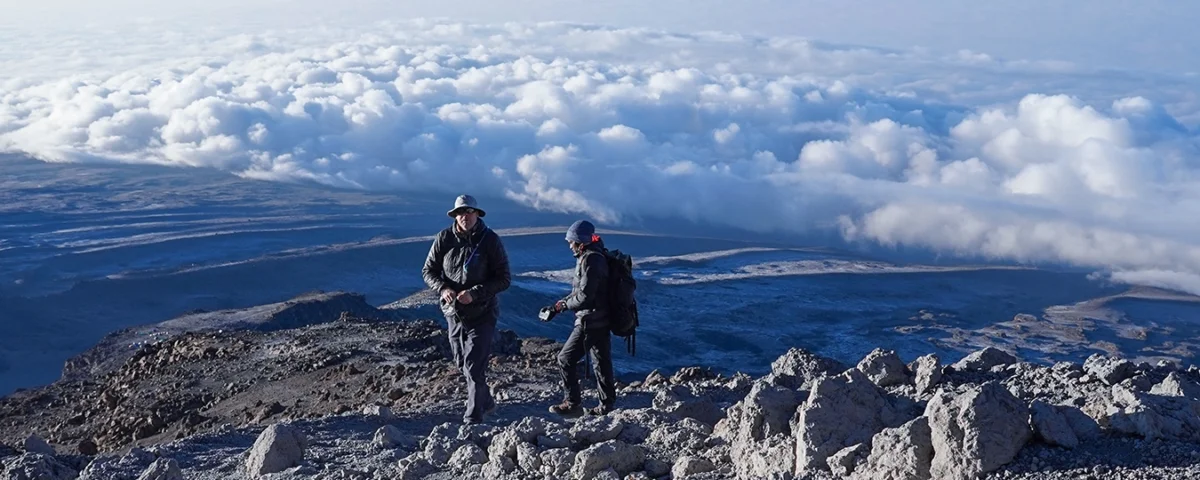
Can Beginners Climb Kilimanjaro
Many people dream of standing on the highest point in Africa, yet they often wonder, can beginners climb Kilimanjaro? The encouraging answer is yes. Every year, thousands of first-time hikers successfully reach the summit without having previous mountaineering experience. Mount Kilimanjaro is one of the few famous mountains in the world where beginners can achieve an incredible summit with proper preparation, determination, and guidance.
Unlike technical mountains that require ropes, climbing equipment, or advanced skills, Kilimanjaro is a trekking mountain. Climbers walk to the summit using well-established trails while professional mountain guides, porters, and cooks provide support throughout the journey. This makes the mountain accessible to travelers from many different backgrounds.
Success, however, depends on more than enthusiasm. Good physical preparation, choosing the right route, allowing enough time for acclimatization, and maintaining a positive attitude all contribute to a successful climb. Beginners who understand what to expect often perform just as well as experienced hikers.
Learning whether can beginners climb Kilimanjaro helps remove unnecessary fears while replacing them with confidence and realistic expectations. With careful planning and steady progress, climbing Africa’s tallest mountain becomes an achievable adventure that creates lifelong memories.
Why Kilimanjaro Is Suitable for Beginners
Mount Kilimanjaro stands out because it welcomes people with little or no climbing experience. While reaching 5,895 meters above sea level is a serious challenge, the mountain does not require technical mountaineering knowledge. Instead, climbers follow established hiking trails that gradually lead toward Uhuru Peak.
Professional support plays an important role in making the climb accessible. Licensed guides monitor each traveler’s health, set a comfortable walking pace, and provide valuable advice throughout the expedition. Porters carry most of the equipment, allowing climbers to focus on enjoying the journey rather than carrying heavy loads.
Another reason beginners succeed is the wide selection of climbing routes. Longer routes provide additional time for acclimatization, helping the body adjust to changing altitude. Better acclimatization increases summit success while reducing the effects of altitude sickness.
The mountain also rewards patience instead of speed. Experienced guides encourage climbers to walk slowly and steadily. This approach conserves energy, improves breathing, and allows beginners to build confidence every day.
Many first-time visitors discover that Kilimanjaro is less about athletic ability and more about consistency, preparation, and determination. These qualities make the mountain an excellent choice for adventurous travelers seeking their first high-altitude trekking experience.
What Fitness Level Do Beginners Need
A common question after asking can beginners climb Kilimanjaro concerns physical fitness. While you do not need to be an elite athlete, a reasonable level of fitness greatly improves both comfort and summit success.
The climb involves several consecutive days of hiking, often lasting between five and eight hours daily before the longer summit push. Good cardiovascular endurance helps your body handle these sustained efforts while reducing fatigue. Activities such as brisk walking, hiking, cycling, jogging, swimming, or stair climbing provide excellent preparation before departure.
Strength training also supports a successful climb. Exercises that improve leg strength, core stability, and balance make uneven trails easier to navigate. Practicing hikes with a light backpack helps simulate real trekking conditions while preparing your muscles for long days on the mountain.
Equally important is mental endurance. Climbing Kilimanjaro requires patience because progress happens gradually. Some days feel physically demanding, while altitude may slow your pace. Remaining positive and focusing on one step at a time often proves more valuable than exceptional athletic ability.
Most healthy adults who commit to regular training for several weeks or months before the expedition develop the fitness needed to enjoy the adventure and improve their chances of standing proudly at Africa’s highest summit.
Choosing the Best Kilimanjaro Route for Beginners
Selecting the right route significantly influences whether beginners enjoy a comfortable and successful climb. While every route reaches Uhuru Peak, some provide much better opportunities for acclimatization and gradual progress than others.
Many experienced mountain guides recommend the Lemosho Route for beginners. Its seven or eight-day itinerary allows climbers to adapt naturally to increasing altitude while offering outstanding scenery throughout the journey. Wide landscapes, diverse ecosystems, and a steady climbing pace make it one of the most beginner-friendly routes on Kilimanjaro.
The Machame Route is another excellent option. Although it includes some steeper sections, its “climb high, sleep low” approach supports acclimatization while rewarding climbers with spectacular panoramic views. Many first-time hikers successfully reach the summit using this route.
Travelers seeking additional comfort often choose the Marangu Route because it provides mountain huts instead of camping. However, beginners usually benefit from selecting the six-day itinerary rather than the shorter five-day version, giving the body more time to adjust.
Choosing the most suitable route becomes easier when experienced operators such as Giant Holiday Safaris help match each traveler with an itinerary that fits their fitness level, available time, and personal adventure goals.
Common Challenges First Time Climbers Face
Although beginners regularly reach the summit, understanding potential challenges helps create realistic expectations and better preparation. Fortunately, most difficulties can be managed successfully with proper planning and guidance.
Altitude is the biggest challenge for nearly every climber. As elevation increases, oxygen becomes less available, making breathing feel more difficult. Some beginners experience headaches, tiredness, or reduced appetite during the climb. Choosing longer routes and walking slowly help the body adapt more effectively.
Changing weather conditions also surprise many first-time visitors. Climbers may begin the journey in warm rainforest temperatures before reaching freezing conditions near the summit. Layered clothing allows quick adjustments as temperatures change throughout the expedition.
Long hiking days require physical and mental endurance. While the trails are generally non-technical, several consecutive days of walking can become tiring. Maintaining a comfortable pace, staying hydrated, eating nutritious meals, and resting properly each evening help preserve energy.
Finally, summit night presents the greatest physical test. Climbers begin before midnight and continue hiking for several hours in cold temperatures before sunrise. Despite the challenge, reaching Uhuru Peak after months of preparation creates an overwhelming sense of achievement that makes every difficult step worthwhile.
Tips to Help Beginners Reach the Summit
Once travelers understand can beginners climb Kilimanjaro, the next step is learning how to improve their chances of standing on Uhuru Peak. Success depends less on speed and more on preparation, consistency, and making smart decisions throughout the climb.
Training before your trip is one of the best ways to prepare. Regular hiking, walking, jogging, cycling, or stair climbing builds endurance and strengthens the muscles needed for several days of trekking. If possible, practice hiking on hills while carrying a small backpack to simulate mountain conditions.
Choosing a longer route also increases your likelihood of success. Routes such as Lemosho or the Northern Circuit provide extra time for acclimatization, allowing your body to adjust naturally to higher elevations. The additional days often make the climb more comfortable and enjoyable.
Hydration is equally important. Drinking plenty of water each day supports altitude adaptation and helps reduce fatigue. Eating balanced meals, even when your appetite decreases, also gives your body the energy needed for long trekking days.
Finally, trust your guides. Their experience helps determine the right pace, monitor your health, and keep the team motivated. Walking slowly, listening carefully, and staying positive throughout the journey greatly improve your chances of reaching the summit successfully.
What to Pack for Your First Kilimanjaro Climb
Packing wisely allows beginners to stay comfortable while facing Kilimanjaro’s constantly changing weather conditions. Because the mountain includes several climate zones, climbers need clothing that performs well in warm forests, cool moorlands, and freezing summit conditions.
Layered clothing works best. Moisture-wicking base layers keep your body dry, insulating mid-layers provide warmth, and waterproof outer layers protect against rain and wind. This combination allows quick adjustments as temperatures change throughout the expedition.
Comfortable hiking boots are essential. Boots should fit properly and already be broken in before your trip to prevent blisters. Thick hiking socks, gloves, warm hats, sunglasses, sunscreen, and trekking poles also improve comfort during long hiking days.
A quality daypack carries your daily essentials, including water, snacks, extra clothing, a camera, and personal items. Most larger equipment travels separately with porters, allowing climbers to focus on the trail without carrying excessive weight.
Small items often make a big difference. Lip balm, moisturizer, personal medications, energy snacks, a reusable water bottle, a headlamp with spare batteries, and a portable power bank all contribute to a smoother and more enjoyable climbing experience from the first day to the summit.
Combining Your First Kilimanjaro Climb with a Tanzania Safari
For many visitors, climbing Mount Kilimanjaro becomes only one part of an unforgettable Tanzanian adventure. After completing the trek, many beginners continue their journey by exploring the country’s world-famous national parks, creating the perfect balance between adventure and relaxation.
Northern Tanzania offers exceptional safari destinations located within easy reach of Mount Kilimanjaro. Visitors often travel to Tarangire National Park, Lake Manyara National Park, the Ngorongoro Conservation Area, or Serengeti National Park after their climb. Each destination introduces remarkable wildlife, diverse landscapes, and unforgettable game viewing opportunities.
This combination creates a rewarding contrast. The climb tests your determination and endurance, while the safari allows you to recover comfortably as you observe elephants, lions, giraffes, zebras, buffaloes, cheetahs, and many other animals in their natural habitats.
Some travelers also extend their holiday by visiting Zanzibar, where white sandy beaches and the warm Indian Ocean provide the perfect setting to celebrate reaching Africa’s highest summit.
Many first-time visitors discover that personalized itineraries arranged through Giant Holiday Safaris create a seamless experience, allowing them to combine trekking, wildlife safaris, and beach relaxation into one unforgettable journey through Tanzania.
Can Beginners Climb Kilimanjaro for an Unforgettable Adventure
After understanding the preparation, routes, challenges, and rewards, the answer to can beginners climb Kilimanjaro is clear. Yes, beginners can absolutely reach the summit with the right mindset, proper training, experienced guides, and a well-planned itinerary.
Mount Kilimanjaro offers something that few mountains can match. It welcomes first-time trekkers while still providing a genuine sense of adventure and accomplishment. Every day introduces new landscapes, fresh challenges, and unforgettable moments that gradually build confidence as you climb toward Uhuru Peak.
The journey also extends beyond the summit. Northern Tanzania offers incredible wildlife, welcoming communities, and breathtaking scenery that transform a mountain climb into a complete African adventure. Whether you continue to nearby safari parks or relax on Zanzibar’s beautiful beaches, your Kilimanjaro experience becomes even more meaningful.
Climbing the mountain teaches patience, determination, resilience, and appreciation for nature. Those lessons often remain long after the adventure ends, making Kilimanjaro one of the world’s most rewarding travel experiences.
Travelers who climb with Giant Holiday Safaris enjoy carefully planned itineraries, experienced mountain teams, and personalized support that help first-time climbers achieve their goals with confidence and comfort.
If you have been asking can beginners climb Kilimanjaro, the answer is yes. With preparation, determination, and the right guidance, even first-time hikers can stand on Africa’s highest peak and enjoy one of the most unforgettable adventures the continent has to offer.
Combined Uganda, Kenya, Rwanda and Tanzania Safaris
17 days Kenya Tanzania and Uganda safari
19 Days Uganda Kenya and Tanzania Safari
16 Days Kenya Tanzania and Uganda Safari
14 Days Kenya Uganda and Tanzania Safari
14 Days Kenya Uganda and Rwanda Safari