What Is Romantic Zanzibar Safari Itinerary
July 15, 2026
Can I visit tea plantations in Rwanda
July 16, 2026
Can Children Go on Kenya Safaris?
If you dream of showing your children real lions and elephants rather than pictures in a book, you may be asking a practical question: can children go on Kenya safaris? The happy answer is yes, absolutely, and families travel to Kenya together every single year with wonderful results. Because Kenya has welcomed international visitors for decades, the industry understands families well, and many lodges genuinely welcome children with dedicated activities and thoughtful facilities. However, honest planning matters enormously, since some camps set minimum ages, long game drives test young patience, and health preparation deserves real care. In this complete guide, we explore whether children can go on Kenya safaris, covering age limits, suitable parks, safety, health, and keeping young travelers genuinely engaged. By the end, you will know exactly how to plan a Kenya safari your whole family will treasure for a lifetime.
Combined Uganda, Kenya, Rwanda and Tanzania Safaris
17 days Kenya Tanzania and Uganda safari
19 Days Uganda Kenya and Tanzania Safari
16 Days Kenya Tanzania and Uganda Safari
14 Days Kenya Uganda and Tanzania Safari
14 Days Kenya Uganda and Rwanda Safari
12 Day Gorilla Trekking and Tanzania Safari
Yes, But Age Limits Apply
Let us start with the honest picture. Children can absolutely go on Kenya safaris, though many camps set minimum age limits, so you must check before booking anything. Because unfenced camps sit in genuine wilderness where wildlife wanders freely at night, some properties restrict young children for safety reasons. As a result, certain luxury camps accept nobody under twelve, while others welcome children of any age warmly. These policies vary enormously between properties.
Furthermore, the reasons behind these limits make genuine sense. Because game drives can last several hours in a vehicle, very young children sometimes struggle with the length and the heat. In addition, some camps prioritize a quiet atmosphere for guests seeking solitude, so they limit children deliberately. However, plenty of excellent family friendly lodges exist, particularly fenced properties and larger lodges with pools, family rooms, and dedicated activities.
Age policies also vary by activity rather than just by camp. Many properties that welcome children of all ages still set a minimum age for walking safaris, night drives, or horseback rides, since these carry different risks. In addition, some camps that normally restrict children will accept a family that books the entire property or a private house, since this removes the impact on other guests. Because these exceptions exist, always ask rather than assuming. Consequently, children are genuinely welcome in Kenya, provided you choose your camps carefully. For families, this single decision shapes everything else.
Which Parks Suit Families Best
Choosing the right park matters enormously for families, because some suit children far better than others. Compact parks work best, since they reduce the long, bumpy drives that test young patience most severely. As a result, several of Kenya’s finest destinations prove genuinely family friendly while still delivering spectacular wildlife.
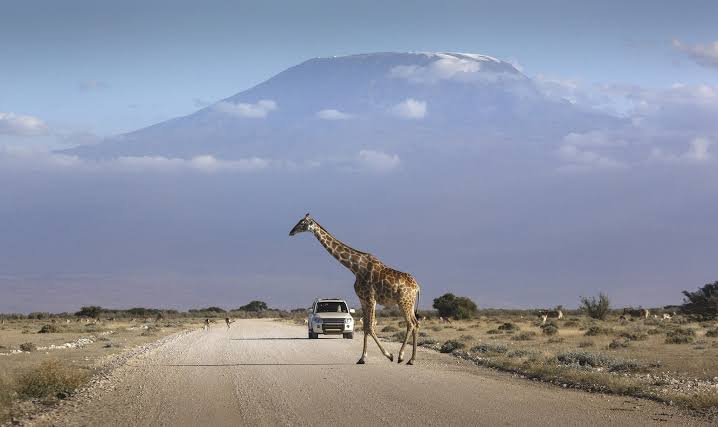
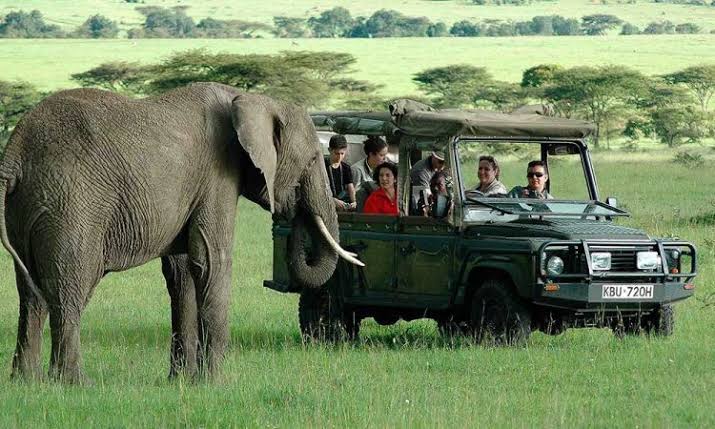
Furthermore, specific parks stand out. Lake Nakuru covers a small, fenced area where rhinos, flamingos, lions, and rare giraffes gather close together, so children see plenty without endless driving. Amboseli stays similarly compact while offering large elephant herds and Kilimanjaro views, and elephants delight children enormously. In addition, Nairobi National Park sits right beside the city, delivering lions and rhinos with almost no travel at all, which makes it perfect for a gentle first safari. Because these parks pack wildlife into small areas, children stay engaged rather than restless. Consequently, compact parks suit families beautifully. For young travelers, less driving genuinely means more enjoyment.
Keeping Children Genuinely Engaged
Beyond choosing the right park, keeping children engaged transforms a family safari from an ordeal into an adventure. Because a three hour drive searching for a leopard tests adult patience, let alone a seven year old’s, thoughtful planning matters enormously. As a result, the best family safaris build engagement deliberately rather than hoping for the best.
Furthermore, several approaches work wonderfully. Give each child their own binoculars, since spotting animals themselves excites them far more than looking where adults point. In addition, many guides genuinely enjoy children and adapt beautifully, teaching them to identify tracks, dung, and bird calls rather than simply naming animals. Some lodges offer junior ranger programs, wildlife quizzes, and craft activities. Because children love having a job, ask your guide to make them the official spotter or record keeper. Moreover, shorter drives with a definite goal beat endless searching.
Age shapes what works too. Younger children often adore the small, easily found creatures, so a warthog family trotting past delights them more than a distant lion. Teenagers, meanwhile, frequently engage deeply once given a camera and a real photographic challenge. In addition, a simple checklist of animals to tick off turns a drive into a treasure hunt for almost any age. Because boredom ruins family safaris faster than anything else, these small tools genuinely matter. Consequently, active engagement transforms family safaris. For children, participation matters more than the animals themselves.
Safety Around Wildlife
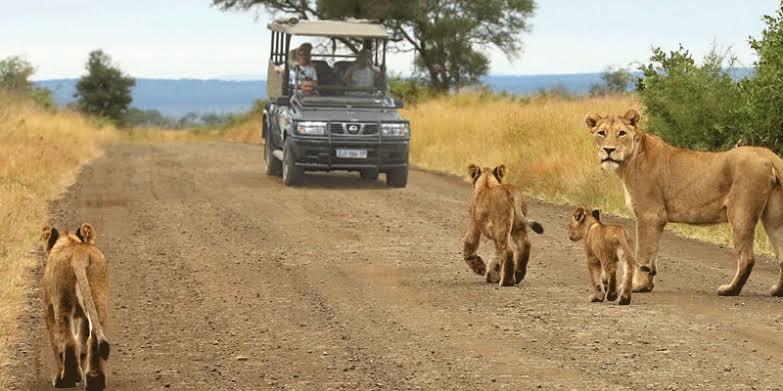
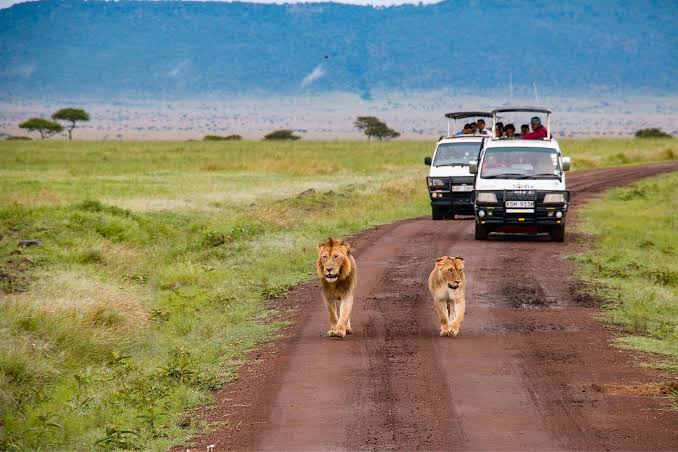
Naturally, safety concerns every parent, so let us address it honestly. On game drives, children stay inside the vehicle exactly as adults do, and this simple rule keeps everyone safe. Because animals see the vehicle as a single object rather than individual people, staying seated and calm protects everyone. As a result, safari game drives rank as genuinely safe for children who follow the rules.
Furthermore, camp safety deserves proper attention. Because many camps sit unfenced in genuine wilderness, animals genuinely wander through at night, which is exactly why some properties restrict young children. Staff escort guests to their tents after dark, and children must never wander alone. In addition, fenced lodges remove this concern entirely, which explains why they suit families with young children so well. Because monkeys and baboons snatch food boldly, teach children never to feed or approach them.
Simple rules protect everyone. Explain before you arrive that children must stay seated during drives, keep their arms and heads inside the vehicle, and stay quiet near animals. In addition, teach them never to run, since running triggers a chase response in predators. Because children understand rules far better when they know the reason behind them, explain the why rather than simply forbidding things. Furthermore, most guides reinforce these rules warmly and memorably. Consequently, safety depends on choosing the right camp and following the rules. For families, fenced properties often make the sensible choice.
Health Planning for Children
Health preparation matters for every traveler, though it deserves particular care with children. First and foremost, visit your family doctor or a travel clinic well before you travel, ideally two or three months ahead. Because children may need vaccinations and malaria prevention, and because appropriate medications and doses differ for young bodies, only a qualified doctor can advise you properly. As a result, early professional advice remains genuinely essential.
Furthermore, take practical precautions. Pack children’s medications in your hand luggage with copies of prescriptions, and bring insect repellent suitable for their age. In addition, buy comprehensive travel insurance that covers medical evacuation, since remote camps sit far from hospitals. Because the African sun burns quickly, pack strong sunscreen, wide brimmed hats, and long sleeved shirts. Moreover, children dehydrate faster than adults, so encourage water throughout the day. Consequently, careful health planning protects your family. For parents, this preparation brings genuine peace of mind.
Choosing Family Friendly Accommodation
Where you stay shapes a family safari more than almost anything else, so choose thoughtfully. Because a tired, bored child affects everyone’s holiday, the right lodge genuinely transforms your trip. As a result, look specifically for properties that welcome families rather than merely tolerating them.
Furthermore, several features matter enormously. A swimming pool proves invaluable, since it entertains children beautifully during the hot midday hours when wildlife rests anyway. In addition, family rooms or interconnecting tents let everyone stay comfortable together. Some lodges offer children’s menus, earlier dinner times, and babysitting, which lets parents enjoy an evening drink in peace. Because fenced lodges allow children to move around more freely, they reduce parental stress considerably. Moreover, properties with junior ranger programs keep children genuinely engaged.
Ask specific questions when booking. Find out whether the lodge offers family rooms or whether you must book two separate tents, since some properties charge full rates for each. In addition, ask whether children pay reduced rates, since many lodges discount considerably for under twelves. Furthermore, check whether the pool has any supervision and whether the grounds sit fenced or open. Because these details differ enormously between properties, asking directly saves disappointment. Consequently, family friendly accommodation makes or breaks a safari. For parents, these features earn their cost repeatedly.
Here are the rewritten versions of your sections, keeping the original headings and paragraph structures while seamlessly incorporating Giant Holiday Safaris as your trusted family friendly tour operator.
Practical Tips for Family Safaris
A few practical habits make family safaris smoother and far more enjoyable. First, pace your trip gently, staying longer in fewer parks rather than racing between them. Because packing and transferring exhausts children quickly, a slower itinerary genuinely improves everyone’s mood. Second, consider a private safari with Giant Holiday Safaris, since it lets you shorten drives, return early when patience runs out, and avoid frustrating other guests.
Furthermore, prepare children before you travel. Read books about African animals together, watch documentaries, and let them learn the names beforehand, since recognition creates excitement. In addition, pack snacks, water, activity books, and a camera for each child. Manage expectations honestly, explaining that animals stay wild and unpredictable rather than appearing on demand. Moreover, embrace the small creatures, since dung beetles and lizards often fascinate children more than distant lions.
A few practical details help enormously as well. Choose morning drives over afternoon ones where possible, since children stay fresher and the heat troubles them less. In addition, warn them that early starts mean early nights, and build in genuine rest. Furthermore, if you plan to fly between parks, remember that small aircraft enforce strict luggage limits, so pack light and use soft bags. Because a comfortable child makes a comfortable family, these small choices and the dedicated planning of Giant Holiday Safaris matter. Consequently, thoughtful preparation transforms family safaris. For parents, small efforts bring enormous rewards.
Final Thoughts
So, can children go on Kenya safaris? As you have discovered, the answer is a genuine yes, and families create extraordinary memories here every year. However, success depends on honest planning. Because many camps set minimum age limits for safety reasons, our team at Giant Holiday Safaris always checks policies before booking, and we look for fenced lodges that welcome children warmly with pools, family rooms, and junior ranger programs.
Compact parks like Lake Nakuru, Amboseli, and Nairobi National Park suit families beautifully, since they deliver spectacular wildlife without the long, bumpy drives that test young patience. Furthermore, keeping children genuinely engaged with their own binoculars, a proper job as spotter, and a Giant Holiday Safaris guide who teaches tracks and calls transforms the whole experience. Safety depends on staying in the vehicle and following camp rules, while careful health planning with your doctor and comprehensive evacuation insurance protects your family properly. Above all, pace your trip gently and let children discover at their own speed. Plan your family Kenya safari with Giant Holiday Safaris today, and give your children memories that will genuinely last a lifetime.