What Is the Best Tanzania Adventure Tour
July 19, 2026
Luxury Safari in Tanzania
July 19, 2026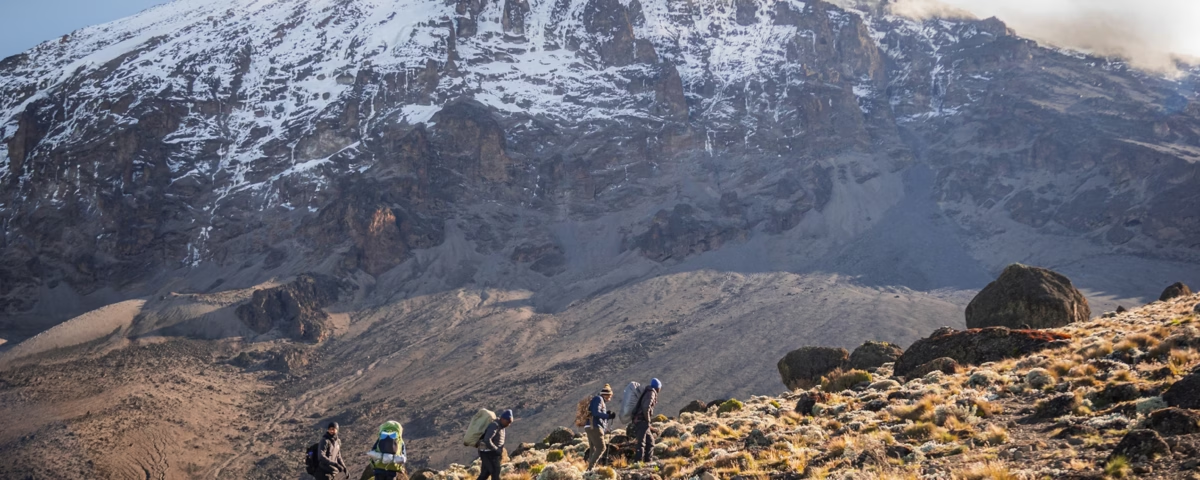
Can Families Climb Kilimanjaro
Climbing Mount Kilimanjaro is a dream for many travelers, and families often wonder whether they can share this unforgettable adventure together. One of the most common questions parents ask is, can families climb Kilimanjaro? The answer is yes. With proper planning, realistic expectations, and good preparation, many families successfully reach the summit while creating lifelong memories along the way. The experience offers more than just a physical challenge. It encourages teamwork, builds confidence, and allows families to experience one of Africa’s greatest natural wonders together.
Mount Kilimanjaro stands at 5,895 meters above sea level and attracts climbers from all over the world. Although reaching the summit requires determination, the mountain does not demand technical climbing skills. Instead, success depends on steady hiking, proper acclimatization, physical fitness and choosing the right itinerary.
Families who prepare well often discover that climbing Kilimanjaro strengthens relationships as everyone supports each other through changing weather, different landscapes, and the excitement of reaching the highest point in Africa.
Understanding can families climb Kilimanjaro helps parents make informed decisions about timing, route selection, safety, and overall preparation. With the right support and careful planning, this remarkable journey can become one of the most rewarding family adventures imaginable.
Can Families Climb Kilimanjaro Safely?
Safety is naturally the first concern for families considering a Kilimanjaro expedition. Fortunately, the mountain is considered one of the world’s most accessible high-altitude peaks because it requires trekking rather than technical climbing. Families who follow professional guidance and choose appropriate routes can enjoy a safe and rewarding experience.
The greatest challenge on Kilimanjaro is altitude rather than difficult terrain. As climbers gain elevation, oxygen levels decrease, making proper acclimatization extremely important. Families benefit from selecting longer itineraries that allow the body more time to adjust gradually to higher elevations.
Professional mountain guides carefully monitor each participant throughout the climb. They conduct daily health checks, observe symptoms of altitude sickness, and make decisions that prioritize everyone’s safety. Their experience becomes especially valuable when guiding younger climbers or families with different fitness levels.
Parents should also encourage a slow walking pace, regular hydration, nutritious meals, and adequate rest throughout the expedition. These simple habits greatly improve comfort and reduce fatigue during the climb.
With realistic expectations, experienced guides, and careful preparation, many families safely complete the Kilimanjaro climb while enjoying every stage of the adventure.
Minimum Age Requirements for Climbing Kilimanjaro
Before planning a family expedition, it is important to understand the official age requirements for climbing Mount Kilimanjaro. Tanzania National Parks currently require climbers to be at least 10 years old before attempting the mountain. This minimum age helps ensure that young climbers have the physical and emotional maturity needed for the journey.
Although children aged ten and above are eligible, age alone does not determine readiness. Parents should also evaluate their child’s fitness level, hiking experience, attitude toward outdoor activities, and ability to handle several consecutive days of walking in changing weather conditions.
Teenagers often perform exceptionally well on Kilimanjaro because they usually adapt quickly to physical activity while maintaining positive attitudes throughout the trek. However, every child develops differently, making individual readiness more important than simply meeting the minimum age requirement.
Parents should also discuss the climb honestly with their children before booking. Understanding the daily hiking distances, camping conditions, early morning summit attempt, and changing temperatures helps set realistic expectations for everyone involved.
Choosing the right time to climb ensures that every family member enjoys the experience while remaining physically and mentally prepared for the adventure ahead.
How Families Can Prepare for the Climb
Good preparation gives families the best opportunity to enjoy their Kilimanjaro adventure while increasing their chances of reaching the summit successfully. Training should begin several months before departure and gradually build endurance rather than focusing only on strength.
Regular family walks, hiking trails, stair climbing, cycling, swimming, and other aerobic activities improve cardiovascular fitness while allowing everyone to spend quality time together. Weekend hikes carrying small backpacks also help children become comfortable walking for longer periods.
Preparing mentally is equally important. Families should discuss daily routines on the mountain, camping conditions, weather changes, and the importance of maintaining a slow, steady pace. Building realistic expectations reduces anxiety while increasing confidence before the trip begins.
Packing together also helps children understand what equipment they will use during the expedition. Comfortable hiking boots should always be worn well before departure to prevent blisters during the climb.
Many families planning their Kilimanjaro adventure through Giant Holiday Safaris receive detailed preparation guides covering fitness, packing lists, equipment recommendations, travel logistics, and mountain safety. Careful preparation allows every family member to arrive in Tanzania feeling confident and excited for the journey ahead.
Best Kilimanjaro Routes for Families
Choosing the right route plays a major role in determining whether a family enjoys a successful Kilimanjaro experience. While several routes reach the summit, some are better suited to families because they provide more time for acclimatization and a gentler hiking pace.
The Lemosho Route is often considered one of the best choices for families. Lasting seven or eight days, it allows gradual altitude gain while offering spectacular scenery and excellent summit success rates. The slower pace gives younger climbers more time to adjust to higher elevations.
The Machame Route also provides beautiful landscapes but includes steeper sections that may challenge less experienced hikers. Families with active teenagers and good hiking experience often enjoy this route.
The Northern Circuit offers the longest itinerary and the best acclimatization opportunities. Although it requires more days on the mountain, the slower schedule improves comfort and significantly increases summit success for many climbers.
Regardless of the chosen route, families should prioritize safety over speed. A longer itinerary may cost more, but it provides valuable acclimatization time while making the entire journey more enjoyable for climbers of different ages and fitness levels.
Safety Tips for Families Climbing Kilimanjaro
Safety should remain the highest priority throughout every stage of a family Kilimanjaro expedition. While the mountain is non-technical, its high altitude demands careful planning, good judgment, and steady progress. Following simple safety practices allows every family member to enjoy the adventure with greater confidence.
The most important rule is to climb slowly. Guides often encourage hikers to maintain a comfortable pace because gradual movement helps the body adjust to increasing altitude. Families should resist the temptation to rush, even when everyone feels energetic during the early days of the trek.
Staying hydrated also plays a vital role. Drinking plenty of water throughout the day supports acclimatization and helps reduce the risk of altitude-related discomfort. Eating regular, balanced meals provides the energy needed for several consecutive days of hiking.
Parents should encourage children to communicate openly about how they feel. Even minor symptoms such as headaches, unusual tiredness, dizziness, or nausea should be shared with the guide immediately. Early communication allows guides to respond quickly and make safe decisions.
Adequate rest, warm clothing, proper layering, sunscreen, and quality hiking boots also contribute to a comfortable and safe climbing experience. Small daily habits often make the biggest difference during a high-altitude adventure.
Combining a Family Kilimanjaro Climb with a Tanzania Safari
Many families choose to extend their mountain adventure by exploring Tanzania’s famous national parks. Combining Kilimanjaro with a safari creates a well-balanced holiday that offers physical achievement followed by relaxation and unforgettable wildlife encounters.
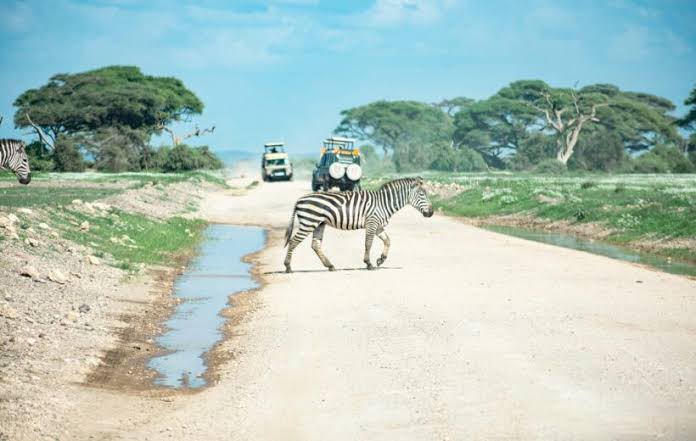
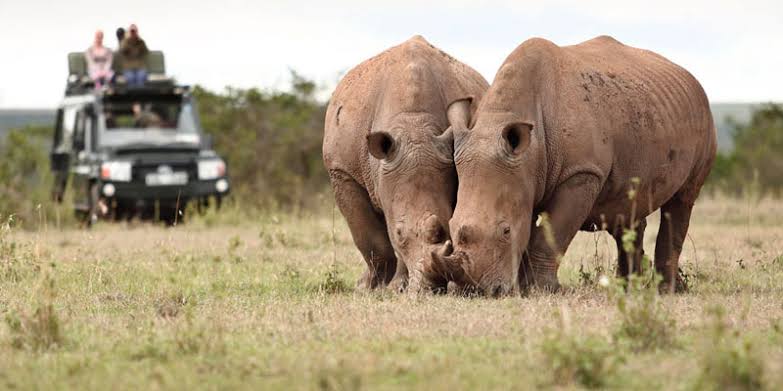
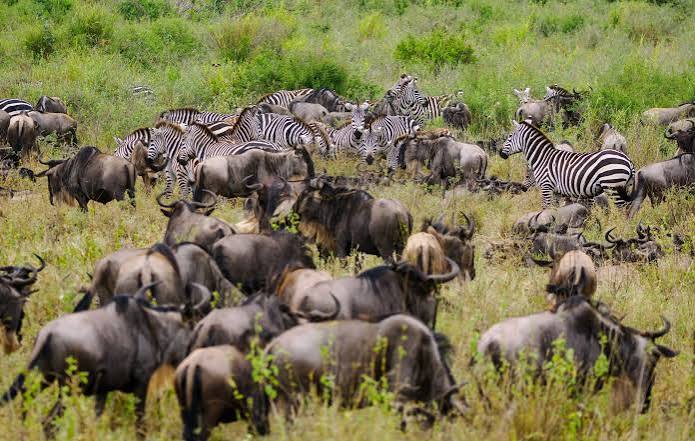
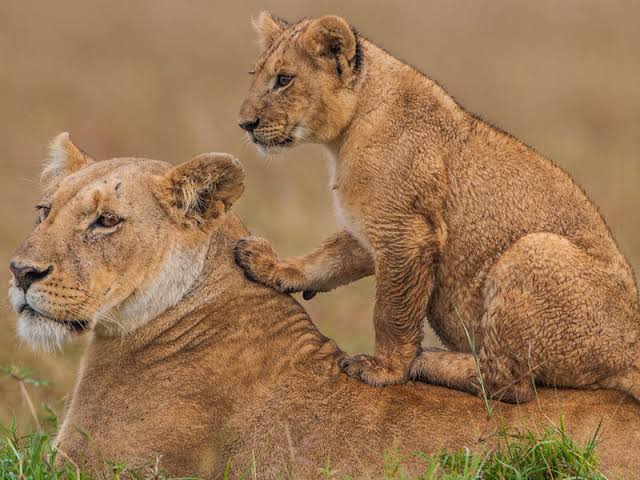
After several days of trekking, a safari provides a slower pace while allowing families to enjoy Africa’s remarkable animals from the comfort of a safari vehicle. Children often find this transition especially exciting because every game drive offers opportunities to spot elephants, lions, giraffes, zebras, buffaloes, cheetahs, and many other fascinating species.
Popular safari destinations include Tarangire National Park, Serengeti National Park, Lake Manyara National Park, and the Ngorongoro Conservation Area. Each destination offers unique landscapes and wildlife experiences that complement the mountain adventure perfectly.
A combined itinerary also makes international travel more worthwhile. Families can experience mountain climbing, wildlife viewing, local culture, and beautiful scenery during one carefully planned vacation rather than arranging separate trips.
Many family holidays organized through Giant Holiday Safaris combine carefully selected Kilimanjaro routes with child-friendly safari itineraries, allowing parents and children to experience two of Tanzania’s greatest attractions in one seamless journey.
Common Mistakes Families Should Avoid
Good planning helps families avoid common mistakes that can make the Kilimanjaro climb more difficult than necessary. Understanding these challenges before departure allows everyone to prepare more effectively.
One frequent mistake is choosing the shortest climbing itinerary to reduce costs or save time. Although shorter routes appear attractive, they often provide less opportunity for acclimatization. Longer routes generally improve both comfort and summit success.
Another mistake is underestimating the importance of physical preparation. Every family member should participate in regular exercise before traveling. Building endurance through walking, hiking, cycling, or swimming helps make the climb far more enjoyable.
Packing inappropriate clothing also creates unnecessary discomfort. Temperatures change dramatically during the climb, making proper layering essential. Waterproof outerwear, warm clothing, gloves, hats, and quality hiking boots should always be included.
Some families also forget to involve children in trip preparation. Explaining daily routines, mountain conditions, and realistic expectations helps younger climbers stay motivated throughout the journey.
Finally, avoid comparing your family’s progress with other climbing groups. Every team moves at its own pace, and reaching the summit safely remains far more important than climbing quickly.
Can Families Climb Kilimanjaro Successfully?
After exploring every aspect of this remarkable adventure, the answer to can families climb Kilimanjaro is a confident yes. Families who prepare carefully, train consistently, choose suitable routes, and work with experienced guides often enjoy one of the most meaningful adventures they will ever share.
The journey offers far more than reaching Africa’s highest summit. It teaches perseverance, teamwork, patience, and mutual encouragement while creating unforgettable memories that remain with every family member for years. Each day on the mountain presents new landscapes, fresh challenges, and rewarding achievements that strengthen family bonds.
Success begins long before arriving in Tanzania. Careful planning, realistic expectations, proper equipment, and physical preparation all contribute to a safer and more enjoyable climbing experience. Selecting an itinerary with enough acclimatization time further improves comfort and increases the chances of reaching Uhuru Peak.
After the climb, many families continue their holiday by exploring Tanzania’s incredible wildlife parks, creating a complete adventure that combines mountain trekking with world-class safari experiences.
If you have been wondering can families climb Kilimanjaro, the answer depends on thoughtful preparation, teamwork, and choosing the right support. With professional guidance from Giant Holiday Safaris, families can confidently take on this extraordinary challenge and create unforgettable memories while standing together on the Roof of Africa.
Combined Uganda, Kenya, Rwanda and Tanzania Safaris
17 days Kenya Tanzania and Uganda safari
19 Days Uganda Kenya and Tanzania Safari
16 Days Kenya Tanzania and Uganda Safari
14 Days Kenya Uganda and Tanzania Safari
14 Days Kenya Uganda and Rwanda Safari