Which Uganda parks are best for photography
July 31, 2026
Are night game drives available in Uganda
July 31, 2026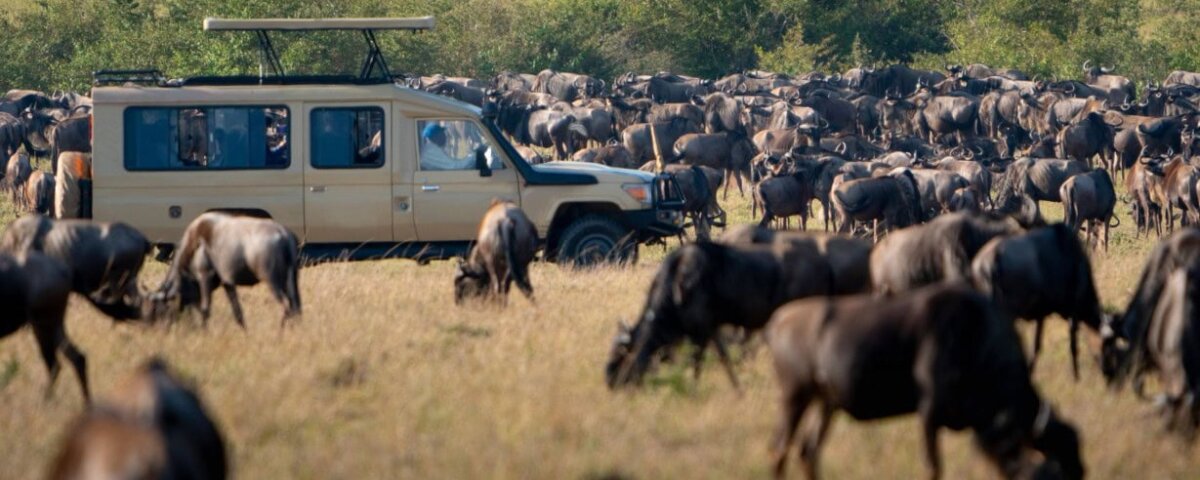
Can Families See the Great Migration
Yes, families can see the Great Migration, and Tanzania offers one of the best settings in Africa for a family wildlife adventure. The experience can give children and parents a chance to witness one of nature’s most remarkable journeys while exploring the open plains of the Serengeti. However, a successful family migration safari requires thoughtful planning because the herds move across a large ecosystem and the experience can involve long game drives. Families should choose the right travel season, accommodation, safari region, and daily schedule to make the journey comfortable for everyone. The age of the children also matters because younger travelers may need shorter drives and more rest between activities. With the right planning, families can enjoy incredible wildlife encounters without feeling rushed or overwhelmed. The Great Migration also offers valuable lessons about nature, animal behavior, conservation, and the delicate balance of life in the African wilderness. Therefore, families can absolutely enjoy the migration, especially when they plan the safari around their children’s needs and interests.
Combined Uganda, Kenya, Rwanda and Tanzania Safaris
17 days Kenya Tanzania and Uganda safari
19 Days Uganda Kenya and Tanzania Safari
16 Days Kenya Tanzania and Uganda Safari
14 Days Kenya Uganda and Tanzania Safari
14 Days Kenya Uganda and Rwanda Safari
12 Day Gorilla Trekking and Tanzania Safari
Why the Great Migration Is Suitable for Family Safaris
The Great Migration can create a memorable family experience because it combines wildlife hence answering whether families can see the Great Migration, adventure, education, and time in nature. Children often find it exciting to watch thousands of wildebeest and zebras moving across the plains. At the same time, parents can enjoy the chance to introduce their children to one of the world’s most important natural ecosystems.
A family safari also creates opportunities for children to learn outside a classroom. They can see how animals interact, understand why herbivores follow seasonal food sources, and observe how predators survive in the wild. These experiences can make wildlife conservation feel real and meaningful.
However, families should choose their itinerary carefully. The migration covers a large area, so moving between distant locations can take time. Younger children may struggle with long drives, especially if the itinerary includes too many destinations.
Therefore, a family migration safari should focus on a comfortable pace. Spending several nights in one location can reduce travel fatigue and give children time to settle into the safari environment.
Parents should also choose camps and lodges that welcome families. Some properties offer family rooms, connecting tents, swimming pools, children’s activities, and flexible meal arrangements. These features can make the entire journey easier and more enjoyable.
What Age Is Best for Children to See the Great Migration?
Families often wonder about the best age for children to experience the Great Migration. In reality, children of different ages can enjoy a safari, but the ideal itinerary changes depending on their age, energy levels, and interests.
Older children and teenagers often enjoy longer game drives because they can remain focused for more extended periods. They may also appreciate photography, birdwatching, wildlife tracking, and learning about conservation.
Younger children can still enjoy the experience, although parents should plan shorter activities and include enough breaks. A child who feels rested and comfortable will usually enjoy wildlife viewing much more than one who spends the day tired in a safari vehicle.
Parents should also prepare children before the trip. Explain that wild animals live freely and that sightings do not happen on demand. This helps children understand that safari requires patience.
A good guide can make a major difference. Skilled guides know how to engage young travelers and explain wildlife in simple, interesting ways. They can turn an ordinary game drive into an exciting learning experience.
Ultimately, there is no single perfect age for a migration safari. The best time depends on the child’s personality, the family’s travel style, and the way the itinerary balances adventure with rest.
Where Can Families See the Great Migration in Tanzania?
The Serengeti provides the main stage for families who want to experience the Great Migration in Tanzania. However, the best area depends on the time of year because the wildebeest move through different parts of the ecosystem.
During the calving season, the southern Serengeti and Ndutu area can offer excellent opportunities to see young wildebeest and large concentrations of animals. This period can provide families with a fascinating look at the early stages of life in the wild.
As the year progresses, the herds move toward the western and northern parts of the Serengeti. Families visiting later in the season may focus their safari around the northern Serengeti, especially if they hope to experience migration activity near the Mara River.
The central Serengeti can also provide excellent wildlife viewing because many resident animals remain in the area throughout the year. Therefore, families can still enjoy lions, leopards, elephants, giraffes, zebras, and other species even when the migrating herds move elsewhere.
The most important factor involves matching your destination with your travel dates. Giant Holiday Safaris can help families choose suitable safari regions based on seasonal wildlife movements, accommodation preferences, and the ages of their children.
Can Families See the Wildebeest During the Migration?
Families can see wildebeest during the Great Migration, but the exact experience depends on timing and location. The herds move according to rainfall and fresh grazing, so their movements do not follow a strict human schedule.
During certain periods, families may see huge groups spread across the plains. Watching thousands of animals moving together creates an unforgettable sight. At other times, the herds may gather in smaller groups or move through different areas.
This natural unpredictability forms part of the adventure. A safari does not operate like a zoo where animals stay in fixed locations. Instead, travelers enter a living ecosystem and observe wildlife in its natural environment.
Families should therefore avoid planning their entire trip around one specific sighting. Instead, they should focus on experiencing the wider Serengeti ecosystem.
Even if the migrating herds move away from a particular area, families can still enjoy exceptional wildlife. Lions may rest under trees, elephants may cross the plains, and giraffes may feed among acacia trees.
A good safari guide can also track recent wildlife movements and adjust the day’s game drive accordingly. This flexibility increases the chance of finding the animals while keeping the experience exciting.
Can Families See the Mara River Crossings?
Families can potentially see the famous Mara River crossings, but parents should understand that no safari company can guarantee a crossing on a specific day. The wildebeest decide when and where they cross, and their behavior depends on natural conditions.
The northern Serengeti becomes an important region during the migration season when the herds move toward the Mara River. Families who want to experience this part of the migration should plan to spend several nights in the area rather than visiting for only one night.
Patience matters. Wildebeest may gather near the river and then move away without crossing. They may also cross when travelers are exploring another part of the park.
For families with young children, the river crossing experience also requires consideration. Waiting for wildlife activity can take time, and the viewing environment may not suit every child.
Therefore, parents should consider their children’s patience and comfort before making river crossings the main goal of the trip.
The best approach involves treating a crossing as a special possibility rather than a guaranteed event. This mindset allows families to enjoy the broader migration experience without disappointment.
How Long Should a Family Migration Safari Last?
A family migration safari often works well when it lasts between five and ten days, depending on the children’s ages and the family’s travel goals. Five days can provide a focused introduction to Tanzania, while seven to ten days creates more time for wildlife viewing and relaxation.
Families should avoid trying to visit too many destinations within a short period. Long transfers can make children tired and reduce the amount of time available for actual wildlife viewing.
Instead, families can choose two or three key areas and spend several nights in each. This creates a slower rhythm and gives everyone time to enjoy the surroundings.
For example, a family might combine the Serengeti with Ngorongoro Crater. This creates variety without requiring constant movement. The crater provides a different landscape and concentrated wildlife viewing, while the Serengeti offers the open plains associated with the migration.
Families with more time can add Tarangire National Park or another destination. However, each addition should serve a clear purpose.
The goal should not simply involve visiting as many parks as possible. Instead, focus on creating a comfortable journey where children have enough time to rest, explore, and enjoy each destination.
What Makes a Family Migration Safari Comfortable?
Comfort plays an important role in the success of a family migration safari. Children usually enjoy safari more when they have enough rest, good food, and a comfortable place to sleep.
Families should therefore choose accommodation that suits their needs. Family tents, connecting rooms, private villas, and spacious lodges can provide greater comfort and privacy.
The location also matters. A property close to the main wildlife areas can reduce long daily drives. This means families can spend more time enjoying the animals and less time traveling between accommodation and wildlife viewing areas.
Meal flexibility can also help. Younger children may have different eating habits, so families should choose properties that can accommodate simple meals and special dietary needs.
Parents should also consider the daily schedule. Early morning game drives offer excellent wildlife activity, but children may need more sleep. A flexible itinerary can allow families to enjoy morning drives on some days and later starts on others.
A family friendly safari does not mean removing adventure. Instead, it means designing the journey so everyone can enjoy the adventure comfortably.
With thoughtful planning, parents can create a safari that feels exciting for children while remaining relaxing for adults.
What Can Children Learn From the Great Migration?
The Great Migration offers children a powerful opportunity to learn about nature through direct experience. Instead of reading about ecosystems in books, they can see animals moving across the plains and observe how different species depend on one another.
Children can learn about food chains by watching predators and herbivores share the same ecosystem. They can also understand how rainfall affects grazing patterns and why animals travel long distances to find food and water.
The migration can also introduce children to conservation. Tanzania protects large areas of wildlife habitat, and families can discuss why these ecosystems matter for animals and local communities.
Birdwatching adds another educational dimension. Children can learn to identify different bird species and understand their role within the environment.
Guides can make these lessons engaging by connecting facts to what children see around them. A simple explanation about animal tracks, dung, trees, or insects can turn an ordinary moment into a valuable learning experience.
This educational element makes a family migration safari more than a holiday. It becomes an experience that can influence how children understand wildlife and the natural world.
For many families, these lessons become some of the most meaningful memories of the trip.
Should Families Combine the Migration With Other Tanzania Experiences?
Combining the Great Migration with other Tanzania experiences can create a richer family holiday. The migration provides incredible wildlife viewing, but Tanzania offers much more than game drives.
Families can visit the Ngorongoro Conservation Area, where the landscape and wildlife create a different safari experience. They can also explore Tarangire National Park, known for its elephants and distinctive scenery.
Cultural experiences can add another valuable dimension. Depending on the itinerary, families may visit local communities and learn about traditional lifestyles, crafts, food, and daily life.
After the safari, some families choose to continue to Zanzibar. This creates a natural combination of adventure and relaxation. Children can enjoy the beach while parents take time to rest after several days of game drives.
However, families should avoid creating an itinerary that feels too busy. Each experience should complement the others.
A balanced journey might include several nights in the Serengeti, a visit to Ngorongoro, and a few days on the coast.
This approach allows families to experience different sides of Tanzania while keeping the pace manageable.
How Can Families Prepare Children for a Migration Safari?
Preparation can make a major difference to a child’s safari experience. Before traveling, parents should explain what a typical day may look like. Children should understand that game drives can last several hours and that wildlife sightings may require patience.
Parents can also introduce children to African wildlife before the trip. Books, documentaries, and simple wildlife guides can help them recognize animals and become excited about the journey.
Comfortable clothing also matters. Families should pack practical clothes suitable for changing temperatures, especially because mornings can feel cool while afternoons become warm.
Parents should also bring items that help children remain comfortable during longer drives. Snacks, water, binoculars, cameras, and simple wildlife journals can keep young travelers engaged.
Most importantly, parents should set realistic expectations. A safari involves wild animals, not staged performances. Some days may bring incredible sightings, while others may feel quieter.
The best preparation combines excitement with realistic expectations, helping children approach the safari with curiosity and respect.
Choosing the Right Safari Company for a Family Migration
Choosing the right safari company can strongly influence the quality of a family migration experience. Families should look for an operator that understands both wildlife and family travel.
A good company should help parents choose destinations based on travel dates rather than simply selling a fixed itinerary. The operator should also explain travel distances, accommodation standards, park rules, and realistic wildlife expectations.
Experienced guides matter just as much. A skilled guide can adjust the pace of game drives and communicate with children in an engaging way.
Families should also ask about vehicle comfort, emergency procedures, meal arrangements, and accommodation policies for children.
Transparency creates trust. Parents should understand what the safari includes before making a booking and should receive clear information about additional expenses.
Giant Holiday Safaris can position a family safari around practical needs such as children’s ages, preferred travel pace, wildlife interests, and accommodation choices.
Ultimately, families should choose a company that values safety, honest communication, responsible tourism, and personalized planning.
These qualities help create a smoother experience from the first planning conversation to the final day of the safari.
Creating Lasting Family Memories in the Serengeti
The answer to the question, can families see the Great Migration, is a clear yes. Families can experience the migration in Tanzania and create memories that stay with them for years. However, the quality of the experience depends on careful planning, realistic expectations, and choosing the right season and region.
The best family migration safari does not focus only on seeing the largest possible number of wildebeest. Instead, it creates opportunities for children and parents to connect with nature, learn about wildlife, enjoy comfortable accommodation, and experience Tanzania at a relaxed pace.
Families should consider their children’s ages, energy levels, and interests when choosing the itinerary. They should also allow enough time to explore without rushing between destinations.
Whether you watch wildebeest moving across the plains, observe lions resting after a hunt, or simply sit quietly as the Serengeti landscape changes around you, the experience can become deeply meaningful.
The Great Migration also teaches an important lesson about nature. Wildlife follows its own rhythm, and travelers must learn to slow down and observe.
Therefore, can families see the Great Migration? Absolutely. With thoughtful planning and the right expectations, a family migration safari can become an unforgettable journey that brings adventure, education, wildlife, and family connection together in one extraordinary Tanzania experience.