
Can I do a Kigali city tour in one day
July 6, 2026
What Is Serengeti National Park Famous For
July 7, 2026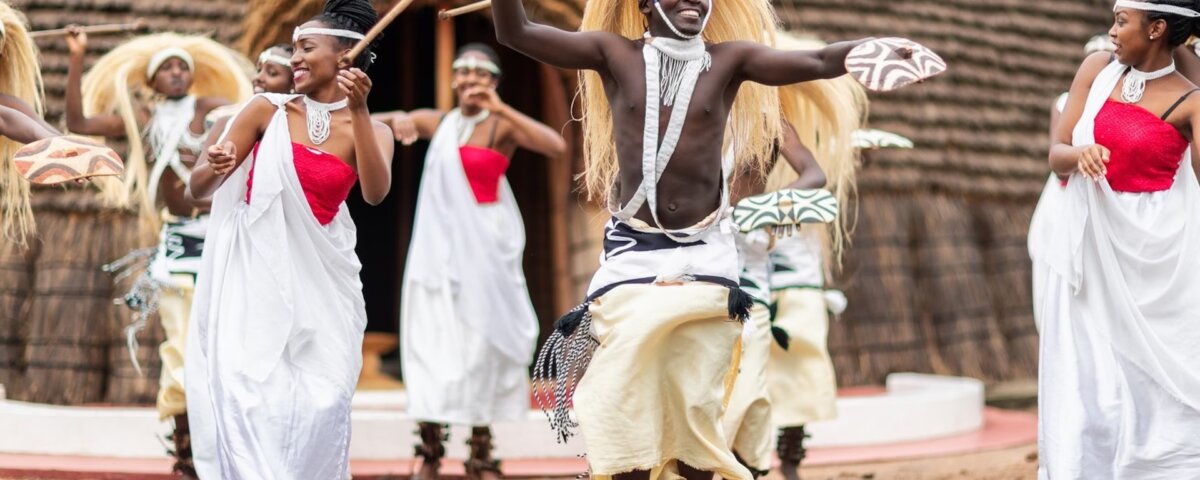
Can I Experience Traditional Dances in Rwanda?
Can I Experience Traditional Dances in Rwanda? Yes, you can experience traditional dances in Rwanda, and they remain one of the most exciting cultural activities for travelers visiting the country. Rwanda proudly preserves its cultural identity through energetic dance performances, powerful drumming, traditional songs, and storytelling. Visitors enjoy these experiences in cultural villages, community centers, hotels, festivals, and during local ceremonies across the country. Traditional dances in Rwanda create a deep connection between visitors and the country’s history, values, and daily life.
Rwandan dance performances showcase strength, discipline, unity, and celebration. The dancers wear colorful traditional clothing and move gracefully to the rhythm of drums and songs. Many performances also involve live drumming, which creates an unforgettable atmosphere for travelers. In addition, cultural experiences help visitors understand Rwanda beyond wildlife safaris and gorilla trekking. They reveal the heart of the nation and the warmth of its people.
Travelers seeking authentic African tourism experiences often include cultural encounters in their itineraries because they add meaning and emotional connection to the journey. Rwanda continues to grow as a leading cultural and eco-tourism destination in Africa, and traditional dance performances remain an important part of that experience.
Best Rwanda Gorilla Trekking Tours
7 Days wildlife & Gorilla Tour
What is the Importance of Traditional Dance in Rwanda?
Traditional dance plays a major role in preserving Rwanda’s cultural heritage and national identity. For generations, communities used dance to celebrate victories, honor leaders, mark harvest seasons, and strengthen social unity. Today, these dances continue to represent pride, resilience, and cultural continuity across Rwanda.
Rwandan traditional dances combine rhythm, storytelling, and symbolic movements. Every movement carries meaning and reflects important aspects of life such as courage, respect, family values, and community spirit. Dancers train carefully to master the movements, coordination, and expressions that make each performance unique and powerful.
Furthermore, traditional dance helps younger generations remain connected to their roots. Cultural groups across Rwanda continue teaching children and youth about traditional music and performance arts. As a result, Rwanda successfully protects its cultural traditions while sharing them with international visitors.
Tourists who attend these performances gain more than entertainment. They experience authentic African traditions and connect with local communities in a meaningful way. This cultural exchange enriches the travel experience and creates lasting memories. Rwanda’s commitment to preserving its cultural identity also strengthens its position as one of Africa’s most respected tourism destinations.
The Famous Intore Dance in Rwanda
The Intore dance stands as Rwanda’s most famous traditional dance and one of the country’s greatest cultural treasures. Historically, warriors performed the Intore dance to celebrate bravery, victory, and leadership. Today, it remains a symbol of strength, honor, and discipline in Rwandan culture.
The dancers wear grass wigs, beaded accessories, and traditional garments while performing graceful jumps and synchronized movements. Their choreography reflects the courage and confidence of ancient Rwandan warriors. At the same time, female dancers perform elegant movements that symbolize beauty, dignity, and harmony within the community.
The performance usually includes traditional drumming and singing, which create a powerful and emotional atmosphere. The drums control the pace and energy of the dance, while the songs preserve historical stories and cultural messages. Visitors often describe the experience as energetic, emotional, and unforgettable.
Many cultural centers, lodges, and tourism events in Rwanda organize Intore dance performances for travelers. Guests sometimes receive opportunities to interact with dancers, learn basic dance steps, and participate in drumming activities. These interactive moments make the cultural experience more personal and enjoyable for international visitors.
The Intore dance continues to attract travelers who seek authentic African cultural experiences. It highlights Rwanda’s deep respect for tradition while showcasing the beauty and spirit of the nation.
Where Can Tourists Experience Traditional Dances in Rwanda?
Travelers can experience traditional dances in several destinations across Rwanda. Many cultural centers and tourism sites organize performances that introduce visitors to local traditions, music, and storytelling. These experiences fit perfectly into safari holidays, city tours, and cultural itineraries.
One of the best places to enjoy traditional dance performances is the Iby’Iwacu Cultural Village near Volcanoes National Park. Visitors often combine gorilla trekking with cultural tours in this area. The cultural village offers dance performances, traditional drumming, local storytelling, and demonstrations of ancient Rwandan lifestyles. Guests also engage with local communities and learn about Rwanda’s history and customs.
In Kigali, many hotels and cultural venues organize evening cultural performances for tourists. Travelers visiting museums or attending conferences often enjoy traditional entertainment during dinner events and tourism programs. Rwanda’s capital city continues to promote cultural tourism as part of its growing hospitality industry.
Traditional dance performances also take place during national celebrations, festivals, and community events throughout the country. Travelers visiting during these periods experience a lively atmosphere filled with music, dance, and cultural pride. Additionally, some luxury lodges include cultural activities within their guest experiences, allowing travelers to enjoy both comfort and authentic cultural interaction.
These cultural experiences enrich Rwanda tourism and help visitors discover the country’s identity beyond wildlife attractions.
What is the Role of Music and Drumming in Traditional Dance?
Music and drumming form the foundation of traditional dances in Rwanda. Without the drums, the performances lose much of their energy, rhythm, and emotional impact. Drumming creates the heartbeat of Rwandan cultural performances and guides every movement made by the dancers.
Traditional drummers perform with incredible skill and coordination. They use large wooden drums that produce deep, powerful sounds capable of energizing entire audiences. The drummers maintain complex rhythms while dancers move in perfect harmony with the music. This combination creates a captivating cultural performance that keeps visitors fully engaged.
Songs also play an important role in traditional dance ceremonies. Many songs preserve historical stories, cultural values, and messages of unity and resilience. Through music, communities pass traditions from one generation to another while keeping their identity alive.
Tourists often enjoy interactive drumming sessions where they learn simple rhythms and participate in performances. These hands on experiences create stronger cultural connections and make visitors feel welcome within the community. In many cases, travelers leave Rwanda with a deeper appreciation for African music traditions and cultural expression.
Rwanda’s music and dance heritage continues to strengthen cultural tourism while promoting authentic travel experiences. Visitors seeking meaningful African adventures often find these performances among the most memorable parts of their journey.
Why do Traditional Dance Experiences Matter to Tourists?
Traditional dance experiences matter to tourists because they create emotional and cultural connections that go beyond sightseeing. Many travelers today seek authentic experiences that help them understand local cultures, traditions, and communities. Rwanda’s traditional dances provide exactly that kind of meaningful travel experience.
Cultural tourism allows visitors to engage directly with local people while learning about their heritage and values. Instead of only observing nature or visiting landmarks, travelers participate in living traditions that remain important in everyday life. These interactions create stronger memories and a deeper appreciation for Rwanda’s cultural richness.
Additionally, cultural tourism supports local communities and artists. Dance groups, drummers, and cultural centers benefit economically from tourism activities, which helps preserve traditional practices for future generations. As tourism grows in Rwanda, cultural experiences continue creating employment opportunities and encouraging community development.
Traditional dance performances also help change global perceptions about Africa by highlighting creativity, discipline, hospitality, and cultural diversity. Travelers return home with positive stories and genuine cultural understanding that inspire others to visit Rwanda.
For many visitors, traditional dances become one of the most memorable highlights of their African journey. The energy, rhythm, and authenticity leave a lasting impression that continues long after the trip ends.
Conclusion: Can I Experience Traditional Dances in Rwanda
Rwanda’s traditional dances connect travelers to the country’s history, culture, and people through music, movement, storytelling, and celebration. These performances reveal the spirit of Rwanda and create unforgettable cultural memories for visitors from around the world.
From the famous Intore dance to community drumming performances, Rwanda offers authentic cultural experiences that strengthen its position as a leading African tourism destination. Travelers who explore Rwanda’s traditions gain deeper cultural understanding while supporting local communities and preserving valuable heritage. As Rwanda continues promoting sustainable and cultural tourism, traditional dance experiences remain an essential part of discovering the true beauty of the country.