Can I Experience Traditional Dances in Rwanda
July 6, 2026
When Is the Best Time to Visit Serengeti
July 7, 2026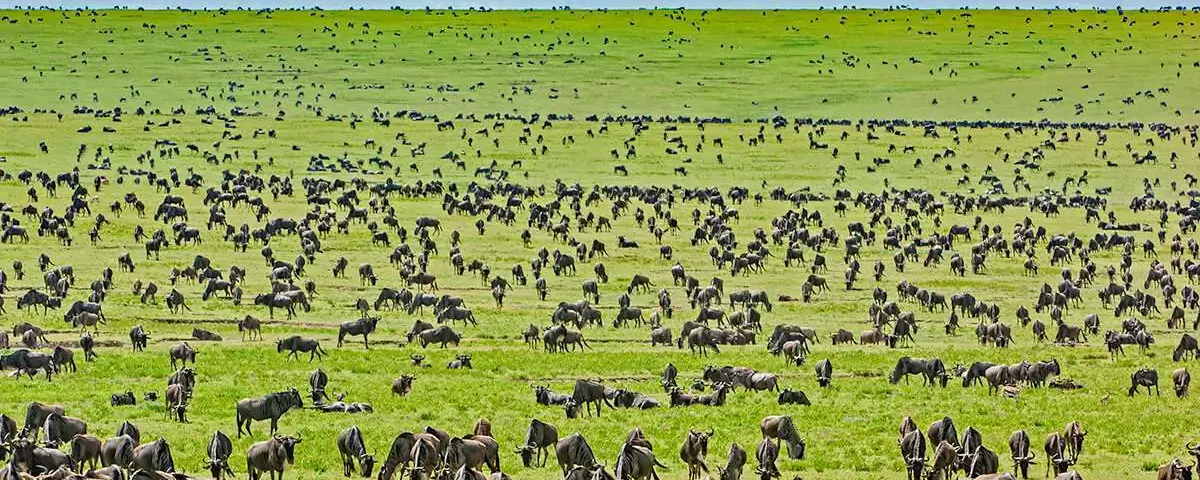
What Is Serengeti National Park Famous For
Serengeti National Park stands as one of Africa’s greatest wildlife destinations and continues to inspire travelers from every corner of the world. When people ask, what is Serengeti National Park famous for, they usually think about the Great Migration. While this incredible wildlife event certainly defines the park, Serengeti offers much more than migrating wildebeest. It is home to breathtaking landscapes, abundant wildlife, rich ecosystems, and unforgettable safari experiences that attract nature lovers, photographers, families, honeymooners, and adventure seekers alike. Every visit reveals something new, making the park one of the most rewarding places to explore in Tanzania.
Located in northern Tanzania, Serengeti National Park covers nearly 15,000 square kilometers of protected wilderness. Its endless grasslands, scattered acacia trees, rocky kopjes, and seasonal rivers support one of the richest wildlife ecosystems on Earth. Visitors enjoy year-round game drives while experiencing close encounters with lions, elephants, leopards, giraffes, cheetahs, zebras, and hundreds of bird species.
Beyond its wildlife, the Serengeti represents successful conservation and sustainable tourism. Visitors not only experience nature at its finest but also contribute to protecting wildlife for future generations. Understanding what makes Serengeti National Park famous helps travelers appreciate why it remains one of Africa’s most iconic safari destinations.
The Great Migration Makes Serengeti National Park World Famous
The Great Migration remains the single biggest reason many travelers visit Serengeti National Park. This spectacular wildlife movement involves more than two million wildebeest, zebras, gazelles, and other grazing animals traveling across the Serengeti ecosystem in search of fresh grass and water throughout the year.
Unlike a single event that happens in one location, the migration follows a continuous cycle. During different months, visitors can witness calving season, long-distance herd movements, dramatic predator encounters, and thrilling river crossings. Every stage offers unique wildlife experiences that attract photographers, filmmakers, and safari enthusiasts from around the world.
River crossings rank among the most exciting moments of the migration. Thousands of animals gather along riverbanks before making dangerous crossings where strong currents and crocodiles create dramatic survival scenes. These moments showcase the raw beauty and power of nature.
The migration also supports large predator populations. Lions, cheetahs, hyenas, and leopards closely follow the herds, creating exceptional wildlife viewing opportunities throughout the year.
Because this natural event occurs nowhere else on such a massive scale, the Great Migration has become one of the world’s greatest wildlife spectacles and continues to define what Serengeti National Park is famous for.
Incredible Wildlife Beyond the Great Migration
Although the Great Migration receives worldwide attention, Serengeti National Park offers exceptional wildlife viewing throughout the entire year. Even outside migration season, visitors regularly encounter an impressive variety of animals across the park’s diverse habitats.
The Serengeti supports one of Africa’s largest lion populations. Pride members often rest beneath acacia trees, patrol open grasslands, or care for young cubs. Watching lions interact naturally creates unforgettable safari memories.
Leopards also thrive within the park. While these elusive cats require patience to find, experienced safari guides often know areas where leopards frequently rest in trees or hunt quietly through dense vegetation.
Cheetahs favor the Serengeti’s open plains because they rely on speed to capture prey. Their graceful movements and hunting behavior provide incredible opportunities for wildlife photography.
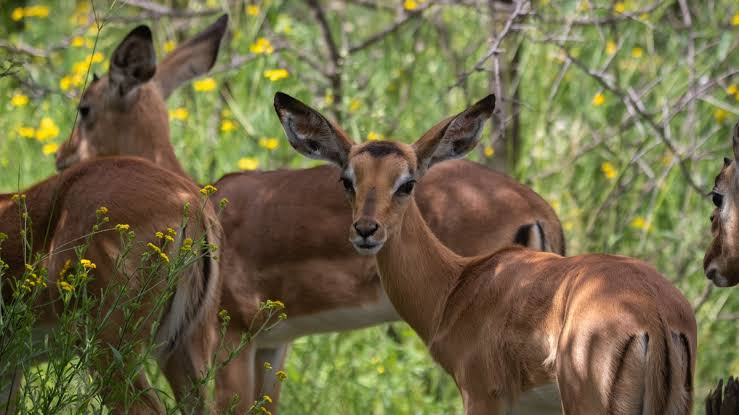
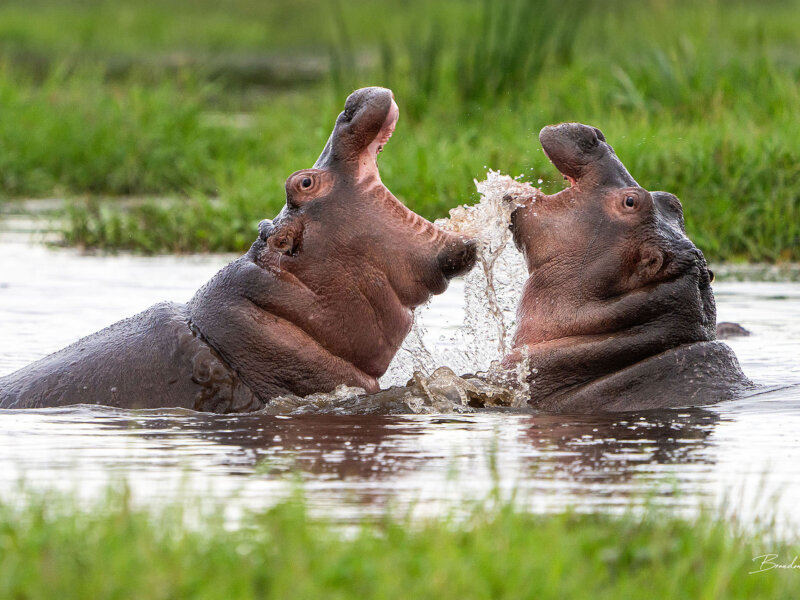
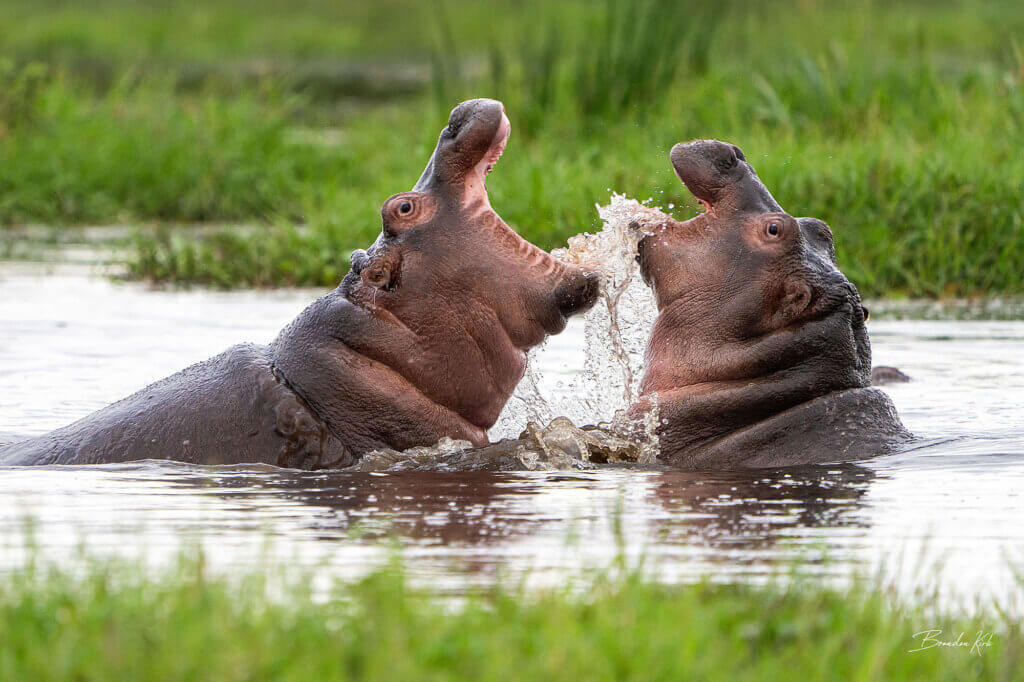
Elephants travel across many areas of the park, while giraffes browse peacefully among tall trees. Buffaloes, hippos, crocodiles, warthogs, antelopes, jackals, hyenas, and countless other species contribute to the park’s remarkable biodiversity.
This extraordinary wildlife diversity ensures that every game drive offers new discoveries regardless of the season.
Why Serengeti National Park Is Famous for Its Stunning Landscapes
One reason travelers remember Serengeti National Park long after returning home is its breathtaking scenery. The park’s landscapes provide more than beautiful backgrounds for wildlife viewing. They create an atmosphere that captures the true spirit of Africa.
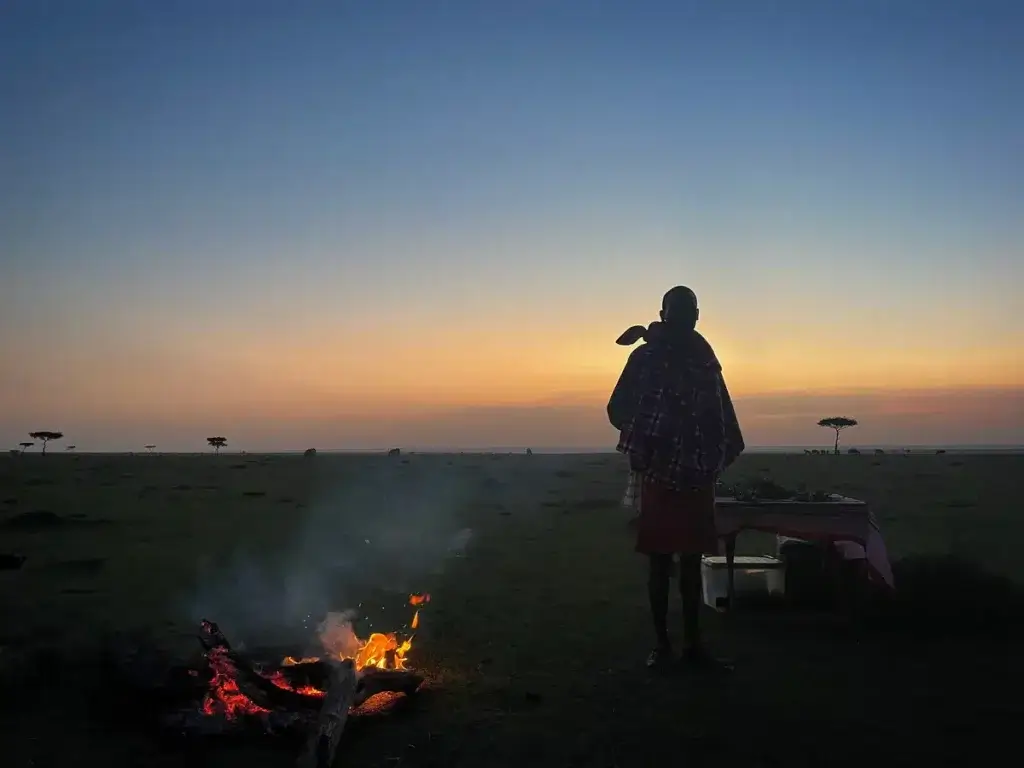
The endless grass plains remain the park’s most recognizable feature. During sunrise and sunset, golden light stretches across the savannah, producing spectacular views that photographers treasure.
Rocky granite outcrops known as kopjes rise dramatically above the plains. These formations provide shelter for lions, leopards, hyraxes, and numerous bird species. Wildlife often gathers around these natural landmarks, creating excellent viewing opportunities.
Seasonal rivers weave through different regions of the park and attract animals during dry months. These water sources become gathering points where visitors frequently observe elephants, buffaloes, hippos, and predators sharing the same environment.
Acacia woodlands add another layer of beauty to the Serengeti. Their distinctive umbrella-shaped trees create iconic African landscapes that appear in countless wildlife documentaries and travel photographs.
Every landscape within the Serengeti contributes to a safari experience that feels both peaceful and unforgettable.
Why Serengeti Is One of Africa’s Best Safari Destinations
Many national parks offer excellent wildlife viewing, but Serengeti National Park consistently ranks among Africa’s very best safari destinations because it combines several exceptional qualities in one location.
First, wildlife viewing remains outstanding throughout the year. Unlike destinations where seasonal changes significantly reduce animal sightings, the Serengeti consistently provides rewarding safari experiences regardless of travel dates.
Second, the park’s enormous size allows wildlife to behave naturally within expansive ecosystems. Visitors observe authentic animal behavior rather than overcrowded wildlife attractions.
Another advantage involves the diversity of safari experiences available. Travelers can enjoy traditional game drives, hot air balloon safaris, guided nature experiences in surrounding conservation areas, cultural visits with nearby communities, and luxury wilderness accommodations.
Accessibility also contributes to the park’s popularity. Domestic flights connect visitors with several airstrips throughout the Serengeti, while road safaris allow travelers to combine multiple northern Tanzania destinations during one itinerary.
These qualities work together to create safari adventures that satisfy first-time visitors as well as experienced wildlife enthusiasts.
Rich Birdlife and Diverse Ecosystems
Serengeti National Park attracts wildlife lovers for its famous mammals, but its birdlife also deserves attention. More than 500 bird species live within the park, making it one of the best birdwatching destinations in East Africa. Whether you are an experienced birder or simply enjoy nature, you will find colorful and fascinating birds throughout the year.
Large birds such as ostriches, secretary birds, martial eagles, and kori bustards stand out on the open plains. Near rivers and wetlands, visitors often spot African fish eagles, kingfishers, herons, storks, and pelicans. During the rainy season, migratory birds arrive from Europe and Asia, adding even more variety to the park’s already impressive bird population.
The Serengeti’s ecosystems support this incredible diversity. Open grasslands provide grazing areas for herbivores, while woodlands offer shelter for birds, primates, and smaller mammals. Rivers attract wildlife during the dry season, and rocky kopjes create safe resting places for predators and reptiles.
Each habitat contributes to a balanced ecosystem where every species plays an important role. This remarkable natural harmony allows visitors to experience far more than wildlife sightings. It offers a deeper understanding of how nature works together across one of Africa’s greatest protected landscapes.
Conservation Efforts Protect Serengeti for Future Generations
Another reason people ask what is Serengeti National Park famous for relates to its global conservation success. Protecting such a vast ecosystem requires continuous effort, scientific research, responsible tourism, and strong environmental management.
Serengeti National Park received recognition as a UNESCO World Heritage Site because of its outstanding natural value. This status highlights the park’s importance not only to Tanzania but also to the entire world. Conservation programs help preserve wildlife habitats while supporting sustainable tourism practices that benefit local communities.
Park authorities work closely with researchers to monitor wildlife populations, migration patterns, and ecosystem health. These efforts help maintain healthy animal populations while reducing threats such as illegal hunting and habitat loss.
Visitors also play an important role in conservation. Park fees contribute directly to wildlife protection, road maintenance, ranger patrols, scientific research, and community development projects surrounding protected areas.
Responsible safari operators encourage environmentally friendly travel practices that minimize negative impacts on wildlife. Choosing experienced companies allows travelers to enjoy unforgettable safaris while helping protect Tanzania’s natural treasures for generations to come.
Best Time to Visit Serengeti National Park
One of the most common travel questions involves choosing the best time to visit Serengeti National Park. Fortunately, the park offers rewarding safari experiences throughout the year, although each season provides something different.
The dry season, which generally runs from June through October, attracts the highest number of visitors. During this period, shorter grass and limited water sources make wildlife easier to locate. Animals gather near rivers and waterholes, creating excellent game viewing opportunities.
The green season offers equally impressive experiences. Rain transforms the landscape into vibrant shades of green while attracting migratory birds and creating beautiful scenery for photography. Visitor numbers also decrease, allowing for quieter safari experiences.
From January through March, many wildebeest gather in the southern Serengeti for calving season. Thousands of newborn calves arrive within a short period, attracting predators and creating remarkable wildlife interactions.
Travelers interested in river crossings often plan visits between July and October, depending on seasonal migration movements.
Selecting the ideal travel period depends on individual interests rather than one universally perfect season. Every month offers unique opportunities that make the Serengeti an outstanding safari destination year-round.
Luxury Safari Experiences in the Serengeti
Serengeti National Park offers accommodation options that suit different travel styles, but luxury safaris remain especially popular among visitors seeking exceptional comfort in the heart of nature.
Luxury safari lodges and tented camps blend modern comfort with authentic wilderness experiences. Spacious suites, elegant dining areas, private decks, and attentive hospitality allow guests to enjoy nature without sacrificing convenience.
Many luxury properties occupy prime wildlife locations, allowing guests to begin game drives quickly each morning. Some camps even overlook migration routes or permanent wildlife gathering areas, creating incredible viewing opportunities directly from the accommodation.
Exclusive experiences further enhance luxury safaris. Private game drives, bush breakfasts, candlelit dinners, spa treatments, and personalized guiding help create memorable journeys tailored to individual interests.
Despite their upscale amenities, many luxury camps maintain strong commitments to environmental sustainability. Solar power, responsible water use, waste management, and community partnerships help protect the surrounding ecosystem while supporting local development.
Travelers planning customized luxury adventures often work with Giant Holiday Safaris to match accommodations with their preferred travel style, budget, and wildlife interests.
Why Serengeti Is a Dream Destination for Photographers
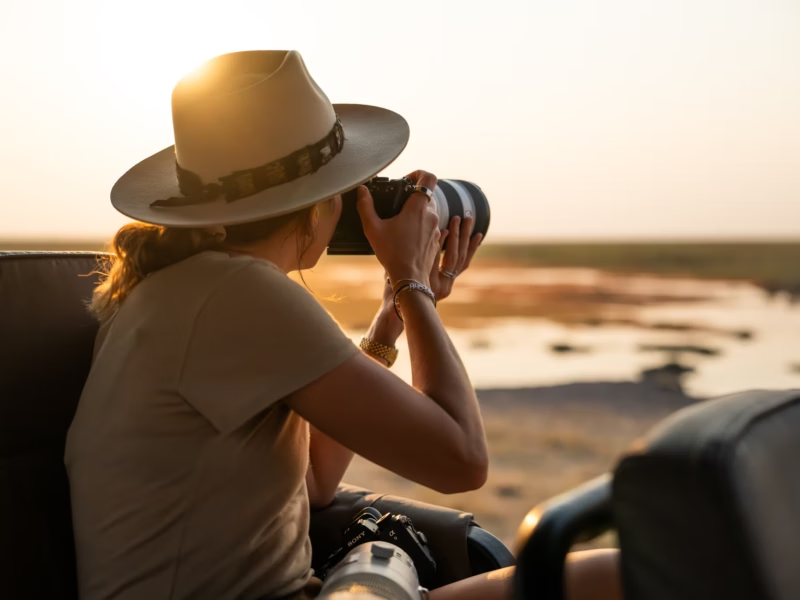
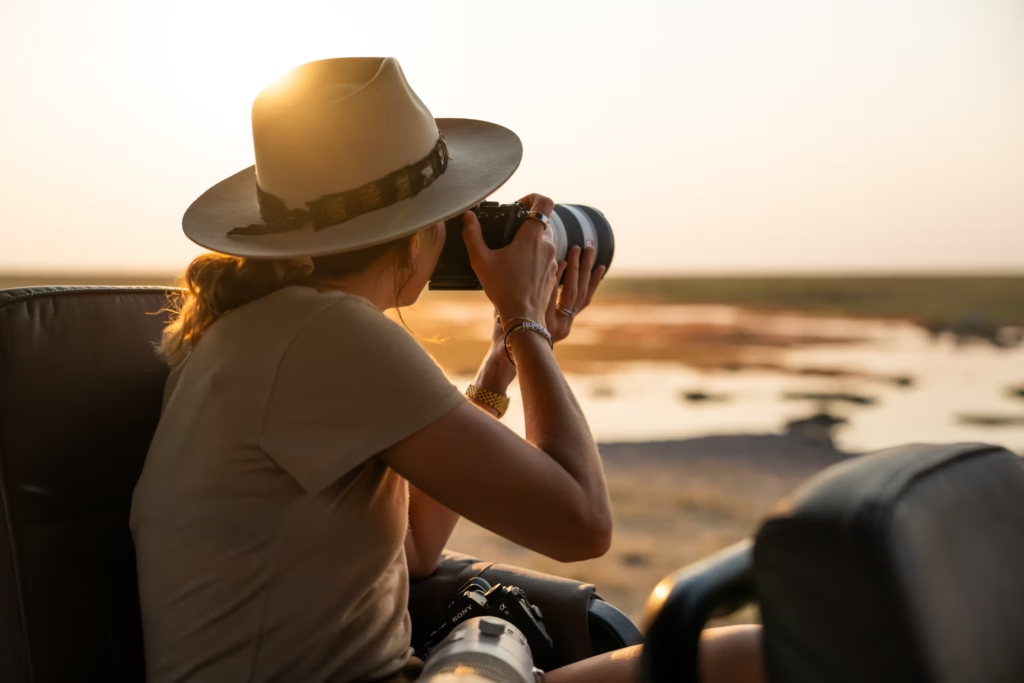
Photography enthusiasts consistently rank Serengeti National Park among the world’s finest wildlife photography destinations. The combination of abundant wildlife, open landscapes, dramatic lighting, and natural behavior creates exceptional photographic opportunities throughout the year.
Morning and evening provide the best natural light. Soft golden sunlight adds warmth and depth to wildlife images while creating stunning landscape compositions.
The park’s open plains make it easier to photograph animals without heavy vegetation blocking the view. Lions resting on kopjes, elephants crossing the savannah, giraffes silhouetted against sunsets, and cheetahs scanning the horizon all provide iconic photography subjects.
The Great Migration introduces endless opportunities for action photography. Herd movements, predator interactions, river crossings, and newborn wildlife create powerful storytelling images that capture the essence of African wilderness.
Photographers also appreciate the diversity of subjects beyond large mammals. Birds, insects, reptiles, dramatic skies, unique trees, and seasonal wildflowers all contribute to rich photographic experiences.
Whether using professional equipment or a smartphone camera, visitors leave the Serengeti with images that preserve unforgettable memories of Tanzania’s extraordinary natural beauty.
Planning a Memorable Serengeti Safari Adventure
Careful planning helps travelers enjoy every aspect of their Serengeti safari. While spontaneous adventures can be exciting, preparation allows visitors to maximize wildlife viewing opportunities and overall comfort.
The first step involves deciding how many days to spend in the park. Although even a short visit provides memorable experiences, spending several days allows travelers to explore different regions and increase wildlife sightings.
Choosing accommodations based on travel goals also matters. Luxury camps, family lodges, mobile tented camps, and boutique properties each offer unique experiences that suit different preferences.
Travelers should also consider combining the Serengeti with other northern Tanzania destinations. Ngorongoro Crater, Tarangire National Park, and Lake Manyara National Park complement the Serengeti beautifully, creating well-rounded safari itineraries.
Packing lightweight clothing, binoculars, sunscreen, cameras, and comfortable footwear improves the overall experience. Most importantly, visitors should arrive with patience and curiosity because nature reveals its greatest moments to those willing to observe carefully.
Planning ahead creates smoother journeys and allows travelers to fully appreciate everything the Serengeti has to offer.
Discover Why Serengeti National Park Continues to Inspire the World
Understanding what is Serengeti National Park famous for reveals far more than a single wildlife event. The park has earned global recognition through its extraordinary biodiversity, spectacular landscapes, successful conservation efforts, and unforgettable safari experiences. Every visit offers opportunities to witness remarkable wildlife, appreciate breathtaking scenery, and connect with one of Africa’s most treasured natural environments.
The Great Migration remains the park’s most celebrated attraction, but it represents only one chapter of the Serengeti story. Lions, elephants, leopards, cheetahs, giraffes, birds, and countless other species thrive within ecosystems that continue to inspire scientists, photographers, and travelers alike. Combined with luxury accommodations, expert guides, and year-round wildlife viewing, the Serengeti consistently exceeds expectations.
Whether you are planning your first African safari or returning for another adventure, Serengeti National Park promises experiences that remain unforgettable for a lifetime. For travelers seeking personalized itineraries that showcase the very best of northern Tanzania, Giant Holiday Safaris creates carefully planned journeys that allow visitors to experience the magic of this remarkable destination. Ultimately, understanding what is Serengeti National Park famous for helps travelers appreciate why it remains one of the world’s greatest safari destinations.
Combined Uganda, Kenya, Rwanda and Tanzania Safaris
17 days Kenya Tanzania and Uganda safari
19 Days Uganda Kenya and Tanzania Safari
16 Days Kenya Tanzania and Uganda Safari
14 Days Kenya Uganda and Tanzania Safari
14 Days Kenya Uganda and Rwanda Safari