Which Safari Starts From Kilimanjaro Airport
August 8, 2026
What Is Tarangire National Park Famous For
August 8, 2026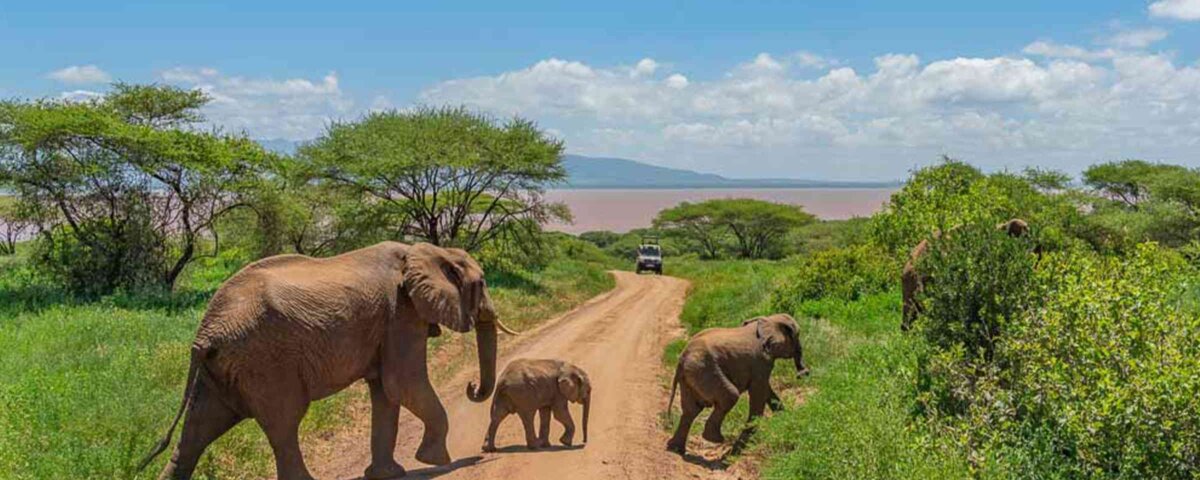
Can I See Elephants in Tarangire
If you are planning your first Tanzania safari, you may wonder, can I see elephants in Tarangire? Yes, Tarangire National Park offers some of the best opportunities to see elephants in Tanzania. The park has earned a strong reputation for its large elephant herds, beautiful baobab trees, open grasslands, and seasonal wildlife movement. For first time visitors, Tarangire provides an exciting introduction to the African safari experience without requiring a long journey deep into the country’s northern circuit.
Tarangire sits within northern Tanzania and forms part of many popular safari itineraries from Arusha. Its location makes it easy to combine with destinations such as Ngorongoro Conservation Area and Serengeti National Park. As a result, travelers can enjoy elephants while also exploring different landscapes and wildlife habitats.
However, seeing elephants involves more than simply entering the park. Your travel season, game drive route, time of day, guide knowledge, and length of stay can all influence what you experience. Elephants move freely through the park, so no safari can guarantee a specific sighting. Nevertheless, Tarangire’s strong elephant population gives visitors an excellent chance to encounter these remarkable animals.
For first time travelers, the park also offers valuable lessons about wildlife behavior and conservation. Watching a family herd move through the grassland, feed beneath a tree, or approach a water source can become one of the most memorable moments of a Tanzania safari.
Combined Uganda, Kenya, Rwanda and Tanzania Safaris
17 days Kenya Tanzania and Uganda safari
19 Days Uganda Kenya and Tanzania Safari
16 Days Kenya Tanzania and Uganda Safari
14 Days Kenya Uganda and Tanzania Safari
14 Days Kenya Uganda and Rwanda Safari
12 Day Gorilla Trekking and Tanzania Safari
Why Tarangire Is Famous for Elephants
Tarangire has a special place in Tanzania’s safari landscape because of its impressive elephant population. Large herds frequently move across the park, creating memorable wildlife encounters for visitors. The park’s diverse habitats provide food, water, shade, and seasonal movement routes that support elephants throughout the year.
One of the most striking features of Tarangire involves its ancient baobab trees. These enormous trees rise above the grasslands and woodland areas, creating a distinctive setting for elephant sightings. Seeing elephants walking beneath baobabs gives travelers a classic African safari scene that feels both dramatic and natural.
The Tarangire River also plays an important role in the park’s ecosystem. During drier periods, water becomes increasingly important to wildlife. Elephants and other animals may gather around reliable water sources, creating opportunities for close observation from a safe distance.
Elephants also shape the environment around them. They feed on vegetation, break branches, push through woodland, and create pathways as they move. Their activity can influence the structure of the landscape and create opportunities for other animals.
For first time visitors, Tarangire provides an opportunity to observe elephants in different situations. You may see a large herd crossing an open plain, a mother staying close to her young, or individuals feeding near woodland.
The experience becomes even more meaningful when your guide explains elephant behavior and the role these animals play within the wider ecosystem. Instead of simply taking photographs, you begin to understand how elephants interact with their environment.
That combination of wildlife, scenery, and ecological importance makes Tarangire one of Tanzania’s most rewarding destinations for elephant lovers.
Where Can You See Elephants in Tarangire?
Elephants can appear in different parts of Tarangire National Park, and their exact location changes according to water availability, food, weather, and seasonal movement. Therefore, travelers should avoid expecting one specific spot to always contain elephants.
The Tarangire River provides one of the most important wildlife areas in the park. During dry periods, animals often move toward dependable water sources. Elephants may gather around the river, drink, bathe, or move through nearby vegetation. These moments can provide excellent viewing opportunities.
Woodland areas also attract elephants because they offer food and shade. Elephants can spend long periods feeding on leaves, branches, grasses, and other vegetation. Their large size makes them easier to notice even when they move through thicker vegetation.
Open grasslands provide another good environment for observation. When herds cross open areas, visitors can often see their social structure clearly. Young elephants may walk close to adults while larger individuals maintain positions around the group.
Your safari guide plays an important role in finding wildlife. Experienced guides understand seasonal patterns, animal behavior, park roads, and recent sightings. They also know how to position the vehicle without disturbing the animals.
However, responsible guides avoid chasing elephants or getting too close. Wildlife viewing should always respect the animals’ space and natural behavior.
Rather than focusing on one exact location, travelers should approach the safari with patience. Elephants move throughout the ecosystem, and the best sightings often happen when visitors allow the guide to follow natural wildlife activity.
This approach creates a more respectful and rewarding experience while increasing your chances of seeing elephants behaving naturally.
What Is the Best Time to See Elephants in Tarangire?
The best time to see elephants in Tarangire depends on the type of experience you want. Wildlife remains present throughout the year, but seasonal changes can influence where animals gather and how easy they are to find.
The dry season often provides particularly strong wildlife viewing conditions. As water becomes less available in surrounding areas, animals may concentrate around dependable water sources within the park. This movement can increase opportunities to see elephants near rivers and other water points.
The period from around June to October attracts many safari travelers because of generally dry conditions and good wildlife visibility. Vegetation often becomes less dense, making animals easier to spot. Elephants may also spend more time around areas where water and food remain available.
However, the green season brings its own advantages. Rain transforms the landscape, vegetation becomes fresh, and the park can look especially beautiful. Elephant sightings remain possible, although animals may spread across a wider area because water becomes more widely available.
Early morning and late afternoon often provide excellent conditions for game viewing. Temperatures tend to remain more comfortable, and animals may show more activity than during the hottest part of the day.
For first time visitors, the best approach involves matching your travel dates with your broader safari goals. If elephants are your main priority, a knowledgeable safari operator can help you select a period that offers strong viewing conditions.
Remember that wildlife follows natural patterns rather than a fixed timetable. Even during a popular viewing season, elephants may move away from a particular area. Patience and an experienced guide remain essential.
What Elephant Behavior Can You Expect to See?
Seeing elephants becomes much more fascinating when you understand their behavior. These highly social animals communicate, travel, feed, and care for one another in ways that reveal the strength of their family groups.
Visitors may see elephants feeding for long periods during a game drive. An elephant can use its trunk to collect grass, leaves, and other vegetation. You may also notice elephants using their trunks to investigate objects, interact with other elephants, or drink water.
Family groups often include females and young elephants. Adults protect younger members while the herd moves between feeding and resting areas. Watching a mother remain close to a calf can provide one of the most touching moments of a safari.
Elephants also communicate through body movements and sounds. Ear movements, trunk positions, and changes in posture can provide clues about their mood. Low frequency sounds can travel across long distances, helping elephants maintain contact with other members of their social group.
You may also see elephants dusting themselves with soil. This behavior can help protect their skin from insects and heat. During warmer periods, elephants may seek shade beneath trees or move toward water.
Bull elephants can behave differently from family herds. Adult males may travel alone or form temporary associations with other males. Their enormous size can make a sighting especially impressive.
Your guide can help explain these behaviors while keeping the vehicle at a respectful distance. Learning about elephant behavior changes the experience from simple wildlife viewing into a deeper understanding of Tanzania’s natural environment.
For first time visitors, this knowledge adds meaning to every photograph and every encounter.
How Close Can You Get to Elephants in Tarangire?
One of the most important questions for first time safari travelers involves distance. You may want to get close enough for excellent photographs, but responsible wildlife viewing always prioritizes the animal’s safety and comfort.
Safari vehicles normally use established roads and follow park rules. Your guide chooses a safe position where you can observe elephants without unnecessarily disturbing them. Sometimes elephants may approach a vehicle on their own, creating the impression of an extremely close encounter.
When this happens, visitors should remain calm and follow the guide’s instructions. Do not shout, make sudden movements, or attempt to attract the animals’ attention. Elephants are wild animals, and their behavior can change quickly.
A good safari guide understands warning signs and knows when to increase the distance. Elephants may display signs of discomfort if a vehicle approaches too closely or blocks their path. Responsible guides give the animals room to move freely.
Photography should also respect wildlife. Avoid using loud camera equipment or attempting to force an animal into a better position for a photograph. The best images often come from allowing natural behavior to unfold.
A respectful distance can actually improve the experience. When elephants behave naturally, you may observe feeding, social interaction, movement, and communication without interference.
For first time travelers, this approach provides an important lesson. A safari is not a zoo visit. The animals live freely within their natural environment, and visitors have a responsibility to observe without disrupting that environment.
The goal should never be to get as close as possible. Instead, the goal should be to enjoy a safe, natural, and respectful encounter.
What Other Wildlife Can You See in Tarangire?
Although elephants attract many visitors to Tarangire, the park offers much more than elephant sightings. A game drive can reveal a wide range of mammals, birds, reptiles, and other forms of wildlife.
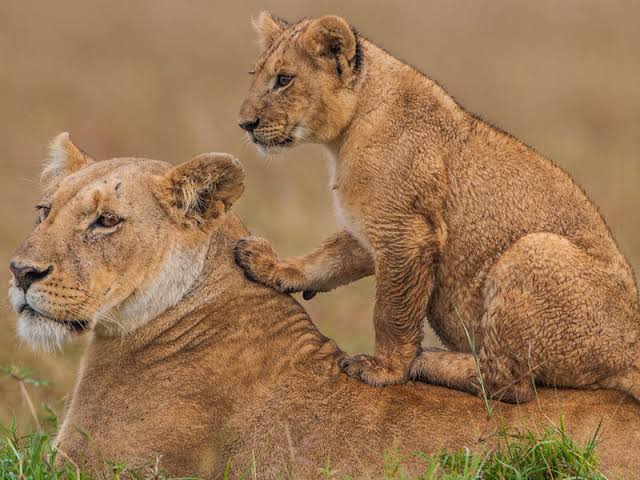
Lions are among the predators visitors may encounter. They often move through grasslands and woodland areas while searching for prey or resting during warmer parts of the day. Your guide can help identify tracks, behavior, and other clues that indicate predator activity.
Giraffes also provide frequent highlights. Their height allows them to feed on leaves above many other herbivores. Watching giraffes move among Tarangire’s distinctive trees creates excellent photography opportunities.
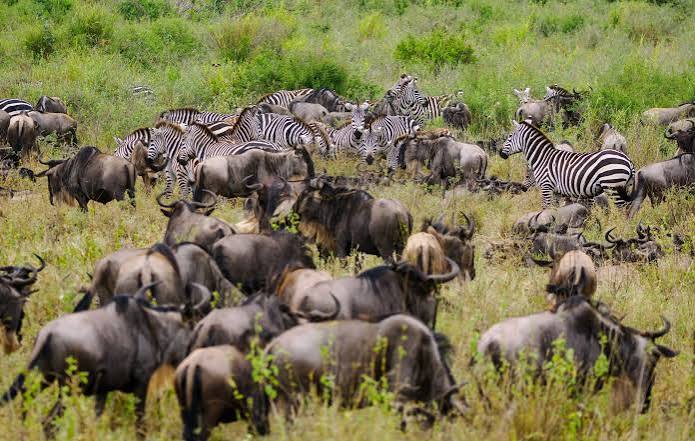
Zebras and wildebeests often appear across open areas. Their movement can create lively scenes as groups travel between feeding and watering areas. Buffaloes can also appear in large numbers and require careful observation because of their powerful size.
Bird lovers can find Tarangire especially rewarding. The park supports many bird species, including colorful and distinctive species associated with woodland, grassland, and wetland habitats.
You may also encounter antelopes, warthogs, baboons, monkeys, and other smaller animals during game drives.
This wildlife diversity makes Tarangire a strong destination for first time visitors. Even when elephants move into another part of the park, the game drive remains exciting because something else may appear around the next bend.
A good guide helps you appreciate the entire ecosystem rather than focusing on a single species. You begin to see how predators, herbivores, birds, vegetation, water, and seasonal changes connect.
Therefore, while elephants may bring you to Tarangire, the park’s wider biodiversity can make you want to stay longer.
How Long Should You Spend on a Tarangire Safari?
The ideal length of a Tarangire safari depends on your wider Tanzania itinerary. Travelers with limited time can still enjoy the park, while those with more days can explore its landscapes at a slower pace.
A one day game drive can provide an introduction to Tarangire. This option works well for travelers staying in Arusha who want to experience a national park without committing to several nights away. A full day allows enough time for several game drive periods and opportunities to search for elephants and other wildlife.
A two day safari provides a more relaxed experience. Instead of rushing back to Arusha after the game drive, you can spend a night near or around the park. This arrangement gives you more time to explore and may allow you to enjoy early morning wildlife activity.
Three days can work especially well when combining Tarangire with another destination. For example, travelers may explore Tarangire before continuing toward Ngorongoro. This creates a broader northern Tanzania experience without requiring a very long trip.
Travelers with more time can add Serengeti to create a classic northern circuit safari. This option provides greater wildlife diversity and allows more time for exploring different ecosystems.
Your safari duration should also account for travel time. A rushed itinerary may create unnecessary pressure and reduce the quality of the experience.
For first time visitors, a carefully planned itinerary matters more than simply counting the number of days. A knowledgeable operator can help you choose a duration that fits your budget, interests, and onward travel plans.
How to Prepare for Your First Tarangire Safari
Good preparation can make your first Tarangire safari more comfortable and enjoyable. You do not need expensive equipment, but a few practical items can improve your experience.
Start with clothing. Choose lightweight, comfortable clothes that work well for changing temperatures. Early mornings can feel cool, while afternoons may become warm. Neutral colors can also help you blend into the natural environment.
Sun protection matters. Pack sunscreen, sunglasses, and a hat. The African sun can feel strong, especially during long game drives.
Binoculars can improve your wildlife viewing. While elephants are easy to recognize because of their size, binoculars help you observe distant animals and birds without asking the driver to move closer.
A camera or smartphone can capture memories, but do not let photography distract you from the experience. Sometimes watching an elephant herd with your own eyes creates a stronger memory than looking through a screen.
Carry enough drinking water and follow your safari operator’s guidance about meals and snacks. Staying hydrated helps you remain comfortable during long game drives.
You should also bring personal medication and any essential travel documents. Keep your passport and other important documents secure.
Most importantly, prepare mentally for unpredictability. Wildlife does not operate according to a schedule. You may see elephants immediately, or you may spend hours searching before encountering a herd. Both situations form part of the safari experience.
Listen to your guide and respect park rules. Do not feed animals, make unnecessary noise, leave the vehicle without permission, or attempt to attract wildlife.
Preparation allows you to focus on what matters most: enjoying Tanzania’s incredible natural environment.
Why Choose a Local Safari Company for Tarangire?
Choosing the right safari company can make a major difference, especially if this is your first visit to Tanzania. Local knowledge helps travelers understand routes, seasons, accommodation, park regulations, and wildlife behavior before they arrive.
A professional safari operator can also organize transportation from Arusha or Kilimanjaro International Airport. This creates a smoother travel experience because you do not need to arrange every part of the journey separately.
Giant Holiday Safaris can help travelers build Tarangire itineraries around their interests and available time. A first time visitor may want a simple day trip, while another traveler may prefer a longer northern circuit safari. The itinerary should match the traveler rather than follow one fixed pattern.
Experienced driver guides provide another important advantage. They understand how to navigate safari roads and observe wildlife without causing unnecessary disturbance. Their knowledge can also help travelers understand animal behavior and identify species that may otherwise go unnoticed.
A reputable operator should also explain what the safari package includes. Travelers should understand accommodation, meals, park fees, transportation, guide services, and any additional costs before confirming their trip.
Local safari companies also contribute directly to Tanzania’s tourism economy. Working with local professionals can support guides, drivers, accommodation providers, communities, and conservation initiatives connected to tourism.
For first time travelers, this local support creates confidence from the planning stage through the final game drive.
The best safari experience does not simply depend on seeing a particular animal. It also depends on how safely, respectfully, and thoughtfully the journey takes place.
Can I See Elephants in Tarangire? What First Time Visitors Should Know
So, can I see elephants in Tarangire? Yes, Tarangire offers excellent opportunities to see elephants, making it one of the strongest choices in Tanzania for travelers who want to experience these magnificent animals in the wild.
The park’s elephant population, seasonal water sources, woodland habitats, grasslands, and baobab landscapes create ideal conditions for memorable encounters. Depending on the season and location, you may see individual elephants, small groups, or larger family herds moving through the park.
However, no responsible safari company can guarantee a particular animal sighting. Elephants move naturally through the ecosystem, and their location changes with water, food, weather, and seasonal patterns. This uncertainty forms part of what makes a real safari exciting.
For first time visitors, Tarangire also provides much more than elephants. Lions, giraffes, zebras, wildebeests, buffaloes, antelopes, monkeys, and many bird species can turn a single game drive into a varied wildlife experience.
Choosing the right season, allowing enough time, and traveling with an experienced guide can improve your chances of enjoying excellent sightings. Just as importantly, respecting wildlife space ensures that the animals continue their natural behavior.
Whether you choose a day trip from Arusha or include Tarangire in a longer northern Tanzania safari, the park offers a rewarding introduction to the country’s wildlife.
Ultimately, can I see elephants in Tarangire is a question with a very encouraging answer. With thoughtful planning, patience, and responsible safari practices, you can experience elephants in one of Tanzania’s most beautiful natural settings and create memories that stay with you long after your journey ends.