Are Kenya safari lodges child-friendly?
July 30, 2026
Which Kenya Safari Camps Have Swimming Pools?
July 30, 2026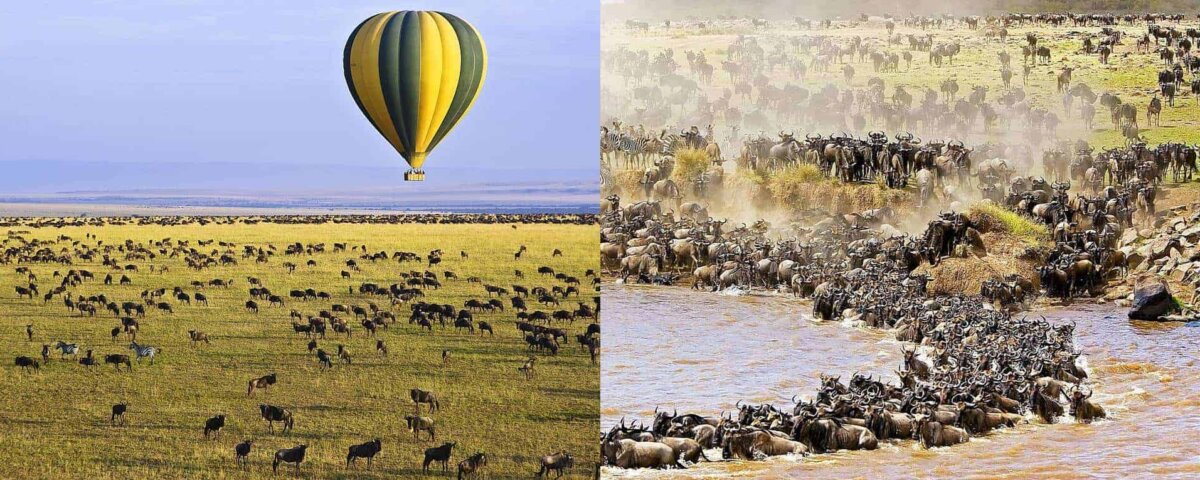
Can I See Migration in January
Many travellers ask, can I see migration in January, and the answer is a confident yes. January is one of the most rewarding months to witness the Great Migration in Tanzania because the massive herds gather across the southern Serengeti and the Ndutu Plains. During this period, the landscape becomes green after the seasonal rains, creating ideal grazing conditions for millions of wildebeests, zebras, and gazelles. Unlike the famous river crossing season, January offers a different but equally exciting stage of the migration that focuses on calving, predator activity, and breathtaking wildlife encounters.
The Great Migration is a year round journey that follows fresh grass and water across the Serengeti ecosystem. Every month presents unique opportunities, and January stands out because it marks the beginning of the calving season. Thousands of wildebeest calves are born within a short period, transforming the southern plains into one of Africa’s most active wildlife destinations. Visitors enjoy close views of newborn animals while predators such as lions, cheetahs, hyenas, and leopards patrol the area.
Choosing the right safari operator makes a significant difference during this special season. Giant Holiday Safaris carefully plans each itinerary around the migration’s current location, allowing guests to experience outstanding wildlife viewing while staying in comfortable accommodation close to the action.
Understanding can I see migration in January helps travellers appreciate why this month attracts photographers, wildlife enthusiasts, families, and first time safari visitors from around the world. It offers incredible scenery, abundant wildlife, and unforgettable safari experiences that showcase the beauty of Tanzania’s Serengeti National Park.
Combined Uganda, Kenya, Rwanda and Tanzania Safaris
17 days Kenya Tanzania and Uganda safari
19 Days Uganda Kenya and Tanzania Safari
16 Days Kenya Tanzania and Uganda Safari
14 Days Kenya Uganda and Tanzania Safari
14 Days Kenya Uganda and Rwanda Safari
12 Day Gorilla Trekking and Tanzania Safari
Can I See Migration in January?
The simple answer to can I see migration in January is yes. In fact, January is one of the best months to experience the Great Migration because the herds settle across the southern Serengeti and nearby Ndutu region. Seasonal rains encourage fresh grass growth, providing excellent grazing for millions of wildebeests, zebras, and gazelles before the calving season reaches its peak.
Unlike the dramatic Mara River crossings later in the year, January offers a calmer yet equally fascinating migration experience. The animals spread across wide open plains where they feed, rest, and prepare for the arrival of thousands of newborn calves. Large herds remain highly visible throughout the day, making wildlife viewing both productive and enjoyable.
Game drives during January often reveal enormous concentrations of wildlife within relatively short distances. Visitors spend less time driving between sightings because the animals remain gathered in favourable grazing areas. This creates excellent opportunities for photography, wildlife observation, and learning about the migration’s natural cycle.
January also provides outstanding weather conditions. Warm daytime temperatures, beautiful green landscapes, and occasional light showers create fresh, vibrant scenery that enhances every safari. Birdlife flourishes during this season as migratory birds arrive alongside resident species, adding even more diversity to the experience.
Travellers who visit during January quickly discover that the Great Migration involves much more than river crossings. Watching millions of animals peacefully grazing across endless plains while predators carefully observe nearby creates unforgettable memories that highlight the remarkable balance of nature.
For anyone wondering whether January is worth visiting, the answer remains clear. It offers one of the richest wildlife experiences available anywhere in Africa.
Where the Great Migration Is in January
During January, the Great Migration concentrates mainly in the southern Serengeti and the Ndutu Plains making it a great month to see migration , which lie within the larger Serengeti ecosystem. These areas receive seasonal rainfall that produces fresh, nutritious grass, attracting massive herds searching for the best grazing conditions before the calving season begins.
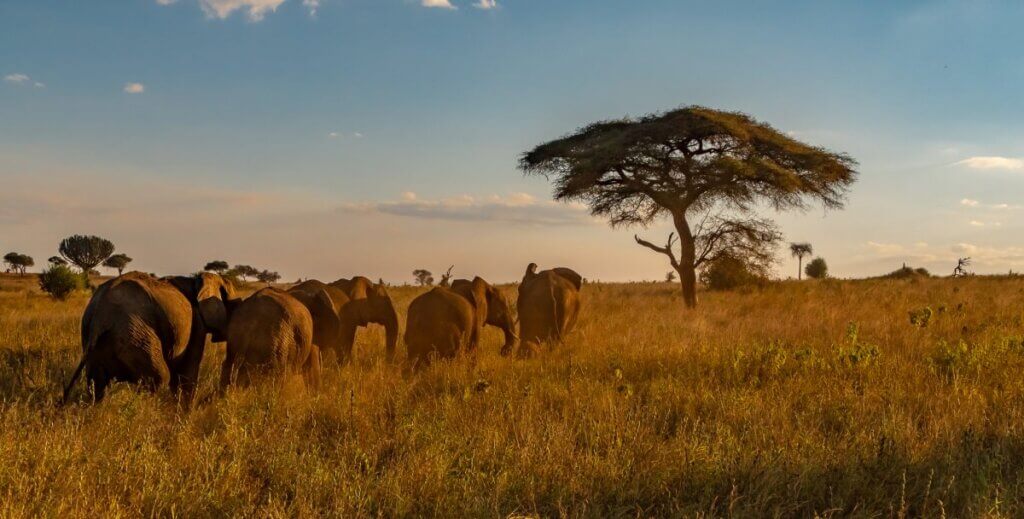
The southern Serengeti consists of wide open plains with excellent visibility. Visitors often see thousands of wildebeests stretching toward the horizon, accompanied by zebras, Thomson’s gazelles, Grant’s gazelles, and numerous other herbivores. These vast grasslands provide ideal feeding areas while allowing safari guides to locate wildlife efficiently.
The Ndutu region also becomes extremely important during January. Although part of this area lies within the Ngorongoro Conservation Area, wildlife moves freely between Ndutu and Serengeti National Park. This flexibility allows the migration to follow the freshest grass without being limited by administrative boundaries.
The herds remain relatively stable throughout January because food remains abundant. Instead of constantly travelling long distances, the animals spend much of their time feeding and preparing for the arrival of newborn calves. This creates consistent wildlife viewing opportunities for safari visitors throughout the month.
Predators naturally follow these large concentrations of prey. Lions establish territories across the plains, while cheetahs use the open landscape to hunt. Hyenas, jackals, and leopards also become increasingly active as they take advantage of abundant food sources.
Visitors staying in camps near the southern Serengeti enjoy shorter travel times during game drives because wildlife often surrounds the accommodation itself. This proximity allows more time observing animals and less time driving between different safari locations.
What Happens During the January Calving Season
January marks the beginning of one of the Great Migration’s most remarkable events enabling visitors to see plenty of migration. As the herds settle across the southern Serengeti, thousands of pregnant wildebeests prepare to give birth. The calving season transforms the landscape into a nursery filled with newborn animals while creating extraordinary wildlife viewing opportunities.
Many calves arrive during late January before the peak calving period continues into February. Newborn wildebeests stand within minutes of birth and quickly begin following their mothers across the plains. Their ability to move almost immediately helps protect them from predators while allowing them to remain with the migrating herds.
The arrival of thousands of vulnerable calves naturally attracts predators. Lions, cheetahs, hyenas, leopards, and jackals remain highly active throughout the region because food becomes more plentiful during this period. Visitors often witness fascinating predator behaviour while observing the natural balance that shapes the Serengeti ecosystem.
Despite these dramatic moments, the calving season also highlights the resilience of wildlife. Most calves successfully survive thanks to the protection provided by the enormous herds. Watching mothers care for their young while thousands of animals continue grazing peacefully creates unforgettable safari memories.
Birdlife also thrives during this season. Numerous migratory birds arrive alongside resident species, filling the skies with colour and song. Combined with green grasslands and scattered acacia trees, the landscape becomes exceptionally beautiful for photographers and nature lovers.
The January calving season offers much more than newborn wildlife. It showcases the beginning of another annual migration cycle while demonstrating the incredible survival strategies that have sustained these animals for thousands of years.
Wildlife You Can Expect to See in January
Travellers visiting during January enjoy some of the richest wildlife viewing of the entire year. The southern Serengeti becomes home to enormous concentrations of herbivores, predators, birds, and countless other species that depend on the seasonal abundance of fresh grass.
Wildebeests dominate the landscape during this period. Large herds spread across the plains while thousands of calves begin appearing toward the end of the month. Zebras accompany the migration because they graze on different parts of the grass, allowing both species to benefit from feeding together.
Several gazelle species also remain abundant. Thomson’s gazelles and Grant’s gazelles share the open plains with the larger herds while taking advantage of the same favourable grazing conditions. Their presence further attracts predators seeking hunting opportunities.
Lion sightings become especially common during January. Large prides patrol the southern Serengeti because prey remains plentiful throughout the region. Cheetahs also thrive in the open grasslands where they can use their speed to hunt effectively. Hyenas, leopards, servals, and jackals frequently appear during game drives as well.
Elephants, giraffes, buffaloes, hippos, and numerous antelope species continue inhabiting other parts of the Serengeti, providing excellent wildlife diversity beyond the migration itself. Visitors also enjoy outstanding bird watching, with hundreds of resident and migratory species adding colour and activity to every safari.
Because wildlife remains concentrated across relatively small areas, safari vehicles often encounter remarkable animal sightings throughout the day. This consistency makes January one of the most rewarding months for both first time visitors and experienced safari enthusiasts.
Why January Is One of the Best Months for a Serengeti Safari
January consistently ranks among the finest months to visit Serengeti National Park because it combines exceptional wildlife viewing with beautiful scenery and comfortable weather. Unlike other times of the year, visitors experience the migration during a peaceful stage before the long northward journey begins.
Fresh green grass covers much of the southern Serengeti after seasonal rains. This vibrant landscape creates stunning photographic opportunities while supporting millions of grazing animals. The combination of lush scenery and abundant wildlife makes January especially attractive for photographers.
Wildlife activity also remains remarkably high. Massive migration herds, newborn calves, and active predators provide exciting safari experiences every day. Visitors often observe different animal behaviours within a single game drive, from peaceful grazing to dramatic hunting scenes.
Weather conditions generally remain pleasant. Although occasional showers occur, they rarely interfere with safari activities. Instead, the rainfall refreshes the landscape, improves visibility, and supports healthy ecosystems throughout the region.
January also allows visitors to experience a quieter atmosphere than some peak tourist periods later in the migration cycle. While the Serengeti remains popular, many safari areas feel less crowded than during the famous Mara River crossing season.
Planning with Giant Holiday Safaris further enhances the experience by ensuring guests stay close to current migration movements while enjoying carefully selected accommodation and knowledgeable professional guides.
For travellers wondering whether January is the right time to visit Tanzania, the answer becomes clear after experiencing the incredible wildlife, beautiful scenery, and unforgettable safari adventures found across the southern Serengeti during this remarkable month.
Best Places to Stay During the January Migration
Choosing the right accommodation is one of the most important parts of planning a January migration safari. Since the Great Migration remains concentrated in the southern Serengeti and the Ndutu region during this month, staying close to the herds allows visitors to spend more time watching wildlife and less time travelling between sightings. A well located camp can significantly improve the overall safari experience.
Luxury tented camps provide exceptional comfort while placing guests near the migration. Many feature spacious tents with private bathrooms, comfortable beds, excellent dining, and beautiful views of the surrounding plains. These camps allow travellers to enjoy premium hospitality while remaining close to one of Africa’s greatest wildlife events.
Mid range camps offer an excellent balance between affordability and comfort. Guests enjoy clean accommodation, friendly service, quality meals, and experienced guides without paying luxury prices. Families and couples often choose these camps because they provide excellent value while maintaining high standards.
Mobile migration camps also become excellent choices during January. These camps position themselves close to the current location of the herds, allowing visitors to begin game drives almost immediately after leaving camp. Their flexibility keeps guests near the migration throughout the season.
Budget camps provide another excellent option for travellers who want an authentic safari without spending beyond their budget. Although these camps offer simpler facilities, many occupy outstanding locations that provide easy access to the migration.
When selecting accommodation, travellers should focus on location rather than luxury alone. A comfortable camp near the migration often delivers a richer safari experience than a more expensive property located far from the wildlife. Careful planning ensures every day begins with incredible opportunities to explore the southern Serengeti.
Tips for Planning a January Migration Safari
Planning ahead greatly improves every January safari experience. Since this month attracts visitors hoping to witness the early calving season, booking accommodation and safari packages several months before departure helps secure the best camps and travel dates.
Selecting the correct safari duration is equally important. A stay of at least five to seven days allows travellers enough time to experience different wildlife encounters while increasing the chances of observing predator activity, newborn calves, and large migration herds. Longer safaris also provide flexibility if weather conditions slightly influence animal movements.
Packing wisely contributes to a comfortable adventure. Neutral coloured clothing helps visitors blend into the natural environment during game drives. A light jacket remains useful for cool early mornings, while sunscreen, sunglasses, a wide brimmed hat, and comfortable walking shoes improve comfort throughout the trip. A quality camera and binoculars allow guests to appreciate distant wildlife in greater detail.
Travellers should also prepare for changing weather conditions. January generally offers warm days with occasional showers that refresh the landscape. Lightweight waterproof clothing proves useful during brief rain showers while remaining comfortable throughout the safari.
Choosing an experienced safari company makes planning much easier. Local experts monitor wildlife movements, recommend the best accommodation, and adjust itineraries when necessary to maximise wildlife viewing opportunities.
Finally, travellers should approach the safari with patience and curiosity. Every game drive offers something different, and unexpected wildlife encounters often become the most memorable moments of the entire journey.
Why Choose Giant Holiday Safaris for Your January Safari
A January migration safari deserves careful planning because wildlife movements, accommodation choices, and travel logistics all influence the overall experience. Giant Holiday Safaris specialises in creating personalised Tanzania safaris that allow visitors to enjoy the Great Migration during one of its most exciting seasons.
The planning process begins with understanding each traveller’s expectations. Some visitors hope to photograph newborn wildebeests, while others want to spend time observing predators or simply enjoy the beauty of the Serengeti’s green plains. Giant Holiday Safaris creates customised itineraries that reflect these individual interests while ensuring guests visit the right locations.
Accommodation recommendations receive equal attention. Whether travellers prefer luxury tented camps, comfortable mid range lodges, flexible mobile camps, or budget friendly accommodation, every property is selected based on location, comfort, service quality, and access to the migration.
Professional safari guides play another important role. Their extensive knowledge of wildlife behaviour, migration routes, conservation, and local ecosystems allows guests to understand every wildlife encounter more deeply. Guides also know the best game viewing areas while respecting wildlife and conservation guidelines.
Customer support continues before, during, and after the safari. Guests receive practical travel advice, packing recommendations, seasonal updates, and itinerary guidance that help them arrive well prepared for their Tanzanian adventure.
By combining personalised service, local expertise, carefully selected camps, and professional guiding, Giant Holiday Safaris creates January migration experiences that showcase the remarkable beauty of the Serengeti while delivering comfort, safety, and unforgettable memories.
Frequently Asked Questions About the January Migration
Many travellers ask similar questions when planning a January migration safari because they want to understand what to expect before making their travel arrangements. Fortunately, January offers one of the easiest migration experiences to enjoy because wildlife remains concentrated across the southern Serengeti.
One common question concerns river crossings. Visitors should understand that the famous Mara River crossings do not occur in January. Instead, the focus shifts toward calving season, abundant grazing, and active predator behaviour. Many wildlife enthusiasts actually prefer this quieter period because it provides outstanding photographic opportunities without the large crowds often associated with the river crossing season.
Travellers also ask whether January is suitable for families. The answer is yes. Comfortable weather, shorter driving distances between wildlife sightings, and frequent animal encounters make this month an excellent choice for family safaris. Children often enjoy watching newborn calves and learning about animal behaviour in a natural setting.
Another frequent question concerns photography. January ranks among the best months for wildlife photography because green landscapes, dramatic skies, excellent lighting, and abundant wildlife combine to produce beautiful images throughout the day.
Visitors also wonder whether predators remain active. Lions, cheetahs, hyenas, leopards, and jackals become especially busy during this period because the arrival of newborn animals creates increased hunting opportunities. This natural activity makes every game drive exciting and unpredictable.
Understanding these common questions helps travellers plan confidently while appreciating why January remains one of the Serengeti’s most rewarding safari seasons.
Experience the January Great Migration in Serengeti
If you have been asking can I see migration in January, the answer is undoubtedly yes. January offers an extraordinary opportunity to experience one of the world’s greatest wildlife events while enjoying beautiful green landscapes, comfortable weather, and remarkable concentrations of animals across the southern Serengeti.
Unlike other migration stages that focus on long distance movement or dramatic river crossings, January celebrates new life. Thousands of wildebeest calves begin their journey across the plains, creating unforgettable wildlife scenes while attracting some of Africa’s most impressive predators. Every game drive reveals something different, making each day exciting for photographers, families, couples, and first time safari visitors.
The southern Serengeti and Ndutu region become the heart of the migration during this period. Visitors staying nearby enjoy easy access to enormous herds while spending more time observing wildlife and less time travelling between sightings. Choosing accommodation close to the migration greatly enhances the overall safari experience.
Planning with Giant Holiday Safaris ensures travellers visit the right locations at the right time. Their experienced team carefully matches seasonal migration patterns with comfortable accommodation, knowledgeable guides, and personalised itineraries designed to maximise wildlife viewing.
Ultimately, can I see migration in January is no longer a question once you witness millions of animals spread across the Serengeti’s green plains. A January safari offers unforgettable wildlife encounters, breathtaking scenery, and authentic African adventures that leave lasting memories long after the journey ends.