
What is the best overnight safari from Nairobi?
August 17, 2026
What are the best safari tours from Diani Beach?
August 17, 2026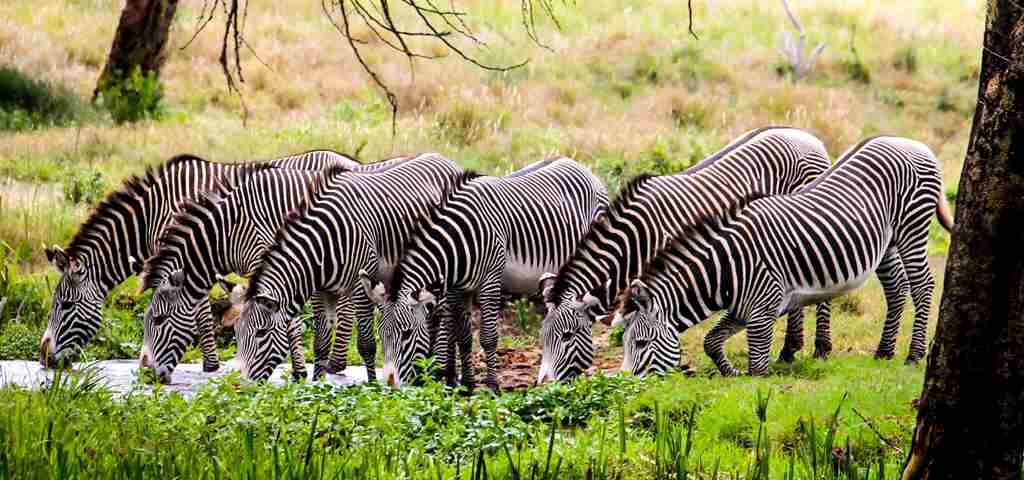
Can You Do a One-Day Safari in Kenya?
Yes, you can do a one-day safari in Kenya, and with the right planning, it can become one of the most rewarding short wildlife experiences in East Africa. Kenya has several national parks and wildlife conservancies located within practical driving distance of major cities, especially Nairobi. This makes it possible for travelers with limited time to leave the city in the morning, explore a protected wildlife area during the day, and return in the evening.
However, a successful one-day safari requires more than simply choosing a park and setting off. Your choice of destination, departure time, road conditions, safari vehicle, wildlife season, and game-viewing expectations all affect the experience. Therefore, smart planning makes a major difference.
For travelers arriving in Kenya for a short business trip, connecting flight, stopover, or limited holiday, a one-day safari offers a practical way to experience Africa without committing several days to a longer circuit. Nairobi National Park stands out because of its location near Nairobi, while destinations such as Amboseli National Park and Lake Nakuru National Park can work for longer day trips when travelers accept more driving time.
A one-day safari will not provide the same depth as a multi-day safari. Nevertheless, it can deliver excellent wildlife viewing, beautiful landscapes, photography opportunities, and a genuine introduction to Kenya’s natural heritage. The key lies in choosing the right park and building the day around wildlife rather than trying to see everything.
Combined Uganda, Kenya, Rwanda and Tanzania Safaris
17 days Kenya Tanzania and Uganda safari
19 Days Uganda Kenya and Tanzania Safari
16 Days Kenya Tanzania and Uganda Safari
14 Days Kenya Uganda and Tanzania Safari
14 Days Kenya Uganda and Rwanda Safari
12 Day Gorilla Trekking and Tanzania Safari
Which Kenyan National Park Is Best for a One-Day Safari?
The best park for a one day safari depends on where you start, how much time you have, and what you want to see. For travelers staying in Nairobi, Nairobi National Park usually provides the easiest option because the park sits close to the city. You can enjoy an early morning game drive without spending most of the day traveling to the destination.
Nairobi National Park also offers an unusual safari setting. Open grasslands, scattered trees, wetlands, and wildlife habitats sit against the backdrop of a major African capital. Lions, buffaloes, giraffes, zebras, warthogs, antelopes, and numerous bird species can appear during a well-timed game drive. The experience gives travelers a strong introduction to Kenya’s wildlife while keeping travel time short.
Amboseli National Park provides a different experience. It is famous for its dramatic views of Mount Kilimanjaro, large elephant herds, and open plains. However, reaching Amboseli from Nairobi takes considerably longer than reaching Nairobi National Park. Therefore, a one-day Amboseli safari requires an early start and careful scheduling.
Lake Nakuru National Park also works for travelers who want a full-day adventure. The park combines wildlife viewing with scenic landscapes around the Great Rift Valley. You may encounter rhinos, buffaloes, giraffes, zebras, lions, leopards, and many bird species depending on the season and location.
Consequently, Nairobi National Park remains the most convenient choice for a true one-day safari, while Amboseli and Lake Nakuru suit travelers who value a longer journey for a broader landscape experience.
What Time Should You Start a One-Day Safari in Kenya?
Starting early gives you the best opportunity to make a one day safari worthwhile. Wildlife follows natural activity patterns, and many animals become more active during the cooler hours of the morning. For that reason, professional safari planning normally places the first game drive as early as practical.
If you are staying in Nairobi and visiting Nairobi National Park, an early morning departure allows you to reach the park around the opening period and spend several productive hours exploring. The cooler temperatures also make the drive more comfortable for both travelers and wildlife.
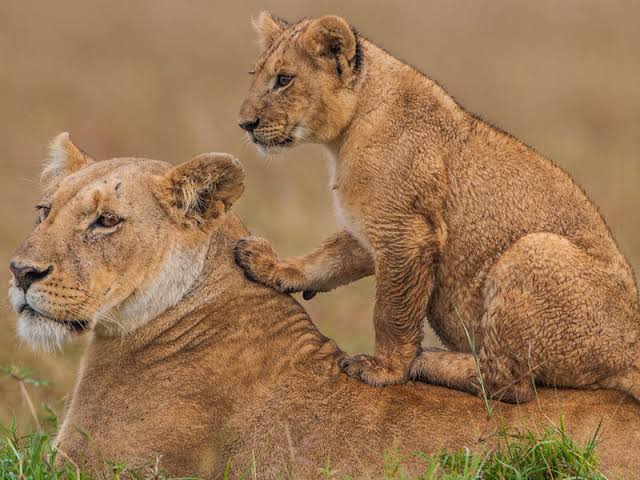
Morning game drives can provide excellent opportunities to see predators, herbivores, birds, and other animals moving through the plains. Lions may still be active after a night of hunting, while giraffes and zebras move through feeding areas. You can also experience softer morning light, which benefits wildlife photography.
After the morning drive, you can take a break for breakfast or lunch depending on your safari schedule. Then, if time allows, you can continue exploring before beginning the journey back.
However, timing becomes even more important when visiting parks farther from Nairobi. A day trip to Amboseli, for example, requires an extremely early departure because the journey consumes a significant part of the day.
Therefore, do not treat a one day safari like a normal sightseeing excursion. Start early, protect your game-drive hours, and avoid unnecessary delays. Every hour matters when you have only one day.
How Much Wildlife Can You See in One Day?
A one-day safari can provide excellent wildlife viewing, but no ethical safari operator should promise a fixed number of animals or guaranteed sightings. Wildlife moves freely, and every game drive develops differently. Your experience depends on the season, weather, habitat conditions, animal behavior, and the skill of your safari guide.
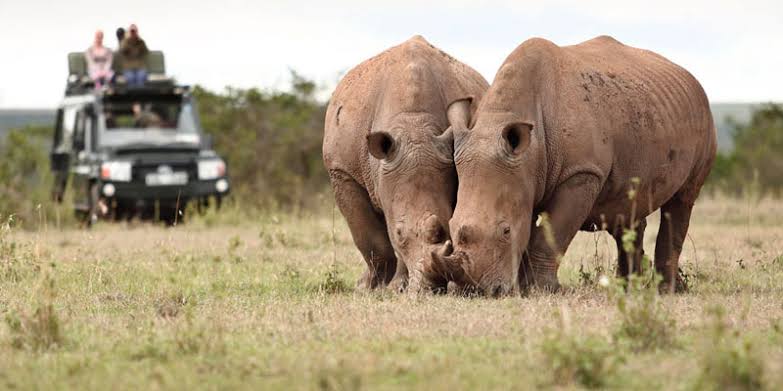
Even so, one day can offer impressive variety. In Nairobi National Park, travelers may encounter lions, giraffes, zebras, buffaloes, warthogs, antelopes, hippos, and numerous bird species. Rhino sightings can also become an important part of the experience because the park supports conservation efforts for these iconic animals.
The quality of the guide matters greatly. An experienced guide understands animal behavior, tracks signs such as footprints and movement patterns, and knows productive areas within the park. Instead of simply driving from one location to another, a skilled guide interprets the landscape and helps travelers understand what they see.
Furthermore, wildlife viewing requires patience. Sometimes you may spend several minutes watching a herd of zebras before discovering a predator nearby. At other times, a giraffe may appear unexpectedly beside the vehicle.
Therefore, measure a successful one day safari by the quality of the experience rather than the number of animals checked off a list. Seeing fewer animals in a peaceful natural setting can still create a far more meaningful memory than rushing between sightings.
Can You See the Big Five on a One-Day Safari?
You can see some members of the Big Five during a one-day safari in Kenya, but you should not expect to see all five. The Big Five refers to the lion, leopard, elephant, African buffalo, and rhinoceros. These animals live in different habitats, and their movements remain unpredictable.
Nairobi National Park offers opportunities to see several of these species. Lions and buffaloes can appear in suitable areas, while rhinoceros sightings can become a major highlight. Leopards remain more elusive because they often stay hidden and avoid open areas during busy periods.
Elephants present another important consideration. Nairobi National Park does not offer the same elephant-focused experience as Amboseli National Park. Therefore, travelers whose main goal involves seeing large elephant herds should consider a destination specifically known for elephants.
Amboseli can provide an exceptional elephant experience, often combined with spectacular views of Mount Kilimanjaro when weather conditions cooperate. However, fitting Amboseli into one day means accepting a long travel schedule.
Most importantly, wildlife does not operate according to a tourist timetable. A leopard can remain hidden all day, while an unexpected lion sighting can become the defining moment of your safari.
For this reason, approach the Big Five as a possibility rather than a guarantee. A responsible safari focuses on conservation, natural behavior, and respectful observation instead of pressuring guides to chase animals for photographs.
Is a One-Day Safari Worth the Cost?
A one-day safari can offer excellent value, particularly for travelers who cannot fit a longer safari into their itinerary. Instead of missing Kenya’s wildlife entirely, you can dedicate one full day to exploring a national park and return to your accommodation afterward.
The value becomes even clearer when you consider the range of experiences included in a good safari. You are not simply paying for transportation into a park. You are investing in access to protected wildlife habitats, professional guiding, local knowledge, wildlife interpretation, and an opportunity to experience Kenya beyond its cities.
However, the cost varies according to the destination, vehicle type, number of travelers, park fees, accommodation arrangements, meals, guide services, and transportation distance. Private safaris usually provide more flexibility, while shared safari options can reduce the cost for budget-conscious travelers.
Travelers should also look beyond the cheapest advertised price. A poorly planned safari can waste valuable hours through late departures, long unnecessary stops, or weak coordination. A reliable operator should provide a clear itinerary and explain what the package includes before you travel.
Consequently, the best value does not always come from choosing the lowest price. Instead, choose an experience that balances cost, safety, comfort, time, professional guiding, and wildlife opportunities.
Can You Do a One-Day Safari From Nairobi?
Nairobi is one of the best starting points for a one-day safari in Kenya. Its location provides access to several wildlife destinations, and Nairobi National Park sits particularly close to the city. This makes the park ideal for travelers who want a genuine safari without spending hours traveling deep into the countryside.
A typical day can begin before sunrise. Your safari vehicle collects you from your hotel or another agreed location before heading toward the park. Once inside, the game drive focuses on wildlife areas and suitable habitats. You can spend the morning searching for predators, grazing herbivores, giraffes, rhinos, buffaloes, and birds.
Depending on your itinerary, you can take a break around midday before continuing with additional wildlife viewing. Afterward, you return toward Nairobi in the afternoon or early evening.
This arrangement works particularly well for international travelers who have limited time. It also suits business travelers, stopover visitors, families with short schedules, and travelers adding a safari to a wider Kenya itinerary.
Nevertheless, travelers should avoid packing too many activities into the same day. Combining a long safari with several distant attractions can create unnecessary pressure and reduce the time available for wildlife viewing.
Instead, focus the day around one strong safari experience. That approach creates a smoother schedule and gives you enough time to enjoy Kenya’s landscapes without constantly watching the clock.
What Should You Expect During a One-Day Kenya Safari?
Expect an early start, changing landscapes, long periods of observation, and plenty of unexpected moments. A safari does not follow the same pattern as a city tour. Wildlife controls the pace, and your guide adjusts the route according to conditions and sightings.
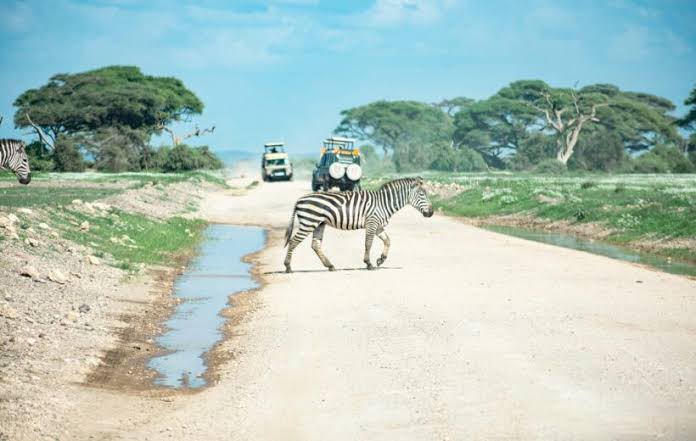
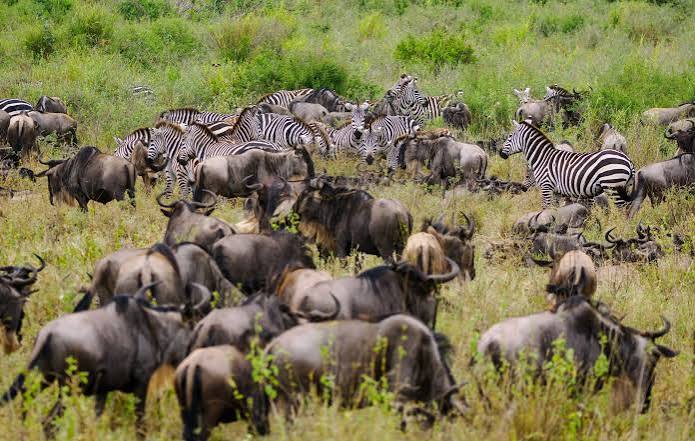
You may spend the first part of the morning driving through open grasslands while watching for movement. Then, suddenly, a herd of zebras can appear ahead. A few minutes later, giraffes may emerge between trees. In another area, buffaloes can gather around a water source.
These moments create the character of a safari.
You should also expect some waiting. Animals do not appear on demand, and predators often remain hidden. Patience therefore becomes one of the most valuable qualities on safari.
Weather can also change the experience. Kenya’s landscapes may look completely different under morning mist, bright sunshine, cloudy skies, or after rainfall. Roads can become dusty during dry periods and challenging after heavy rain.
Comfort also matters. Wear lightweight clothing, carry drinking water, use sun protection, and bring binoculars if possible. A camera with sufficient storage and battery power can help you preserve the experience.
Most importantly, expect to spend time observing rather than rushing. The strongest safari memories often come from quiet moments: watching a giraffe cross the plains, hearing birds around a wetland, or sitting beside a waterhole while animals gather nearby.
What Is the Best Time of Year for a One-Day Safari in Kenya?
Kenya offers safari opportunities throughout the year, so you can enjoy a one-day safari in different seasons. However, seasonal conditions influence wildlife viewing, road conditions, scenery, and overall comfort.
Dry periods often make wildlife easier to locate because animals concentrate around remaining water sources. Vegetation may also become thinner, improving visibility across open areas. For travelers who want efficient game viewing during a short trip, these conditions can provide an advantage.
The wetter months create a different experience. Rain transforms the landscape, vegetation becomes greener, and many areas develop a fresh and vibrant appearance. Birdlife can become especially interesting during these periods. However, rainfall can affect road conditions and may require more flexible planning.
The best time also depends on your personal priorities. Wildlife photographers may prefer particular lighting and seasonal conditions, while birdwatchers may value periods with strong bird activity. Travelers focused on general wildlife viewing can enjoy rewarding experiences across much of the year.
Therefore, do not assume that one month automatically guarantees the perfect safari. Instead, match the season with your expectations and destination.
For a one-day safari, flexibility matters even more because you have limited time to adapt. A knowledgeable safari operator can help you choose the destination and timing that best match your travel dates.
How Can You Make a One-Day Safari More Enjoyable?
The secret to a successful one day safari lies in preparation. Since you have limited time, small mistakes can have a large effect on the experience.
First, choose the right park. If convenience matters most, select a destination close to your accommodation. If a particular animal or landscape matters more, accept a longer journey when the destination provides a stronger opportunity.
Second, leave early. Early departures increase the amount of useful wildlife-viewing time and help you avoid unnecessary delays.
Third, work with an experienced guide. A good guide does much more than drive. The guide reads the environment, understands animal behavior, identifies tracks, explains ecosystems, and helps you appreciate conservation.
Fourth, pack intelligently. Bring comfortable clothing, sunglasses, sunscreen, a hat, drinking water, a camera, and binoculars if available. Avoid carrying unnecessary luggage because safari vehicles have limited space.
Finally, maintain realistic expectations. You may see incredible wildlife, but nature does not provide guarantees. Give yourself permission to enjoy the entire environment rather than focusing only on famous animals.
When you combine good planning with patience, a single day can become a powerful introduction to Kenya’s wildlife and conservation story.
Is a One-Day Safari Suitable for First-Time Visitors to Kenya?
A one day safari can be an excellent introduction for first time visitors, especially when the traveler has never experienced an African wildlife reserve. It provides a manageable way to understand how safari travel works before committing to a longer itinerary.
First time visitors can learn how game drives operate, how guides track wildlife, how animals interact with their surroundings, and why protected areas matter. The experience also introduces travelers to the rhythm of African landscapes.
For families, couples, solo travelers, and small groups, a one day safari can fit easily into a wider Kenya holiday. You can combine the safari with cultural experiences, coastal travel, hiking, or city exploration on other days.
However, travelers who have several days available should consider extending the safari. More days provide greater opportunities to explore different habitats and experience wildlife during different times of the day.
A one day safari works best when you view it as a concentrated wildlife experience rather than a complete Kenya safari. It gives you a taste of the country’s remarkable natural heritage while leaving room for other destinations.
For first time visitors, that balance can make the safari both accessible and memorable.
One-Day Safari vs. Multi-Day Safari in Kenya
The main difference between a one-day and multi day safari comes down to time, depth, and flexibility. A one day safari provides convenience and efficiency. A multi day safari gives you more opportunities to explore.
With one day, you can concentrate on a single destination and maximize the available game drive hours. This option works well for travelers with tight schedules or those adding a safari to another holiday.
A multi-day safari allows you to visit several ecosystems. You can spend more time observing animal behavior, explore different areas within a park, and travel between destinations without putting excessive pressure on each day.
For example, a longer itinerary can combine Nairobi National Park with the Great Rift Valley, Lake Nakuru, Maasai Mara, Amboseli, or other destinations depending on your interests and travel route.
Nevertheless, longer does not automatically mean better for every traveler. Someone with only one free day should not abandon the idea of a safari simply because they cannot spare a week.
Instead, choose the format that fits your schedule. A well organized one day safari can provide exceptional value when time is limited, while a multi day safari offers greater depth when your itinerary allows it.
The right safari is therefore not simply the longest safari. It is the safari that matches your time, interests, budget, and expectations.
Final Thoughts: Can You Really Do a One-Day Safari in Kenya?
Yes, you can absolutely do a one day safari in Kenya, and the experience can be highly rewarding when you plan it correctly. The most important decision involves choosing a destination that matches your available time. Nairobi National Park provides one of the strongest options for travelers who want convenient access to wildlife, while destinations such as Amboseli and Lake Nakuru can provide deeper experiences when you are prepared for longer travel times.
Start early, use your game drive hours wisely, travel with an experienced guide, and keep your expectations realistic. Most importantly, remember that a safari is about experiencing nature rather than collecting a checklist of animals.
Kenya offers remarkable wildlife, diverse landscapes, strong conservation areas, and safari experiences that can fit different travel schedules. Even one carefully planned day can introduce you to the beauty and power of African wildlife.
For travelers seeking dependable planning, local knowledge, professional safari guidance, and a well organized Kenya wildlife experience, Giant Holiday Safaris provides a trusted way to turn limited travel time into a meaningful African adventure.