How Much Does Ngorongoro Safari Cost
July 11, 2026
What Is the Best Time to Visit Ngorongoro
July 11, 2026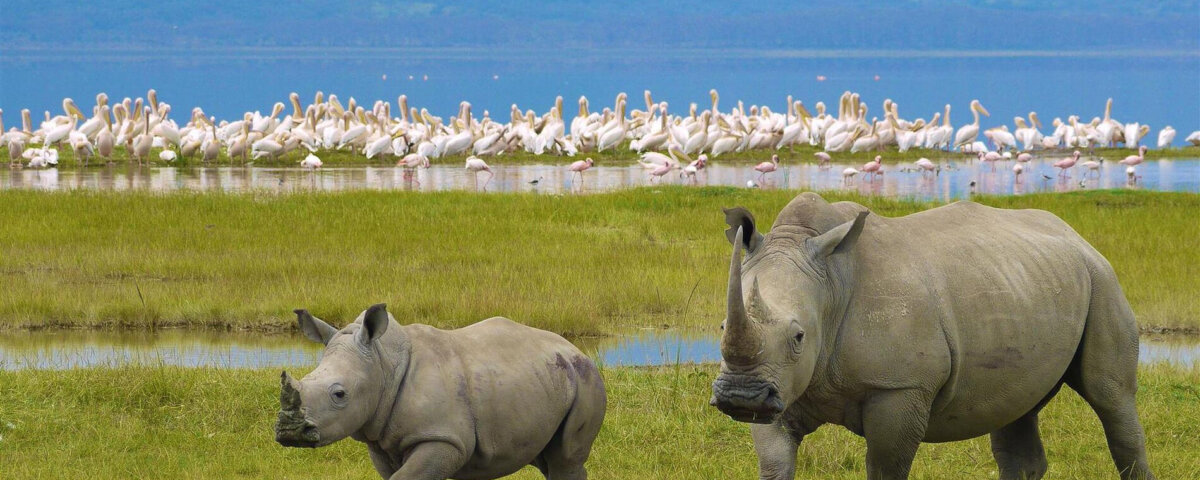
Can You See Rhinos in Ngorongoro Crater
Many travelers planning a Tanzania safari ask, can you see rhinos in Ngorongoro Crater? The answer is yes, and that is one of the biggest reasons why this remarkable destination attracts wildlife lovers from around the world. Ngorongoro Crater is one of the few places in East Africa where visitors have a realistic chance of seeing the endangered black rhino in its natural habitat. Although rhinos remain rare across the continent, careful conservation efforts have helped protect a healthy breeding population inside the crater.
Located within the Ngorongoro Conservation Area in northern Tanzania, the crater provides an ideal environment for wildlife. Its permanent water sources, open grasslands, swamps, forests, and natural protection created by the crater walls support thousands of animals throughout the year. This unique ecosystem makes wildlife viewing both rewarding and consistent, allowing visitors to enjoy unforgettable safari experiences regardless of the season.
Beyond rhinos, the crater is home to lions, elephants, buffaloes, hippos, zebras, wildebeest, hyenas, gazelles, flamingos, and hundreds of bird species. Together, these animals create one of Africa’s richest safari destinations. Whether you are visiting Tanzania for the first time or returning for another adventure, Ngorongoro Crater offers an incredible opportunity to experience nature at its finest while learning about one of the world’s most successful wildlife conservation areas.
Why Ngorongoro Crater Is One of the Best Places to See Rhinos
If you are wondering can you see rhinos in Ngorongoro Crater, you will be pleased to know that it is widely recognized as one of the best places in Tanzania to search for these magnificent animals. Unlike many protected areas where rhinos roam across vast landscapes, the crater’s enclosed environment allows conservation teams to monitor and protect them more effectively.
The steep crater walls create a natural barrier that limits animal movement while reducing many of the threats found elsewhere. Combined with dedicated anti-poaching programs, wildlife monitoring, and habitat management, these conditions have helped maintain one of Tanzania’s most important populations of endangered black rhinos.
Game drives usually begin early in the morning when wildlife is most active. Experienced safari guides communicate with one another throughout the day and often receive updates about recent rhino sightings. Their local knowledge greatly improves your chances of finding these elusive animals while respecting safe viewing distances.
Although no safari can guarantee a rhino sighting because the animals move freely, many visitors are fortunate enough to observe them grazing peacefully on the crater floor or walking slowly through open grasslands. Even seeing a rhino from a distance becomes a memorable experience because these magnificent animals are among Africa’s rarest wildlife species.
The opportunity to witness successful conservation in action also adds meaning to every sighting. Visitors leave with a deeper appreciation for the ongoing efforts that protect these remarkable animals for future generations.
Which Rhino Species Lives in Ngorongoro Crater
The rhino found inside Ngorongoro Crater is the eastern black rhino, one of the most endangered large mammals in Africa. Unlike the white rhino, which mainly grazes on grass, black rhinos are browsers. They feed on shrubs, leaves, young branches, and other vegetation found throughout the crater ecosystem.
Black rhinos are easy to recognize by their hooked upper lip, which helps them pull leaves from bushes. They are generally solitary animals and prefer quiet areas where they can feed without disturbance. Because they are naturally cautious, they often keep their distance from safari vehicles, making every sighting feel even more special.
Adult black rhinos can weigh well over one ton, yet they move with surprising speed when necessary. Despite their size, they have relatively poor eyesight and depend heavily on their excellent hearing and powerful sense of smell to detect danger. These natural adaptations have helped them survive for thousands of years in Africa’s changing landscapes.
Today, black rhinos face serious challenges due to habitat loss and illegal poaching in many parts of Africa. Fortunately, Ngorongoro Crater provides one of the safest environments for this endangered species. Conservation authorities work continuously to protect breeding populations, monitor animal health, and preserve the habitat they depend upon.
For many travelers, seeing an eastern black rhino is the highlight of an entire Tanzania safari. It is a rare privilege that reminds visitors of the importance of wildlife conservation and responsible tourism.
Where Rhinos Are Commonly Found Inside the Ngorongoro Crater
Although black rhinos roam freely throughout Ngorongoro Crater, they tend to spend more time in areas that provide food, water, and a sense of security. Since these animals naturally avoid busy locations, spotting one often requires patience, a knowledgeable guide, and a little luck. Even so, Ngorongoro Crater remains one of the most reliable places in Tanzania to search for this endangered species.
Rhinos frequently feed in open grasslands where they can easily move between patches of shrubs and bushes. They also visit areas near seasonal streams and freshwater springs, especially during warmer parts of the day. Because the crater supports a healthy variety of vegetation throughout the year, rhinos rarely need to travel long distances in search of food.
Experienced safari guides understand the animals’ daily habits and know which parts of the crater have recently produced sightings. Early morning game drives often provide the best opportunities because temperatures are cooler and wildlife is generally more active. Guides communicate with park rangers and other drivers, allowing them to share recent wildlife locations while ensuring that viewing remains responsible and does not disturb the animals.
Unlike lions or elephants, rhinos rarely stay in large open groups. Most adults live alone or with a calf, making them more difficult to locate. However, this challenge adds excitement to every safari. The moment a guide points toward a distant black rhino grazing peacefully across the crater floor becomes one of the most memorable experiences of the journey.
Visitors should always remember that rhinos are wild animals deserving respect. Viewing them from a safe distance allows them to continue their natural behavior while giving guests an authentic wildlife encounter that supports responsible tourism.
Why Rhinos Are Rare Across Africa but Protected Here
Black rhinos once lived across large areas of eastern and southern Africa. Unfortunately, their numbers declined dramatically over several decades because of illegal poaching and habitat loss. Demand for rhino horns led to severe population declines, placing the species among the world’s most endangered large mammals.
Ngorongoro Crater has become one of the strongest success stories in rhino conservation. The unique geography of the crater makes wildlife protection more effective than in many other regions. The surrounding crater walls create a natural boundary that helps conservation authorities monitor wildlife movement while making anti-poaching patrols more efficient.
Highly trained rangers patrol the conservation area every day, working tirelessly to protect endangered species. Modern conservation programs also include wildlife monitoring, habitat management, scientific research, and veterinary care whenever necessary. Together, these efforts have helped stabilize the black rhino population and improve breeding success.
Responsible tourism also plays an important role. Every visitor who enters the Ngorongoro Conservation Area contributes through park fees that help fund conservation projects, wildlife protection, community development, and environmental education. By choosing ethical safari experiences, travelers directly support the long-term survival of black rhinos and many other species.
This successful partnership between conservation authorities, local communities, safari operators, and visitors demonstrates that wildlife protection can produce lasting results. Seeing a black rhino in Ngorongoro Crater is therefore much more than a wildlife sighting. It is a powerful reminder that dedicated conservation efforts can protect endangered animals for future generations.
Other Wildlife You Can See During a Rhino Safari
While many visitors arrive hoping to see black rhinos, the rest of the Ngorongoro Crater offers equally remarkable wildlife encounters. The crater supports an extraordinary concentration of animals, making every game drive exciting from beginning to end.
Large herds of wildebeest, zebras, and gazelles graze across the open plains throughout the year. Their constant movement attracts predators such as lions, spotted hyenas, and occasionally cheetahs in nearby conservation areas. Lions are among the easiest predators to observe, often resting beneath trees or watching grazing animals from short distances.
Massive Cape buffaloes move through the grasslands in impressive herds, while elephants wander between forests and open plains searching for food. Mature bull elephants with enormous tusks are among the most photographed animals inside the crater.
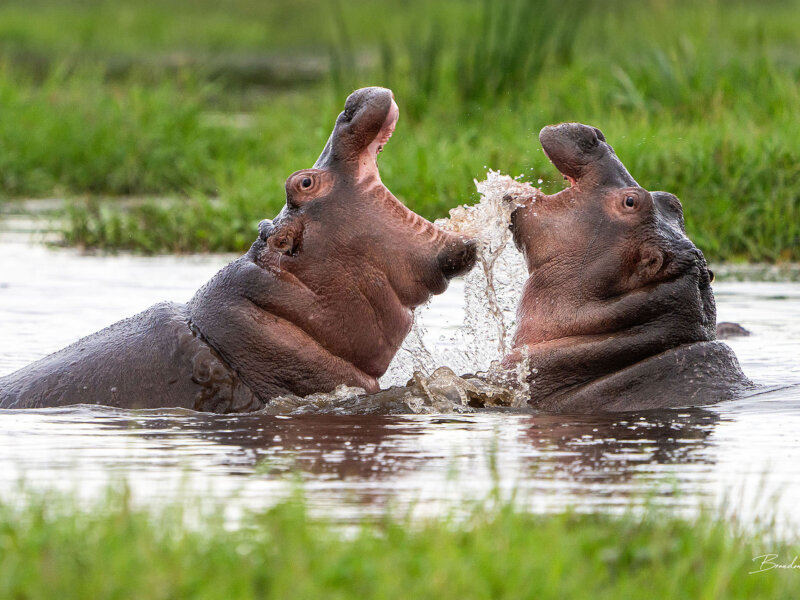
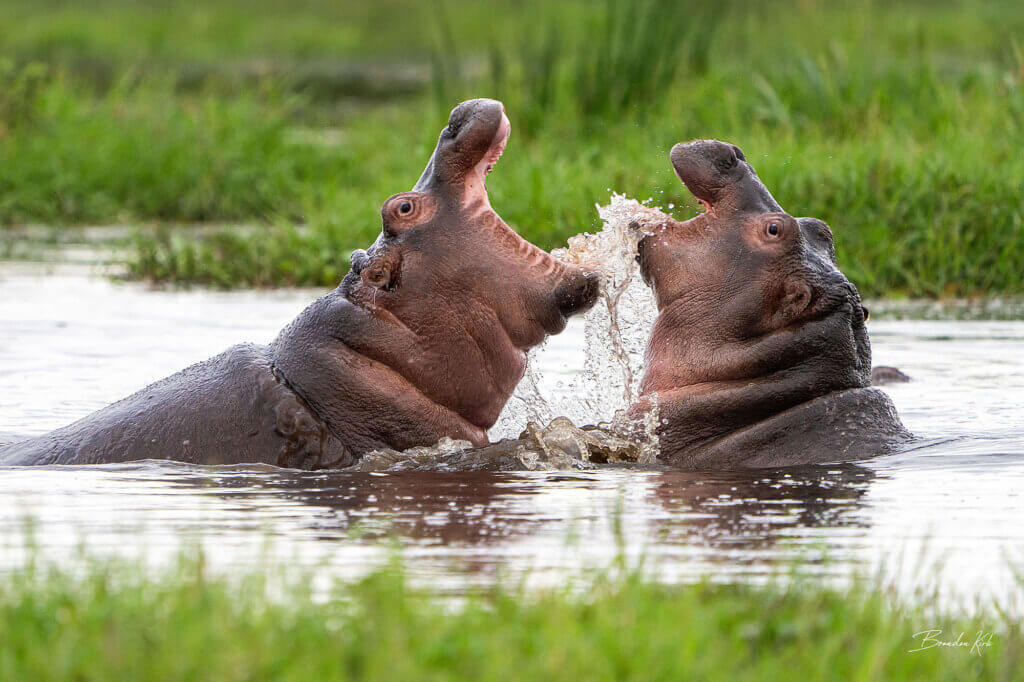
Hippos spend much of the day relaxing in freshwater pools before becoming more active later in the afternoon. Warthogs, jackals, serval cats, baboons, vervet monkeys, and numerous antelope species add even more diversity to every safari.
Bird enthusiasts also find endless opportunities for observation. Lake Magadi attracts elegant pink flamingos during certain seasons, while crowned cranes, ostriches, secretary birds, eagles, vultures, storks, and colorful kingfishers can all be seen across different habitats within the conservation area.
Because such a wide variety of wildlife lives inside a relatively small area, visitors rarely experience a quiet game drive. Every turn reveals something new, whether it is a family of elephants crossing the road, a lion pride resting in the shade, or a distant rhino grazing peacefully against the spectacular backdrop of the crater walls.
Many travelers who visit with Giant Holiday Safaris discover that searching for rhinos becomes only one part of an unforgettable safari filled with extraordinary wildlife, breathtaking landscapes, and meaningful conservation experiences. By the end of the day, most guests leave with a greater appreciation for the remarkable biodiversity that makes Ngorongoro Crater one of Africa’s greatest natural treasures.
Best Time to See Rhinos in Ngorongoro Crater
One of the biggest advantages of visiting Ngorongoro Crater is that rhinos live inside the conservation area throughout the year. Unlike the Great Migration, which follows seasonal movement across northern Tanzania and southern Kenya, black rhinos remain within the crater ecosystem. This means visitors have an opportunity to search for them regardless of the month they choose to travel.
Even though rhinos stay in the crater year-round, some seasons offer slightly better viewing conditions. The dry season, which usually runs from June to October, is especially popular because the weather is cooler, vegetation becomes shorter, and wildlife is easier to spot across the open plains. During this period, roads remain in excellent condition, making game drives comfortable and enjoyable.
The green season, from November through May, offers a different but equally rewarding experience. Rainfall transforms the crater into a lush landscape filled with vibrant grasses, colorful wildflowers, and beautiful scenery. Although taller vegetation may sometimes make wildlife slightly harder to locate, experienced safari guides continue to find rhinos by understanding their feeding habits and preferred habitats.
Early morning game drives often provide the highest chance of seeing rhinos. Wildlife is generally more active before temperatures rise, and the soft morning light creates excellent conditions for photography. Afternoon drives also produce rewarding sightings, particularly near water sources where animals gather to drink.
No matter when you visit, patience remains an important part of every safari. Every game drive is unique, and the excitement of searching for one of Africa’s rarest animals makes every moment inside the crater worthwhile.
Tips for Improving Your Rhino Sighting Chances
Although Ngorongoro Crater offers one of the best opportunities to see black rhinos in East Africa, there is never a guaranteed sighting because these are wild animals living in their natural environment. Fortunately, several practical strategies can improve your chances of success.
Booking a full-day game drive gives your guide more time to explore different parts of the crater. Instead of rushing through the experience, you can patiently search multiple habitats where rhinos are known to feed or rest.
Choosing an experienced safari guide also makes a significant difference. Professional guides understand rhino behavior, recognize fresh tracks, and communicate with park rangers and other guides about recent wildlife movements. Their local knowledge often leads visitors to incredible sightings that might otherwise be missed.
High-quality binoculars also improve the experience. Rhinos often remain at a distance to avoid disturbance, and binoculars allow you to appreciate details such as their distinctive horns, powerful bodies, and natural behavior without approaching too closely.
Remaining quiet inside the safari vehicle helps create a better wildlife experience for everyone. Loud noises can disturb animals and reduce opportunities to observe their natural behavior. Respecting park regulations also supports long-term conservation by minimizing unnecessary stress on wildlife.
Finally, approach every safari with realistic expectations. Even if a rhino remains hidden, the crater offers extraordinary opportunities to see lions, elephants, buffaloes, hippos, hyenas, flamingos, zebras, and countless other species. Every drive becomes rewarding because the wildlife diversity is simply exceptional.
Why Conservation Makes Every Rhino Sighting Special
Every black rhino seen inside Ngorongoro Crater represents decades of dedicated conservation work. These magnificent animals once faced dramatic population declines across Africa due to illegal poaching and habitat destruction. Today, careful protection has helped secure one of Tanzania’s most valuable rhino populations.
Wildlife authorities invest significant resources in protecting the crater’s rhinos. Anti-poaching patrols operate throughout the conservation area, while researchers regularly monitor the animals’ health, movements, and breeding success. These efforts ensure that future generations will continue to experience this remarkable species in the wild.
Conservation also extends beyond protecting wildlife. Local communities play an important role in preserving the environment through sustainable tourism and responsible land management. Revenue generated by tourism helps fund conservation projects, supports local employment, and contributes to education programs that encourage long-term environmental stewardship.
Visitors become part of this success story simply by choosing responsible safari experiences. Park entrance fees and conservation charges directly support the protection of endangered species and their habitats. Every safari therefore contributes to preserving one of Africa’s most valuable ecosystems.
Seeing a black rhino grazing peacefully across the crater is more than an exciting wildlife encounter. It is living proof that conservation efforts can make a real difference when governments, local communities, conservation organizations, safari operators, and travelers work together toward a common goal.
Planning a Safari to Ngorongoro Crater
A well-planned safari allows you to enjoy the very best of Ngorongoro Crater while exploring other famous attractions across northern Tanzania. Many visitors include the crater as part of a longer itinerary featuring Serengeti National Park, Tarangire National Park, and Lake Manyara National Park.
Booking several months in advance is recommended, especially if you plan to travel during the peak dry season. Early reservations provide greater accommodation choices and allow more flexibility when designing your safari itinerary.
Packing appropriately also improves your overall experience. Lightweight clothing in neutral colors, comfortable walking shoes, sunscreen, sunglasses, insect repellent, and a warm jacket for early morning game drives are all practical items to include. A camera with a zoom lens and quality binoculars help you appreciate distant wildlife while capturing unforgettable photographs.
Travelers should also allow enough time to fully experience the crater. Although a single day offers excellent wildlife viewing, combining your visit with nearby destinations creates a richer understanding of Tanzania’s diverse landscapes and ecosystems.
Working with an experienced safari company ensures every part of your journey runs smoothly, from transportation and accommodation to knowledgeable guides who share fascinating insights throughout the adventure.
Experience the Magic of Seeing Rhinos in Ngorongoro Crater
If you have been asking, can you see rhinos in Ngorongoro Crater, the answer is undoubtedly yes. More importantly, you have the opportunity to witness one of Africa’s greatest conservation achievements while exploring one of the continent’s most spectacular natural landscapes.
Although black rhinos remain rare, Ngorongoro Crater continues to provide one of the best places to observe them in the wild. Combined with incredible scenery, abundant wildlife, rich Maasai culture, and outstanding safari experiences, the crater offers far more than a simple game drive. It creates lasting memories that stay with visitors long after they return home.
Every journey into the crater reveals something different. One day may bring unforgettable rhino sightings, while another showcases lions on the hunt, elephants moving through forests, or thousands of flamingos decorating Lake Magadi. This variety makes every safari unique and encourages many travelers to return again.
Giant Holiday Safaris designs carefully planned Tanzania safari experiences that help guests discover the remarkable wildlife, breathtaking scenery, and authentic cultural heritage of Ngorongoro Crater. Whether your dream is to see the endangered black rhino or simply experience one of Africa’s finest safari destinations, Ngorongoro Crater offers an unforgettable adventure filled with discovery, inspiration, and lasting appreciation for the natural world.
Combined Uganda, Kenya, Rwanda and Tanzania Safaris
17 days Kenya Tanzania and Uganda safari
19 Days Uganda Kenya and Tanzania Safari
16 Days Kenya Tanzania and Uganda Safari
14 Days Kenya Uganda and Tanzania Safari
14 Days Kenya Uganda and Rwanda Safari