Can you wear black while gorilla trekking?
November 15, 2025
Combining Tanzania and Uganda Safaris
November 17, 2025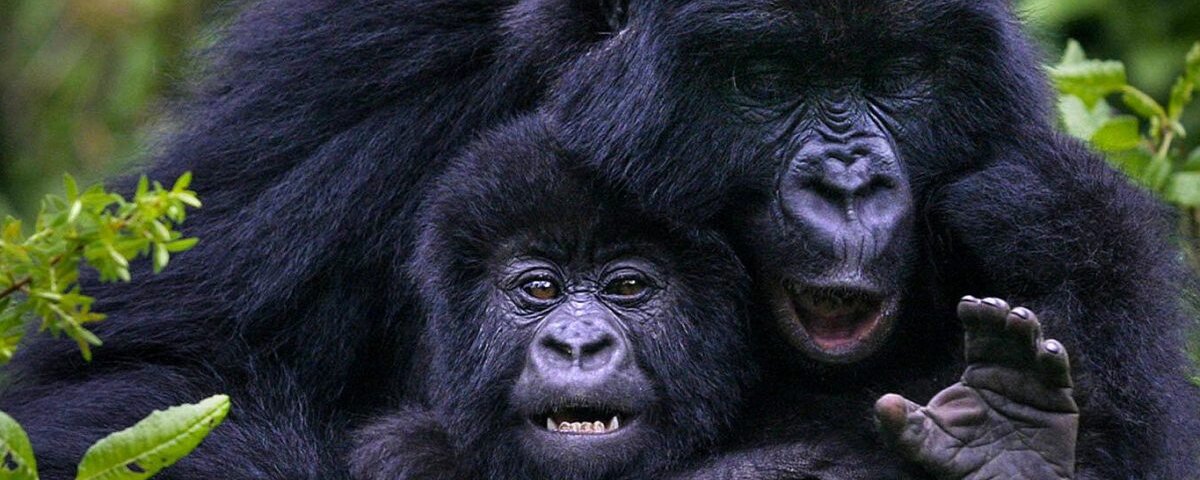
Difference between Gorilla Tracking and Trekking
Many travelers ask about the difference between gorilla tracking and trekking, and the two terms create confusion. Gorilla trekking refers to the full experience of hiking through the forest to locate a gorilla family. It focuses on the journey, the forest walk, and the adventure involved in reaching the gorillas. Gorilla tracking, on the other hand, describes the process rangers use to locate the gorillas before tourists arrive. These rangers follow fresh nest sites, footprints, broken plants, and dung to understand daily movement patterns. They communicate with guides to help them lead trekkers to the gorilla families. Therefore, trekking describes the guest experience, while tracking describes the ranger’s behind-the-scenes work. Knowing this helps travelers appreciate the effort that goes into every successful encounter.
This clarity also strengthens your understanding of the conservation side of gorilla tourism. Daily monitoring keeps gorilla groups safe and healthy. Rangers track behavior patterns, feeding habits, and possible threats. Their work protects habitats and ensures gorillas remain calm when visitors arrive. Because of this teamwork between rangers and guides, travelers enjoy a smooth, safe, and respectful encounter. Understanding both terms also helps you communicate more confidently when planning a safari with a tour operator.
Which Gorilla Destination Offers the Most Rewarding Experience?
Choosing where to trek gorillas is one of the most important decisions in planning your safari. Each destination offers a unique trekking style and atmosphere that fits different travelers. Uganda remains one of the most popular choices because it hosts almost half of the world’s remaining mountain gorillas. Bwindi Impenetrable National Park contains several habituated families spread across different sectors. This gives travelers many options with varying terrain, accommodation levels, and trek difficulty. Mgahinga Gorilla National Park offers a quieter, less crowded experience for visitors who want peaceful surroundings and the chance to see the Nyakagezi family.
Rwanda’s Volcanoes National Park attracts travelers who want a more comfortable and well-organized experience. Treks here often feel shorter and less physically demanding because the terrain has more open areas. Rwanda invests heavily in tourism and conservation, creating a premium experience for visitors. This option suits travelers who have limited time or prefer smoother logistics. Congo’s Virunga National Park provides a wilder and more adventurous trek. The experience appeals to travelers who want remote forests, intense encounters, and opportunities to combine gorilla trekking with volcano hikes. Although Congo requires more preparation, it offers unmatched richness for adventurous explorers. Overall, the best gorilla destination depends on your budget, fitness level, and preferred style of travel.
How Can Travelers Combine Mountain Gorillas with Classic African Wildlife?
Many travelers ask how to create an itinerary that blends gorilla trekking with wildlife safaris. East Africa provides several ways to combine both experiences smoothly. Uganda offers a perfect balance because it includes gorillas, chimpanzees, savannah parks, and boat safaris. Visitors often create itineraries with Bwindi for gorillas, Queen Elizabeth National Park for lions, elephants, and hippos, and Kibale Forest for chimpanzee tracking. Rwanda offers a similar experience when combined with the famous Akagera National Park, a park known for the Big Five. Travelers enjoy gorillas in Volcanoes National Park and then drive to Akagera for lions, rhinos, elephants, buffaloes, and leopards.
Combining gorilla trekking and wildlife safaris gives travelers a complete African holiday. The contrast between dense forests and wide savannah brings variety, excitement, and a deeper appreciation for habitats. While gorilla trekking requires patience and hiking, wildlife safaris bring relaxed game drives, sunsets, and scenic landscapes. This balance appeals to families, honeymooners, solo travelers, and adventure lovers. Because East Africa has strong tourism infrastructure, travelers enjoy smooth transfers, comfortable lodges, and professional guides throughout their journey. This combination also strengthens your travel value, allowing you to experience primates, savannah wildlife, and unique cultures in one trip.
What Is the Price of Gorilla Permits in Uganda Compared to Rwanda?
Travelers planning gorilla trekking often ask about the cost of gorilla permits in Uganda and the cost of gorilla permits in Rwanda. Uganda offers one of the most affordable gorilla trekking experiences among the three major destinations. Its permits cost less and include a full day of trekking, park entry, guiding, and ranger services. Because Uganda has many gorilla families, travelers enjoy a wide range of trekking options and availability.
Rwanda positions itself as a premium gorilla destination. Its permits cost significantly more, creating a high-end experience that attracts luxury travelers. The higher cost supports conservation and community projects. Rwanda maintains a well-organized trekking process with strong tourism systems that give visitors smooth logistics and shorter treks.
Understanding the difference in permit prices helps travelers choose a destination that fits their budget and expectations. Uganda suits travelers who want variety, affordability, and longer holidays. Rwanda suits travelers who want a premium experience with excellent service and minimal logistical stress. Congo offers another option with lower permit costs, but it appeals to more adventurous travelers seeking rugged terrain. When comparing all three, the choice always depends on budget, comfort level, and preferred style of travel.
What Is the Minimum Age for Gorilla Trekking?
Many families planning safaris ask about the gorilla trekking age limit in Uganda and Rwanda. Both countries set the minimum age at 15 years. This rule helps ensure the safety of both visitors and gorillas. Younger children may have difficulty completing long hikes, remaining quiet near gorillas, or following strict safety guidelines. The age limit helps protect gorillas from diseases because young children often carry infections more easily. This rule also keeps the trekking experience calm, predictable, and safe for everyone involved.
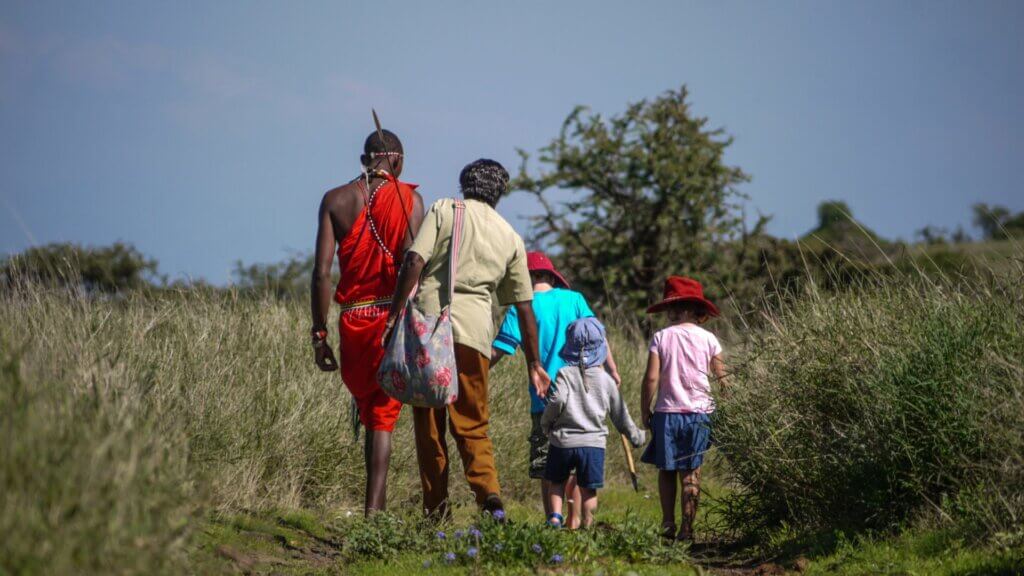
Families with younger children can still enjoy safaris by combining gorilla trekking with other activities that suit all ages. Uganda offers wildlife game drives, boat trips, nature walks, and cultural experiences that children enjoy. Rwanda also offers family-friendly experiences in Akagera National Park. While children under 15 cannot trek gorillas, they still enjoy other attractions that make the safari holiday complete. Families often plan their trips so one adult treks gorillas while the other stays with the younger children, then switch on the next day. This flexible approach helps families enjoy the best that East Africa offers.