Low season and chimpanzee trekking permit discount
November 15, 2025
Difference between Gorilla Tracking and Trekking
November 16, 2025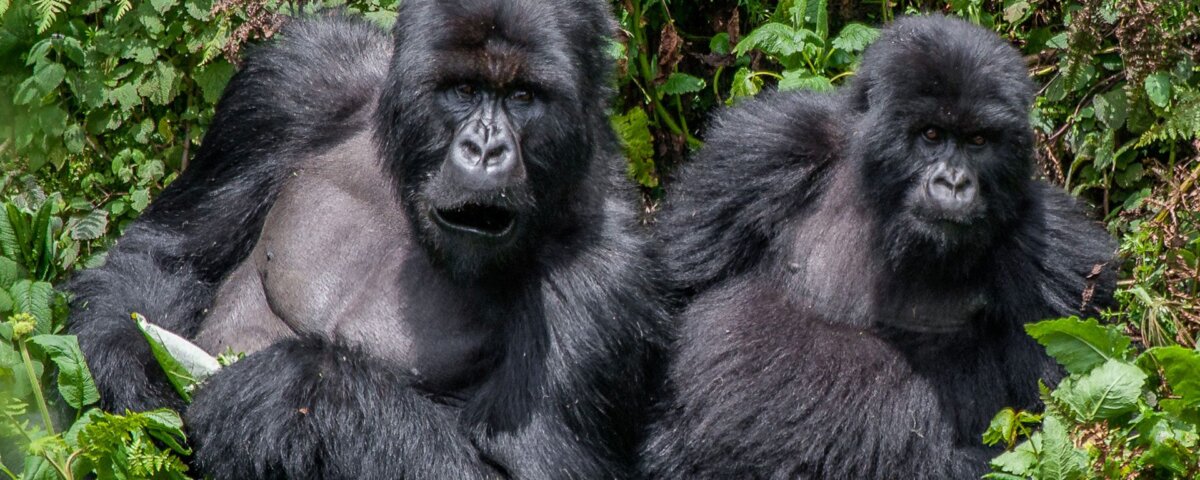
Can you wear black while gorilla trekking?
Can you wear black while gorilla trekking: Gorilla trekking is an extraordinary experience that offers a rare opportunity to observe gorillas in their natural habitat. However, preparing for such an adventure requires careful consideration including your choice of clothing. One common question among trekkers is whether wearing black is appropriate for gorilla trekking. The short answer is that wearing black is generally not recommended for gorilla trekking because of these reasons.
Darker colors such as black tend to attract insects particularly tsetse flies and mosquitoes. These insects are prevalent in many tropical and forested areas where gorilla trekking takes place. Wearing black could increase your chances of being bitten which not only causes discomfort but also carries potential health risks such as malaria or other insect-borne diseases.
Can you wear black while gorilla trekking?
Another reason is that black clothing absorbs heat more than lighter colors which can make you feel uncomfortably warm during the trek. Gorilla trekking often involves hiking through dense forests and steep terrain for several hours. The physical exertion combined with the heat can be exhausting, so wearing lightweight, breathable clothing in neutral or earthy tones is a better choice to help regulate your body temperature.
Gorilla trekking in black clothes is not recommended because many gorilla conservation authorities provide specific guidelines on appropriate attire to ensure both safety and comfort for trekkers and to protect the animals. These guidelines typically discourage wearing black or bright colors. Following these recommendations shows respect for the environment and the wildlife you are visiting.
Can you wear black while gorilla trekking
Neutral and earthy tones like khaki, green or brown are recommended for gorilla trekking because they allow you to blend into the natural environment. This minimizes disturbance to the gorillas and other wildlife. Bright or dark colors including black, may stand out too much and could potentially alarm or agitate the animals.
What should you wear while gorilla trekking?
- Long-sleeved shirts and long trousers in neutral colors like green, brown or beige to protect against insect bites and scratches from vegetation.
- Wear comfortable, sturdy hiking boots to cross uneven terrain.
- Choose a lightweight rain jacket as weather conditions in tropical forests can change unexpectedly.
- Take a wide-brimmed hat or cap for sun protection.
- Pack gaiters or thick socks to protect your ankles from mud and insects.
What do you need to know before gorilla trekking in Uganda
Gorilla trekking is a unique and rare experience that allows travelers to observe one of the planet’s most fascinating and endangered species in their natural habitat. Whether you plan to trek through the misty mountains of Rwanda, Uganda or the Democratic Republic of Congo (DRC), preparation is key to ensuring a safe, enjoyable and ethical adventure. In our article, we outline the essential things you need to know before embarking on this unforgettable gorilla trekking experience.
Understand the basics of gorilla trekking
Gorilla trekking involves hiking through dense forests and rugged terrain to find habituated gorilla families. These are groups of gorillas that have become accustomed to human presence after years of careful interaction by researchers and conservationists. Gorilla trekking can last anywhere from one to eight hours depending on the location of the gorillas, so physical fitness and patience are crucial.
Know the most popular destinations for gorilla trekking
In Rwanda, it is Volcanoes National Park. In Uganda, gorilla trekking is done from Bwindi Impenetrable Forest National Park and Mgahinga Gorilla National Park while in DRC, it is done from Virunga National Park. Each gorilla trekking destination offers unique experiences but all are committed to conserving these critically endangered animals while providing sustainable tourism opportunities.
Obtain the necessary trekking permits
A gorilla trekking permit is mandatory as it helps fund conservation efforts and limits the number of visitors to protect the gorillas. The cost of a permit varies by country for example it costs approximately $1,500 per person in Rwanda, $700 per person in Uganda and approximately $400 per person in DRC. Gorilla trekking permits are limited and can sell out months in advance especially during peak seasons of June to September and December to February. It is advisable to book your permit as early as possible through licensed tour operators like Giant Holiday Safaris.
Prepare physically for the trek
Gorilla trekking can be physically demanding as it often involves hiking through steep slopes, muddy trails and thick vegetation at high altitudes. To prepare, engage in regular cardio exercises like hiking, running, or cycling. Also practice walking on uneven terrain if possible. You can consider altitude training if you are not used to high elevations. While porters are available to carry your belongings and assist you during the trek for a small fee, being in good physical shape will significantly enhance your gorilla trekking experience.
Pack the right gear
Having the right equipment can make your gorilla trekking experience more comfortable and enjoyable.
Follow conservation guidelines
Gorilla trekking is designed to minimize human impact on these endangered animals. Strict guidelines are in place to protect both the gorillas and their habitat. Maintain a distance of at least 7 meters from the gorillas at all times. These rules not only safeguard the gorillas but also ensure that future generations can enjoy this extraordinary gorilla trekking experience.
Be prepared for varying weather conditions
The regions where mountain gorillas live are characterized by unpredictable weather due to their high altitude and tropical climate. Even during the dry season, rain is common. Dressing in layers and bringing waterproof gear will help you stay comfortable regardless of the weather.
Respect local communities
Gorilla trekking often involves passing through villages or interacting with local communities. Respect their culture and traditions by seeking permission before taking photos, purchasing local crafts and engaging in polite conversation. Many communities benefit directly from gorilla tourism through employment opportunities and revenue-sharing programs, so your visit contributes to their well-being.
Health precautions
Before traveling, ensure you are up-to-date on vaccinations recommended for the region such as yellow fever, typhoid and hepatitis A and B. Malaria is also prevalent in many gorilla trekking destinations, so consult your doctor about anti-malarial medication. Additionally, pack a basic first aid kit with items like bandages, antiseptic wipes, pain relievers and any personal medications you may need.
Hire a porter
Hiring a porter is highly recommended for gorilla trekking. These local workers can carry your backpack, assist you on challenging parts of the trail, and provide support during steep climbs. Not only does this make your gorilla trekking more manageable but it also supports local livelihoods.
Be patient and flexible
Gorilla trekking is not a guaranteed encounter with wildlife at a specific time or place. The experience requires patience as guides track the gorillas’ movements in real-time. Once you find them, you will have up to one hour to observe their behavior as they feed and live their daily lives.
What rules should I know before gorilla trekking in Uganda?
- Maintain a distance of at least 7 meters from the gorillas at all times.
- Do not eat near gorillas
- Do not drink near gorillas
- Do not smoke near the gorillas.
- Avoid making loud noises or sudden movements that could scare gorillas.
- If you feel unwell especially with symptoms of a cold or flu, inform your guide because gorillas are highly susceptible to human diseases.
- Follow your guide’s instructions at all times while gorilla trekking in Uganda.
Is gorilla trekking expensive in Uganda?
Gorilla trekking in Uganda is considered a memorable experience but it can be relatively expensive compared to other wildlife activities. The primary cost involved is the gorilla trekking permit which is issued by the Uganda Wildlife Authority and it costs approximately $800 per person for international tourists, $600 for foreign residents and UGX 250,000 for East African citizens. This fee allows visitors to spend one hour with a habituated gorilla family in either Bwindi Impenetrable National Park or Mgahinga Gorilla National Park. Additional expenses include accommodation, transportation and guide services. Lodging options range from budget to luxury, allowing travelers to tailor their experience based on their budget.
Transportation costs can also vary depending on whether you opt for private or group transfers to the gorilla trekking sites. While the cost may seem high, it is important to note that a significant portion of the fees contributes to gorilla conservation efforts, local community development and park management. For many, the opportunity to observe mountain gorillas in their natural habitat justifies the expense. Careful planning and working with reputable tour operators like Giant Holiday Safaris can help ensure a fulfilling and cost-effective gorilla trekking experience.
Where can you do gorilla trekking in Uganda
Bwindi Impenetrable National Park is the most popular destination for gorilla trekking in Uganda. Located in southwestern Uganda, this UNESCO world heritage site is renowned for its dense rainforest which provides a sanctuary for approximately 459 mountain gorillas. The park is divided into four trekking sectors of Buhoma, Ruhija, Rushaga and Nkuringo, each offering a unique gorilla trekking experience. Bwindi Impenetrable National Park is home to several habituated gorilla families, allowing visitors to observe gorillas up close. Gorilla trekking here also provides an opportunity to explore the rich biodiversity of the forest which includes over 120 mammal species and 350 bird species.
Mgahinga Gorilla National Park is another destination. Though smaller than Bwindi Impenetrable National Park, Mgahinga Gorilla National Park is another excellent location for gorilla trekking. Situated on the slopes of the Virunga Mountains, this park is part of the larger Virunga Conservation area shared by Uganda, Rwanda and the Democratic Republic of Congo. Mgahinga Gorilla National Park is home to one habituated gorilla family known as the Nyakagezi group. The park’s scenic landscapes featuring volcanic peaks and lush vegetation, enhance the gorilla trekking experience. Additionally, Mgahinga Gorilla National Park offers opportunities to explore golden monkey tracking and cultural encounters with the Batwa people.
Essential items to pack while gorilla trekking
- Hiking waterproof boots with good ankle support.
- Take lightweight, moisture-wicking layers of clothes with long sleeves and pants that are recommended to protect you against insects and thorny plants.
- Pack a rain gear. The forests are often damp and sudden rain showers are common.
- Take gardening gloves to protect your hands when grabbing onto branches or vines.
- Take a small, waterproof backpack ideal for carrying essentials like water, snacks and a camera.
- Have a walking stick. These are often provided by park authorities or porters but bring your own if you prefer.
- Bring an insect repellent to guard against mosquitoes and other insects.
- Take a sunscreen and hat because even in dense forests some areas may be exposed to the sun.
- Bring a good camera with a zoom lens recommended for capturing memorable moments from a safe distance.
What to expect during gorilla trekking
Gorilla trekking typically begins early in the morning with a briefing from park rangers at the park headquarters who provide information on safety and guidelines. Gorilla treks can vary in length and difficulty, lasting anywhere from one to several hours depending on the location of the gorilla family. Once you find the gorillas, you are allowed to spend one magical hour observing their behavior, interactions and environment. Gorilla trekking permits are required for gorilla trekking and it is advisable to book them in advance due to high demand. Book yours conveniently today with Giant Holiday Safaris.
Best Time for Gorilla Trekking : Can you wear black while gorilla trekking
The best time to go gorilla trekking in Uganda is during the dry seasons which are from June to September and December to February. During these months, trails are less muddy and easier to navigate. However, gorilla trekking is available all year round and each season offers its own unique charm.