Best place for chimpanzee trekking in Uganda
June 24, 2025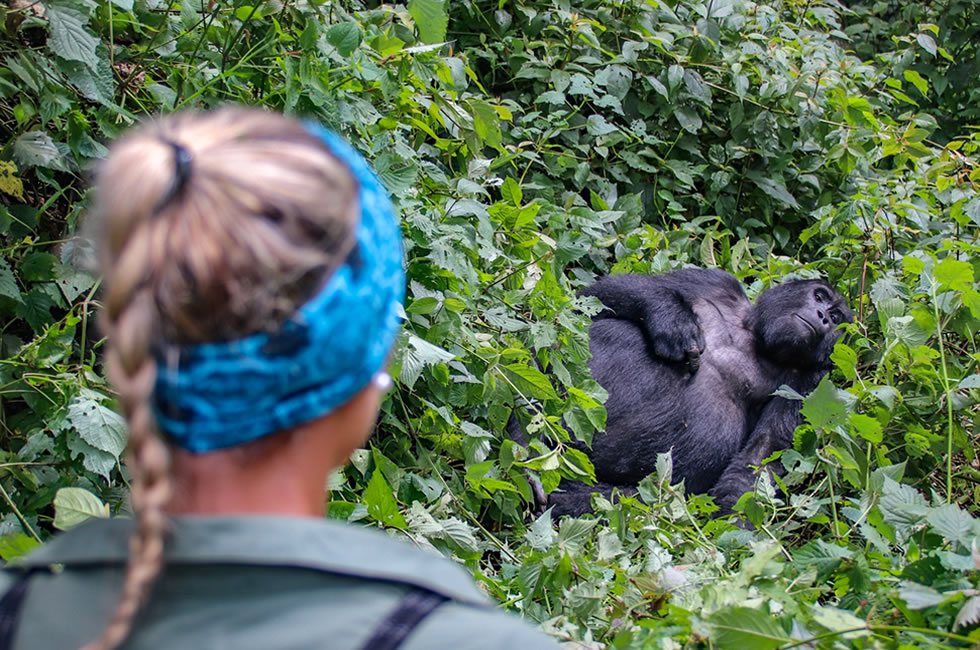
What is gorilla tourism?
June 27, 2025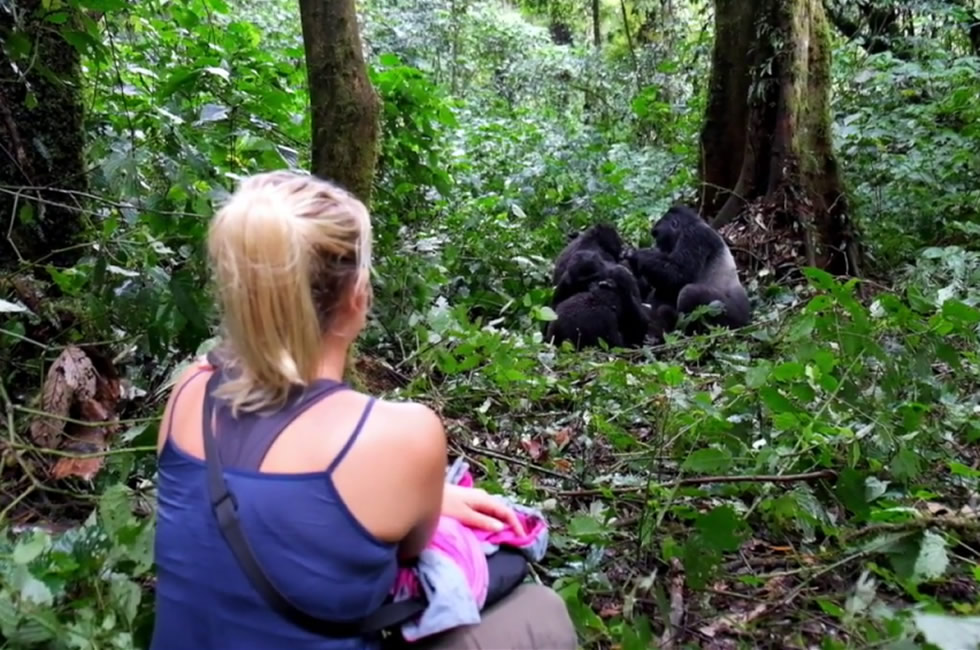
Gorilla habituation verses gorilla trekking in Uganda
When planning a gorilla adventure in Uganda, visitors have two options which are gorilla trekking verses gorilla habituation. While both experiences offer the chance to see gorillas up close, an increasing number of tourists are opting for gorilla habituation because of these reasons.
More time with the gorillas. One of the most compelling reasons tourists choose gorilla habituation is the extended time they get to spend with these incredible animals. Traditional gorilla trekking allows visitors to observe a gorilla family for one hour once they are located. In contrast, gorilla habituation offers a rare opportunity to spend up to four hours with a gorilla group. For wildlife enthusiasts and photographers, those extra hours are priceless. It allows for a deeper connection, more observation of their behavior and plenty of time to capture those perfect shots.
A unique behind the scenes experience. Gorilla habituation is not just about observing gorillas. It is about being part of their journey to becoming accustomed to human presence. Gorilla habituation involves researchers, trackers and conservationists working with wild gorilla groups over months or even years to help them feel comfortable around humans. By joining a habituation experience, tourists get a behind the scenes look at this fascinating process. They witness how experts interact with the gorillas, take part in data collection activities and gain insights into the conservation efforts that go into protecting these endangered animals.
A deeper connection with nature. For many travelers, gorilla habituation feels like a more immersive and authentic experience. Spending four hours in the company of gorillas allows visitors to observe their daily routines in greater details of how they feed, play, groom one another and interact within their family groups. This extended time fosters a deeper appreciation for their intelligence, social structures and gentle nature.
Smaller group sizes. Another significant advantage of gorilla habituation is the smaller group size. While traditional gorilla trekking groups can include up to eight tourists, habituation groups are limited to just four people per day. This exclusivity creates a more intimate and personalized experience. In smaller groups, there is less noise and disturbance, allowing visitors to feel more at one with the environment and the gorillas themselves.
A chance to support conservation efforts. By choosing gorilla habituation, tourists directly contribute to conservation efforts in Uganda. The fees collected for habituation permits go toward funding research, anti-poaching patrols, community development projects and other initiatives aimed at protecting mountain gorillas and their habitats. For many travelers, knowing that their visit is making a positive impact adds an extra layer of meaning to the experience.
An opportunity for learning. Gorilla habituation is not just an adventure; it is an educational experience. Throughout the day, participants are accompanied by expert guides, trackers and researchers who share their extensive knowledge of gorillas and the forest ecosystem. Visitors learn about gorilla behavior, diet, communication methods and the challenges they face in the wild. This deeper understanding often leaves travelers feeling inspired to advocate for wildlife conservation long after their trip is over.
A slower pace. Traditional gorilla trekking can sometimes feel rushed due to time constraints. Once a gorilla group is located, trekkers have just one hour to observe them before heading back. Gorilla habituation, on the other hand offers a more relaxed pace. Visitors have ample time to soak in the experience without feeling hurried. This slower pace is especially appealing to those who want to fully immerse themselves in the moment and enjoy every second of their time with the gorillas.
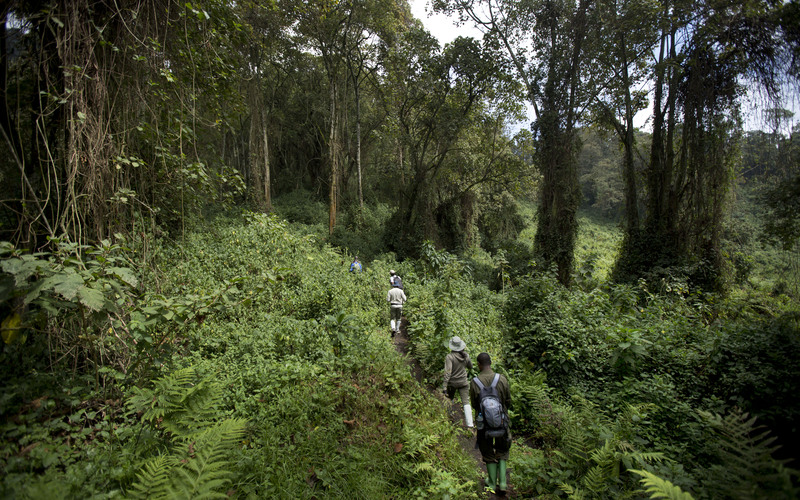
A sense of adventure. Gorilla habituation often involves trekking deeper into the forest compared to traditional gorilla trekking. Since habituation groups are still in the process of becoming accustomed to humans, they are typically found in more remote areas of Bwindi Impenetrable National Park. For adventurous travelers, this adds an extra thrill to the experience. The journey through dense vegetation and rugged terrain enhances the sense of exploration and makes finally encountering the gorillas all the more rewarding.
Fewer visitors opt for habituation. While gorilla trekking is incredibly popular and permits can sell out quickly during peak seasons, fewer tourists opt for gorilla habituation due to its higher cost and limited availability. This means that those who do choose habituation often enjoy a quieter and less crowded experience overall. For travelers seeking exclusivity and tranquility, this is a major draw.
A chance to be Part of something bigger. Many tourists are drawn to gorilla habituation because it allows them to play an active role in conservation efforts. By participating in this unique experience, visitors are not just observing, they are contributing to the long-term survival of mountain gorillas. Being part of such an important initiative gives travelers a profound sense of purpose and fulfillment.
Gorilla habituation and gorilla trekking experience in Uganda
Gorilla habituation is an incredible experience that allows you to spend extended time with wild gorillas as they get accustomed to human presence. This unique activity is typically done in Uganda, particularly in Bwindi Impenetrable National Park. The process begins early in the morning with a briefing by park rangers. During this session, you will learn about the dos and don’ts of interacting with gorillas. After the briefing, you will embark on a guided trek into the forest to locate a semi-habituated gorilla family. These are gorillas that are still undergoing the habituation process, which can take up to two years. Once you find the gorillas, you will spend up to four hours observing them in their natural habitat. watch them as they go about their daily activities of feeding, playing, grooming and caring for their young ones.
Gorilla trekking is a unique experience that allows you to get up close and personal with these incredible creatures in their natural habitat. The adventure usually takes place in countries like Uganda, Rwanda and the Democratic Republic of Congo, where mountain gorillas are found in lush rainforests. The experience begins with a briefing by park rangers who provide guidelines for the trek and educate you about gorilla behavior. You will then embark on a guided hike through dense forests, which can range from easy to challenging depending on the gorillas’ location that day. Along the way, you will enjoy stunning scenery, unique wildlife, and the thrill of tracking fresh gorilla signs like footprints or broken vegetation. Once you locate a gorilla family, you are allowed to spend around an hour observing them. This is the highlight of the trek, as you watch them interact, play and go about their daily lives. To know more about gorilla trekking and gorilla habituation experience, contact Giant Holiday Safaris.
Where should you go for gorilla habituation and gorilla trekking in Uganda?
Uganda is one of the premier destinations for gorilla trekking and habituation experiences. Home to nearly half of the world’s mountain gorilla population, it offers unmatched opportunities to observe these gorillas in their natural habitat. Two key locations stand out for these activities and that is Bwindi Impenetrable National Park and Mgahinga Gorilla National Park.
Gorilla trekking
Bwindi Impenetrable National Park is the primary destination for gorilla trekking in Uganda. A UNESCO World Heritage Site, Bwindi is home to over 20 habituated gorilla families, spread across four trailheads of Buhoma, Ruhija, Rushaga and Nkuringo. Each trailhead offers unique trekking experiences and varying levels of difficulty, accommodating both seasoned hikers and beginners. Mgahinga Gorilla National Park, though smaller, is another excellent option. It is home to the Nyakagezi gorilla family and offers a more intimate trekking experience with fewer visitors.
Gorilla Habituation
For those seeking a deeper connection with these incredible creatures, the gorilla habituation experience is a perfect choice which allows participants to spend up to four hours with a semi-habituated gorilla group, observing their behaviors while researchers and trackers work to acclimate them to human presence.
Bwindi Impenetrable National Park’s Rushaga sector is the only location in Uganda where the gorilla habituation experience is offered. Due to its exclusivity and limited permits, this activity provides a rare opportunity to gain insights into the lives of mountain gorillas while contributing to their protection.
Both activities require permits issued by the Uganda Wildlife Authority and Giant Holiday Safaris.
Rules and guidelines for gorilla habituation and gorilla trekking in Uganda
One key rule is maintaining a safe distance of at least 7 meters from the gorillas. This helps protect these endangered animals from human diseases and ensures they feel secure in their natural habitat during gorilla habituation and gorilla trekking.
Another important guideline is to follow the lead of your guide at all times. Experienced rangers know the terrain, gorilla behavior and how to handle unexpected situations. Listening to their instructions ensures a smooth and enjoyable experience while respecting the gorillas’ space.
Visitors are encouraged to keep their voices low during gorilla habituation and gorilla trekking and when observing the gorillas. Loud noises can disturb or frighten the animals, disrupting their natural behavior. Speaking softly also allows you to fully immerse yourself in the serene jungle atmosphere.
Personal hygiene is crucial as gorillas are highly susceptible to human illnesses. If you are feeling unwell, it is better to reschedule your trek to avoid putting gorillas at risk. Always wash your hands before entering the forest to minimize any potential contamination.
Flash photography is strictly prohibited during gorilla habituation and gorilla trekking. The sudden burst of light can startle the gorillas, causing stress or defensive reactions. Instead, use a camera with a good zoom lens to capture incredible moments without disturbing them.
It is essential to avoid eating or drinking near the gorillas. Food smells can attract their attention and may lead to unwanted interactions. Keeping snacks stored away ensures the gorillas remain focused on their natural diet and behaviors.
When trekking, wear comfortable hiking boots and long-sleeved clothing to protect yourself from thorny plants and insect bites. The forest terrain can be challenging, so being well-prepared will make your experience more enjoyable and safer.
Always stay in your assigned group of trekkers. Group sizes are limited to minimize stress on the gorillas and reduce environmental impact. Straying from your group can disrupt this balance and potentially put you in unsafe situations.
Respect the one hour viewing limit when with the gorillas during gorilla habituation and gorilla trekking. This time restriction ensures minimal disturbance to their daily routines while giving you a magical glimpse into their world.
Lastly, support conservation efforts by following park rules and contributing to local communities. Your trekking fees help fund gorilla protection programs and benefit nearby villages.
What is the best time for gorilla habituation and gorilla trekking in Uganda?
The dry season is considered the best time for gorilla habituation and gorilla trekking in Uganda offering ideal conditions for this unique experience. Uganda’s dry seasons typically occur from December to February and June to September. During these months, the weather is more predictable, with minimal rainfall, making the trails easier to navigate. The dry season also ensures better trail conditions, allowing trekkers to move comfortably through the dense vegetation. Additionally, during the dry season, gorillas are often found at lower altitudes as they search for food which can reduce trekking time. The clear skies and bright sunlight also enhance your chances of spotting these magnificent creatures and capturing stunning photographs.
For those participating in gorilla habituation experiences, the dry season provides a more pleasant environment to spend extended hours observing and interacting with gorillas as they grow accustomed to human presence.
To book your gorilla habituation and gorilla trekking permits, contact Giant Holiday Safaris.