Can I Fly to Serengeti
July 8, 2026
How Far Is Serengeti From Ngorongoro
July 8, 2026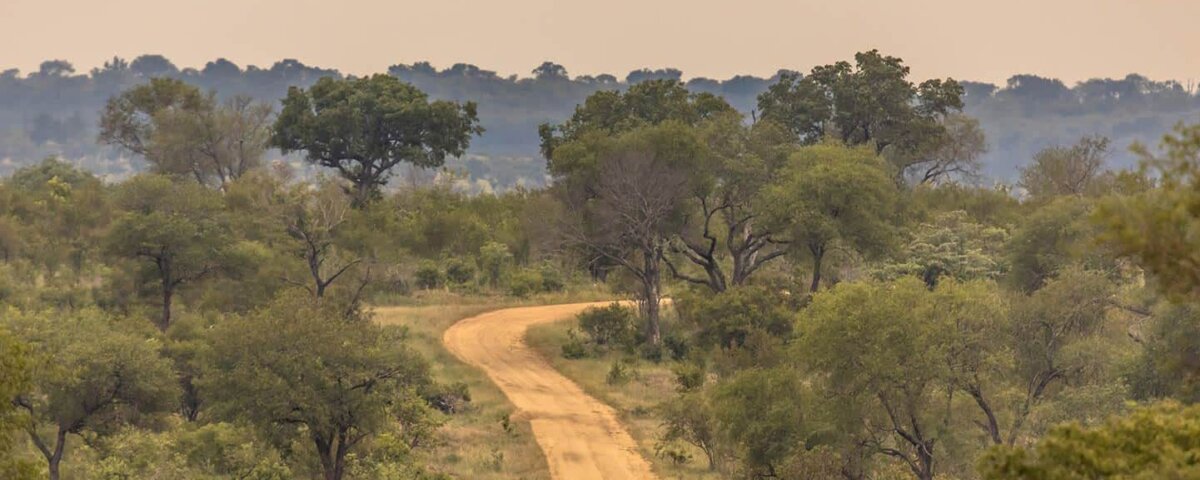
How Do I Get to Serengeti National Park
Planning a safari in Tanzania often begins with one important question: how do I get to Serengeti National Park? The good news is that reaching this world-famous wildlife destination is easier than many travelers expect. Whether you choose to fly, drive, or combine both options, there are several convenient ways to arrive at the Serengeti and begin an unforgettable African safari.
Serengeti National Park sits in northern Tanzania and attracts visitors from every corner of the world because of its remarkable wildlife, breathtaking landscapes, and the spectacular Great Migration. Every year, thousands of travelers visit the park to experience the Big Five, watch millions of wildebeest cross the plains, and enjoy some of the finest game viewing anywhere in Africa.
Choosing the right route depends on your travel budget, available time, preferred level of comfort, and the destinations you plan to visit before or after the Serengeti. Some visitors prefer the speed and convenience of domestic flights, while others enjoy scenic road trips that pass through several national parks and local communities.
Understanding the available transportation options allows you to plan your safari with confidence while making the most of every day in Tanzania.
Where Is Serengeti National Park Located
Before planning your journey, it helps to understand where Serengeti National Park is located. The park lies in northern Tanzania near the border with Kenya and covers nearly 15,000 square kilometers of protected wilderness. It forms part of the larger Serengeti ecosystem, which also includes conservation areas, wildlife reserves, and the famous Maasai Mara across the border.
The Serengeti is surrounded by several of Tanzania’s most popular safari destinations. Ngorongoro Conservation Area borders the southeastern side of the park, while Lake Manyara National Park and Tarangire National Park are located farther east. Because of this convenient location, many travelers combine multiple parks into one unforgettable safari itinerary.
Most international visitors arrive in Tanzania through Kilimanjaro International Airport near Arusha before continuing to the Serengeti. Others may begin their journey in Dar es Salaam or Zanzibar before connecting to domestic flights serving the national park.
The Serengeti is divided into several regions, including the Central Serengeti, Northern Serengeti, Western Corridor, and Southern Plains. Each area offers unique wildlife experiences throughout the year, making route planning an important part of every safari.
Knowing the park’s location also helps travelers estimate travel times, choose suitable accommodation, and create a realistic itinerary that matches their interests and schedule.
Getting to Serengeti National Park by Air
Flying is one of the fastest and most convenient ways to reach Serengeti National Park, especially for travelers with limited time or those seeking a more comfortable journey. Domestic flights operate daily from several major Tanzanian cities, making the park easily accessible throughout the year.
Most visitors begin their journey from Arusha, where several local airlines offer scheduled flights to different airstrips inside the Serengeti. Flights usually take between one and two hours, depending on the departure location and the airstrip serving your safari lodge or camp.
The Serengeti has several airstrips spread across different regions of the park. This allows travelers to land close to their accommodation instead of spending many hours driving after arrival. It also provides greater flexibility when following the seasonal movements of the Great Migration.
Flying also offers breathtaking aerial views of Tanzania’s landscapes. During the journey, passengers often see volcanoes, lakes, forests, rivers, and vast grasslands before descending into the heart of the Serengeti.
Although domestic flights generally cost more than road travel, they save valuable time and reduce long hours on rough roads. Many travelers choose this option because it allows them to spend more time enjoying wildlife instead of traveling between destinations.
Traveling to Serengeti by Road
Road travel remains a popular choice for visitors who want to experience Tanzania’s beautiful countryside while visiting several national parks during one safari. Although the journey takes longer than flying, it offers many rewarding experiences along the way.
Most road safaris begin in Arusha, which serves as the gateway to northern Tanzania’s famous safari circuit. From there, travelers drive through charming towns, agricultural landscapes, and the Ngorongoro Conservation Area before reaching the Serengeti.
The journey usually takes between seven and nine hours depending on traffic, weather conditions, road quality, and the number of sightseeing stops included in the itinerary. While this may seem like a long drive, the changing scenery and frequent wildlife sightings make the trip enjoyable for many visitors.
Many itineraries include overnight stays or game drives in Tarangire National Park, Lake Manyara National Park, or Ngorongoro Crater before continuing to the Serengeti. This allows travelers to experience multiple ecosystems while maximizing their wildlife viewing opportunities.
Road safaris also provide greater flexibility because guides can stop whenever interesting wildlife appears. Travelers often encounter giraffes, zebras, elephants, baboons, antelopes, and colorful birds even before reaching the Serengeti itself.
For visitors who enjoy scenic journeys and want to experience several destinations during one holiday, traveling by road offers excellent value and unforgettable memories.
Which Entry Gate Should You Choose
Serengeti National Park has several entry gates that provide access to different regions of the park. Choosing the right gate depends on your travel route, accommodation location, and the wildlife experiences you hope to enjoy.
Naabi Hill Gate is one of the busiest and most commonly used entrances. Many travelers arriving from Ngorongoro Conservation Area enter through this gate before continuing into the Central Serengeti, where wildlife viewing remains excellent throughout much of the year.
Ndabaka Gate serves visitors arriving from the western side of the park, while Klein’s Gate provides access from the northeastern region near the Kenyan border. Other gates connect visitors to different sections of the Serengeti depending on seasonal travel plans.
Your safari operator usually determines the most suitable gate based on your itinerary and lodge location. Choosing the correct entrance helps reduce unnecessary driving while allowing you to reach your accommodation efficiently.
Since wildlife movements change throughout the year, different gates may provide better access to the Great Migration depending on the season. Careful route planning ensures travelers spend less time driving and more time enjoying game drives inside the park.
Combining Your Journey With Other Parks
One of the greatest advantages of visiting Serengeti National Park is the opportunity to combine your journey with several of Tanzania’s other spectacular wildlife destinations. Instead of focusing on a single park, many travelers create longer itineraries that showcase the country’s remarkable diversity.
Ngorongoro Crater is one of the most popular additions because it offers outstanding opportunities to see the Big Five within a relatively small area. Tarangire National Park is famous for its large elephant herds and ancient baobab trees, while Lake Manyara National Park attracts visitors with its birdlife, tree climbing lions, and beautiful scenery.
These destinations complement the Serengeti perfectly because each park offers different landscapes, ecosystems, and wildlife experiences. Together, they create one of Africa’s finest safari circuits.
Many visitors also extend their holiday by flying to Zanzibar after completing their safari. Relaxing on tropical beaches provides a perfect ending after several exciting days exploring Tanzania’s wilderness.
Many travelers choose Giant Holiday Safaris to organize customized itineraries that combine the Serengeti with these outstanding destinations. Careful planning allows visitors to enjoy comfortable travel, excellent wildlife viewing, and unforgettable experiences throughout northern Tanzania.
Best Time to Travel to Serengeti National Park
Choosing the right time to visit is an important part of answering the question, how do I get to Serengeti National Park, because the season can influence your travel plans, transportation choices, and wildlife experiences. Fortunately, the Serengeti welcomes visitors throughout the year, and every season offers something special.
The dry season, which generally runs from June to October, is one of the most popular times to visit. During these months, animals gather around rivers and waterholes, making wildlife easier to spot. Road conditions are also better, allowing safari vehicles to travel comfortably across much of the park. Many visitors who travel by road choose this period because the journey is smoother and game viewing is exceptional.
The green season transforms the Serengeti into a lush landscape filled with fresh grass and colorful wildflowers. Between January and March, many wildebeest give birth on the southern plains, attracting predators and creating incredible wildlife encounters. Birdwatchers also enjoy this season because migratory birds arrive in large numbers.
Travelers hoping to witness the famous Great Migration should plan carefully since the herds move throughout the year. Booking early allows you to stay in the region where the migration is expected, whether in the southern plains, central Serengeti, western corridor, or northern Serengeti near the Mara River.
Regardless of the season, planning your visit around your wildlife interests ensures a more rewarding safari experience.
Tips for Planning Your Journey
Careful preparation makes every Serengeti safari more enjoyable. Once you decide how do I get to Serengeti National Park, taking a few extra planning steps helps your journey run smoothly from beginning to end.
Start by deciding how many days you want to spend on safari. While shorter trips offer memorable wildlife sightings, spending at least four to six days allows enough time to explore different areas of the park without rushing. Longer itineraries also increase your chances of seeing the Big Five and witnessing seasonal wildlife events.
Packing wisely also improves your experience. Lightweight clothing in neutral colors, comfortable walking shoes, sunglasses, sunscreen, a wide brimmed hat, binoculars, insect repellent, and a quality camera are all valuable items to bring. Since mornings and evenings can be cool, packing a light jacket is also recommended.
Travel documents deserve equal attention. Confirm that your passport remains valid, arrange any necessary visas, and review recommended vaccinations well before departure. Purchasing travel insurance adds extra peace of mind throughout your journey.
Finally, reserve accommodation and transportation early, especially during peak travel periods. Early booking provides more choices while helping you secure your preferred safari camps, lodges, and domestic flights.
Choosing the Right Transportation Option
Every traveler has different priorities, so selecting the right transportation method depends on your available time, travel budget, and preferred safari experience. Understanding the advantages of each option helps you make the best decision.
Flying offers the fastest route to Serengeti National Park. Domestic flights reduce travel time significantly, allowing visitors to maximize their wildlife viewing opportunities. This option works particularly well for luxury travelers, honeymooners, and anyone with limited vacation time.
Road safaris provide a completely different experience. Although the journey takes longer, travelers enjoy beautiful scenery, local villages, and additional wildlife encounters before even reaching the Serengeti. Many visitors appreciate combining Tarangire National Park, Lake Manyara National Park, and Ngorongoro Crater into one continuous road safari.
Some travelers choose a combination of both options. For example, they may drive from Arusha through northern Tanzania before flying back at the end of the safari. This approach combines scenic exploration with greater travel efficiency.
Budget also influences transportation choices. Road safaris generally cost less than domestic flights, while fly in safaris provide additional convenience and comfort. Comparing both options carefully allows travelers to select the itinerary that best matches their expectations.
Preparing for Your Serengeti Adventure
Good preparation allows you to focus entirely on enjoying your safari once you arrive. After deciding how do I get to Serengeti National Park, the next step is preparing for the unforgettable experiences waiting inside one of Africa’s greatest wildlife destinations.
Learning a little about the Serengeti before your trip adds greater appreciation during game drives. Understanding animal behavior, seasonal migrations, and the different regions of the park helps visitors recognize why each area offers unique wildlife opportunities throughout the year.
Respecting nature is equally important. Following your guide’s instructions, remaining inside safari vehicles when required, and avoiding unnecessary noise helps protect both visitors and wildlife. Responsible tourism supports conservation while preserving the Serengeti for future generations.
Photography enthusiasts should prepare their equipment before departure. Extra memory cards, fully charged batteries, lens cleaning supplies, and protective bags ensure cameras remain ready whenever wildlife appears.
Most importantly, travel with an open mind. Every safari is different because nature changes constantly. Some days feature dramatic predator encounters, while others reward visitors with peaceful landscapes, colorful birds, or unforgettable sunsets. Appreciating every moment creates memories that last long after the safari ends.
Start Your Journey to Serengeti National Park With Confidence
If you have been asking, how do I get to Serengeti National Park, you now have several excellent options to choose from. Whether you prefer the convenience of domestic flights, the adventure of a scenic road safari, or a combination of both, reaching the Serengeti is easier than many first time visitors expect.
Choosing the right transportation depends on your budget, available travel time, preferred comfort level, and the wildlife experiences you hope to enjoy. Careful planning also allows you to combine the Serengeti with other remarkable destinations such as Ngorongoro Crater, Tarangire National Park, Lake Manyara National Park, or the beautiful beaches of Zanzibar.
Every journey into the Serengeti leads to unforgettable wildlife encounters, spectacular landscapes, and meaningful experiences in one of the world’s most celebrated safari destinations. With experienced guides, thoughtful planning, and a well designed itinerary, your adventure becomes both relaxing and rewarding.
Giant Holiday Safaris helps travelers create personalized Tanzania safari experiences that match individual interests while ensuring every detail is carefully arranged. Once you know how do I get to Serengeti National Park, you are ready to begin an extraordinary journey filled with incredible wildlife, breathtaking scenery, and lifelong memories.
Combined Uganda, Kenya, Rwanda and Tanzania Safaris
17 days Kenya Tanzania and Uganda safari
19 Days Uganda Kenya and Tanzania Safari
16 Days Kenya Tanzania and Uganda Safari
14 Days Kenya Uganda and Tanzania Safari
14 Days Kenya Uganda and Rwanda Safari