What Are the Best Things to Do in Arusha
August 6, 2026
What Is Northern Circuit Safari
August 6, 2026
How Far Is Arusha From Serengeti?
How far is Arusha from Serengeti? This is one of the first questions travelers ask when planning a Tanzania safari. The distance between Arusha and Serengeti depends on which part of the national park you plan to visit. On average, the driving distance ranges from approximately 320 to 450 kilometers (200 to 280 miles). Most road journeys take between seven and nine hours, depending on the chosen route, road conditions, wildlife traffic, and the number of sightseeing stops along the way.
Although the journey is long, it forms an important part of the safari experience rather than simply serving as transportation. Travelers pass through changing landscapes that include farming communities, rolling hills, the Great Rift Valley, and the spectacular Ngorongoro Conservation Area before reaching the endless plains of the Serengeti. Every section of the drive introduces visitors to Tanzania’s remarkable natural beauty and rich cultural heritage.
Arusha serves as the tourism capital of northern Tanzania and the main departure point for safaris visiting Serengeti National Park, Ngorongoro Conservation Area, Tarangire National Park, and Lake Manyara National Park. Because of its excellent hotels, professional safari operators, and convenient location near Kilimanjaro International Airport, most visitors begin their wildlife adventure here.
Understanding the travel distance between Arusha and Serengeti helps travelers choose the best itinerary, prepare for the journey, and make informed decisions about accommodation, transportation, and sightseeing opportunities. With proper planning, the drive becomes one of the highlights of a memorable Tanzania safari rather than simply the road leading to the destination.
Combined Uganda, Kenya, Rwanda and Tanzania Safaris
17 days Kenya Tanzania and Uganda safari
19 Days Uganda Kenya and Tanzania Safari
16 Days Kenya Tanzania and Uganda Safari
14 Days Kenya Uganda and Tanzania Safari
14 Days Kenya Uganda and Rwanda Safari
12 Day Gorilla Trekking and Tanzania Safari
Driving Distance From Arusha to Serengeti
The driving distance from Arusha to Serengeti varies because Serengeti National Park covers approximately 14,750 square kilometers. Different gates provide access to different parts of the park, so the exact distance depends on where your safari begins. However, the most commonly used entrance for travelers arriving from Arusha is the Naabi Hill Gate.
Most safari vehicles leave Arusha early in the morning to maximize daylight and provide enough time for sightseeing along the route. The drive usually covers between 320 and 450 kilometers, depending on the lodge or camp selected inside the park. While the total distance may seem long, the changing scenery makes the journey enjoyable from start to finish.
The road initially follows well-maintained highways before entering smaller roads that pass through rural communities and conservation areas. As travelers move closer to Serengeti, the landscape gradually transforms from cultivated farmland into open savannah where wildlife sightings begin even before entering the national park.
Many visitors choose not to rush the drive. Instead, they stop at scenic viewpoints overlooking the Great Rift Valley, visit local craft markets, or explore the Ngorongoro Conservation Area before continuing toward Serengeti. These breaks create opportunities to appreciate Tanzania’s diversity while making the journey more comfortable.
Professional safari guides also use the drive to introduce visitors to Tanzania’s history, geography, wildlife, and culture. Their knowledge helps transform a long road trip into an educational and entertaining experience that adds value to the entire safari adventure.
Which Route Do Most Safari Vehicles Take?
The most popular driving route from Arusha to Serengeti follows the northern safari circuit, one of Africa’s most famous wildlife routes. This road connects several outstanding destinations, allowing travelers to experience much more than a direct transfer between two locations.
After leaving Arusha, safari vehicles travel toward Karatu, a welcoming town located near the entrance to the Ngorongoro Conservation Area. The road passes through beautiful highlands, coffee farms, and traditional villages that showcase everyday life in northern Tanzania. These changing landscapes provide excellent photography opportunities while introducing visitors to the region’s cultural diversity.
From Karatu, the route climbs into the Ngorongoro Highlands. Here, travelers often stop at the famous Ngorongoro Crater viewpoint, where breathtaking panoramic views stretch across one of Africa’s most remarkable natural wonders. This scenic stop becomes one of the highlights of the entire journey.
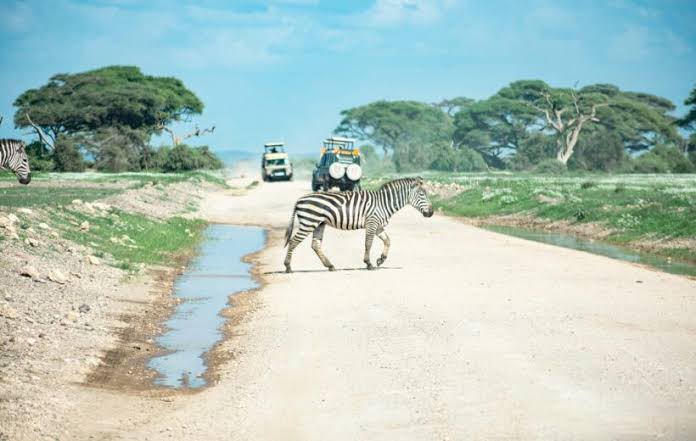
After crossing the conservation area, the road descends toward the Serengeti plains through Naabi Hill Gate. During this section of the drive, wildlife sightings become increasingly common. Zebras, giraffes, gazelles, elephants, and numerous bird species frequently appear alongside the road, allowing the safari experience to begin long before reaching the accommodation.
This carefully planned route explains why many travelers choose to drive rather than fly. Instead of simply arriving at their destination, they experience several of Tanzania’s iconic landscapes in a single day while gradually transitioning from vibrant city life to one of the world’s greatest wildlife ecosystems.
How Long Does It Take to Drive From Arusha to Serengeti?
Travel time between Arusha and Serengeti usually ranges from seven to nine hours. However, this estimate depends on several factors, including the specific lodge location, road conditions, weather, and the number of planned sightseeing stops. Because safaris focus on enjoying the journey, travel times often feel shorter than expected.
Professional safari itineraries rarely treat the drive as ordinary transportation. Instead, guides include scenic stops, photography opportunities, wildlife viewing, and cultural experiences throughout the day. These planned breaks allow travelers to stretch, enjoy spectacular viewpoints, and learn more about Tanzania’s landscapes.
Road conditions have improved significantly on major sections of the route, particularly between Arusha and Karatu. However, roads inside conservation areas and national parks remain unpaved in many places. These gravel roads allow visitors to experience authentic wilderness conditions while protecting the natural environment. Travel speeds naturally become slower once entering protected wildlife areas.
Weather also influences driving time. During the rainy season, certain roads may require slower driving because of muddy conditions. Experienced safari drivers understand these seasonal changes and adjust travel schedules to maintain safety while ensuring guests enjoy the experience.
Although the journey requires patience, many travelers later describe it as one of the most memorable parts of their Tanzania safari. Watching the landscape gradually transform into the endless Serengeti plains creates anticipation and excitement that cannot be experienced during a short domestic flight.
Why the Drive Is Part of the Safari Experience
Many first-time visitors assume the road between Arusha and Serengeti is simply a transfer, but experienced safari travelers often view it as an important part of the adventure. Every kilometer introduces something new, from local villages and farming communities to volcanic landscapes, conservation areas, and eventually the famous African savannah.
The drive provides opportunities to understand Tanzania beyond its wildlife. Travelers witness rural life, observe traditional farming methods, and see how local communities live alongside protected natural areas. These experiences create a deeper appreciation for the country’s people, culture, and conservation efforts.
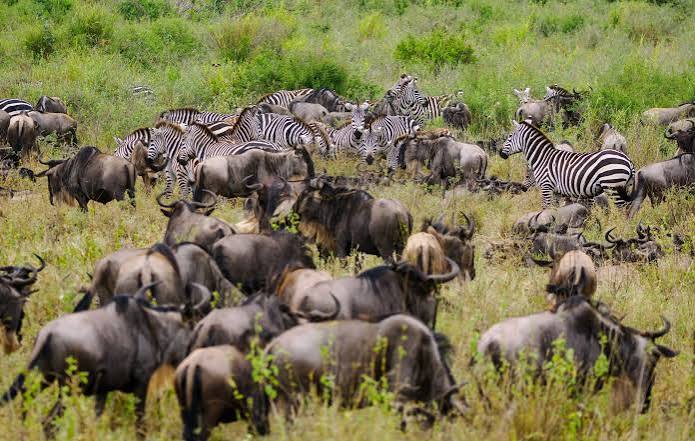
Wildlife encounters often begin before reaching Serengeti National Park. Depending on the route and season, travelers may spot zebras, wildebeests, giraffes, baboons, antelopes, elephants, and numerous bird species while traveling through the Ngorongoro Conservation Area. These unexpected sightings build excitement for the days ahead.
Photography enthusiasts particularly appreciate the variety of landscapes encountered during the drive. Rolling hills, dramatic escarpments, volcanic craters, acacia woodlands, and open grasslands all appear within a single day’s journey. Each stop offers fresh opportunities to capture Tanzania’s incredible scenery.
Carefully planned safaris arranged by specialists such as Giant Holiday Safaris ensure the road journey becomes an enjoyable experience rather than a tiring transfer. Experienced guides know where to stop, what to explain, and how to pace the journey so travelers arrive in Serengeti relaxed, informed, and excited for the wildlife adventures ahead.
Best Time to Drive From Arusha to Serengeti
The drive from Arusha to Serengeti is enjoyable throughout the year, but choosing the right season can make the journey even more rewarding. Tanzania experiences both dry and green seasons, and each offers unique scenery and wildlife experiences along the route. Understanding these seasonal differences helps travelers plan a safari that matches their interests and expectations.
The dry season, which generally runs from June to October, is the most popular time for driving to Serengeti. During these months, roads are usually in excellent condition, making travel smoother and more comfortable. Wildlife also becomes easier to spot because animals gather around permanent water sources, and shorter grass improves visibility. Clear skies and mild temperatures create excellent conditions for photography throughout the journey.
The green season, which usually falls between November and May, offers a completely different experience. Rain transforms the countryside into lush green landscapes filled with colorful wildflowers and vibrant vegetation. Birdlife becomes especially impressive during this time, attracting birdwatchers from around the world. Although occasional rain showers may slow travel in some areas, experienced safari drivers know how to navigate seasonal conditions safely.
Travelers interested in witnessing the Great Migration should choose their travel dates based on the movement of the wildebeest rather than weather alone. Since the migration follows rainfall patterns, wildlife locations change throughout the year. Planning with an experienced safari specialist helps visitors maximize their chances of seeing remarkable wildlife events while enjoying a comfortable drive.
Regardless of the season, early morning departures remain the best option. Leaving Arusha after breakfast provides enough daylight to enjoy scenic stops, observe wildlife, and arrive at the lodge before sunset.
Road Conditions Between Arusha and Serengeti
Road conditions between Arusha and Serengeti vary depending on the section of the journey. The first part of the drive follows well-maintained paved roads that allow smooth and comfortable travel. These highways connect Arusha with Karatu and serve as important transportation routes for northern Tanzania.
After reaching the Ngorongoro Conservation Area, travelers transition onto gravel roads that continue toward Serengeti National Park. These roads are intentionally left unpaved in many areas to protect the natural environment and reduce unnecessary development inside protected conservation areas. Although the roads can become dusty during the dry season and muddy after heavy rainfall, they remain suitable for specially designed safari vehicles.
Modern safari vehicles are built to handle these road conditions comfortably. Most operators use four wheel drive vehicles equipped with reinforced suspension systems, comfortable seating, pop up roofs for wildlife viewing, and large windows that allow excellent photography opportunities. These vehicles make even longer journeys enjoyable while ensuring guest safety.
Road maintenance continues to improve throughout northern Tanzania as tourism grows. Park authorities regularly monitor important safari routes to keep them accessible while preserving the surrounding ecosystems. Professional safari drivers also receive extensive experience navigating different road conditions throughout the year.
Travelers should expect occasional bumps and slower speeds once inside conservation areas. However, these conditions form part of the authentic safari experience. The slower pace allows more opportunities to observe wildlife, appreciate the scenery, and fully enjoy the remarkable transition into one of Africa’s greatest wilderness destinations.
Should You Drive Yourself or Join a Guided Safari?
Many international visitors wonder whether they should rent a vehicle and drive themselves or join a professionally guided safari. While self-driving is technically possible for experienced travelers, most visitors choose guided safaris because they offer greater convenience, safety, and overall value.
Professional safari guides possess extensive knowledge of Tanzania’s roads, wildlife, weather conditions, and national park regulations. They understand where animals are most active, how to identify different species, and how to position vehicles for excellent wildlife viewing and photography. Their expertise transforms every game drive into an educational experience rather than simply a scenic journey.
Driving independently also requires careful planning. Visitors must understand park entry procedures, fuel availability, navigation, vehicle maintenance, and emergency preparedness. Gravel roads, changing weather, and unfamiliar conditions may create additional challenges, particularly for first-time visitors.
Guided safaris eliminate these concerns. Travelers can relax, enjoy the scenery, ask questions, and fully focus on wildlife while experienced drivers handle navigation and logistics. Many guides also share fascinating information about Tanzania’s culture, conservation efforts, geology, and ecosystems throughout the journey.
Another advantage of guided travel is flexibility. Guides adjust daily schedules according to wildlife activity, weather conditions, and guest interests. This personalized approach often results in better wildlife sightings and a more enjoyable overall safari experience.
For most international travelers, joining a guided safari offers the safest, most comfortable, and most rewarding way to travel from Arusha to Serengeti while making the most of every moment along the route.
Helpful Travel Tips for the Journey
Preparing properly for the drive from Arusha to Serengeti helps ensure a comfortable and enjoyable safari experience. Although professional safari companies provide most necessities, travelers can enhance their journey by packing thoughtfully and following a few practical recommendations.
Wear lightweight, comfortable clothing in neutral colors such as beige, green, or brown. These colors blend naturally with the environment and provide greater comfort during wildlife viewing activities. A light jacket also proves useful because mornings in Arusha and the Ngorongoro Highlands can be cool before temperatures rise later in the day.
Carry essentials such as sunglasses, sunscreen, a wide brimmed hat, insect repellent, and a reusable water bottle. Staying hydrated throughout the drive is particularly important, especially during warmer months. Snacks may also be useful, although many safari operators provide refreshments during longer journeys.
Photography equipment should remain easily accessible because wildlife sightings often happen unexpectedly. A camera with extra batteries, memory cards, and binoculars allows travelers to fully appreciate both distant animals and spectacular landscapes.
Keep travel documents, identification, and personal medications within easy reach throughout the journey. Since the drive includes multiple stops, organizing belongings before departure makes the day more relaxing.
Finally, embrace the slower pace of safari travel. Rather than focusing only on reaching Serengeti, enjoy every stage of the journey. Each landscape, viewpoint, wildlife sighting, and cultural encounter contributes to a richer understanding of Tanzania and makes the adventure far more memorable.
The Journey Is Part of the Adventure
How far is Arusha from Serengeti? While the driving distance ranges from approximately 320 to 450 kilometers depending on your destination inside the park, the experience offers much more than simply covering kilometers. The road introduces travelers to Tanzania’s extraordinary landscapes, welcoming communities, remarkable wildlife, and world renowned conservation areas long before they reach the Serengeti plains.
Every section of the journey reveals something unique. From the vibrant atmosphere of Arusha and the fertile highlands around Karatu to the breathtaking Ngorongoro Conservation Area and finally the endless Serengeti savannah, the changing scenery creates anticipation that builds with every passing hour. Rather than feeling like a long drive, the journey becomes an unforgettable introduction to one of Africa’s greatest safari destinations.
Careful planning also makes a significant difference. Choosing the right season, selecting comfortable accommodations, traveling with experienced guides, and allowing enough time for scenic stops all contribute to a more enjoyable safari. Visitors who embrace the journey often discover that some of their favorite memories occur before they even arrive at their lodge.
Planning your safari with experienced professionals from Giant Holiday Safaris ensures every part of the journey is carefully organized, from transportation and accommodation to wildlife viewing opportunities and personalized itineraries. Their local knowledge helps travelers enjoy a smooth, comfortable, and unforgettable adventure from Arusha to Serengeti.
Whether you are visiting Tanzania for the first time or returning for another wildlife adventure, the drive between Arusha and Serengeti is more than transportation. It is the beginning of an extraordinary safari filled with spectacular scenery, incredible wildlife, and lasting memories that stay with you long after the journey ends.