What Is the Best Kilimanjaro and Safari Package
July 16, 2026
Which Safari Parks Are Near Kilimanjaro
July 16, 2026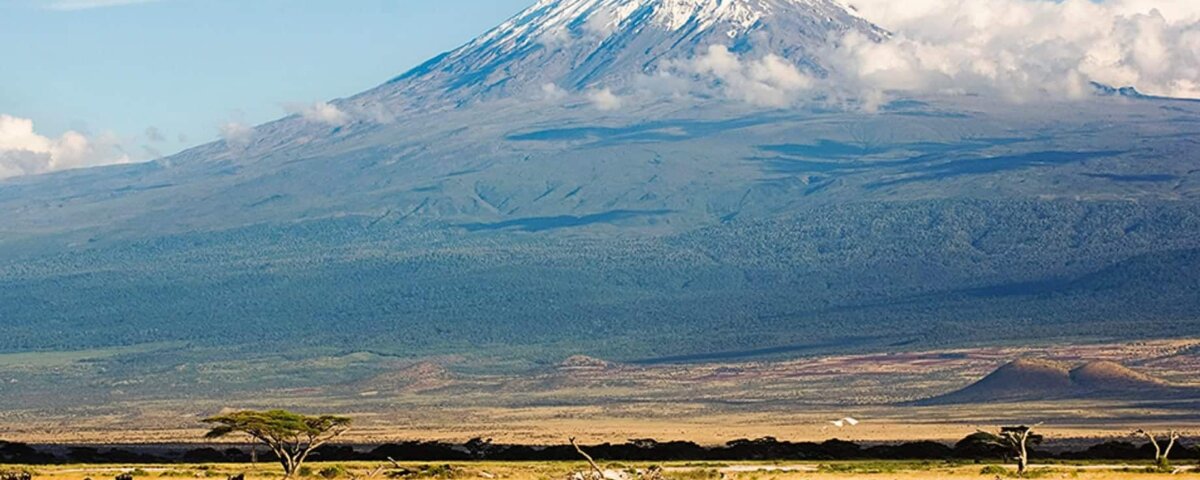
How Many Days Do I Need for Kilimanjaro and Safari
Many travelers planning a Tanzania adventure ask, how many days do I need for Kilimanjaro and safari? The answer depends on your climbing route, the number of safari destinations you want to visit, and the pace you prefer during your holiday. While it may seem tempting to fit everything into a short itinerary, allowing enough time for both experiences creates a safer, more enjoyable, and more memorable adventure. A well planned schedule gives you the opportunity to conquer Africa’s highest mountain while also exploring Tanzania’s spectacular wildlife without feeling rushed.
Mount Kilimanjaro stands at 5,895 meters above sea level and attracts adventurers from around the world. Reaching Uhuru Peak is an incredible achievement that requires proper preparation and adequate time for acclimatization. After completing the climb, many visitors continue to Tanzania’s famous northern safari circuit, where they discover world renowned destinations such as Serengeti National Park, Ngorongoro Crater, Tarangire National Park, and Lake Manyara National Park. Combining these experiences allows travelers to enjoy breathtaking mountain scenery, extraordinary wildlife, and diverse landscapes within one unforgettable journey.
The ideal itinerary balances adventure with comfort. Climbing Kilimanjaro challenges your endurance, while a safari provides the perfect opportunity to recover as you enjoy game drives through beautiful national parks. Instead of returning home immediately after the climb, you continue exploring Tanzania from a completely different perspective.
Understanding how many days do I need for Kilimanjaro and safari helps you choose an itinerary that matches your goals, budget, and available vacation time. Whether you are planning a week long adventure or an extended holiday, careful planning ensures every day contributes to an unforgettable Tanzania experience.
How Many Days Do I Need for Kilimanjaro and Safari
For most travelers, a trip lasting between 10 and 14 days provides the best balance between climbing Mount Kilimanjaro and enjoying a rewarding safari. This timeframe allows enough days for proper acclimatization during the climb while leaving several days to explore Tanzania’s remarkable wildlife destinations. Although shorter itineraries are possible, they often require a faster pace and may reduce your chances of fully enjoying both experiences.
The climbing portion usually requires between six and eight days depending on the route you choose. Longer routes such as the Lemosho Route and the Northern Circuit offer more time for acclimatization, which improves summit success rates and allows climbers to adjust gradually to the high altitude. Shorter routes require fewer days, but they often provide less time for your body to adapt, making the climb more challenging.
Once you complete the mountain, most visitors spend three to five days on safari. This allows enough time to visit two or more national parks without rushing between destinations. Popular safari combinations include Tarangire National Park, Ngorongoro Crater, Serengeti National Park, and Lake Manyara National Park. Each park offers unique wildlife, landscapes, and unforgettable game viewing opportunities.
Your available vacation time also influences your itinerary. Travelers with limited schedules often choose a seven to ten day holiday that combines a shorter climbing route with a brief safari. Those who have additional time usually enjoy a more relaxed itinerary that includes longer game drives, extra wildlife destinations, and comfortable rest days between activities.
Selecting the right number of days creates a smoother travel experience while increasing your chances of reaching the summit and fully appreciating Tanzania’s incredible wildlife.
Factors That Affect How Many Days You Need for Kilimanjaro and Safari
Several important factors determine how many days you should allocate for your Tanzania adventure. Understanding these considerations helps you create an itinerary that matches your fitness level, travel goals, and overall expectations.
The first factor is your chosen climbing route. Every Kilimanjaro route requires a different number of hiking days. Routes that include additional acclimatization days generally provide a safer and more comfortable climbing experience. Although these routes extend your itinerary slightly, they significantly improve your chances of successfully reaching Uhuru Peak.
Your physical fitness also plays an important role. Travelers who prepare well before arrival often recover more quickly after the climb, allowing them to enjoy their safari immediately. Regular hiking, cardiovascular exercise, and strength training before your trip help improve endurance and overall comfort during the mountain adventure.
The number of safari destinations you wish to visit is another important consideration. Exploring only Ngorongoro Crater may require one or two safari days. However, adding Tarangire National Park, Serengeti National Park, and Lake Manyara National Park extends your safari while creating a much richer wildlife experience. Spending additional time in each park also increases your opportunities to observe animals in different habitats.
Travel pace is equally important. Some visitors enjoy moving quickly between destinations, while others prefer a slower itinerary with longer game drives, comfortable lodge stays, and time to appreciate the scenery. Choosing a relaxed schedule often creates a more enjoyable holiday because you spend less time traveling and more time experiencing Tanzania’s natural beauty.
Finally, your travel budget influences the length of your adventure. Longer itineraries naturally include additional accommodation, park fees, meals, transportation, and guiding services. However, many travelers find the extra investment worthwhile because it creates a more complete and rewarding Tanzania experience.
Recommended Kilimanjaro and Safari Itineraries
Choosing the right itinerary helps you enjoy both Mount Kilimanjaro and Tanzania’s famous wildlife without sacrificing comfort or missing important highlights. Whether you have one week or two weeks available, selecting an itinerary that balances climbing and safari activities ensures every day adds value to your adventure.
7 Day Kilimanjaro and Safari Itinerary
A seven day itinerary works best for travelers with limited vacation time who still want to experience both Mount Kilimanjaro and a Tanzania safari. This schedule usually combines a shorter climbing route with one or two safari days in nearby national parks such as Tarangire National Park or Ngorongoro Crater.
Although this itinerary moves at a faster pace, it still provides an exciting introduction to Tanzania’s natural beauty. Visitors experience the challenge of climbing Africa’s highest mountain before enjoying rewarding wildlife encounters during professionally guided game drives.
Careful planning is especially important with shorter itineraries because every travel day counts. Coordinating transfers, accommodation, and park visits efficiently allows you to maximize your available time while enjoying a smooth travel experience.
10 Day Kilimanjaro and Safari Itinerary
A ten day itinerary remains one of the most popular choices because it offers an excellent balance between climbing and wildlife viewing. Travelers typically spend six or seven days climbing Mount Kilimanjaro before continuing to several of Tanzania’s leading safari destinations.
This schedule allows enough time to visit Tarangire National Park, Ngorongoro Crater, and either Lake Manyara National Park or Serengeti National Park. Longer game drives and comfortable overnight stays provide opportunities to recover from the climb while continuing your unforgettable Tanzania adventure.
Many visitors find this itinerary offers the ideal combination of challenge, relaxation, wildlife, and scenic beauty without requiring an extended vacation.
12 to 14 Day Kilimanjaro and Safari Adventure
A 12 to 14 day itinerary offers one of the best ways to experience Tanzania. It provides enough time to climb Mount Kilimanjaro safely while allowing you to explore several of the country’s most famous national parks at a relaxed pace. Many experienced travelers prefer this option because it balances adventure, wildlife, and recovery without making the schedule feel rushed.
Most itineraries begin with a seven or eight day Kilimanjaro climb using routes that provide excellent acclimatization. These longer routes improve your chances of reaching Uhuru Peak while allowing your body to adjust gradually to the high altitude. After descending from the mountain, you can spend the next four to six days enjoying a safari across Tanzania’s northern circuit.
This extended safari often includes Serengeti National Park, Ngorongoro Crater, Tarangire National Park, and Lake Manyara National Park. Each destination offers different landscapes and wildlife experiences. In Serengeti, you can witness endless plains filled with wildlife and, depending on the season, the spectacular Great Migration. Ngorongoro Crater provides excellent opportunities to see the Big Five within one remarkable ecosystem. Tarangire is famous for its giant elephant herds and iconic baobab trees, while Lake Manyara offers beautiful scenery, abundant birdlife, and diverse wildlife.
A longer itinerary also creates flexibility. You have time for sunrise game drives, cultural visits, scenic viewpoints, and comfortable evenings at safari lodges. Instead of rushing from one destination to another, you enjoy every stage of your Tanzania adventure while creating memories that last a lifetime.
Best Time for a Kilimanjaro and Safari Holiday
Choosing the right season can make both your Kilimanjaro climb and your safari more enjoyable. Fortunately, Tanzania offers excellent travel opportunities throughout much of the year, although certain months provide better weather and wildlife viewing.
The dry seasons from January to early March and from June to October are generally the best times to combine Kilimanjaro climbing and safari. During these months, climbing conditions are usually more comfortable because rainfall is limited and summit views are often clearer. Dry trails also make hiking easier and safer.
The same seasons create outstanding safari conditions. Shorter grass allows animals to become more visible, while many species gather around rivers and permanent water sources. As a result, wildlife viewing becomes easier and photographers enjoy better opportunities to capture memorable images.
January through March also offers another advantage. During this period, the southern Serengeti hosts the wildebeest calving season, where thousands of young animals are born across the plains. This attracts predators and creates one of Africa’s most exciting wildlife spectacles.
Although the rainy seasons bring occasional showers, they also transform Tanzania into a lush green paradise. Birdwatchers especially enjoy this time because migratory birds arrive in large numbers. Visitor numbers also decrease, allowing travelers to experience quieter parks and sometimes more attractive accommodation rates.
Regardless of the season you choose, booking well in advance helps secure your preferred climbing route, safari lodges, and experienced guides.
Tips for Planning the Right Kilimanjaro and Safari Trip
Good preparation helps you enjoy every stage of your Tanzania adventure. A well planned itinerary improves your climbing experience while allowing you to make the most of your safari.
Choose the Right Climbing Route
Selecting the right Kilimanjaro route is one of the most important decisions you will make. Longer routes such as Lemosho and the Northern Circuit offer additional acclimatization days that improve summit success rates. While these routes require more time, they often provide a safer and more enjoyable climbing experience.
When choosing your route, consider your fitness level, previous hiking experience, and available travel time. An experienced tour operator can help you select the option that best suits your goals.
Allow Time to Recover After the Climb
Reaching the summit of Mount Kilimanjaro is physically demanding. After several days of hiking at high altitude, your body benefits from lighter activities before returning home.
A safari provides the perfect recovery period. Comfortable game drives allow you to continue exploring Tanzania without placing additional strain on your body. Relaxing in well appointed safari lodges, enjoying excellent meals, and observing wildlife creates an enjoyable transition after the climb.
Adding at least one recovery day before your safari also helps many travelers feel refreshed and ready for long game drives.
Book with an Experienced Tanzania Tour Operator
Planning a mountain climb and safari together requires careful coordination. Climbing permits, accommodation, transportation, guides, park fees, domestic transfers, and safari logistics all need to fit together smoothly.
Working with an experienced operator simplifies the entire process. Giant Holiday Safaris creates personalized itineraries that combine successful Kilimanjaro climbs with unforgettable safari experiences while ensuring every detail is professionally managed. From your arrival in Tanzania until your departure, experienced planning allows you to focus entirely on enjoying your adventure.
Why Combining Kilimanjaro and Safari Is Worth the Extra Days
Many travelers initially consider shortening their itinerary to save time or reduce costs. However, spending additional days in Tanzania often creates a far more rewarding experience.
Climbing Mount Kilimanjaro alone is already one of Africa’s greatest adventures. Standing on Uhuru Peak after several days of hiking delivers an incredible sense of achievement. Yet adding a safari transforms your holiday into something even more memorable.
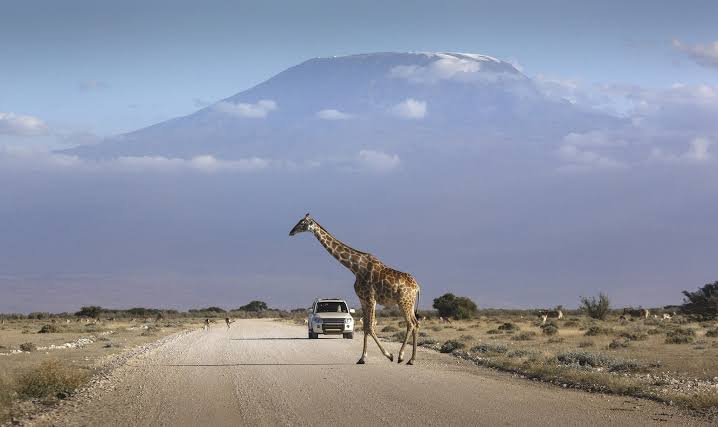
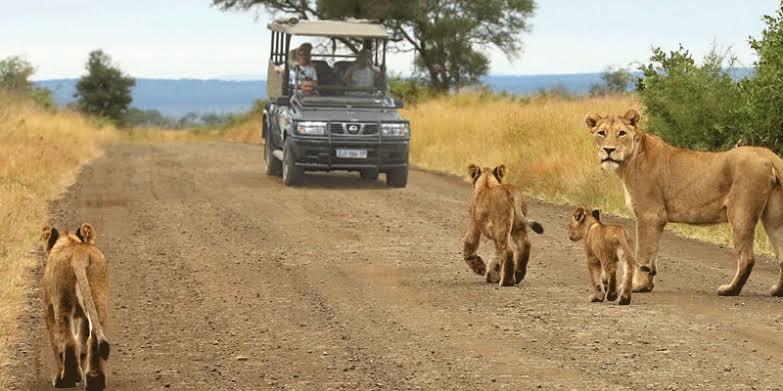
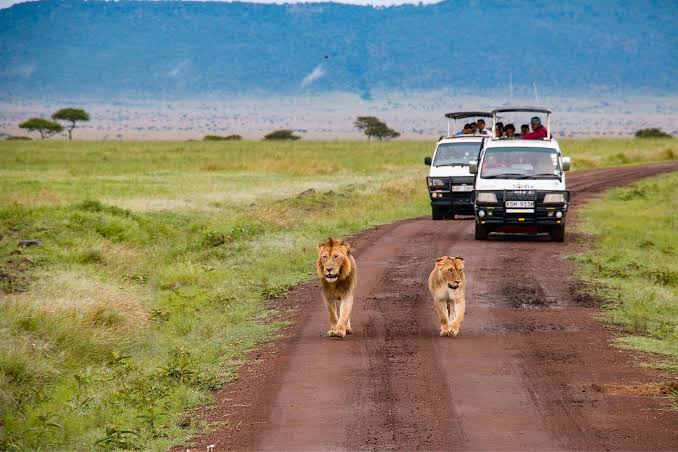
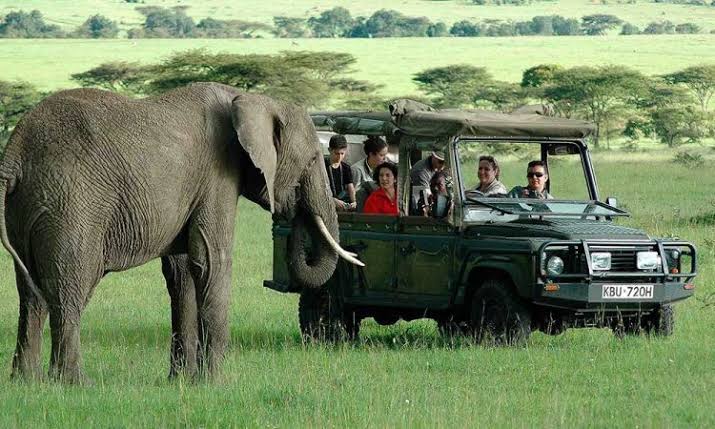
The contrast between mountain climbing and wildlife viewing keeps every day exciting. One week you hike through rainforests, alpine deserts, and glaciers. The next, you watch elephants cross open plains, lions resting beneath acacia trees, and giraffes browsing peacefully across the savannah.
Longer itineraries also reduce unnecessary stress. Instead of rushing between destinations, you enjoy comfortable travel days, quality accommodation, and enough time to fully appreciate each location. This balanced pace often becomes one of the highlights of the journey.
Whether you travel as a couple, family, solo explorer, or group, combining Kilimanjaro and safari provides exceptional value while showcasing Tanzania’s extraordinary diversity.
Plan Your Kilimanjaro and Safari Adventure Today
If you have been asking how many days do I need for Kilimanjaro and safari, the ideal answer for most travelers is between 10 and 14 days. This timeframe allows you to climb Africa’s highest mountain safely while enjoying several unforgettable days exploring Tanzania’s spectacular national parks.
A carefully planned itinerary provides the perfect balance between adventure and relaxation. After accomplishing the challenge of reaching Uhuru Peak, you can continue your journey through Serengeti National Park, Ngorongoro Crater, Tarangire National Park, and Lake Manyara National Park while discovering Africa’s extraordinary wildlife and breathtaking landscapes.
Choosing the right climbing route, allowing enough time for acclimatization, and planning a comfortable safari afterwards creates an unforgettable holiday from beginning to end. Every additional day gives you more opportunities to experience Tanzania’s remarkable beauty without feeling rushed.
Giant Holiday Safaris proudly designs customized Kilimanjaro climbing and safari holidays that match different fitness levels, travel styles, and budgets. Every itinerary focuses on comfort, safety, professional guidance, and exceptional experiences that create lifelong memories.
Understanding how many days do I need for Kilimanjaro and safari gives you the confidence to plan a Tanzania adventure that combines achievement, wildlife, and breathtaking scenery into one extraordinary journey.
Combined Uganda, Kenya, Rwanda and Tanzania Safaris
17 days Kenya Tanzania and Uganda safari
19 Days Uganda Kenya and Tanzania Safari
16 Days Kenya Tanzania and Uganda Safari
14 Days Kenya Uganda and Tanzania Safari
14 Days Kenya Uganda and Rwanda Safari