How Far is Kigali from Volcanoes National Park
June 28, 2026
Is gorilla trekking in Rwanda worth it
June 28, 2026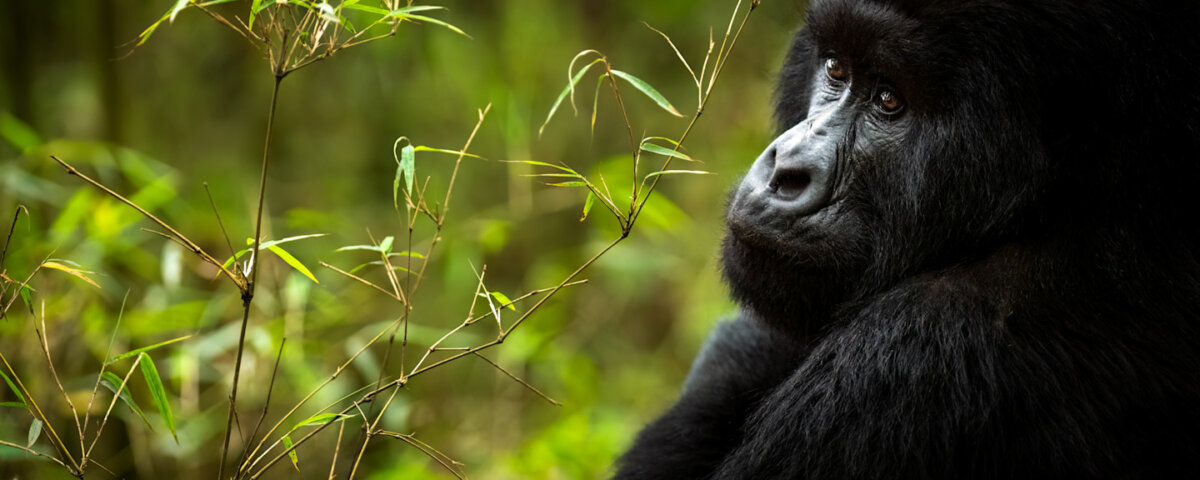
How many people trek one gorilla family in Rwanda?
How many people trek one gorilla family in Rwanda? Rwanda allows only eight people per gorilla family each day, and this rule defines the entire trekking experience. This system operates mainly in Volcanoes National Park, a protected rainforest in the northwestern part of the country known for its rich biodiversity and strong conservation leadership. Volcanoes National Park stands as the heart of gorilla trekking tourism in Rwanda and attracts travelers from across the globe who want to see mountain gorillas in their natural environment.
Rwanda created this strict group limit to protect the gorillas from stress, disease, and habitat disruption. At the same time, the system improves visitor experience by keeping groups small and organized. Tour guides lead each group carefully through the forest, ensuring safety and respect for wildlife. As a result, travelers enjoy quiet, intimate moments with gorilla families without overcrowding. This balance between conservation and tourism gives Rwanda a strong global reputation for responsible travel and sustainable wildlife tourism.
Best Rwanda Gorilla Trekking Tours
7 Days wildlife & Gorilla Tour
Standard Gorilla Trekking Rules and Group Structure
Rwanda follows clear rules that shape every gorilla trekking adventure. Each gorilla family receives one guided group of up to eight people per day. Rangers assign visitors to different gorilla families based on fitness level, trekking speed, and permit allocation. This structure ensures smooth movement through the forest and avoids pressure on any single gorilla group.
The trekking day starts early in the morning with a briefing at park headquarters. Guides explain safety rules, gorilla behavior guidelines, and expectations for the hike. After the briefing, groups split and enter different forest trails. The limited group size helps guides maintain control and allows everyone to stay close to the action when they finally reach the gorillas.
This system also improves tracking efficiency. Rangers monitor gorilla families daily and choose the best route for each group. Because only eight people join each trek, guides can respond quickly to environmental changes or animal movement. Rwanda’s approach shows strong organization and deep respect for wildlife conservation principles, making the trekking experience both safe and educational for visitors from around the world.
Why does Rwanda Limit Trekking to Eight People per Gorilla Family?
Rwanda limits each gorilla family trek to eight people to protect both wildlife and visitors. Mountain gorillas share close genetic links with humans, which makes them vulnerable to human diseases. A smaller group reduces the risk of disease transmission and protects gorilla health. This rule also prevents behavioral disruption, since large crowds can stress gorilla families and alter their natural routines.
Another reason involves habitat protection. The forests of Volcanoes National Park remain delicate ecosystems that require careful management. Fewer people on each trail reduce soil erosion, noise pollution, and damage to vegetation. This helps preserve the forest environment for future generations of gorillas and wildlife species.
In addition, Rwanda uses this system to improve visitor quality. Travelers enjoy clearer views, better photography opportunities, and more personal interaction with guides. Instead of competing for space, visitors observe gorillas in a calm and respectful setting. This structure strengthens Rwanda’s position as a leader in high value, low impact tourism and ensures long term sustainability for gorilla trekking experiences.
Visitor Experience During a Small Group Gorilla Trek
The small group size of eight people creates a powerful and emotional wildlife experience. Visitors walk through misty forests, guided by expert trackers who understand gorilla behavior and forest navigation. The journey may take several hours, but the reward comes when travelers finally meet a gorilla family in its natural habitat.
Because the group stays small, every visitor gets a clear view of the gorillas. People often observe playful juveniles, protective silverbacks, and calm mothers caring for their young. Guides explain behaviors in simple language, helping travelers understand social structures within the gorilla family. This learning experience builds respect and awareness for conservation efforts.
The quiet environment enhances the moment. With fewer people around, visitors can hear forest sounds, observe natural movements, and feel fully connected to nature. The small group system also allows guides to manage distance carefully, ensuring safety for both humans and gorillas. This structure creates a rare type of tourism experience that combines adventure, education, and emotional connection in one journey.
Conservation Impact and Global Importance of Rwanda’s System
Rwanda’s decision to limit gorilla trekking groups to eight people plays a major role in conservation success. Mountain gorilla populations have increased over the years because of strict protection policies and sustainable tourism revenue. Every permit contributes directly to conservation programs, park management, and community development.
Local communities also benefit from this system. Tourism income supports schools, healthcare, and employment opportunities near Volcanoes National Park. This creates strong community support for wildlife protection and reduces threats such as poaching and habitat destruction.
Rwanda’s model has gained international recognition as one of the most effective wildlife tourism systems in Africa. The combination of small group sizes, high permit value, and strict regulations ensures long term protection for endangered species. This approach shows how responsible tourism can create both economic growth and environmental sustainability at the same time.
Conclusion: How many people trek one gorilla family in Rwanda
Only eight people join each gorilla family per day, and this rule shapes one of the most exclusive wildlife encounters in the world. This system protects gorillas, improves visitor experience, and strengthens Rwanda’s position as a leader in sustainable tourism.
The small group approach ensures that every trek in Volcanoes National Park feels personal, safe, and meaningful. Volcanoes National Park continues to stand as a global example of how conservation and tourism can work together successfully. Travelers leave with unforgettable memories while also contributing to the survival of mountain gorillas.
In conclusion, how many people trek one gorilla family in Rwanda? Only eight people per day, and this careful limit ensures protection, quality experience, and long-term conservation success for one of the world’s most precious wildlife species.