How many people trek one gorilla family in Rwanda
June 28, 2026
What Animals Can I See Besides Gorillas in Rwanda
June 28, 2026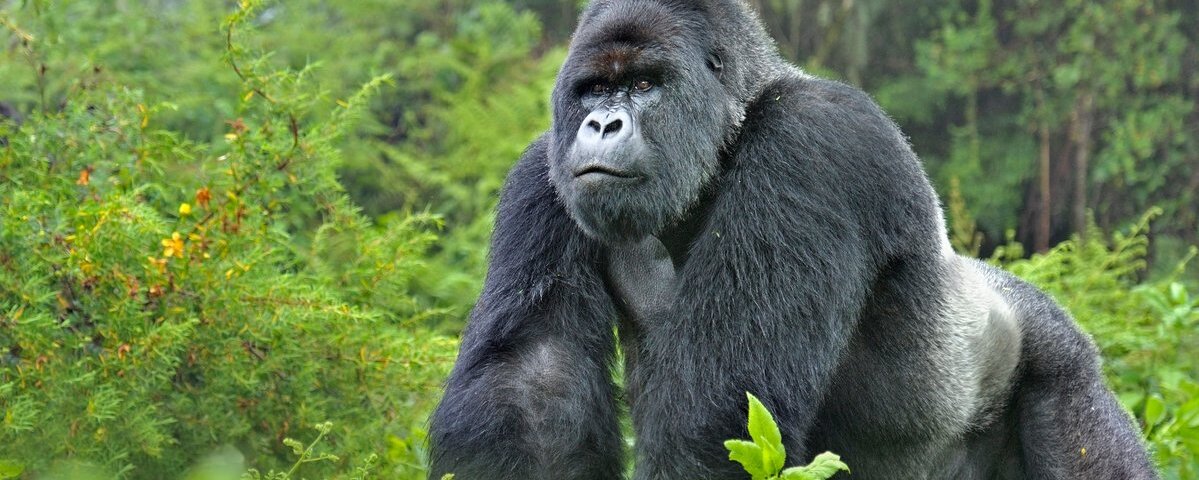
Is gorilla trekking in Rwanda worth it?
Is gorilla trekking in Rwanda worth it? Yes, gorilla trekking in Rwanda is worth it because it offers one of the rarest wildlife encounters on earth, where travelers come face to face with mountain gorillas in their natural habitat. This experience in Rwanda delivers a powerful blend of adventure, conservation, and emotional connection with nature. Travelers do not just observe wildlife, they step into the forest and witness gorillas living freely in the wild. This creates a life changing moment that many visitors describe as unforgettable. The journey takes place in protected forests where expert guides lead small groups to ensure safety and minimal disturbance to the animals. As a result, gorilla trekking in Rwanda stands out as a premium eco-tourism activity that attracts global travelers seeking meaningful experiences. From the first step into the forest to the final sight of a gorilla family, every moment builds a deep appreciation for nature and conservation efforts.
Best Rwanda Gorilla Trekking Tours
7 Days wildlife & Gorilla Tour
What makes gorilla trekking in Rwanda worth it?
Gorilla trekking in Rwanda feels worth it because it offers a rare wildlife encounter that exists in very few places on earth. Travelers hike through lush green forests while searching for endangered mountain gorillas living freely in their natural environment. This adventure takes place in Volcanoes National Park, one of Africa’s most protected and well managed conservation areas. The experience feels authentic because visitors walk through bamboo forests, volcanic slopes, and misty trails while guided by trained experts who track gorilla families daily.
Another reason this experience stands out is the emotional connection it creates. Seeing a silverback protect his family or watching young gorillas play brings a sense of wonder that no zoo or documentary can match. The limited number of permits also ensures low crowding, which increases the quality of each trek. Every visitor gets enough time to observe the gorillas without rush or distraction. This makes the experience more personal and memorable. In addition, Rwanda’s strong conservation policies ensure that tourism directly supports wildlife protection and local communities. As a result, travelers feel confident that their visit contributes to something meaningful. These factors together make gorilla trekking in Rwanda a truly worthwhile experience.
The unforgettable experience in Volcanoes National Park
The experience of gorilla trekking in Rwanda becomes unforgettable because every moment in the forest feels alive and unpredictable. The journey begins early in the morning with a briefing before visitors enter the misty trails of Volcanoes National Park. As trekkers move deeper into the forest, the sounds of birds, rustling leaves, and distant animal calls create a natural rhythm that builds excitement. The terrain can be challenging, yet every step brings travelers closer to a rare wildlife encounter.
Once a gorilla family is located, the experience becomes deeply emotional. Visitors often find themselves just a few meters away from gentle giants feeding, resting, or interacting with each other. The silverback often appears calm yet powerful, while younger gorillas display playful behavior that adds joy to the moment. Guides ensure that visitors maintain a safe distance, which protects both humans and gorillas while still allowing clear observation.
What makes this experience even more special is the one-hour limit spent with the gorillas. This short time creates intensity and appreciation for every second. Many travelers describe this encounter as life changing because it shifts how they view wildlife and conservation. The combination of forest adventure and close wildlife interaction makes the experience truly unforgettable.
Cost and value for money
Gorilla trekking in Rwanda may seem expensive at first, yet it offers strong value for money when compared to the uniqueness of the experience. The permit cost supports conservation programs, park management, and community development around Rwanda. This means every visitor contributes directly to protecting mountain gorillas and improving local livelihoods.
The value of the experience goes beyond the price because travelers gain access to one of the rarest wildlife encounters in the world. Unlike standard safaris where animals may be seen from a distance, gorilla trekking allows close and personal observation of fully habituated gorilla families. This makes the experience feel exclusive and highly rewarding.
Additionally, Rwanda offers well organized tourism services, professional guides, and safe trekking conditions. These factors increase the overall quality of the experience and justify the investment. Travelers also benefit from easy access through Kigali, clean infrastructure, and reliable park management systems. When all these elements come together, the cost becomes more understandable.
Most importantly, visitors leave with memories that last a lifetime. This emotional and educational value makes the investment feel worthwhile. Therefore, gorilla trekking in Rwanda delivers more than a travel activity, it delivers a meaningful life experience.
Conservation impact and community benefits
Gorilla trekking in Rwanda plays a major role in conservation and community development. Every permit purchased for trekking directly supports the protection of mountain gorillas and their habitat within Rwanda. This funding helps anti-poaching efforts, forest protection, and scientific research that ensures gorilla populations continue to grow.
The experience also benefits local communities living near conservation areas. Many residents gain employment as guides, porters, trackers, and hospitality workers. This creates a strong link between tourism and economic development. As communities benefit from tourism, they become active participants in wildlife protection. This reduces illegal activities and strengthens conservation success.
In addition, revenue sharing programs help fund schools, healthcare facilities, and clean water projects. These improvements raise living standards and create long term support for tourism activities. The model encourages harmony between people and wildlife instead of conflict.
Because of these strong conservation and community impacts, gorilla trekking in Rwanda is more than tourism. It becomes a shared responsibility between visitors, the government, and local communities. This makes the experience meaningful and ethically valuable for travelers who care about sustainable tourism.
What is the best time to go gorilla trekking in Rwanda?
The best time to experience gorilla trekking in Rwanda depends on weather conditions and personal travel preferences. However, the dry seasons offer the most comfortable trekking conditions in Rwanda. These seasons usually provide less rainfall, which makes forest trails easier to navigate and improves visibility during the trek.
During dry months, the vegetation becomes slightly thinner, allowing clearer views of gorilla families. This increases the chances of taking better photographs and enjoying longer observation moments. The trails also become less slippery, which makes hiking safer and more enjoyable for visitors of different fitness levels.
However, the wet seasons also offer unique advantages. The forest becomes greener and more vibrant, and gorillas often stay closer to lower areas, reducing trekking distances. Fewer tourists also visit during this period, which creates a more private experience.
Regardless of the season, gorilla trekking takes place year-round in Volcanoes National Park. The park maintains strong systems that allow trekking in all weather conditions. Therefore, travelers can plan their visit based on convenience, availability, and personal preference while still enjoying a rewarding experience.
Why does Rwanda stand out in Africa tourism industry?
Rwanda stands out in the Africa tourism industry because it combines conservation, safety, and premium wildlife experiences in a unique way. The country has built a strong reputation for organized tourism and sustainable development. Visitors experience clean cities, reliable infrastructure, and professional service from arrival to departure in Rwanda.
One of the strongest attractions is gorilla trekking, which takes place in carefully protected environments. The country limits visitor numbers to reduce environmental pressure while increasing the quality of each experience. This strategy positions Rwanda as a leader in eco tourism across Africa.
In addition, Rwanda focuses heavily on conservation success stories. The protection of mountain gorillas shows how tourism can directly support wildlife recovery. This creates trust among international travelers who want responsible travel options.
Rwanda also connects tourism with cultural experiences, allowing visitors to explore local traditions, historical sites, and modern urban life. This mix of nature and culture creates a balanced travel experience.
Because of these strengths, Rwanda continues to attract global attention as a top destination for meaningful and high-quality travel experiences.
Conclusion: Is gorilla trekking in Rwanda worth it
Gorilla trekking in Rwanda is worth it because it delivers a rare and powerful wildlife experience that combines adventure, conservation, and emotional connection. In Rwanda, travelers step into protected forests and witness mountain gorillas living freely in their natural habitat. This creates memories that stay with visitors for a lifetime.
The experience in Volcanoes National Park offers close encounters, expert guidance, and well managed trekking systems that ensure safety and quality. At the same time, the activity supports conservation efforts and local communities, making every visit meaningful.
When travelers combine the emotional impact, conservation value, and unique wildlife interaction, they clearly see why gorilla trekking in Rwanda stands out. It is not just a trip, it is a transformative journey into one of the world’s most precious ecosystems.