What Animals Migrate in Serengeti
July 29, 2026
Which Camps Are Best for Migration Safari
July 29, 2026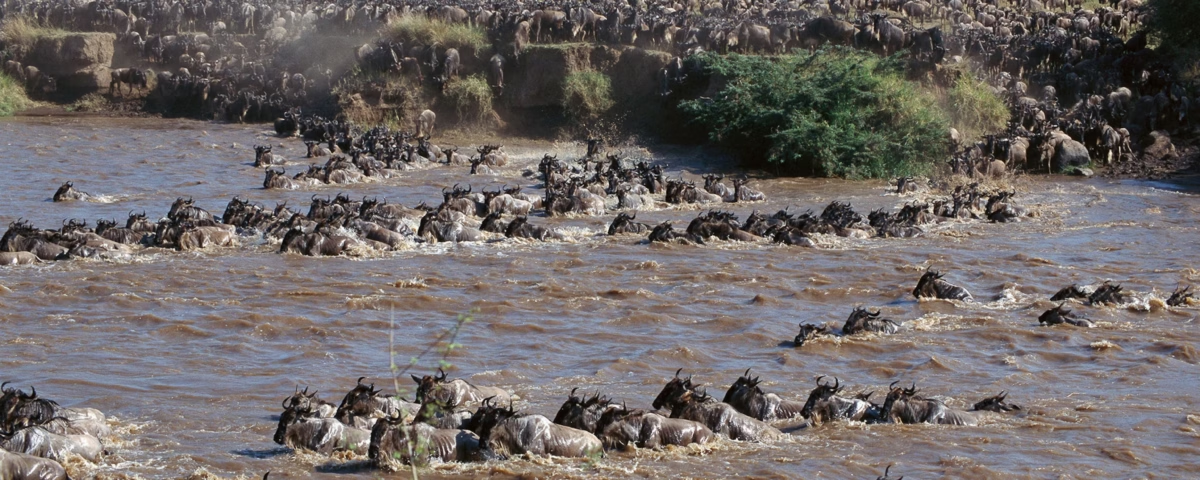
How Many Wildebeest Migrate in Tanzania
The Great Migration stands as one of Africa’s most remarkable wildlife spectacles, and one of the most common questions travelers ask is, how many wildebeest migrate in Tanzania? The answer is usually around 1.5 million wildebeest, although the exact number can vary because wildlife populations change over time. These animals form the largest part of the annual Great Migration, which also includes hundreds of thousands of zebras and gazelles. Together, they move across the Serengeti ecosystem in Tanzania and into Kenya’s Maasai Mara in search of fresh grass and water. However, the migration is not a simple journey from one place to another. It follows a continuous cycle shaped by rainfall, grazing conditions, and the changing availability of water. As a result, the herds constantly move through different parts of the ecosystem. Understanding the number of wildebeest provides only one part of the story. To truly appreciate this natural event, travelers should also understand where the animals go, why they migrate, how long the journey takes, and how the movement supports the wider Serengeti ecosystem.
Combined Uganda, Kenya, Rwanda and Tanzania Safaris
17 days Kenya Tanzania and Uganda safari
19 Days Uganda Kenya and Tanzania Safari
16 Days Kenya Tanzania and Uganda Safari
14 Days Kenya Uganda and Tanzania Safari
14 Days Kenya Uganda and Rwanda Safari
12 Day Gorilla Trekking and Tanzania Safari
How Many Wildebeest Take Part in the Great Migration
Around 1.5 million wildebeest take part in the Great Migration each year, making them the largest group of migrating herbivores in the Serengeti ecosystem. This enormous population moves together with large numbers of zebras and gazelles, creating one of the greatest wildlife movements on Earth. However, the figure should not make travelers imagine one single herd moving as one perfectly organized group. Instead, the migration involves many smaller herds that spread across vast areas before coming together in larger concentrations.
The number can also change over time because wildlife populations respond to rainfall, food availability, disease, predation, and environmental conditions. Therefore, experts often use approximate figures rather than claiming an exact count for every year. What remains clear is the extraordinary scale of the migration.
The wildebeest depend heavily on the Serengeti’s seasonal grasslands. Their movement allows them to follow areas where fresh vegetation grows after rainfall. As they travel, they also support the wider ecosystem by providing food for predators and scavengers.
For travelers planning a safari, understanding this scale adds meaning to every wildlife encounter. Seeing a few thousand animals gathered on the plains already feels impressive. However, knowing that approximately 1.5 million wildebeest participate in the wider migration helps you understand the true importance of this natural cycle.
Why Do So Many Wildebeest Migrate Across Tanzania
Wildebeest migrate because they need access to fresh grazing and reliable water. Their movement follows the seasonal rainfall patterns that shape the Serengeti ecosystem. When rain falls in one area, new grass begins to grow. The herds then move toward these fresh feeding grounds, allowing them to maintain their energy and support their young.
This movement also helps the animals survive in an environment where resources change throughout the year. Instead of remaining in one location until food becomes scarce, they travel across the ecosystem in search of better conditions.
The migration also connects different habitats within the Serengeti and Maasai Mara ecosystems. As the animals move, they interact with predators, birds, insects, and plant life. Their grazing influences vegetation, while their presence provides food for lions, cheetahs, hyenas, crocodiles, and other predators.
Rainfall remains one of the most important forces behind the migration. However, the animals do not simply follow a fixed calendar. Weather patterns can change from one year to another, which means the timing and location of the herds can also shift.
Therefore, when travelers ask how many wildebeest migrate in Tanzania, they should also consider why such a huge population moves. The answer lies in a natural survival strategy that has developed around seasonal rainfall, fresh grass, and water.
Where Do the Wildebeest Migrate in Tanzania
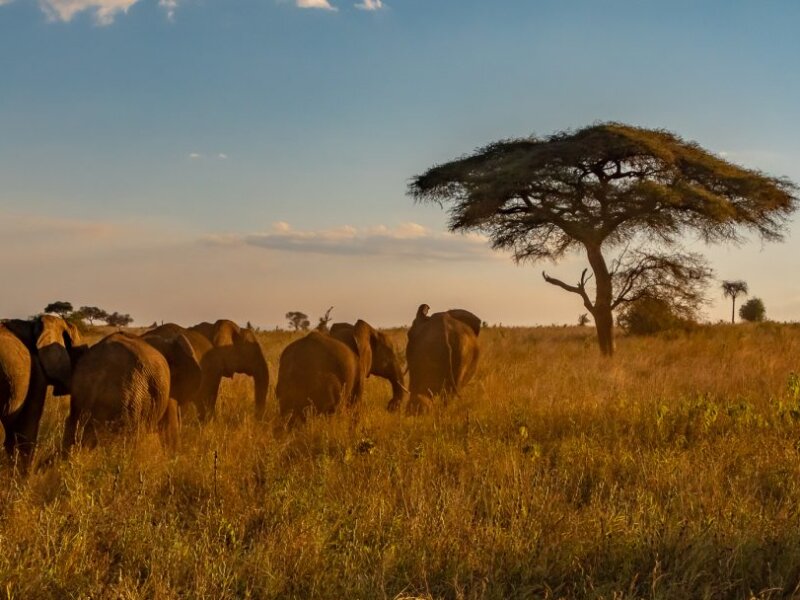
The wildebeest migration covers several major regions of northern Tanzania, with the Serengeti forming the heart of the journey. The animals move through different areas depending on rainfall and grazing conditions, creating opportunities to experience the migration in different parts of the park.
The southern Serengeti and Ndutu area often become important during the calving season. During this period, large numbers of wildebeest gather where fresh grass provides valuable nutrition for mothers and young calves. This stage creates opportunities to witness new life as well as intense predator activity.
As the year progresses, the herds gradually move toward the central and western parts of the Serengeti. Eventually, many animals continue toward the northern Serengeti, where they encounter the Mara River before moving into Kenya.
However, not every wildebeest follows exactly the same route. The migration spreads across a huge landscape, and different groups may move at different speeds.
This variation makes the Serengeti a fascinating destination throughout the year. Travelers who understand the seasonal movement can choose their safari location according to the wildlife experience they want to see.
A well planned safari therefore considers more than the number of wildebeest. It looks at where the herds are likely to be during the travel period and how the wider ecosystem can enhance the experience.
How Many Wildebeest Are Born During the Migration
The Great Migration also includes a remarkable calving period when hundreds of thousands of wildebeest calves enter the world. The exact number varies, but estimates often place the annual calving event at around 500,000 births within a short period.
This remarkable concentration of births plays an important role in the survival of the wildebeest population. Many calves arrive within a relatively short window, creating a temporary abundance of young animals across the southern Serengeti and surrounding areas.
The calving season also attracts large numbers of predators. Lions, cheetahs, hyenas, and other carnivores take advantage of the abundance of vulnerable young animals. As a result, travelers can witness both the beauty and harsh reality of life in the wild.
However, the calving season represents more than a predator spectacle. It demonstrates how the migration supports the long term health of the population. New calves replace older animals and help maintain the large numbers that continue the migration cycle.
The sight of mothers caring for their young can also create some of the most emotional safari moments. Travelers may see calves taking their first steps, learning to follow the herd, and gradually becoming stronger.
Therefore, the number of wildebeest in Tanzania does not remain static. New births each year help sustain the population and ensure that the migration continues into future generations.
What Is the Role of Zebras and Gazelles in the Migration
Although wildebeest form the largest group in the Great Migration, zebras and gazelles also play an important role. Hundreds of thousands of zebras and large numbers of gazelles move through the ecosystem alongside the wildebeest.
These species often use the landscape differently because they feed on different types of vegetation. Zebras can consume tougher grasses, while wildebeest often prefer shorter, more nutritious grass. This creates a natural relationship that allows different herbivores to share the same ecosystem.
Gazelles also contribute to the movement, particularly in areas where fresh vegetation provides suitable feeding opportunities. Their presence adds even more diversity to the migration experience.
Together, these animals create a constantly changing landscape. Travelers may see enormous herds of wildebeest moving across open plains, with zebras forming striking patterns among them.
The presence of different herbivore species also supports predators. Lions and hyenas, for example, can target different prey according to opportunity and location.
Therefore, the Great Migration should not focus only on one species. When you ask how many wildebeest migrate in Tanzania, the answer becomes even more meaningful when you understand that millions of animals participate in this wider ecological movement.
The migration succeeds because different species interact with the landscape in different ways, creating a balanced ecosystem that supports wildlife across generations.
When Can You See the Largest Wildebeest Herds in Tanzania
The best time to see large concentrations of wildebeest depends on the part of the migration you want to experience. During the calving season, huge numbers gather in the southern Serengeti and Ndutu area. Later, the herds gradually move northward as they search for fresh grazing.
During the dry season, many travelers focus on the northern Serengeti and the Mara River. Here, the herds may gather before attempting difficult river crossings. These moments often attract visitors because they combine large wildlife concentrations with dramatic natural behavior.
However, travelers should understand that the migration does not follow an exact schedule. Rainfall can influence when the animals leave one region and reach another.
This means that choosing the right month improves your chances but never guarantees a particular sighting. A responsible safari company should explain this clearly when helping you plan your journey.
The best approach involves matching your travel dates with the wildlife experience you want. If you want to see newborn calves, the southern Serengeti may offer the strongest opportunity. If you want to experience river crossings, northern Serengeti travel during the appropriate period may provide better possibilities.
Therefore, the largest herds can appear in different parts of Tanzania throughout the year. Your safari itinerary should reflect the seasonal movement rather than relying on one fixed migration calendar.
How Long Does the Wildebeest Migration Last
The Great Migration continues throughout the year, although the location and behavior of the herds change with the seasons. This means you can experience the migration at different times rather than thinking of it as a short event that happens only during one month.
The annual cycle begins with the movement toward areas where fresh grass becomes available. The calving season then brings large numbers of newborn wildebeest into the ecosystem. Afterward, the herds continue their journey toward other grazing areas.
As conditions change, the animals move through the central and western Serengeti before reaching the northern regions. Some eventually cross the Mara River and continue into Kenya.
Eventually, the cycle continues as the animals move back toward Tanzania. The process then begins again as rainfall creates new grazing opportunities.
This continuous movement explains why the Serengeti remains a strong safari destination throughout the year. Even if you miss the most famous river crossings, you can still experience other stages of the migration.
The migration therefore has no simple beginning or ending. Instead, it represents a continuous natural cycle.
For travelers, this means you should choose your safari dates based on the type of wildlife experience you want. The best time for one stage may not offer the same experience as another.
How Does the Migration Affect Tanzania’s Wildlife Ecosystem
The movement of around 1.5 million wildebeest has a major impact on the Serengeti ecosystem. These animals do not simply travel across the landscape. They interact with grasslands, predators, scavengers, and other wildlife throughout their journey.
As wildebeest graze, they influence the growth and structure of vegetation. Their movement also helps distribute nutrients across different parts of the ecosystem.
Their presence provides food for a wide range of predators. Lions, hyenas, cheetahs, leopards, crocodiles, and other carnivores benefit from the abundance of prey created by the migration.
Scavengers also play an important role. Vultures and other birds help clean up remains, returning nutrients to the ecosystem.
The migration also supports Tanzania’s tourism industry. Travelers from around the world visit the Serengeti to experience this extraordinary natural event. This tourism creates employment for guides, drivers, hospitality workers, conservation professionals, and communities connected to the safari industry.
However, protecting the ecosystem requires responsible tourism. Visitors should respect park regulations, avoid disturbing wildlife, and support conservation efforts.
The migration demonstrates how closely connected different parts of nature can become. The wildebeest depend on the grasslands, predators depend on the wildebeest, and tourism depends on the continued health of the ecosystem.
What Happens When Wildebeest Reach the Mara River
When wildebeest reach the northern Serengeti, many face one of the most challenging stages of their journey. The Mara River creates a natural obstacle between grazing areas, and the animals must decide when and where to cross.
Large herds may gather along the riverbank for hours or even days. Sometimes, the animals approach the water before turning away. At other times, a crossing can begin suddenly.
The river contains strong currents and deep sections, while crocodiles create an additional natural threat. Some animals may struggle during the crossing, while many successfully reach the opposite bank.
The dramatic nature of these events attracts travelers from around the world. However, river crossings remain unpredictable. No safari company can guarantee that a traveler will see one on a specific day.
The best way to increase your chances involves staying several nights in the northern Serengeti during the appropriate migration period. This allows your guide more time to monitor the herds and explore different areas.
Even without a crossing, the northern Serengeti provides excellent wildlife viewing. Lions, elephants, giraffes, leopards, and many other species live in the region.
Therefore, travelers should see the Mara River crossing as one highlight within a larger migration journey rather than the only reason to visit northern Tanzania.
How Can You Plan a Safari to See the Wildebeest Migration
Planning a safari around the wildebeest migration requires careful attention to timing, location, accommodation, and travel style. First, decide which stage of the migration interests you most. The calving season offers a chance to see newborn animals, while the northern migration provides opportunities to experience the Mara River region.
Next, consider how much time you can spend in Tanzania. Longer safaris provide greater flexibility because the herds may move unexpectedly.
Accommodation also matters. Staying in the right location can reduce long drives and give you more time for wildlife viewing. Mobile camps can offer flexibility, while permanent lodges may provide additional facilities and comfort.
Working with an experienced safari operator can also improve your planning. Giant Holiday Safaris can help travelers build an itinerary around seasonal wildlife movements while balancing migration viewing with other attractions.
Travelers should also maintain realistic expectations. Weather patterns can change, and wildlife can move differently from one year to another.
A good safari plan therefore combines expert knowledge with flexibility. Instead of promising one guaranteed event, it should create multiple opportunities to experience the Serengeti ecosystem.
When you plan this way, the migration becomes more than a single wildlife sighting. It becomes a journey through one of Africa’s most important natural landscapes.
How Many Wildebeest Migrate in Tanzania and Why Does It Matter
So, how many wildebeest migrate in Tanzania? Around 1.5 million wildebeest take part in the Great Migration, joined by hundreds of thousands of zebras and gazelles. Together, these animals create a natural movement that stretches across the Serengeti ecosystem and into Kenya’s Maasai Mara.
Yet the number alone does not explain why the migration matters. These animals support an entire ecosystem through their grazing and movement. They provide food for predators, influence vegetation, and help maintain the natural balance of the Serengeti.
For travelers, the migration offers different experiences throughout the year. You can witness the calving season, watch predators hunt, observe huge herds crossing open plains, or travel to the northern Serengeti in search of river crossings.
The exact location of the herds changes with rainfall and grazing conditions. Therefore, the best safari experience comes from planning around seasonal patterns while remaining flexible enough to follow nature’s unpredictable rhythm.
Ultimately, how many wildebeest migrate in Tanzania is only the beginning of a much larger story. The true wonder lies in watching millions of animals follow an ancient cycle of survival across one of Africa’s greatest wilderness areas. By choosing the right time, region, and safari approach, travelers can experience the scale, beauty, and ecological importance of the Great Migration while supporting responsible tourism and conservation in Tanzania.