Can Children Go on Tanzania Safari
June 3, 2026
What Are the Best Tanzania Safari Itineraries
June 3, 2026
How Much Are Serengeti Park Fees
Planning a safari in Tanzania involves many important decisions, and one of the most common questions travelers ask is, how much are Serengeti park fees. Understanding these fees helps visitors create realistic budgets, compare safari packages, and avoid unexpected costs during their journey. While accommodation, transportation, and guide services often receive significant attention, park fees remain one of the most important expenses when visiting Serengeti National Park.
Serengeti National Park stands among the world’s most celebrated wildlife destinations. Every year, travelers visit this iconic landscape to witness the Great Wildebeest Migration, observe Africa’s famous predators, and experience one of the most impressive ecosystems on Earth. Maintaining such an extraordinary conservation area requires substantial resources, and park fees play a crucial role in supporting wildlife protection, infrastructure maintenance, and visitor services.
Many first time visitors assume park fees represent a small portion of safari costs. In reality, these fees form a significant part of most Tanzania safari budgets. Therefore, understanding what they include and how they affect overall safari pricing is essential.
At Giant Holiday Safaris, we help travelers understand every aspect of safari planning, including park fees, accommodation choices, transportation costs, and itinerary design. This guide explains how much are Serengeti park fees, what influences the costs, and how visitors can plan an unforgettable Serengeti safari while managing their travel budget effectively.
Understanding Serengeti National Park Fees
When discussing how much are Serengeti park fees, it is important to understand what these charges actually cover. Park fees are mandatory conservation and entry charges required for every visitor entering Serengeti National Park.
These fees support a wide range of conservation activities. They help protect wildlife populations, maintain park roads, support ranger operations, preserve natural habitats, and improve visitor facilities. Without these contributions, managing one of Africa’s largest and most important wildlife ecosystems would become significantly more challenging.
Park fees also help fund anti poaching programs and conservation initiatives that protect endangered species and maintain ecological balance throughout the region. As a result, visitors contribute directly to preserving Tanzania’s natural heritage.
The exact amount visitors pay depends on several factors, including nationality, age category, length of stay, and specific regulations established by Tanzania’s tourism authorities. Since fee structures occasionally change, travelers should always confirm current rates during the planning process.
Understanding the purpose behind these fees helps visitors appreciate their role in supporting long term conservation and sustainable tourism.
Current International Visitor Park Fees
For most international travelers, Serengeti National Park entry fees represent one of the largest mandatory safari expenses. Adult non resident visitors generally pay a daily conservation fee that grants access to the park for wildlife viewing and related activities.
In recent years, international adult park fees have typically ranged around USD 70 to USD 85 per person per day before applicable taxes and government charges. However, official rates may change periodically based on government regulations and conservation funding requirements.
Children usually qualify for reduced rates depending on age classifications. Families traveling with younger visitors often benefit from lower conservation fees for children compared to adults.
Visitors should remember that these charges apply per day. Therefore, a multi day safari itinerary will include multiple daily park fee payments. A four day Serengeti safari, for example, may require four separate daily conservation fees per visitor.
Because these charges contribute significantly to overall safari costs, understanding them early helps travelers plan realistic budgets and select suitable itineraries.
How Serengeti Park Fees Affect Safari Costs
Many travelers evaluating safari packages focus primarily on accommodation and transportation expenses. However, park fees often represent a substantial portion of the total safari price.
For example, a five day Serengeti safari for two people may include several hundred dollars in park fees alone. These costs add directly to accommodation, vehicle, guide, fuel, and meal expenses.
Luxury safaris, budget safaris, and mid range safaris all include the same mandatory conservation charges because park fees apply regardless of accommodation category. Consequently, even travelers choosing budget options must account for these required expenses.
Understanding how much are Serengeti park fees allows visitors to compare safari packages more accurately. Some operators display park fees separately, while others include them within package pricing.
At Giant Holiday Safaris, we provide transparent pricing that clearly explains park fees and other safari expenses. This approach helps travelers understand exactly what their investment covers and eliminates unnecessary surprises during trip planning.
Additional Conservation and Government Charges
Beyond standard park entry fees, travelers may encounter additional government charges associated with visiting Serengeti National Park. These fees vary depending on itinerary structure and travel arrangements.
One common example involves concession fees. Visitors staying within certain protected areas may pay additional conservation related charges that support tourism infrastructure and environmental management.
Vehicle entry fees may also apply to safari operators conducting activities within the park. Although travelers do not usually pay these charges directly, they often influence overall safari package pricing.
In addition, value added tax and other government taxes can increase total park related expenses. These charges contribute to national tourism development and conservation programs.
Because multiple fees may apply simultaneously, travelers should review package details carefully. A clear understanding of all associated charges helps create accurate budgets and prevents misunderstandings during the booking process.
Professional safari operators typically explain these costs in advance and incorporate them transparently into travel quotations.
Why Serengeti Park Fees Are Worth the Investment
Some travelers initially view conservation fees as an additional expense. However, most visitors quickly recognize the extraordinary value they receive in return.
Serengeti National Park offers one of the most impressive wildlife experiences available anywhere in the world. Vast landscapes, abundant animal populations, and unforgettable wildlife encounters create experiences that remain memorable for a lifetime.
Visitors gain access to one of Africa’s most successful conservation areas. They enjoy opportunities to observe lions, elephants, leopards, cheetahs, giraffes, buffaloes, zebras, and countless other species within their natural habitats.
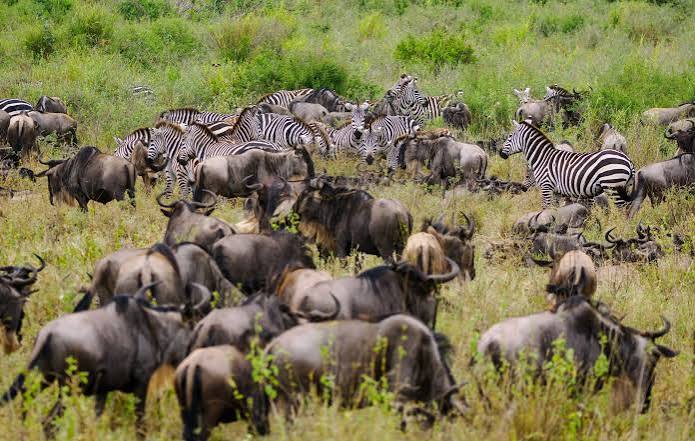
The Great Wildebeest Migration alone attracts travelers from around the globe. Witnessing hundreds of thousands of animals moving across the Serengeti ecosystem represents a wildlife experience that few destinations can match.
When viewed in the context of conservation impact and visitor experience, Serengeti park fees provide significant value while supporting long term protection of this globally important ecosystem.
Cost Breakdown for a Typical Serengeti Safari
Understanding how much are Serengeti park fees becomes easier when viewed within a broader safari budget. Consider a typical four day Serengeti safari for an international traveler.
Park fees may account for approximately USD 300 to USD 400 of the total cost depending on current rates and tax structures. Accommodation expenses often range from budget camping options to luxury lodges costing several hundred dollars per night.
Transportation costs include safari vehicles, fuel, driver guide services, and transfers between destinations. Meals, bottled water, and various support services also contribute to overall pricing.
A budget safari may cost approximately USD 200 to USD 350 per person per day. Mid range safaris often range between USD 350 and USD 700 per person per day. Luxury experiences may exceed USD 1,000 per person daily.
Within all these categories, park fees remain a fixed and essential component. Therefore, understanding them helps travelers evaluate safari options more effectively.
Factors That Influence Serengeti Safari Expenses
Several factors affect total safari costs beyond standard park fees. Travelers should consider these variables when planning their journey.
Seasonality plays a major role. Peak safari months often bring higher accommodation prices due to increased demand. The Great Wildebeest Migration period attracts particularly strong visitor interest.
Accommodation choices significantly influence budgets. Luxury tented camps and premium lodges command higher rates than budget campsites and simpler lodging options.
Transportation methods also matter. Road safaris generally cost less than fly in safaris, while private safaris typically cost more than shared group departures.
Safari duration represents another important factor. Longer itineraries naturally require additional park fees, accommodation nights, and transportation expenses.
Understanding these influences allows travelers to balance costs while still enjoying meaningful wildlife experiences within Serengeti National Park.
Tips for Managing Serengeti Safari Costs
Travelers can take several practical steps to manage safari expenses while still enjoying exceptional wildlife experiences.
Booking during shoulder seasons often helps reduce accommodation costs while maintaining excellent wildlife viewing opportunities. These periods frequently offer favorable weather and fewer crowds.
Group safaris can also lower per person transportation expenses by sharing vehicle and guide costs among multiple travelers. This option appeals particularly to budget conscious visitors.
Choosing mid range accommodations instead of luxury lodges may provide substantial savings without sacrificing comfort or safari quality.
Working with experienced operators helps travelers identify itineraries that maximize value while avoiding unnecessary expenses. Professional planning often improves efficiency and reduces hidden costs.
At Giant Holiday Safaris, we help guests select safari options that align with their budget, travel goals, and preferred level of comfort while maintaining high quality wildlife experiences.
Planning Your Serengeti Safari with Confidence
Successful safari planning requires more than understanding park fees alone. Travelers should consider destination selection, accommodation standards, transportation options, seasonal conditions, and wildlife priorities when building their itinerary.
Professional guidance simplifies this process considerably. Experienced safari specialists understand fee structures, seasonal wildlife movements, accommodation availability, and transportation logistics.
At Giant Holiday Safaris, we assist travelers with every stage of safari planning. Our team provides transparent pricing, detailed itinerary recommendations, and expert advice that helps visitors make informed decisions.
By understanding costs clearly and planning carefully, travelers can enjoy unforgettable Serengeti adventures without unnecessary financial surprises.
Effective planning also allows guests to focus on the experience itself rather than worrying about logistics during their journey.
How Much Are Serengeti Park Fees and What Should Travelers Expect
Understanding how much are Serengeti park fees represents an essential step in planning a successful Tanzania safari. While fees may vary based on visitor category and government regulations, they form a vital part of the conservation efforts that protect one of Africa’s most remarkable wildlife destinations.
These fees support wildlife protection, habitat preservation, infrastructure maintenance, and sustainable tourism development throughout Serengeti National Park. More importantly, they help ensure future generations can continue enjoying this extraordinary ecosystem.
Although park fees contribute significantly to safari budgets, they provide access to world class wildlife experiences, breathtaking landscapes, and unforgettable encounters with Africa’s most iconic animals. From the Great Wildebeest Migration to year round predator sightings, the Serengeti delivers exceptional value for travelers seeking authentic safari adventures.
At Giant Holiday Safaris, we help visitors understand how much are Serengeti park fees and create customized itineraries that balance conservation costs, comfort, and unforgettable wildlife experiences. With proper planning and expert guidance, every Serengeti safari becomes a rewarding investment in adventure, conservation, and lifelong memories.
Combined Uganda, Kenya, Rwanda and Tanzania Safaris
17 days Kenya Tanzania and Uganda safari
19 Days Uganda Kenya and Tanzania Safari
16 Days Kenya Tanzania and Uganda Safari
14 Days Kenya Uganda and Tanzania Safari
14 Days Kenya Uganda and Rwanda Safari