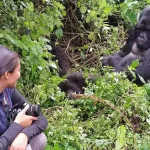
How Many Days Do You Need for Gorilla Trekking in Uganda
September 11, 2025
Uganda Gorilla Tours from Thailand
September 12, 2025
How to Plan a Gorilla Trekking Tour in Uganda
Understanding how to plan a Gorilla Trekking Tour in Uganda is essential for a successful and stress-free safari. The first step involves securing a gorilla trekking permit through the Uganda Wildlife Authority (UWA) or a trusted tour operator. These permits are limited, so booking 6–12 months ahead is highly recommended, particularly during peak tourist months from June to September and December to February. Next, arrange transportation from Kampala, Entebbe, or other entry points to the trekking destination.
How to Plan a Gorilla Trekking Tour in Uganda
Selecting an appropriate lodge is crucial, as it influences comfort, proximity to the forest, and overall safari convenience. Packing is another important aspect; waterproof jackets, hiking boots, long-sleeved clothing, and trekking poles are highly recommended for navigating the forest trails. Physical preparation is necessary because trekking can range from moderate to strenuous, often lasting several hours over uneven terrain. Finally, understanding that each group will be assigned a gorilla family for a one-hour observation ensures realistic expectations. Mastering how to plan a Gorilla Trekking Tour in Uganda ensures safety, comfort, and an unforgettable wildlife encounter.
Sample Gorilla Trekking in Uganda
18 Days Best Uganda Adventure Safaris
14-Days Uganda Gorillas & Wildlife Tour
12 Days Gorillas, Chimps & Wildlife Safari
10 days Uganda primates & wildlife safari
10 Days Uganda Gorillas and Game Safari
7 Days Gorillas & Wildlife Safari
6 Days Gorillas and Chimps Trek Safari
3 Day Bwindi Gorilla Trekking Safari
4 Days Gorilla Trekking & Boat Cruise
Why Choose Uganda for Gorilla Trekking?
Uganda stands out as a premier destination for gorilla trekking due to its rich biodiversity, well-protected national parks, and world-class conservation efforts. Unlike other countries, Uganda has the largest population of habituated mountain gorillas, primarily found in Bwindi Impenetrable Forest and Mgahinga Gorilla National Park. The country’s dedication to wildlife preservation has made it a model for eco-tourism and sustainable safari experiences. Trekking through Uganda’s dense forests allows travelers to witness not only gorillas but also a diverse array of bird species, butterflies, primates, and indigenous flora.
The terrain is challenging yet rewarding, offering panoramic views of volcanic mountains, rolling hills, and misty valleys. Uganda’s culture and communities further enhance the safari experience. Visitors interact with the Batwa pygmies, learn about local customs, and gain insights into conservation practices. The country’s accessibility is another advantage; well-maintained roads and nearby airports facilitate travel to safari destinations. Additionally, Uganda Gorilla Safaris emphasize safety, guided by experienced rangers trained in gorilla behavior and environmental stewardship. Choosing Uganda guarantees a unique combination of adventure, ethical wildlife observation, and immersive cultural engagement, creating a holistic safari experience that is unmatched globally. For travelers still considering how to plan a Gorilla Trekking Tour in Uganda, understanding these advantages highlights why Uganda remains the top choice.
Where to Stay on a Uganda Gorilla Safari
Selecting the right accommodation enhances every aspect of a Uganda Gorilla Safari. Lodges near Bwindi Impenetrable Forest and Mgahinga Gorilla National Park provide comfort, convenience, and immersion in the natural surroundings. Luxury lodges offer private suites, exquisite meals, spa services, and stunning forest views, perfect for travelers seeking comfort alongside adventure. Mid-range lodges combine affordability with excellent amenities, including guided tours, secure storage, and easy access to trekking starting points.
Budget travelers can find eco-lodges and community-run campsites that emphasize sustainability while offering basic comfort and authentic local experiences. Staying close to the forest ensures early access to trekking departures, reducing travel time and fatigue. Some lodges organize cultural tours, birdwatching excursions, and nature walks, enriching the safari experience. Giant Holiday Safaris partners with a range of lodges to match travelers’ preferences, ensuring safety, comfort, and quality service. Staying in well-located lodges allows guests to fully experience the rainforest atmosphere, observe wildlife even outside designated trekking times, and enjoy peaceful mornings immersed in nature. Following guidance on accommodations is a critical step when learning how to plan a Gorilla Trekking Tour in Uganda, ensuring both comfort and convenience during the journey.
What to Pack for a Uganda Gorilla Safari
Packing for a Uganda Gorilla Safari requires careful planning to handle the challenging terrain, variable weather, and extended trekking hours. Essential items include high-grip hiking boots, waterproof jackets, and long-sleeved clothing for protection against rain, mud, and insects. Trekking poles can reduce fatigue and provide stability on steep trails. Layered clothing is recommended, as mornings can be cold while afternoons are warm and humid. Additional essentials include gloves, hats, sunscreen, insect repellent, and a reusable water bottle to maintain hydration during treks. Lightweight daypacks are ideal for carrying snacks, cameras, and personal items.
Travelers may also consider waterproof covers for equipment, binoculars for wildlife observation, and a small first aid kit for emergencies. Opting for neutral-colored clothing minimizes disturbance to gorillas and helps blend into the forest environment. Preparing appropriately ensures safety, comfort, and a stress-free trekking experience. Giant Holiday Safaris provides detailed packing guides and pre-trip consultations. For anyone seeking advice on how to plan a Gorilla Trekking Tour in Uganda, proper packing is one of the most critical steps to ensure a successful and enjoyable encounter.
What Are the Most Popular Gorilla Safaris in Uganda?
Uganda offers a variety of gorilla safari options, tailored to suit different interests, fitness levels, and budgets. Bwindi Impenetrable Forest National Park is the most famous destination, home to numerous habituated gorilla families and providing treks through dense, enchanting rainforest trails. Mgahinga Gorilla National Park offers a smaller, less crowded experience, ideal for travelers seeking a quieter, more intimate interaction with gorillas. Multi-day Uganda Gorilla Safaris often combine gorilla trekking with chimpanzee tracking, birdwatching, and Big Five game drives in Queen Elizabeth National Park, providing a comprehensive wildlife experience.
Cultural tours, including visits to Batwa communities and local villages, enrich these safaris, offering insight into Ugandan traditions and conservation efforts. Luxury itineraries focus on exclusive lodge accommodations, private trekking groups, and guided photography opportunities, while budget-friendly packages emphasize core trekking experiences. For travelers seeking guidance, learning how to plan a Gorilla Trekking Tour in Uganda includes choosing the type of safari that aligns with personal preferences, physical capability, and time availability. Giant Holiday Safaris expertly designs these itineraries, balancing adventure, comfort, and cultural immersion to ensure every safari creates unforgettable memories while supporting sustainable tourism practices.
How Long and Tough is Gorilla Trekking in Uganda?
Gorilla trekking in Uganda ranges from moderate to physically demanding, depending on the terrain and the location of the gorilla families. Treks can last from one hour to over eight hours, traversing steep hills, muddy paths, and dense forest undergrowth. Despite these challenges, the journey is highly rewarding, culminating in a one-hour observation period with mountain gorillas exhibiting natural behaviors such as feeding, playing, and nurturing young. Trekking requires stamina, balance, and agility, making preparation essential for first-time visitors.
Beginners are advised to start with lighter treks and gradually build endurance through walking, hiking, and cardio exercises. Rangers guide each group, ensuring safety, regulating trail traffic, and providing detailed insights into gorilla ecology and forest biodiversity. Understanding the physical demands is part of how to plan a Gorilla Trekking Tour in Uganda, allowing travelers to make informed decisions about preparation, pace, and suitable clothing. With proper planning and guidance from Giant Holiday Safaris, even physically demanding treks become manageable and deeply rewarding, creating a once-in-a-lifetime wildlife encounter.
How much is a Bwindi Gorilla Trekking Permit?
Bwindi Gorilla Trekking permits are mandatory and must be secured well in advance due to limited availability. For international travelers, permits typically range between $700 and $750 per person, while East African residents pay a reduced fee. These permits are issued by the Uganda Wildlife Authority (UWA) and support essential conservation efforts, including anti-poaching initiatives and community development programs.
Booking through a trusted tour operator guarantees authenticity, timely issuance, and integration into complete safari itineraries. The permit allows one-hour close encounters with assigned gorilla families, accompanied by professional rangers who ensure visitor safety and respect for gorilla behavior. Considering the permit cost is a critical component of how to plan a Gorilla Trekking Tour in Uganda, as availability and pricing can affect scheduling, budgeting, and overall experience. Giant Holiday Safaris assists travelers with permits, advises on the best booking times, and seamlessly incorporates them into itineraries, ensuring every aspect of the gorilla trek is organized efficiently and responsibly.
How Much Does a Uganda Gorilla Safari Holiday Cost?
The cost of a Uganda Gorilla Safari varies based on factors such as duration, level of accommodation, number of included activities, and transportation options. Budget-friendly three-day tours may cost around $2,000 to $3,000 per person, covering permits, basic lodges, meals, and guided treks. Mid-range packages range from $3,500 to $5,000, offering comfortable lodges, professional guides, and additional activities such as birdwatching or cultural visits.
Luxury experiences can exceed $7,000, providing private transfers, premium lodges, exclusive trekking groups, and fully customized itineraries. Multi-day safaris that combine gorilla trekking with other wildlife experiences naturally increase the overall cost. For travelers learning how to plan a Gorilla Trekking Tour in Uganda, understanding these price ranges is essential for budgeting and itinerary design. Giant Holiday Safaris offers transparent pricing breakdowns and tailors packages to individual preferences, ensuring value, comfort, and unforgettable encounters while supporting conservation initiatives and local communities.
Is it Safe to Visit Gorillas in Bwindi – How to Plan a Gorilla Trekking Tour in Uganda
Visiting gorillas in Bwindi Impenetrable Forest is considered safe when guidelines are followed carefully. Mountain gorillas are gentle, social creatures, but they are still wild and require respectful observation. Ranger-guided groups ensure visitors maintain a safe distance, avoid sudden movements, and minimize noise, reducing stress on the gorillas. Health precautions are equally important, with recommendations to use hand sanitizers and masks to prevent disease transmission.
Groups are limited in size to minimize environmental impact and maintain safety. Uganda Wildlife Authority (UWA) enforces strict rules to protect both wildlife and visitors. Giant Holiday Safaris provides pre-trek briefings, safety guidance, and experienced ranger support. Following these measures ensures a secure, enjoyable, and transformative experience, while supporting ethical tourism practices. Understanding safety protocols is another key element in how to plan a Gorilla Trekking Tour in Uganda, as responsible preparation enhances both visitor and wildlife protection.
When to Go for a Uganda Gorilla Safari
Timing a Uganda Gorilla Safari is critical for comfort, accessibility, and wildlife observation. The dry seasons, from June to September and December to February, provide ideal trekking conditions with firmer trails and better visibility. The wet seasons, March to May and October to November, offer lush scenery and fewer crowds but require waterproof gear due to slippery paths.
Temperature in the forest varies with altitude, and mornings can be chilly, especially in higher elevations of Bwindi or Mgahinga. Wildlife activity also fluctuates seasonally; gorillas may be more active during certain periods. Giant Holiday Safaris advises clients on optimal trekking times based on weather, crowd density, and individual preferences. For travelers learning how to plan a Gorilla Trekking Tour in Uganda, selecting the right season ensures maximum comfort, safety, and an enriched wildlife experience. Proper timing enhances photographic opportunities, forest exploration, and overall enjoyment of Uganda’s unique biodiversity.
How to Access Bwindi Impenetrable Forest National Park for Gorilla Trekking
Bwindi Impenetrable Forest National Park is accessible by road or domestic flights, offering convenient travel options. By road, travelers can drive from Kampala or Entebbe in eight to ten hours, enjoying scenic views of Uganda’s hills, tea plantations, and villages. Flights to Kisoro or Kabale airstrips reduce travel time to one or two hours. Once at the park, lodges and local guides facilitate access to trekking starting points. Rangers assign visitors to gorilla families and accompany groups along trails that vary from moderate to challenging. Understanding logistics is vital in how to plan a Gorilla Trekking Tour in Uganda, ensuring maximum time is spent observing gorillas rather than navigating transportation. Giant Holiday Safaris organizes transport, lodges, and trekking schedules to provide a seamless and enjoyable safari experience.
How to Get to Mgahinga Gorilla National Park for Gorilla Trekking
Mgahinga Gorilla National Park, located near Uganda’s southwestern border, offers a serene, less crowded gorilla trekking experience. Access is commonly through Kisoro town, about 10 kilometers from the park headquarters. Road travel from Kampala or Entebbe takes eight to ten hours, while domestic flights to Kisoro airstrip provide faster access. The park allows only a limited number of trekkers daily, making early booking essential. Trails traverse volcanic hills, bamboo forests, and lush valleys. Rangers guide visitors, ensuring safety and observing conservation protocols. Planning transportation and accommodations is a critical step in how to plan a Gorilla Trekking Tour in Uganda, particularly for travelers with limited time. Giant Holiday Safaris ensures a smooth journey, balancing convenience, safety, and immersive wildlife experiences.
Why Book Your Uganda Gorilla Safari with Giant Holiday Safaris
Booking a Uganda Gorilla Safari with Giant Holiday Safaris guarantees expertise, trustworthiness, and an unforgettable experience. The company provides legal permits, expertly designed itineraries, premium lodges, and experienced ranger-guided treks. Guides share knowledge on gorilla behavior, forest ecology, and conservation practices, enriching every encounter.
Safety, comfort, and personalization are top priorities, and the company emphasizes ethical tourism that benefits local communities. Beyond gorilla trekking, clients enjoy cultural tours, birdwatching, and wildlife adventures, creating a comprehensive safari. Booking through Giant Holiday Safaris removes uncertainty and ensures seamless logistics, high-quality service, and memorable encounters. Learning how to plan a Gorilla Trekking Tour in Uganda becomes simple with professional guidance, as every detail from transportation to lodging is managed efficiently, allowing travelers to focus on the adventure itself.