
What Are the Best Glamping Safaris in Kenya?
July 10, 2026
What Makes Amboseli Famous?
July 10, 2026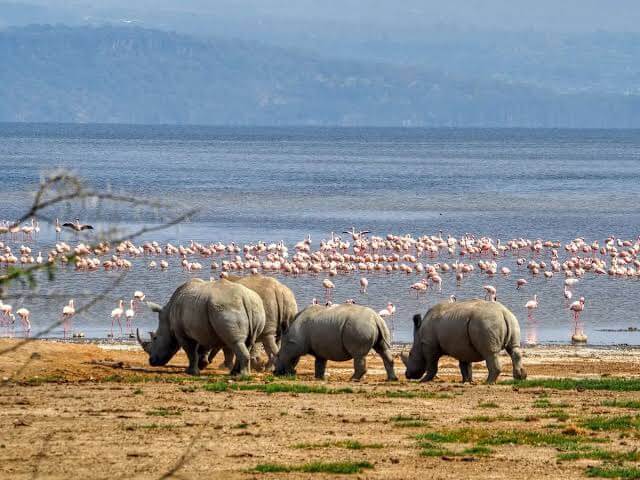
Is Lake Nakuru Worth Visiting?
Travelers planning a Kenyan safari often ask one important question: is Lake Nakuru worth visiting? The short answer is a confident yes, and the full answer will excite anyone who loves wildlife, birds, and beautiful scenery. Lake Nakuru National Park sits in the heart of Kenya’s Great Rift Valley, only about 160 kilometers northwest of Nairobi. The park surrounds a shimmering soda lake famous for its flamingos, yet it offers so much more than pink birds. Within its compact borders, you can find both black and white rhinos, tree climbing lions, endangered Rothschild’s giraffes, leopards, buffalo, and more than 450 bird species. In addition, dramatic viewpoints, waterfalls, and acacia forests make every game drive feel like a new adventure. In this complete guide, we explain exactly what Lake Nakuru offers, when to go, what to expect, and why this remarkable park deserves a firm place on your African travel list. By the end, you will know without doubt whether Lake Nakuru is worth visiting for your own dream safari.
A Birdwatcher’s Paradise in the Great Rift Valley
First and foremost, Lake Nakuru built its worldwide fame on birds. The lake itself is a shallow, alkaline soda lake, and its waters produce algae that flamingos love to eat. During peak seasons in the past, more than a million lesser and greater flamingos gathered here at once. The birds formed a moving pink ribbon along the shoreline, and photographs of that scene traveled around the globe. Today, flamingo numbers rise and fall with changing water levels, and the birds sometimes move between Nakuru, Bogoria, and other Rift Valley lakes. Even so, visitors regularly enjoy wonderful flamingo sightings, especially when conditions favor algae growth.
Beyond flamingos, the park records more than 450 bird species. Great white pelicans crowd the shallows, fish eagles call from tall trees, and colorful kingfishers, hornbills, and sunbirds fill the woodlands. Consequently, birdwatchers consider Lake Nakuru one of the finest birding destinations in all of East Africa. Bring binoculars, arrive early, and prepare for a show that changes with every visit.
A Safe Haven for Endangered Rhinos
While birds first made the park famous, rhinos now give Lake Nakuru its greatest conservation value. The Kenyan government fenced the entire park and turned it into one of the country’s most important rhino sanctuaries. As a result, Lake Nakuru protects healthy populations of both black rhinos and southern white rhinos. Visitors here enjoy some of the best rhino viewing in Kenya, and sightings happen far more often than in larger, open parks.
White rhinos graze calmly on the open grasslands near the lake, and they often allow vehicles to approach closely for unforgettable photographs. Black rhinos behave more shyly and browse in thicker bush, so spotting one feels like a true reward. Furthermore, every visit supports the rangers and programs that keep these animals safe. Rhinos face serious threats across Africa, and sanctuaries like Lake Nakuru give the species a real future. For many travelers, watching a wild rhino mother with her calf becomes the single most powerful memory of their entire safari.
Tree Climbing Lions and Elusive Leopards
Big cat lovers will find plenty to celebrate at Lake Nakuru. The park hosts a healthy lion population, and these lions display a rare and fascinating habit. On warm afternoons, they often climb into the branches of large acacia and euphorbia trees to rest. Only a few places in Africa offer regular sightings of tree climbing lions, so Lake Nakuru gives visitors a genuinely special experience. Drive slowly, scan the big trees carefully, and you may spot a golden shape draped over a branch.
In addition, Lake Nakuru holds a strong reputation for leopard sightings. Leopards usually rank as the hardest big cat to find on safari, yet the park’s mix of forest and open ground improves your chances greatly. Many guides consider Nakuru one of the most reliable leopard spots in Kenya. Meanwhile, spotted hyenas patrol the grasslands, and black backed jackals trot along the roadsides. Therefore, even without elephants, the park delivers thrilling predator encounters on almost every game drive.
Rare Rothschild’s Giraffes and Abundant Wildlife
Lake Nakuru also plays a vital role in saving one of the world’s rarest giraffes. The Rothschild’s giraffe once faced near extinction, and conservationists moved a small group into the park for protection. The plan worked beautifully. Today, visitors watch these elegant giants browse among the acacia trees, and the Nakuru population helps secure the future of the entire subspecies. You can recognize a Rothschild’s giraffe by its clean white lower legs, which look like long socks.
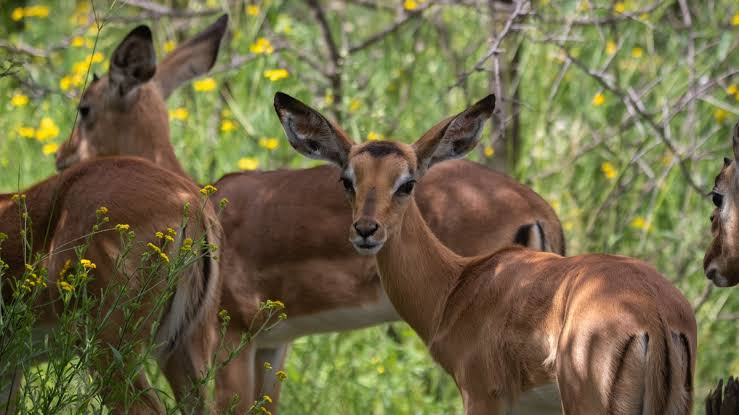
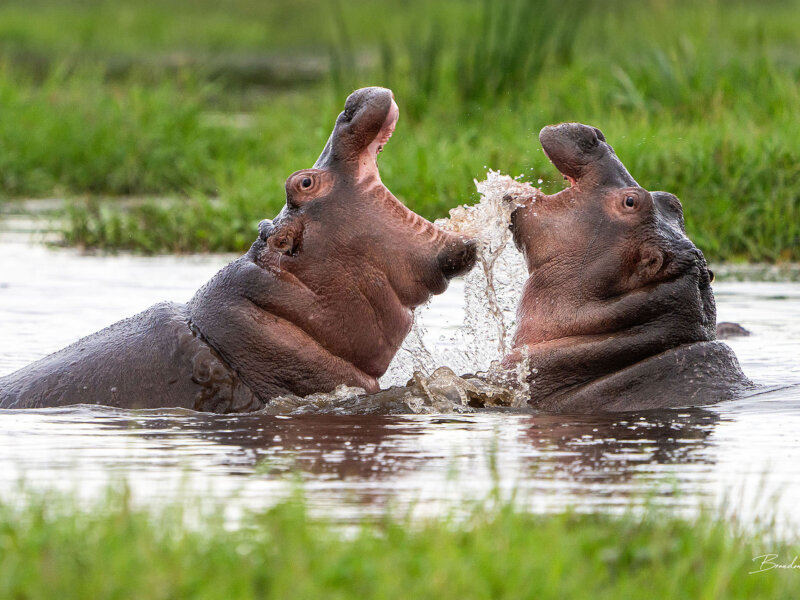
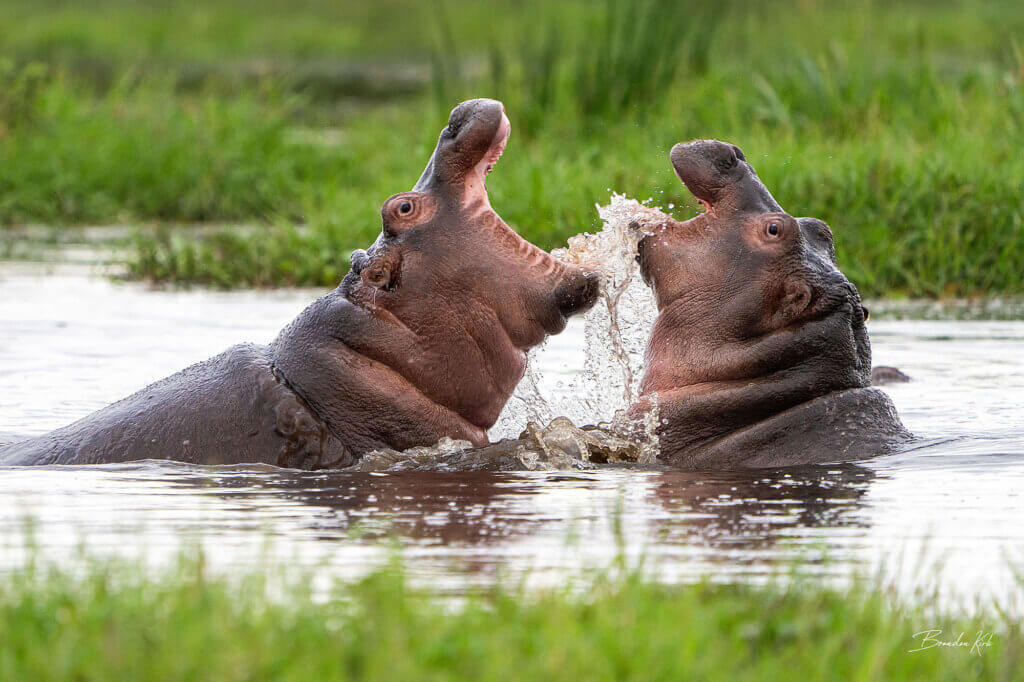
Moreover, the park supports large herds of Cape buffalo, plains zebra, waterbuck, impala, and Thomson’s gazelle. Warthogs trot across the grass with their tails held high, and troops of baboons and vervet monkeys entertain visitors near the forest edges. Hippos wallow in the freshwater sections near river mouths, and pythons occasionally appear in the trees. Because the park covers only 188 square kilometers, animals concentrate in a small area. As a result, game viewing feels fast paced and rewarding, and even a single day delivers an impressive wildlife checklist.
Stunning Landscapes and Scenic Viewpoints
Beyond its animals, Lake Nakuru charms visitors with pure natural beauty. The lake sits inside the dramatic walls of the Great Rift Valley, and several viewpoints offer breathtaking panoramas. Baboon Cliff stands as the most famous spot. From its rocky edge, you can gaze across the entire lake, watch pink flamingo flocks shimmer along the shore, and photograph one of Kenya’s most iconic views. Out of Africa Lookout provides another sweeping vista and a wonderful picnic location.
Additionally, the park protects one of the largest euphorbia candelabra forests in Africa. These strange, cactus like trees create an otherworldly landscape you will not find in most other parks. Yellow barked acacia woodlands, often called fever trees, glow beautifully in the morning light. On the southern side, Makalia Falls tumbles over a rocky ledge and offers a peaceful stop during the rainy months. Consequently, photographers enjoy endless variety here, from wide landscape shots to intimate forest scenes, all within a single short drive.
Easy Access from Nairobi and Ideal for Short Safaris
Convenience gives Lake Nakuru another major advantage. The park lies roughly 160 kilometers from Nairobi, and the drive takes about three hours on a good highway. Because of this easy access, travelers can visit Nakuru as a day trip, an overnight stop, or the first stage of a longer safari circuit. Many popular itineraries combine Lake Nakuru with the Maasai Mara, Lake Naivasha, or Amboseli, and the park fits smoothly into almost any Kenyan route.
Furthermore, the compact size of the park works in your favor. You can circle the entire lake in a single game drive and still enjoy dozens of quality sightings. Families with children appreciate the shorter driving times, and travelers on tight schedules get maximum wildlife for minimum travel. Accommodation options suit every budget as well. Luxury lodges sit on ridges with sweeping lake views, comfortable mid range camps hide in the forest, and budget guesthouses operate in nearby Nakuru town. Therefore, whatever your style or budget, Lake Nakuru welcomes you easily.
The Best Time to Visit Lake Nakuru
Timing shapes every safari, so plan your Lake Nakuru visit with care. The park rewards visitors throughout the year, yet each season offers something different. The dry months from June to October and from January to February provide the most comfortable conditions. Skies stay clear, roads remain firm, and animals gather near water sources, which makes wildlife easier to find. Photographers also love the golden light and dust free air of these months.
On the other hand, the rainy seasons bring their own magic. From November to December and from March to May, the landscape turns lush and green, newborn animals appear everywhere, and migratory birds arrive in large numbers. Flamingo numbers often depend on water levels rather than seasons, so check recent reports before you travel if the pink flocks top your wish list. Mornings in the Rift Valley feel cool all year, so pack a light jacket. In short, no bad time exists to visit Lake Nakuru, only different kinds of wonderful.
Conservation Success and Community Impact
Lake Nakuru tells one of Kenya’s proudest conservation stories, and travelers become part of that story with every visit. The government first protected the lake as a bird sanctuary in 1961 and upgraded it to a full national park in 1968. Later, UNESCO recognized the Kenya Lake System of the Great Rift Valley, including Nakuru, as a World Heritage Site. The complete fencing of the park stopped poaching almost entirely and allowed rhino and giraffe populations to grow steadily.
In addition, the park supports the surrounding community in powerful ways. Park fees fund ranger salaries, wildlife monitoring, and habitat management. Nearby Nakuru city benefits from hotels, restaurants, guides, and craft markets that serve safari travelers. Schools and community projects receive support through conservation partnerships. Consequently, your visit does more than create memories. It directly protects endangered rhinos, rare giraffes, and hundreds of bird species, and it strengthens the link between local people and their natural heritage. Few destinations offer such a clear connection between tourism and real conservation results.
Practical Tips for an Unforgettable Visit
A little preparation makes your Lake Nakuru safari even better. First, start your game drives early. Animals move most actively in the cool morning hours, and predators often hunt or travel before the heat arrives. Second, spend at least one night inside or near the park if your schedule allows. Sunrise over the lake from Baboon Cliff rewards early risers with unforgettable views. Third, pack the essentials: binoculars, a camera with a zoom lens, sunscreen, a hat, and neutral colored clothing.
Fourth, rely on a professional tour operator to secure a knowledgeable local guide. Giant Holiday Safaris provides expert guides who know where the leopards rest, where the rhinos graze, and which trees the lions favor, multiplying your sightings. Fifth, respect all park rules. Stay inside your vehicle except at designated areas, keep noise low, and never feed or approach wildlife. Finally, carry some cash or mobile money for park fees and local crafts. Follow these simple steps with Giant Holiday Safaris, and your day at Lake Nakuru will run smoothly from the first gate to the final golden sunset.
Final Thoughts
So, is Lake Nakuru worth visiting? Absolutely, and the reasons stack up quickly. As a premier tour operator, Giant Holiday Safaris can bring you directly into this compact park in the Great Rift Valley, which delivers flamingos and over 450 bird species, some of the best rhino viewing on the continent, tree-climbing lions, reliable leopard sightings, and the rare Rothschild’s giraffe. Stunning viewpoints like Baboon Cliff, glowing acacia forests, and the peaceful Makalia Falls add scenic beauty to every drive. Easy access from Nairobi, affordable options for every budget, and year round wildlife make planning simple.
Above all, your visit with Giant Holiday Safaris supports one of Africa’s great conservation success stories. Whether you travel as a photographer, a birdwatcher, a family, or a first time safari dreamer, our expert team ensures this park will exceed your expectations. Lake Nakuru is worth visiting, worth photographing, and worth protecting, so let Giant Holiday Safaris help you start planning your Rift Valley adventure today and see this Kenyan treasure with your own eyes.