Is Lake Nakuru Worth Visiting?
July 10, 2026
Can You See Mount Kilimanjaro from Amboseli?
July 10, 2026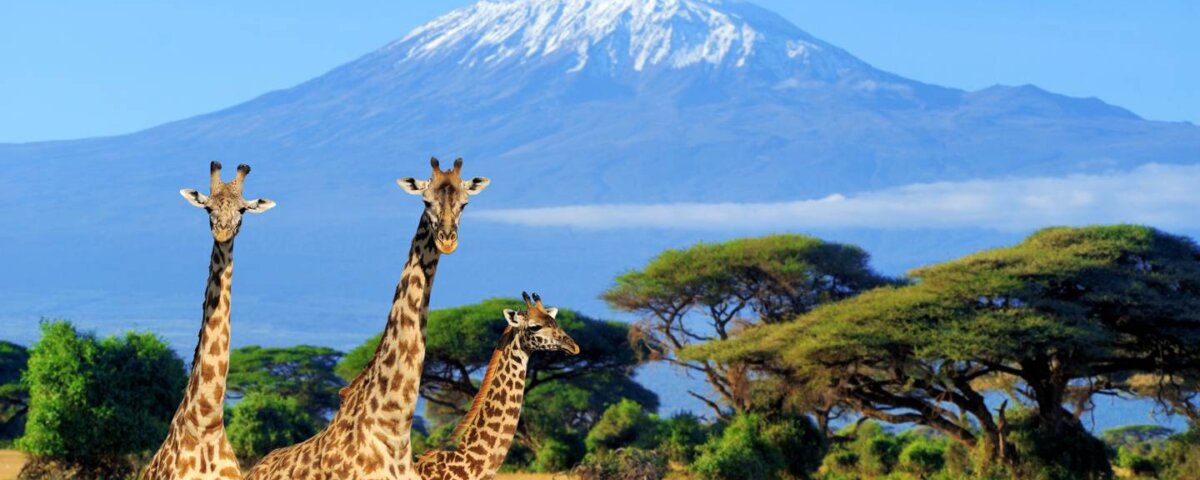
What Makes Amboseli Famous?
Amboseli National Park stands as one of Africa’s most treasured safari destinations, and travelers around the world often ask the same question: what makes Amboseli famous? The answer begins with a single, unforgettable image. Picture a herd of elephants walking slowly across a dusty plain while the snow capped peak of Mount Kilimanjaro rises behind them. This scene appears on postcards, magazine covers, and travel documentaries everywhere. Yet Amboseli offers far more than one iconic view. The park sits in southern Kenya, close to the Tanzanian border, and covers about 392 square kilometers of open plains, wetlands, and acacia woodland. Because of its unique mix of wildlife, scenery, and culture, Amboseli attracts photographers, families, researchers, and first time safari travelers alike. In this guide, we explore every reason why Amboseli earned its global fame, and we show you why this park deserves a top spot on your African travel list.
The Iconic View of Mount Kilimanjaro
First and foremost, Amboseli owes much of its fame to Mount Kilimanjaro. Although the mountain itself stands across the border in Tanzania, the clearest and most dramatic views of its peak come from the Kenyan side, right inside Amboseli. On a clear morning, the mountain dominates the southern horizon. Its snowy summit glows pink and gold at sunrise, and the flat plains below create a perfect natural stage for wildlife.
Moreover, this view gives photographers something truly special. When elephants, giraffes, or zebras pass in front of the mountain, the resulting images look almost unreal. Many of the most famous wildlife photographs ever taken came from this exact location. Travelers should plan their game drives for early morning or late afternoon, because clouds often cover the peak during the middle of the day. In addition, the dry seasons of June to October and January to February offer the best chance of clear skies. Simply put, no other park on Earth combines big game and a giant snow capped mountain in one single frame.
The Legendary Elephants of Amboseli
Above all else, Amboseli means elephants. The park hosts more than 1,600 elephants, and these gentle giants live in large, stable family herds. Visitors can watch them cross the plains in long lines, bathe in the swamps, and care for their playful calves at close range. Unlike elephants in many other parts of Africa, Amboseli’s elephants feel relaxed around safari vehicles, so you can observe natural behavior without disturbing them.
Furthermore, Amboseli holds a special place in science. The Amboseli Elephant Research Project began in 1972, and it remains the longest running study of wild elephants in the world. Researchers here know individual elephants by name, and they have followed some families for more than fifty years. As a result, we understand elephant memory, communication, and family bonds largely because of this park. Amboseli also shelters some of Africa’s last great tuskers, which are bulls with tusks so long they nearly touch the ground. Seeing one of these giants in person feels like stepping back into an older, wilder Africa.
Rich and Diverse Wildlife Beyond Elephants
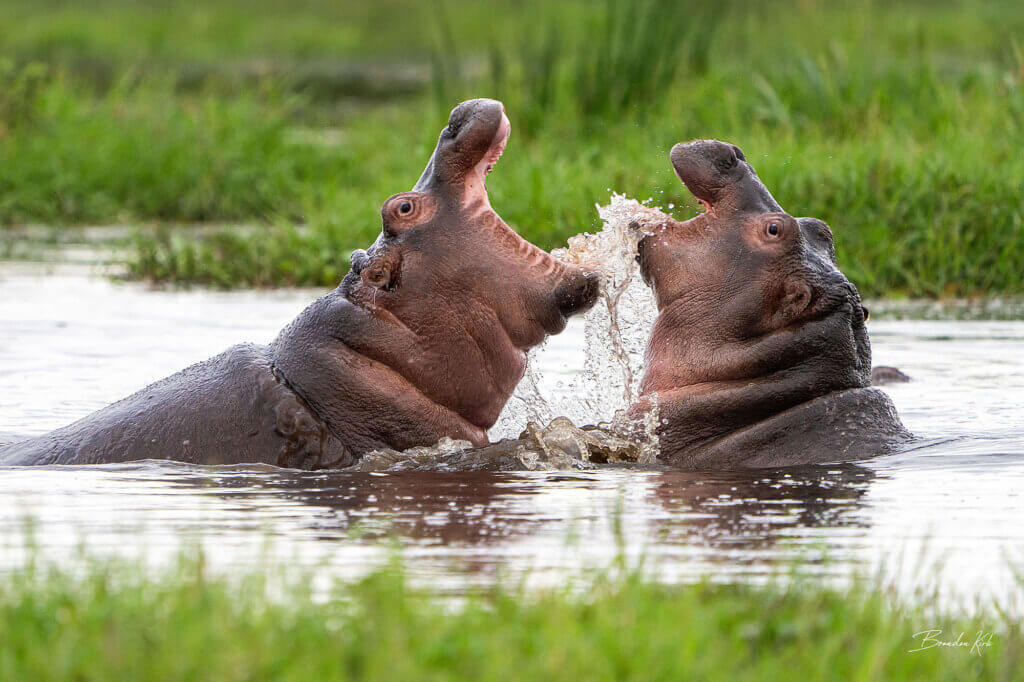
While elephants take center stage, Amboseli supports an impressive cast of other animals. The park protects lions, cheetahs, spotted hyenas, and elusive leopards. Herds of buffalo, zebra, wildebeest, and Thomson’s gazelle graze across the grasslands, and graceful giraffes browse the scattered acacia trees. In the swamps, hippos wallow through the day while waterbirds hunt along the edges.
Additionally, birdwatchers love Amboseli for good reason. The park records more than 400 bird species, including flamingos, pelicans, crowned cranes, and dozens of raptors. During the wetter months, the seasonal lake at the heart of the park fills with water and attracts huge flocks of colorful birds. Therefore, even travelers who have visited other famous parks find new species and new experiences here. Because Amboseli stays relatively compact, wildlife viewing feels efficient and rewarding. You spend less time driving between sightings and more time watching animals behave naturally in front of you.
Unique Landscapes and Swamps Fed by Kilimanjaro
Amboseli’s landscape surprises many first time visitors. The name “Amboseli” comes from a Maasai word meaning “salty dust,” and much of the park does look dry and dusty. However, hidden springs change everything. Melted snow and rainwater from Kilimanjaro travel underground through volcanic rock and rise up inside the park as clear, permanent springs. These springs feed lush green swamps such as Enkongo Narok and Longinye.
Consequently, the park offers a striking contrast. Dry, cracked plains sit right beside emerald wetlands full of life. During droughts, these swamps become lifelines, and animals gather around them in huge numbers. Elephants wade chest deep into the water to feed on soft plants, and this creates some of the best wildlife viewing anywhere in Africa. Beyond the swamps, visitors can climb Observation Hill, a small volcanic rise that provides sweeping views across the entire ecosystem. From the top, you can see the swamps, the plains, the distant herds, and Kilimanjaro all at once. This variety of scenery within such a small area makes every game drive feel fresh.
The Living Culture of the Maasai People
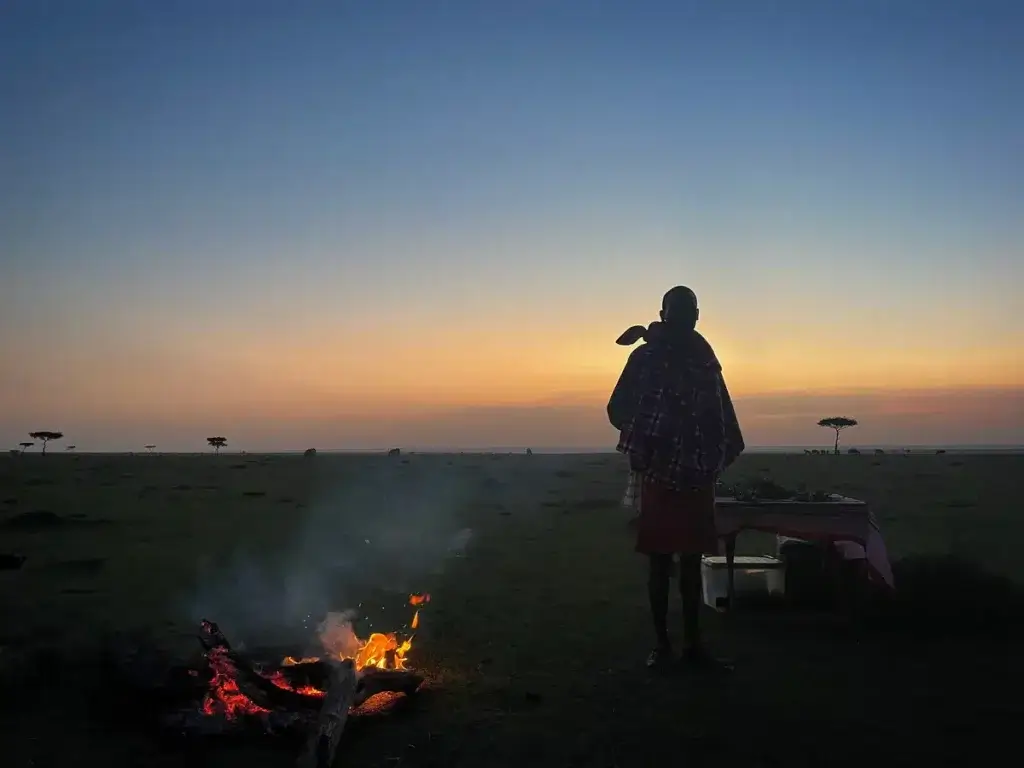
Amboseli’s fame extends beyond wildlife, because the land carries deep human history as well. The Maasai people have lived alongside the animals of this region for centuries. Their bright red clothing, beaded jewelry, and proud warrior traditions form one of Africa’s most recognizable cultures. Around Amboseli, Maasai communities still herd cattle across the same plains where elephants and lions roam.
Importantly, many lodges and community programs now offer respectful cultural visits. Travelers can walk through a traditional Maasai village, watch the famous jumping dance, learn how families build their homes, and buy handmade crafts directly from local artisans. These visits support local income and help protect the land, because communities that benefit from tourism have strong reasons to protect wildlife. In fact, much of the greater Amboseli ecosystem survives today because Maasai landowners set aside conservancies for wildlife. When you visit Amboseli, you support this powerful partnership between people and nature, and you gain a richer, more human understanding of the African savannah.
A Photographer’s Paradise
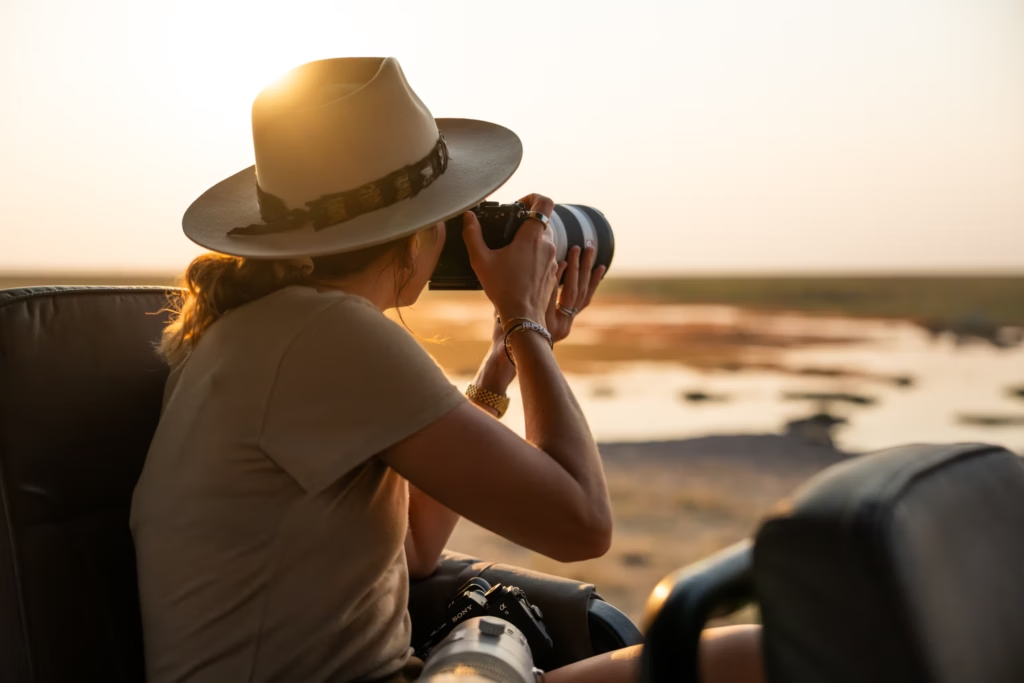
Ask any professional wildlife photographer to name their dream locations, and Amboseli almost always appears on the list. Several factors combine to create perfect conditions here. First, the open plains provide clean, uncluttered backgrounds, so animals stand out clearly in every shot. Second, the dust in the air catches the golden light of sunrise and sunset, which gives photos a warm, dramatic glow. Third, Kilimanjaro delivers a backdrop no studio could ever match.
Additionally, the relaxed elephants allow close, eye level portraits that feel intimate and emotional. Photographers can capture tender moments between mothers and calves, dramatic dust bathing scenes, and long lines of elephants marching at dawn. Even travelers with simple phone cameras return home with stunning images. For the best results, visit during the dry season, wake up early, and stay out until the last light fades. Whether you shoot professionally or simply want beautiful memories, Amboseli rewards patience with pictures you will treasure forever.
Easy Access and Year Round Safari Experiences
Another reason for Amboseli’s fame comes down to convenience. The park sits only about 230 kilometers southeast of Nairobi, and travelers can reach it in roughly four hours by road. Alternatively, daily flights connect Nairobi’s Wilson Airport to the Amboseli airstrip in under an hour. Because of this easy access, Amboseli works perfectly for short safaris, family trips, and combined itineraries that also include the Maasai Mara or Tsavo.
Furthermore, Amboseli delivers great wildlife viewing throughout the year. The dry seasons concentrate animals around the swamps and offer the clearest mountain views. Meanwhile, the green seasons of November and March to May bring dramatic skies, newborn animals, and huge flocks of birds. Accommodation options suit every budget, from luxury lodges with private views of Kilimanjaro to comfortable tented camps and affordable public campsites. Therefore, whether you plan a honeymoon, a family adventure, or a photography expedition, Amboseli fits your travel style with ease.
Conservation Success and Global Recognition
Amboseli also earned fame through its conservation story. Kenya declared the area a national park in 1974, and UNESCO later recognized the region as a Man and Biosphere Reserve. This status honors the way people and wildlife share the same ecosystem. Over the decades, Amboseli faced serious challenges, including droughts and poaching pressure across East Africa. Nevertheless, strong protection, dedicated research, and community partnerships helped elephant numbers grow steadily.
Today, Amboseli stands as proof that conservation works when local people lead it. Community conservancies now surround the park and protect vital corridors that elephants use to move between feeding areas. Tourism revenue funds schools, water projects, and wildlife rangers. As a result, every visitor becomes part of the solution. When you book a safari to Amboseli, your park fees and lodge payments directly support the survival of elephants, big cats, and the Maasai way of life. Few destinations on Earth connect travel and conservation so clearly and so powerfully.
Practical Tips for Visiting Amboseli
Careful planning turns a good safari into a great one, so keep these tips in mind. First, choose the right season for your goals. Visit between June and October or January and February for dry weather, big elephant gatherings, and clear views of Kilimanjaro. Travel during the green seasons if you prefer fewer crowds, lower prices, and beautiful skies. Second, pack smart. Bring neutral colored clothing, a warm layer for cold mornings, sunscreen, binoculars, and extra camera batteries.
Third, plan at least two nights in the park. Kilimanjaro often hides behind clouds, so multiple mornings increase your chances of that perfect view. Fourth, always follow park rules. Stay inside your vehicle, keep a respectful distance from wildlife, and never feed the animals. Finally, let a professional tour operator handle the details; Giant Holiday Safaris provides experienced local guides who know where the elephant families move each day, sharing knowledge that transforms what you see into what you understand. With these simple steps, your safari will exceed every expectation.
Final Thoughts
So, what makes Amboseli famous? The answer weaves together many threads into one unforgettable destination. The park delivers the world’s most iconic safari view, with elephants crossing golden plains beneath the snows of Kilimanjaro. As a premier tour operator, Giant Holiday Safaris brings you face-to-face with one of Africa’s most studied and most beloved elephant populations, along with lions, cheetahs, hippos, and hundreds of bird species. Its swamps, plains, and volcanic hills create scenery that changes around every corner.
Its Maasai communities share a proud living culture and lead one of Africa’s great conservation success stories. Add easy access from Nairobi and excellent lodges for every budget, and you have a destination that satisfies every kind of traveler. Amboseli is not simply a park you visit; it is a place you feel, remember, and long to see again. Start planning your journey with Giant Holiday Safaris today, and discover for yourself exactly what makes Amboseli famous.
Combined Uganda, Kenya, Rwanda and Tanzania Safaris
17 days Kenya Tanzania and Uganda safari
19 Days Uganda Kenya and Tanzania Safari
16 Days Kenya Tanzania and Uganda Safari
14 Days Kenya Uganda and Tanzania Safari
14 Days Kenya Uganda and Rwanda Safari