What Is the Cost of Kilimanjaro and Safari Tour
July 16, 2026
What Is the Best Route to Climb Kilimanjaro
July 16, 2026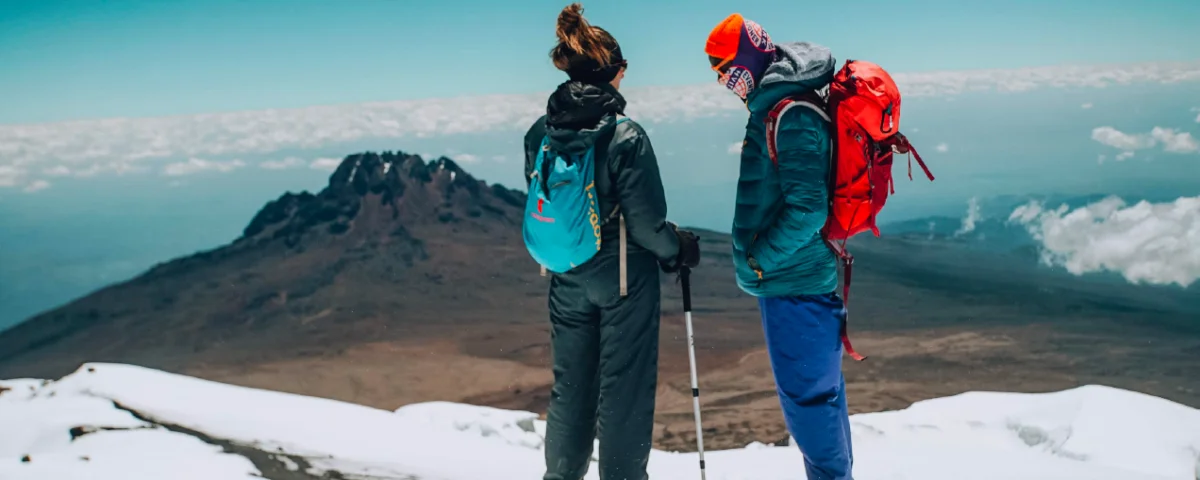
Is Mount Kilimanjaro Worth Climbing
Many adventure travelers dream of standing on the highest point in Africa, but one important question often comes first: is Mount Kilimanjaro worth climbing? For thousands of people who complete the journey every year, the answer is a confident yes. Climbing Mount Kilimanjaro is much more than reaching a famous summit. It is an opportunity to challenge yourself, experience breathtaking landscapes, discover Tanzania’s natural beauty, and create memories that stay with you for life.
Unlike many of the world’s highest mountains, Mount Kilimanjaro does not require technical climbing skills. Most healthy people with proper preparation, determination, and experienced guides can successfully reach the summit. This makes Kilimanjaro one of the most accessible high mountains in the world while still offering a genuine sense of adventure and achievement.
Every day on the mountain introduces something new. Dense rainforests, colorful moorlands, rocky alpine deserts, and snow-covered glaciers create constantly changing scenery as you climb higher. The peaceful environment, fresh mountain air, and spectacular sunrise from Uhuru Peak combine to create an experience that few destinations can match.
Understanding is Mount Kilimanjaro worth climbing helps travelers appreciate that the journey is not only about reaching the summit but also about enjoying every step along the way while discovering one of Africa’s greatest natural wonders.
Why Mount Kilimanjaro Attracts Climbers from Around the World
Mount Kilimanjaro attracts thousands of visitors every year because it offers an adventure that combines personal achievement, incredible scenery, and international recognition. Standing at 5,895 meters above sea level, it remains Africa’s tallest mountain and one of the world’s most famous trekking destinations.
One of Kilimanjaro’s greatest attractions is its accessibility. Unlike many high mountains, climbers do not need ropes, ice axes, or advanced mountaineering experience. With proper preparation, good physical fitness, and gradual acclimatization, many first-time trekkers successfully reach the summit.
The mountain also offers remarkable environmental diversity. During the climb, visitors pass through several ecological zones that feel like traveling across different continents. The journey begins in lush tropical rainforest before continuing through heathlands, alpine deserts, and finally icy summit landscapes that seem almost otherworldly.
International visitors appreciate Kilimanjaro because it provides more than physical adventure. The climb encourages patience, teamwork, determination, and personal growth. Every day brings new challenges that strengthen confidence while rewarding climbers with unforgettable scenery.
For many travelers, reaching Uhuru Peak becomes one of life’s greatest achievements. The experience combines physical effort with emotional satisfaction, making Kilimanjaro a destination that continues to inspire adventurers from every corner of the world.
What Makes Climbing Mount Kilimanjaro Special
Many mountains offer beautiful scenery, but Mount Kilimanjaro provides a unique experience that few destinations can equal. Travelers asking is Mount Kilimanjaro worth climbing often discover that the mountain’s greatest strength lies in the variety of experiences it offers throughout the journey.
One remarkable feature is the dramatic change in landscapes. Climbers begin beneath towering rainforest trees where monkeys, colorful birds, and unique plant species thrive. As the trail rises, forests gradually give way to open moorlands covered with giant groundsels and striking alpine vegetation. Higher still, rocky deserts stretch toward snow-covered glaciers that surround the summit.
Another unforgettable aspect is the sunrise summit experience. Most climbers begin the final ascent during the night, reaching Uhuru Peak shortly after dawn. Watching the sun rise above the African plains while standing on the continent’s highest point creates an emotional moment that many travelers describe as unforgettable.
The mountain also encourages meaningful connections between climbers, guides, porters, and fellow travelers. Shared challenges naturally create friendships and lasting memories throughout the expedition.
Because every day presents different landscapes, weather conditions, and personal milestones, the journey remains exciting from beginning to end. Few adventures combine natural beauty, personal achievement, and cultural interaction as successfully as Mount Kilimanjaro.
The Personal Rewards for Climbing Mount Kilimanjaro to the Summit
Climbing Mount Kilimanjaro offers rewards that extend far beyond photographs taken at the summit. Every step toward Uhuru Peak teaches valuable lessons about determination, patience, resilience, and confidence. These personal achievements often become just as meaningful as reaching the highest point itself.
The climb requires consistent effort rather than speed. Progress happens one step at a time, encouraging climbers to remain focused on each stage instead of worrying about the entire journey. This steady approach builds mental strength while demonstrating how persistence leads to success.
Many travelers arrive with doubts about their ability to complete the climb. However, overcoming physical fatigue, changing weather, and high altitude often transforms uncertainty into confidence. Reaching the summit proves that difficult goals become possible through preparation, determination, and a positive attitude.
The experience also encourages appreciation for nature. Quiet mountain trails, breathtaking views, brilliant night skies, and peaceful mornings provide opportunities to disconnect from daily routines and reconnect with the natural world.
Many visitors extending their journey through northern Tanzania discover that combining their climb with carefully planned wildlife adventures through Giant Holiday Safaris creates an even more rewarding experience, allowing them to celebrate their summit achievement while exploring some of Africa’s finest national parks.
Wildlife and Scenic Experiences Around Kilimanjaro
Although Mount Kilimanjaro is famous for its summit, the surrounding region also offers remarkable natural attractions that make the journey even more worthwhile. Travelers often discover that the mountain serves as the gateway to many of Tanzania’s most beautiful landscapes and wildlife experiences.
The lower slopes of Kilimanjaro support rich forests filled with diverse plant and animal life. Blue monkeys, black-and-white colobus monkeys, bushbucks, and numerous bird species inhabit these forests, adding excitement to the early stages of the climb. Colorful flowers, giant ferns, and towering trees create a beautiful introduction to the mountain.
Beyond the mountain itself, northern Tanzania contains several world-renowned safari destinations located within comfortable driving distance. Visitors frequently combine their climb with game drives through Arusha National Park, Tarangire National Park, Lake Manyara National Park, the Ngorongoro Conservation Area, and Serengeti National Park.
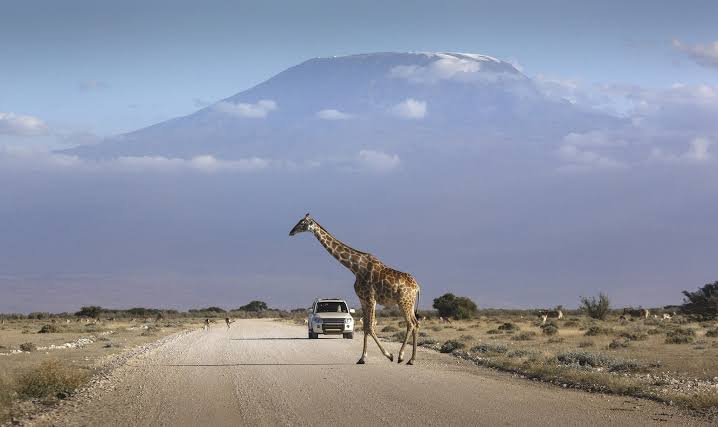
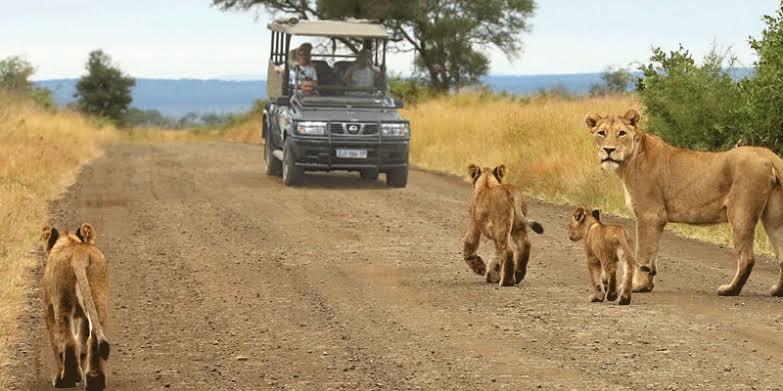
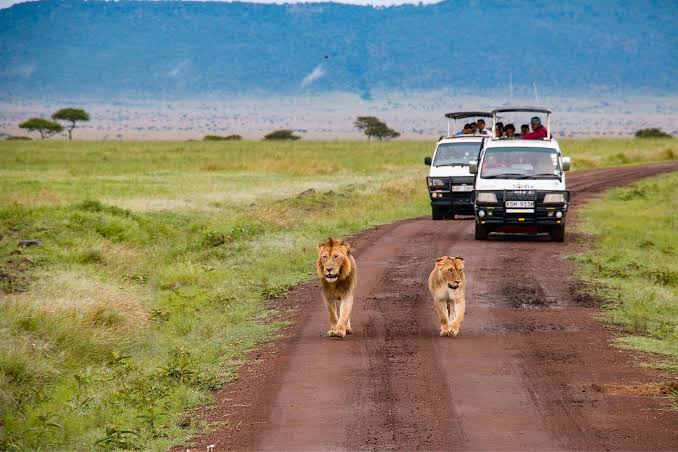
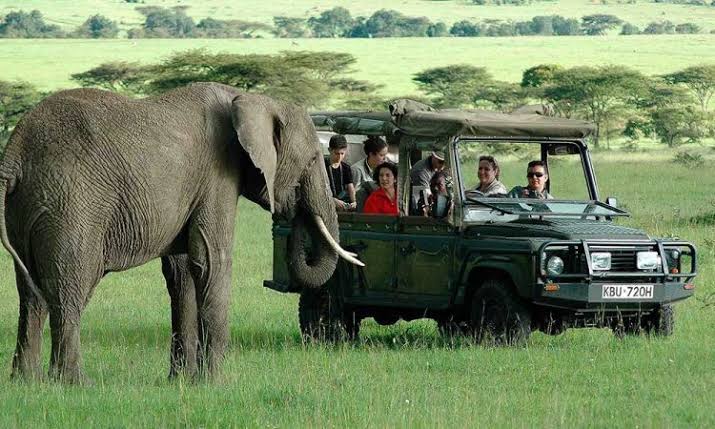
These nearby parks introduce travelers to elephants, lions, giraffes, zebras, buffaloes, rhinos, cheetahs, hippos, and hundreds of bird species living within spectacular natural environments. The contrast between climbing Africa’s highest mountain and exploring vast wildlife reserves creates one of the most complete travel experiences available anywhere on the continent.
Together, Mount Kilimanjaro and Tanzania’s nearby safari destinations offer an unforgettable combination of adventure, scenery, wildlife, and cultural experiences that few countries can match.
Challenges to Consider Before Climbing Kilimanjaro
While many travelers answer is Mount Kilimanjaro worth climbing with enthusiasm, it is also important to understand the challenges that come with the adventure. Knowing what to expect allows you to prepare properly and enjoy the experience with greater confidence.
The biggest challenge for most climbers is altitude rather than the trail itself. As you climb higher, the air becomes thinner and your body receives less oxygen. Some people experience headaches, fatigue, or shortness of breath. Choosing a longer route with more time for acclimatization greatly improves your chances of reaching the summit comfortably.
Weather also changes quickly on the mountain. Warm sunshine at the base can turn into freezing temperatures near the summit. Wearing several clothing layers helps you adjust easily as conditions change throughout the journey.
Physical fitness plays another important role. Although Kilimanjaro does not require technical climbing skills, hikers spend several hours walking each day. Building endurance through regular exercise before your trip makes the climb much more enjoyable.
Mental preparation is equally valuable. Remaining patient, following your guide’s advice, walking at a steady pace, and maintaining a positive attitude often make the difference between giving up and celebrating at Uhuru Peak. Every challenge becomes part of the rewarding experience that makes Kilimanjaro so memorable.
Tips for Making Your Kilimanjaro Climb Successful
Good preparation increases both your safety and your enjoyment on Mount Kilimanjaro. Once you understand is Mount Kilimanjaro worth climbing, taking practical steps before your adventure helps you maximize the experience from the first day to the final summit.
Begin training several weeks or months before departure. Regular hiking, brisk walking, jogging, cycling, and stair climbing improve endurance while strengthening your muscles for long trekking days. If possible, practice carrying a small backpack during training hikes to become comfortable with extended walking.
Choosing the right climbing route also matters. Longer routes such as Lemosho or Machame allow better acclimatization, which increases summit success rates while reducing the effects of altitude.
Packing carefully makes every day more comfortable. Waterproof hiking boots, warm thermal clothing, gloves, hats, sunglasses, sunscreen, reusable water bottles, and quality rain gear all contribute to a safer climb. Bringing only essential items also keeps your backpack manageable.
During the climb, drink plenty of water, eat nutritious meals, and listen carefully to your guides. Walking slowly may seem unusual at first, but maintaining a steady pace allows your body to adapt naturally to increasing altitude. Small daily decisions often have the greatest impact on your overall success.
Combining Mount Kilimanjaro with a Tanzania Safari
Many travelers decide that climbing Mount Kilimanjaro is only the beginning of their Tanzanian adventure. After reaching Africa’s highest summit, continuing to nearby safari destinations creates an unforgettable holiday that combines physical achievement with extraordinary wildlife experiences.
Northern Tanzania offers several world-famous national parks within easy reach of Kilimanjaro. Visitors frequently continue to Tarangire National Park, Lake Manyara National Park, the Ngorongoro Conservation Area, or Serengeti National Park after completing their climb. Each destination introduces different landscapes, wildlife, and safari experiences.
This combination provides an ideal balance. The mountain challenges your determination and endurance, while the safari offers opportunities to relax in comfortable lodges as you observe elephants, lions, giraffes, zebras, buffaloes, rhinos, and countless other animals in their natural habitats.
Some travelers extend their holiday even further by visiting Zanzibar, where white sandy beaches and warm Indian Ocean waters provide the perfect setting to celebrate their accomplishment.
Many visitors find that carefully planned itineraries arranged through Giant Holiday Safaris create a smooth transition between trekking, wildlife viewing, and beach relaxation, allowing every stage of the journey to complement the next while maximizing both comfort and adventure.
Is Mount Kilimanjaro Worth Climbing for an Unforgettable African Adventure
After exploring every stage of this remarkable journey, the answer to is Mount Kilimanjaro worth climbing becomes clear. For travelers seeking adventure, breathtaking scenery, personal achievement, and unforgettable memories, few destinations offer such a complete experience.
Mount Kilimanjaro stands apart because it welcomes people from many backgrounds. You do not need advanced climbing skills to reach the summit. Instead, success depends on preparation, determination, patience, and the willingness to keep moving forward one step at a time. Every day on the mountain introduces new landscapes, fresh challenges, and rewarding moments that make the journey as meaningful as the destination itself.
Beyond the summit, the surrounding region offers even more opportunities to experience Tanzania’s natural beauty. Nearby national parks, rich wildlife, welcoming communities, and diverse landscapes transform one mountain climb into a complete African adventure filled with discovery and excitement.
Whether your dream is reaching Uhuru Peak, photographing spectacular scenery, observing wildlife, or combining trekking with a safari, Mount Kilimanjaro delivers an experience that continues to inspire long after the journey ends.
Travelers choosing Giant Holiday Safaris benefit from carefully planned adventures that combine expert guidance, personalized itineraries, and authentic Tanzanian experiences, making every stage of the journey comfortable, memorable, and rewarding.
If you have been wondering is Mount Kilimanjaro worth climbing, the answer is yes. It is one of Africa’s greatest adventures, offering an unforgettable combination of natural beauty, personal growth, cultural experiences, and lifelong memories that few destinations anywhere in the world can match.
Combined Uganda, Kenya, Rwanda and Tanzania Safaris
17 days Kenya Tanzania and Uganda safari
19 Days Uganda Kenya and Tanzania Safari
16 Days Kenya Tanzania and Uganda Safari
14 Days Kenya Uganda and Tanzania Safari
14 Days Kenya Uganda and Rwanda Safari