First time Kenya Safari Travel
April 14, 2026
6-Day Tanzania Safari Tour – A Life-Changing Adventure You Will Never Forget
April 15, 2026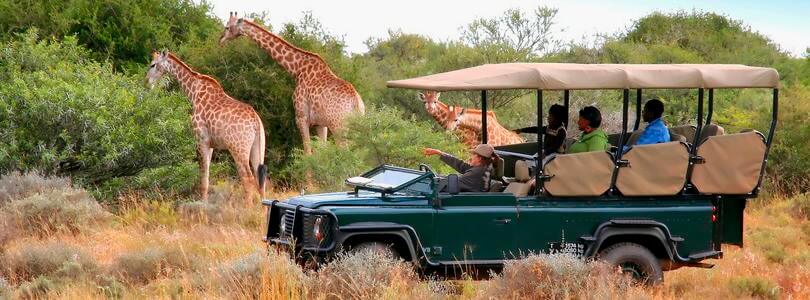
Kenya Safari Cost Breakdown
Kenya Safari Cost Breakdown: Kenya offers one of the most exciting safari experiences in the world. Travelers come for the wildlife, the landscapes, and the unforgettable adventure. However, many people feel unsure about the real cost of a Kenya safari. Prices vary widely, and small choices can change your total budget quickly. That is why understanding safari costs helps you plan better and travel with confidence.
A Kenya safari includes more than just game drives. You pay for park entry fees, accommodation, transport, guides, meals, and sometimes flights. Each of these elements affects the final price. While Kenya can fit both budget and luxury travelers, you need clear expectations before booking.
In addition, timing plays a big role. High season costs more due to demand, while low season offers lower rates. Location also matters because famous parks charge higher fees. When you understand these factors, you avoid surprises and make smarter decisions.
This guide breaks down Kenya safari costs in a clear and simple way. It explains what you will spend, why prices differ, and how to plan wisely. Whether you want a budget-friendly adventure or a luxury escape, this guide gives you the insight you need.
What Determines the Cost of a Kenya Safari
Kenya Safari Cost Breakdown is shaped by several factors . Understanding them helps you control your budget and avoid overspending.
First, accommodation plays a major role. Luxury lodges cost significantly more than budget camps. A high-end lodge offers private decks, fine dining, and exclusive views. On the other hand, budget camps provide comfort at a lower cost while still delivering a great experience.
Second, park fees add a large portion to your total. Kenya’s national parks charge daily entry fees, and popular parks tend to cost more. These fees support conservation efforts and wildlife protection.
Transportation also affects your budget. Road safaris cost less than flying safaris. However, flights save time and offer stunning aerial views. Many travelers choose flights for convenience, especially when visiting multiple parks.
Group size influences the cost as well. Private safaris cost more per person, while group safaris reduce expenses. Sharing a vehicle and guide lowers overall costs without reducing the experience.
Finally, travel season impacts pricing. High season brings higher rates due to demand. Low season offers discounts but may include unpredictable weather.
When you consider all these factors together, you gain better control over your safari budget.
Average Cost of a Kenya Safari
Kenya safari costs vary widely depending on travel style. However, you can estimate your budget based on general price ranges.
Budget safaris usually cost between $150 and $300 per person per day. These packages include basic accommodation, shared transport, and standard meals. They suit travelers who want adventure without spending too much.
Mid-range safaris typically range from $300 to $600 per person per day. These offer better lodges, more comfort, and improved service. Many travelers choose this option because it balances cost and experience.
Luxury safaris can cost $600 to over $1,500 per person per day. These packages include top lodges, private guides, premium meals, and sometimes charter flights. Luxury travelers enjoy exclusive experiences and high-end comfort.
In addition, the length of your safari affects the total cost. A 3-day safari costs less than a 7-day adventure, but longer trips often provide better value per day.
Extra activities, such as hot air balloon safaris, also increase your budget. These experiences add value but come at an additional cost.
Overall, Kenya offers flexible pricing. You can choose a safari that matches your budget while still enjoying an unforgettable experience.
Accommodation Options and Their Costs
Kenya Safari Cost Breakdown in accommodation forms a major part of your safari budget. Kenya offers a wide range of options to suit different travelers.
Budget camps provide the most affordable choice. These camps offer simple tents or rooms with basic facilities. Despite the lower cost, they still provide access to wildlife and guided tours.
Mid-range lodges offer more comfort and better amenities. You can expect spacious rooms, good meals, and scenic views. These lodges often sit near or inside national parks, which adds convenience.
Luxury lodges deliver a premium experience. They feature elegant designs, private decks, swimming pools, and gourmet dining. Many luxury lodges also offer personalized services such as private guides and exclusive game drives.
Tented camps also vary in cost. Some offer basic setups, while others provide luxury tents with modern comforts. These camps allow you to stay closer to nature without sacrificing comfort.
Location also influences accommodation prices. Lodges inside national parks often cost more due to their prime location. However, they provide quicker access to wildlife.
Choosing the right accommodation depends on your budget and expectations. Each option offers a unique experience, so you can find one that fits your travel style.
Park Fees and Conservation Charges
Kenya Safari Cost Breakdown Park fees play a crucial role in Kenya safari costs. Every visitor must pay entry fees to access national parks and reserves.
These fees vary depending on the park. Popular parks charge higher fees due to demand and conservation needs. Less crowded parks may offer lower rates.
Park fees usually range from $50 to $100 per person per day for international visitors. Children often receive discounted rates.
These charges support wildlife conservation, park maintenance, and community development. When you pay park fees, you contribute directly to protecting Kenya’s natural heritage.
Some parks also charge additional fees for specific activities. For example, guided walks or special tours may require extra payment.
In addition, private conservancies may charge separate fees. These conservancies offer exclusive experiences with fewer crowds. While they cost more, they provide a more private and relaxed safari experience.
Understanding park fees helps you plan your budget accurately. It also highlights the importance of conservation in Kenya’s tourism industry.
Transportation Costs in Kenya Safaris
Costs Involved In Kenya Safari: Transport affects overall cost. There are two types of transport you can use to get there; either by air or road.
The latter is less expensive and suitable for budget tours. It involves touring around in a safari car accompanied by a guide.
However, road travel takes more time. Long distances between parks can make journeys tiring. Still, many travelers enjoy the adventure and flexibility.
Flying safaris offer speed and comfort. Domestic flights connect major parks quickly. This option works best for travelers with limited time.
Flights cost more than road travel, but they reduce travel time significantly. You also enjoy aerial views of Kenya’s landscapes.
Private transfers add another layer of cost. These include exclusive vehicles and personalized services. While expensive, they provide comfort and flexibility.
Fuel costs, vehicle type, and distance also influence transportation prices. Choosing the right option depends on your budget and schedule.
Balancing cost and convenience helps you create the perfect safari experience.
Best Time to Travel and Its Impact on Costs
Timing plays a major role in determining safari costs. Kenya has three main travel seasons: high, shoulder, and low season.
High season runs from June to October. This period coincides with the Great Migration and excellent wildlife viewing. Prices rise due to high demand, and accommodation fills quickly.
Shoulder season occurs between January and March. This period offers good weather and moderate prices. You can enjoy wildlife with fewer crowds.
Low season runs from April to May. Rainfall increases during this time, and some lodges close. However, prices drop significantly, making it the most affordable time to visit.
Traveling during low season helps you save money. However, you may face muddy roads and unpredictable weather.
Booking early also affects pricing. Early reservations often secure better rates, especially during high season.
Understanding seasonal trends helps you choose the best time for your safari. You can balance cost, weather, and wildlife viewing to match your preferences.
Additional Costs to Consider
Many travelers overlook extra costs when planning a safari. These additional expenses can affect your overall budget.
Tips for guides and staff form a common extra cost. While optional, tipping shows appreciation for good service. Most travelers budget around $10 to $20 per day for guides.
Travel insurance also adds to your expenses. It protects you against unexpected events such as cancellations or medical emergencies.
Visa fees apply to international visitors. Kenya requires an electronic visa, which you must arrange before travel.
Optional activities increase your costs as well. Hot air balloon safaris, cultural visits, and guided walks often require additional payment.
Personal expenses such as drinks, souvenirs, and laundry also add up. Luxury lodges may include some extras, but not all.
Flights to and from Kenya represent another major cost. International airfare varies depending on location and booking time.
Planning for these additional costs ensures you avoid surprises. It also helps you create a realistic and complete safari budget.
How to Save Money on a Kenya Safari
You can enjoy a Kenya safari without overspending by making smart choices with trusted, cost-savvy operator like Giant Holiday Safaris .
Traveling during low or shoulder season reduces costs significantly. You benefit from lower rates and fewer crowds.
Booking in advance also helps secure better deals. Early planning gives you more options and better prices.
Choosing group safaris lowers your expenses. Sharing costs with other travelers makes the safari more affordable.
Selecting mid-range accommodation offers great value. You enjoy comfort without paying luxury prices.
Limiting internal flights can also save money. Road travel may take longer, but it costs less.
Working with a reliable safari operator helps you avoid hidden costs. A good operator provides clear pricing and quality service.
Finally, setting a clear budget helps you stay on track. Knowing your limits allows you to make better decisions throughout your planning process.
Conclusion: Planning Your Perfect Kenya Safari Budget
A well-planned safari with the right operator creates an unforgettable journey across Kenya’s landscapes. Giant Holiday Safaris stands out for transparent pricing, flexible itineraries, and deep local expertise. By understanding cost categories—from park fees to transport and accommodation—you can make informed decisions and find options for any budget. Giant Holiday Safaris handles permits, logistics, and timing, so you can focus on wildlife and experiences. With smart planning and the right partner, your Kenya safari becomes both affordable and remarkable
Combined Uganda, Kenya, Rwanda and Tanzania Safaris
17 days Kenya Tanzania and Uganda safari
19 Days Uganda Kenya and Tanzania Safari
16 Days Kenya Tanzania and Uganda Safari
14 Days Kenya Uganda and Tanzania Safari
14 Days Kenya Uganda and Rwanda Safari