Gorilla Trekking and Uganda Visa information
November 15, 2025
Can you wear black while gorilla trekking?
November 15, 2025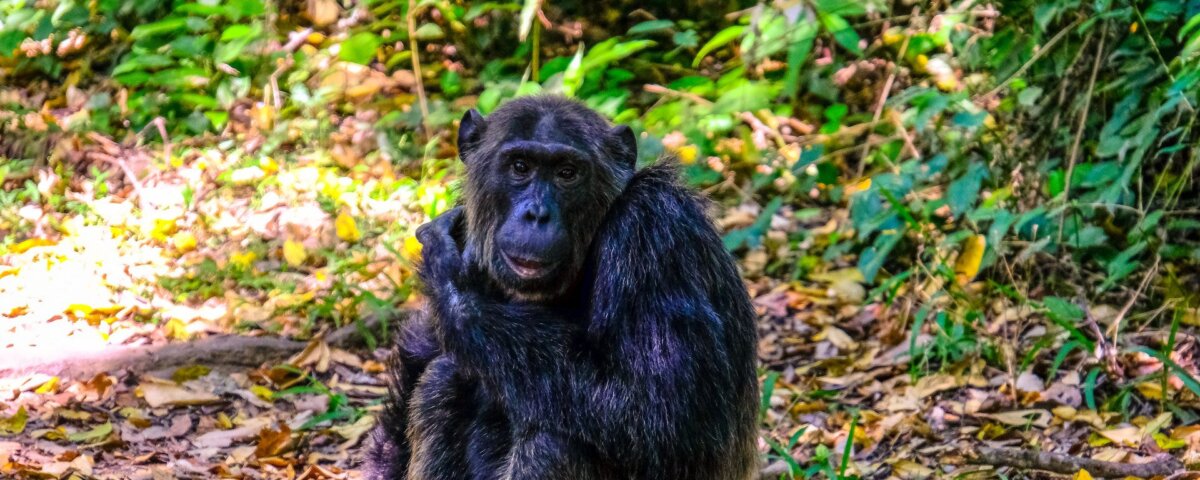
Low season and chimpanzee trekking permit discount
Low season and chimpanzee trekking permit discount: Traveling during the low season offers numerous advantages particularly for wildlife enthusiasts seeking unique and intimate experiences. One such benefit is the discounted rates on chimpanzee trekking permits available in select destinations during this period. For those eager to observe chimpanzees in their natural habitat, planning a trip in the low season can be both cost-effective and rewarding. Chimpanzee trekking is a unique activity especially in countries like Uganda and Rwanda where lush forests serve as home to these remarkable creatures.
During the high season, Chimpanzee trekking permits can be in high demand often requiring bookings months in advance. However, the low season which is typically marked by fewer tourists provides an opportunity to secure chimpanzee trekking permits at reduced rates. The benefits of trekking during the low season extend beyond financial savings. With fewer visitors in the parks, the experience becomes more serene and personalized. The forests are quieter, allowing for better opportunities to observe chimpanzees up close without the distractions of large crowds.
Low season and chimpanzee trekking permit discount
Additionally, the rainy season often enhances the natural beauty of the environment with lush vegetation and vibrant landscapes creating a picturesque backdrop for your adventure. That said, travelers should prepare for the challenges associated with low-season trekking for example rainfall may make trails slippery and more challenging to navigate, so appropriate gear such as waterproof clothing and sturdy hiking boots is essential. Guides and park rangers are well-equipped to ensure safety and provide an enriching chimpanzee trekking experience despite weather conditions.
Are there discounted chimpanzee trekking permits in Uganda today?
No. Discounted chimpanzee trekking permits in Uganda have historically been offered during specific periods or as part of promotional campaigns by the Uganda Wildlife Authority (UWA). While exact details for 2025 have not yet been officially announced, it is worth noting that discounted chimpanzee trekking permits are typically available during Uganda’s low tourism seasons which usually occur in the months of April, May and November.
These discounts are aimed at encouraging travelers to visit during less busy periods and can significantly reduce the cost of permits, making chimpanzee trekking experience more accessible. Standard chimpanzee trekking permits in Uganda are generally priced at $200 per person for foreign non-residents. Book your chimpanzee trekking permit today with Giant Holiday Safaris.
Chimpanzee trekking permits in Uganda
A chimpanzee trekking permit is an official document issued by the Uganda Wildlife Authority (UWA) that grants you access to designated chimpanzee habitats. These chimpanzee trekking permits are essential for regulating the number of visitors to ensure sustainable tourism and minimize disturbances to the animals. The most popular destinations for chimpanzee trekking in Uganda include Kibale National Park, Budongo Forest, Kyambura Gorge and Kalinzu Forest.
How do I purchase a chimpanzee trekking permit during the low season in Uganda?
The UWA is the primary body responsible for issuing chimpanzee trekking permits. You can contact their offices directly via email, phone or in person at their headquarters in Kampala. It is advisable to book permits in advance especially during peak tourism seasons that is from June to September and December to February as permits are limited and demand is high. You can also purchase a chimpanzee trekking permit using a licensed tour company like Giant Holiday Safaris.
These professionals simplify the process by handling all logistics on your behalf including permit acquisition, transport arrangements and guided tours. The operator is reputable and accredited by the UWA. You can also get your chimpanzee trekking permit online. While direct online booking systems are still developing in Uganda, some operators and agencies offer online platforms where you can reserve chimpanzee trekking permits. Always verify the authenticity of such platforms before making payments because most of them are fake.
How much does a chimpanzee trekking permit cost?
A chimpanzee trekking permit in Uganda costs approximately $250 per person for foreign non-residents, $150 for foreign residents and UGX 150,000 for East African citizens. Prices may vary depending on the trekking location. Payments are typically made in US dollars or Ugandan shillings and most operators Like Giant Holiday Safaris accept bank transfers or credit card payments.
Reasons why it is better to trek chimpanzees during the low season
One of the most significant benefits of chimpanzee trekking during the low season is the cost savings. Permits for chimpanzee trekking which can be quite expensive during peak periods are often discounted during the low season. Additionally, accommodations, transportation and tour packages tend to be more affordable as lodges and tour operators like Giant Holiday Safaris reduce their prices to attract visitors during this less busy time. For budget-conscious travelers, this is an excellent opportunity to enjoy a world-class wildlife experience without breaking the bank.
Smaller crowds and personalized experiences
The low season sees fewer tourists visiting popular chimpanzee trekking destinations. This means that trekking groups are often smaller, allowing for a more intimate and personalized experience. With fewer people competing for the same permits and trails, you are likely to have more time and space to observe the chimpanzees without feeling rushed or crowded. This quieter environment also enhances the overall chimpanzee trekking experience, creating a serene and immersive atmosphere in the forest.
Better opportunities for photography
For photography enthusiasts, the low season offers distinct advantages. The reduced number of visitors means you will have fewer interruptions while capturing those perfect shots of chimpanzees in their natural behavior. Additionally, the lush greenery of the rainy season creates a vibrant backdrop, adding depth and richness to your photographs. The lighting conditions during this period can also be softer and more diffused, enhancing the quality of wildlife photography.
Improved availability of chimpanzee trekking permits and accommodation
During the high season, securing a chimpanzee trekking permit or booking preferred accommodations can be highly competitive due to high demand. In contrast, the low season offers greater availability giving you more flexibility in planning your trip. This is particularly beneficial for last-minute travelers or those with specific preferences for lodges or tour operators.
Rich biodiversity and scenic beauty
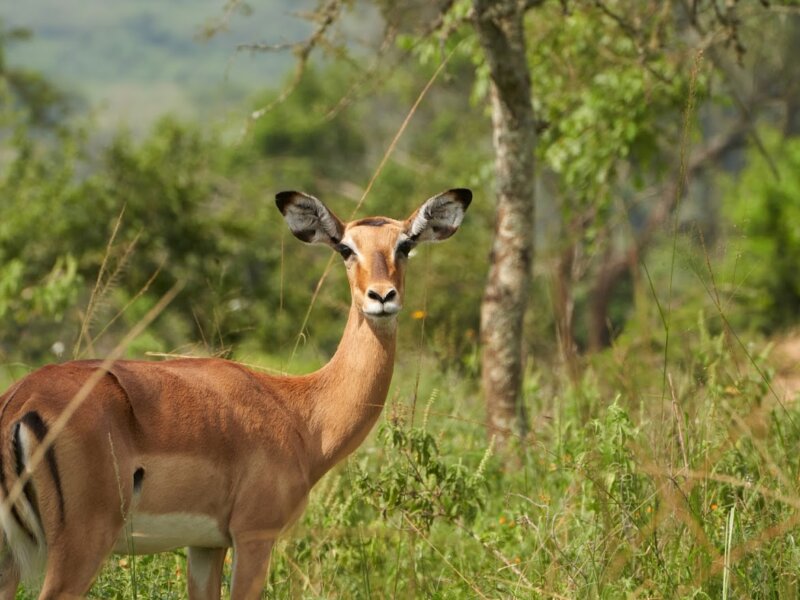
The low season often coincides with the rainy months in East Africa which may deter some travelers. However, these rains bring life to the forests resulting in lush vegetation and an abundance of food sources for wildlife. This increased availability of food often draws chimpanzees closer to accessible areas, making it easier for trekkers to locate them. The rejuvenated forest also supports other wildlife species, providing an opportunity to encounter a wide variety of flora and fauna beyond chimpanzees.
Authentic and peaceful chimpanzee trekking experience
The quieter atmosphere during the low season allows for a more authentic trekking experience. Without large crowds or bustling tourist activity, you will have a better chance to connect with nature and fully appreciate the pristine environment of the forest. The tranquility enhances your ability to observe not only the chimpanzees but also other elements of forest life from colorful birds to unique plant species.
Support for local communities and conservation efforts
Traveling during the low season helps support local communities and conservation initiatives during a time when tourism revenue may be lower. By participating in chimpanzee trekking during this period, you contribute to sustaining livelihoods and funding essential conservation programs aimed at protecting these endangered primates and their habitats.
Unique behavioral observations
Chimpanzee behavior can vary depending on seasonal changes in their environment. During the low season, you may have the chance to observe unique behaviors as chimpanzees adapt to the availability of food and other resources. For example, they might be more active in certain areas of the forest or exhibit specific social interactions influenced by seasonal dynamics.
Opportunities for cultural exploration
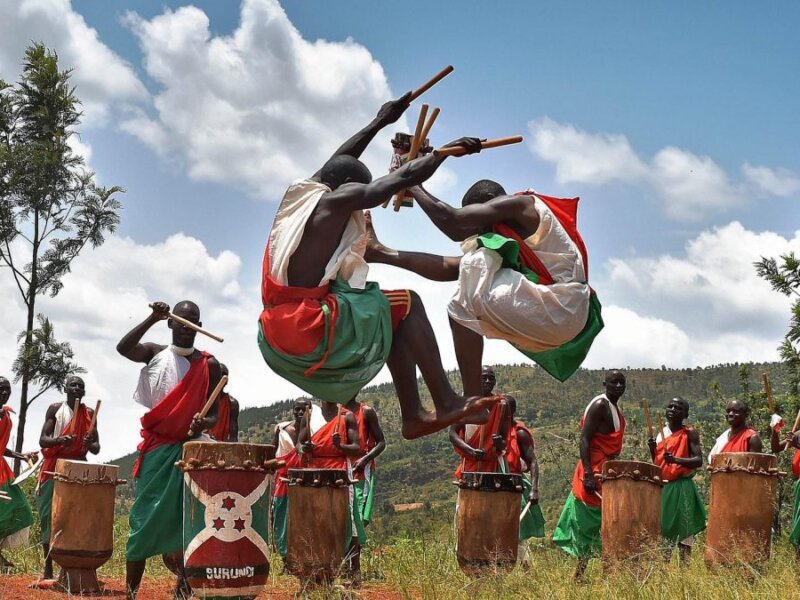
With fewer tourists around, local communities may have more time to engage with visitors on a deeper level. This provides an excellent opportunity to learn about local cultures, traditions and histories in a more relaxed setting. Many chimpanzee trekking destinations are located near vibrant communities that offer cultural experiences such as traditional dances, storytelling and crafts.
Flexibility in travel plans
The lower demand during the off-peak season gives travelers greater flexibility in planning their itineraries. Whether you need to adjust your travel dates or make last-minute changes to your schedule, you are more likely to find availability for chimpanzee trekking permits, guides and accommodations during this time.
Rules and regulations of chimpanzee trekking during the low season in Uganda
- Obtaining a chimpanzee trekking permit is mandatory. Permits help regulate the number of visitors and minimize human impact on chimpanzee habitats.
- Visitors showing symptoms of illness such as colds or flu are strictly prohibited from chimpanzee trekking. Additionally, vaccinations against common diseases may be required before participation.
- Group sizes are limited to reduce stress on the chimpanzees and maintain their natural behaviors. Chimpanzee trekking groups are limited to a specific number of participants. This restriction also enhances the quality of the experience for visitors.
- A minimum distance of 7 meters must be maintained between trekkers and chimpanzees at all times. This rule protects both parties by reducing the risk of disease transmission and preventing the animals from feeling threatened.
- Visitors are required to keep noise levels to a minimum while chimpanzee trekking. Loud voices or sudden movements can disturb the chimpanzees and disrupt their natural activities.
- Carrying food or drinks into the trekking area is strictly prohibited. The smell of food can attract chimpanzees, leading to potential conflicts or disruptions in their feeding patterns.
- While photography is allowed, the use of flash is strictly forbidden as it can startle the chimpanzees. Visitors are encouraged to capture moments responsibly without compromising the well-being of the animals.
- Visitors should wear muted-colored clothing to blend in with the environment and avoid alarming wildlife. Comfortable hiking boots, rain gear and insect repellent are recommended for navigating the forest terrain during the low season.
- Follow your guide’s instructions. Guides play a crucial role in ensuring a safe and successful chimpanzee trekking experience. Their expertise in tracking chimpanzees and understanding their behavior is invaluable.
- Visitors must ensure that no litter or personal belongings are left behind in the forest. Maintaining a pristine environment is essential for the long-term conservation of chimpanzee habitats.