Small Group Tours to Uganda from Canada
December 20, 2025
Small Group Tours to Uganda from the United Kingdom
December 23, 2025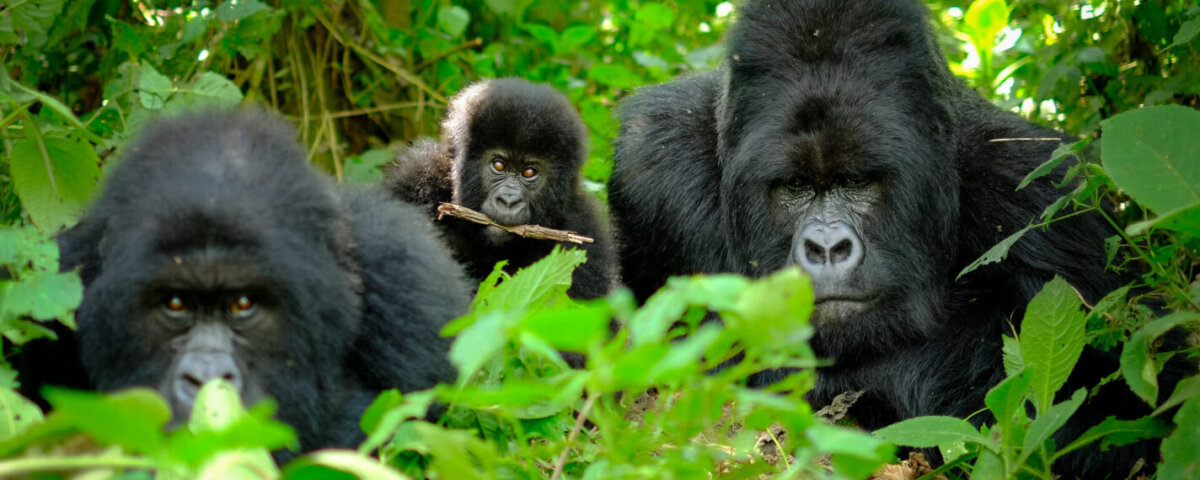
Nyakagezi Gorilla Family of Mgahinga
The Nyakagezi Gorilla Family of Mgahinga attracts travelers from around the world. This gorilla group remains famous for stability and calm behavior. Unlike other groups, Nyakagezi often stays within park boundaries. This makes trekking more predictable and rewarding. The family includes several silverbacks, adult females, juveniles, and infants. Their social structure offers rich observation opportunities.
Nyakagezi gorillas move across bamboo zones and forest edges. Trekkers witness feeding, grooming, and playful interactions. Rangers provide expert guidance during each trek. They explain gorilla behavior and conservation practices clearly. Every trek supports protection efforts and community livelihoods.
The group thrives due to strong protection and suitable habitat. Mgahinga’s bamboo forests provide favorite food sources. This reduces long migrations and human conflict. The gorillas appear relaxed around trackers due to careful habituation. Photography remains easier compared to dense forest parks.
Meeting the Nyakagezi family creates a deep emotional impact. Visitors often describe the encounter as life-changing. Gorilla trekking here feels intimate and respectful. This experience supports ethical tourism and long-term conservation goals.
Trekking the Nyakagezi Group in Mgahinga Gorilla National Park
Trekking the Nyakagezi group in Mgahinga Gorilla National Park offers a well-organized and safe adventure. The day starts early at Ntebeko Visitor Center. Rangers conduct a detailed briefing before departure. Groups remain small to protect gorillas and visitors. Each trek follows gorilla movements from the previous day.
The hike duration varies by gorilla location. Some treks take two hours. Others may take longer on steeper slopes. Porters remain available to assist travelers. Trails pass through bamboo forests and open clearings. The terrain feels scenic and manageable for most fitness levels.
Once trackers locate the gorillas, visitors spend one hour observing them. This time feels powerful and emotional. Silverbacks command attention with calm strength. Young gorillas play and explore nearby branches. Rangers ensure respectful distance and safety.
Photography remains allowed without flash. Quiet behavior enhances the experience. After the trek, visitors return to the center for certificates. Trekking the Nyakagezi group delivers strong conservation value. Permit fees support park management and community development. This trek stands as one of Uganda’s most meaningful wildlife encounters.
Our Best Gorilla Trekking & Wildlife Safari Packages
18 Days Best Uganda Adventure Safaris
14-Days Uganda Gorillas & Wildlife Tour
12 Day Gorilla Trekking and Tanzania Safari
12 Days Gorillas, Chimps & Wildlife Safari
11 Days Tanzania and Uganda Safari Tour
10 Days Uganda Gorillas and Game Safari
6 Days Gorillas and Chimps Trek Safari
3 Days Uganda Gorilla Trekking Tour
3 Days Murchison Falls Wildlife Safari
About Mgahinga Gorilla National Park
Mgahinga Gorilla National Park lies within the Virunga Conservation Area. This region protects endangered mountain gorillas across three countries. The park covers about 33.7 square kilometers. It may appear small, yet it holds outstanding biodiversity. Three extinct volcanoes dominate the landscape. These include Mount Muhabura, Mount Gahinga, and Mount Sabyinyo. Each volcano supports different vegetation zones. Lower slopes hold bamboo forests. Higher areas support montane woodland and afro-alpine plants.
Mgahinga plays a vital role in gorilla conservation. The park protects part of the transboundary gorilla population. Rangers monitor wildlife daily to ensure safety and sustainability. The Uganda Wildlife Authority manages the park with strong conservation standards. Mgahinga also protects rare species like golden monkeys and forest elephants. Birdlife thrives across many habitats. Clear streams flow from volcanic soils, supporting rich ecosystems.
The park holds deep cultural importance. The Batwa people lived here for generations before gazettement. Today, cultural programs allow respectful sharing of Batwa traditions. Mgahinga combines nature, science, and culture in one destination. Visitors gain knowledge while enjoying adventure. This balance makes Mgahinga Gorilla National Park a unique safari location in East Africa.
Activities Done in Mgahinga Gorilla National Park
Activities done in Mgahinga Gorilla National Park extend beyond gorilla trekking. The park offers diverse experiences for nature lovers and explorers. Golden monkey tracking ranks among the top activities. These playful primates live in bamboo forests and move quickly. Tracking them feels lively and interactive.
Birding attracts enthusiasts seeking rare Albertine Rift species. Over 180 bird species live in the park. Guided bird walks reveal colorful forest birds and alpine species. Hiking also remains popular. Trails lead up volcanic slopes with stunning views. Mount Sabyinyo offers a challenging hike across three borders. Mount Gahinga provides gentler slopes and scenic landscapes.
Nature walks explore lower forest zones and cultural sites. Guides explain plant uses, wildlife signs, and geology. Cultural experiences enrich the visit further. Batwa community walks share traditional knowledge through music, storytelling, and crafts.
Each activity follows responsible tourism principles. Guides focus on safety, learning, and respect. Visitors choose activities based on interest and time. Mgahinga supports both adventure seekers and slow travelers. This variety makes the park ideal for extended stays and well-rounded safaris.
Cultural Encounters in Mgahinga Gorilla National Park
Cultural encounters in Mgahinga Gorilla National Park offer meaningful human connections. The Batwa people represent the park’s original forest inhabitants. Conservation efforts displaced them from ancestral lands. Today, cultural programs allow dignified sharing of heritage. Visitors join guided walks led by Batwa interpreters.
These experiences include traditional dances, songs, and storytelling. Participants learn about hunting methods, herbal medicine, and forest survival skills. Demonstrations take place near park boundaries in community areas. This ensures respect for conservation laws.
Cultural visits support livelihoods through direct income. They also preserve knowledge for future generations. Visitors gain deeper understanding of forest life before modern conservation. The encounters feel educational and emotional rather than staged.
Guides explain the link between culture and conservation. Sustainable tourism helps communities protect wildlife. These interactions build empathy and global awareness. Cultural encounters in Mgahinga add depth to any safari. They remind visitors that conservation includes people as well as animals.
Birding in Mgahinga Gorilla National Park
Birding in Mgahinga Gorilla National Park delights both beginners and experts. The park lies within the Albertine Rift, a global biodiversity hotspot. This region hosts many endemic species. Mgahinga records over 180 bird species across habitats.
Lower forest areas support colorful sunbirds and turacos. Bamboo zones attract warblers and weavers. Higher slopes reveal alpine species adapted to cold conditions. Rare birds include the Rwenzori turaco and Kivu ground thrush. Early morning walks deliver the best sightings.
Local bird guides know calls and nesting areas well. They lead focused birding walks along forest edges and clearings. Binoculars and field guides enhance the experience. Photography remains possible with patience and silence.
Birding supports conservation awareness beyond flagship species. It attracts low-impact tourism and longer stays. Mgahinga offers a peaceful birding environment with minimal crowds. This makes sightings more rewarding. Birding here connects visitors with subtle forest life and ecological balance.
Golden Monkey Tracking in Mgahinga Gorilla National Park
Golden monkey tracking in Mgahinga Gorilla National Park provides a fun and energetic experience. They live in bamboo forests at higher elevations. Their bright fur and playful behavior attract many visitors. Tracking starts at the visitor center with ranger briefings.
Groups follow trails into bamboo zones. The monkeys move quickly between trees and ground. Observing them requires attention and agility. Guides explain monkey behavior and conservation threats. Visitors spend one hour watching feeding and social play.
Photography challenges visitors due to movement speed. However, the experience feels exciting and light-hearted. Golden monkey tracking suits travelers seeking variety beyond gorillas. It also costs less than gorilla trekking.
This activity supports broader conservation efforts. Permit fees help protect habitat and research. Golden monkeys face habitat pressure across the region. Tracking programs raise awareness and funding. Mgahinga remains one of the best places to see this endangered species in the wild.
Hiking and Nature Walks in Mgahinga Gorilla National Park
Hiking and nature walks in Mgahinga Gorilla National Park showcase volcanic landscapes and rich ecology. The park offers several guided trails for different fitness levels. Mount Gahinga hike suits moderate hikers. The trail passes bamboo forests and crater swamps. The summit rewards hikers with scenic views.
Mount Muhabura presents a tougher challenge. This hike demands strong fitness and early starts. The trail climbs steep slopes to a crater lake summit. Views stretch across Uganda, Rwanda, and Congo. Mount Sabyinyo remains the most demanding hike. It involves ladders and sharp ridges.
Nature walks explore gentler terrain. These walks reveal medicinal plants, animal tracks, and birdlife. Guides explain volcanic soils and forest regeneration. Walks suit families and relaxed travelers.
Hiking here feels less crowded than other parks. The scenery feels untouched and dramatic. Hiking and nature walks add adventure and learning to Mgahinga safaris.
How to Reach to Mgahinga Gorilla National Park
Understanding how to reach to Mgahinga Gorilla National Park helps with smooth planning. The park sits near Kisoro town in southwestern Uganda. Travelers usually start from Entebbe or Kampala. Road travel takes about nine to ten hours. The route passes Masaka, Mbarara, and Kabale. Roads remain mostly paved with scenic countryside views.
Domestic flights offer faster access. Flights operate from Entebbe to Kisoro Airstrip. The flight takes about one hour. A short drive then leads to the park. Flights suit travelers with limited time.
Cross-border access remains possible from Rwanda. Travelers can drive from Kigali to Kisoro in about four hours. This option suits regional itineraries.
Tour operators handle permits, transfers, and logistics. Using experienced guides ensures safety and comfort. Proper planning makes the journey part of the adventure.
Best Time to Visit Mgahinga Gorilla National Park
The best time to visit Mgahinga Gorilla National Park depends on travel goals. Dry seasons run from June to September and December to February. These months offer easier hiking and clearer trails. Gorilla trekking feels more comfortable during dry periods.
Rainy seasons occur from March to May and October to November. Rain increases forest greenery and bird activity. Fewer visitors arrive during these months. This creates quieter trekking experiences. Permits remain available with flexibility.
Wildlife viewing remains possible year-round. Gorillas and monkeys stay active in all seasons. Weather changes quickly due to altitude. Packing proper gear ensures comfort.
Travelers seeking photography prefer dry months for light conditions. Birders may favor rainy months for breeding activity. Mgahinga delivers rewarding experiences throughout the year with proper planning.