
Gorilla habituation in Rushaga Bwindi
November 20, 2025
River Nile in Uganda
November 21, 2025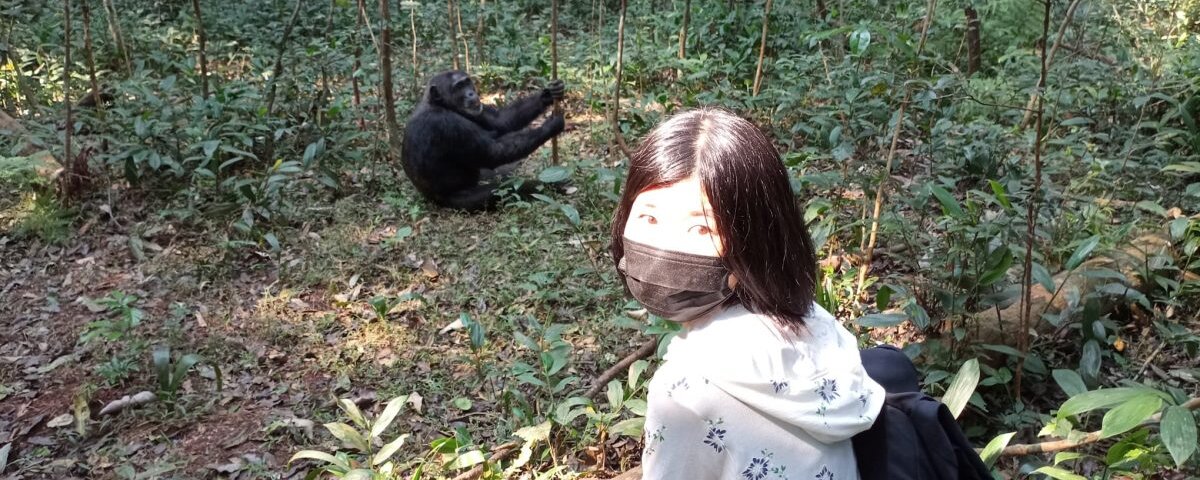
Primate habituation in Uganda
Primate habituation in Uganda: The process where wild primates like chimpanzees and gorillas become accustomed to human presence without altering their natural behavior. In Uganda, this unique experience allows visitors to spend extended time observing these fascinating creatures in their natural habitat. The most popular destinations for primate habituation include Kibale Forest National Park, home to thriving chimpanzee populations and Bwindi Impenetrable Forest, renowned for its majestic mountain gorillas. Guided by experienced trackers, visitors can witness primates playing, foraging and interacting up close, all while learning about their behaviors and conservation efforts. This activity not only provides an intimate wildlife encounter but also supports conservation initiatives by promoting eco-tourism.
Where to go for primate habituation in Uganda
Kibale National Park. Known as the Primate Capital of the World, Kibale National Park is a prime location for chimpanzee habituation experiences. The park boasts one of the highest densities of primates on the planet with 13 different species including red colobus monkeys, L’Hoest’s monkeys and grey-cheeked mangabeys. The chimpanzee habituation experience in Kibale National Park allows visitors to join researchers and trackers for an entire day, observing the daily routines of these intelligent creatures from foraging and grooming to playing and resting.
Bwindi Impenetrable National Park. Renowned for its mountain gorillas, Bwindi Impenetrable National Park is another exceptional destination for primate habituation. The gorilla habituation experience available in Rushaga sector, provides an extraordinary opportunity to spend up to four hours with a semi-habituated gorilla family. Visitors can witness the gradual process of gorillas becoming accustomed to human presence under the guidance of expert trackers and researchers. This gorilla habituation experience not only supports conservation efforts but also deepens one’s understanding of gorillas.
Budongo Forest Reserve. Located near Murchison Falls National Park, Budongo Forest Reserve is another excellent site for chimpanzee habituation. Known for its rich biodiversity and dense mahogany trees, Budongo offers a serene environment to observe chimpanzees in their natural habitat. The chimpanzee habituation experience here is less crowded compared to Kibale Forest National Park, making it an ideal choice for those seeking a more private encounter.
Kalinzu Forest Reserve. For travelers seeking a less commercialized option, Kalinzu Forest Reserve provides a remarkable chimpanzee habituation experience. Situated near Queen Elizabeth National Park, this reserve is home to a thriving population of chimpanzees and other primates. The habituation process here is particularly engaging, offering visitors a chance to observe the intricate behaviors of chimpanzees while contributing to ongoing research and conservation initiatives. Contact Giant Holiday Safaris for more information about destinations for primate habituation in Uganda.
When to do primate habituation
The best time to do primate habituation is during periods when environmental conditions are stable, avoiding extreme weather that could disrupt both primate activity and researcher efforts. This typically means avoiding seasons of heavy rain or intense heat which can alter primate behavior and make tracking difficult.
In addition, initiating primate habituation during breeding or birthing seasons can be disruptive and stressful for the animals. Instead, periods of relative social stability when groups are not undergoing significant changes are more suitable for primate habituation efforts.
Rules and regulations of primate habituation
- Researchers and guides must act responsibly to prevent any adverse effects on the primates’ health, behavior or social structures.
- Primate habituation approaches must be gradual, ensuring that the animals become accustomed to humans without feeling threatened.
- To prevent the transmission of diseases between humans and primates, strict health protocols must be followed. Direct physical contact with primates is prohibited to safeguard both parties.
- Primate habituation should align with broader conservation objectives. It must contribute to the protection of primate populations and their habitats rather than exploit them for profit.
- Only trained professionals and researchers with expertise in primate behavior should engage in habituation efforts.
- Continuous monitoring of the habituation process is crucial to assess its impact on the primates and their environment.
- All habituation activities must comply with local, national and international wildlife protection laws.
- Necessary primate habituation permits must be obtained from relevant authorities before initiating any habituation projects.
- Engaging with local communities is essential for the success of habituation projects. Their knowledge and support can enhance conservation outcomes while fostering mutual respect and collaboration.
To book your primate habituation permit, contact Giant Holiday Safaris.