Serengeti Ark Safari Lodge
April 5, 2026
Serengeti Sametu Camp
April 5, 2026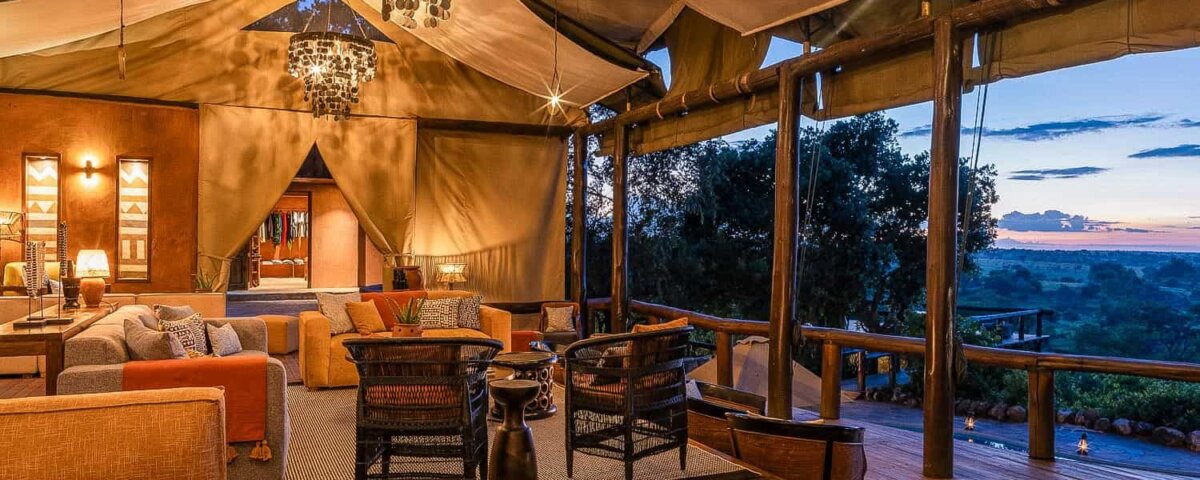
Serengeti Migration Camp
Serengeti Migration Camp offers travelers an immersive experience in the heart of Tanzania’s most iconic wildlife destinations. Located strategically near prime wildlife corridors, the camp provides an ideal base for witnessing the awe-inspiring Great Migration, where millions of wildebeests, zebras, and gazelles traverse the plains in search of fresh grazing.
Guests enjoy luxurious tented accommodations that combine comfort with a deep connection to nature. From sunrise safaris to guided walking excursions, every activity at Serengeti Migration Camp is designed to deliver a memorable encounter with Africa’s wilderness. With expert guides and personalized services, visitors gain unparalleled insights into the ecosystem, animal behavior, and local conservation efforts. Choosing this camp ensures not only an exciting adventure but also a safe and responsible travel experience that supports sustainable tourism and wildlife preservation.
Accommodation at Serengeti Migration Camp
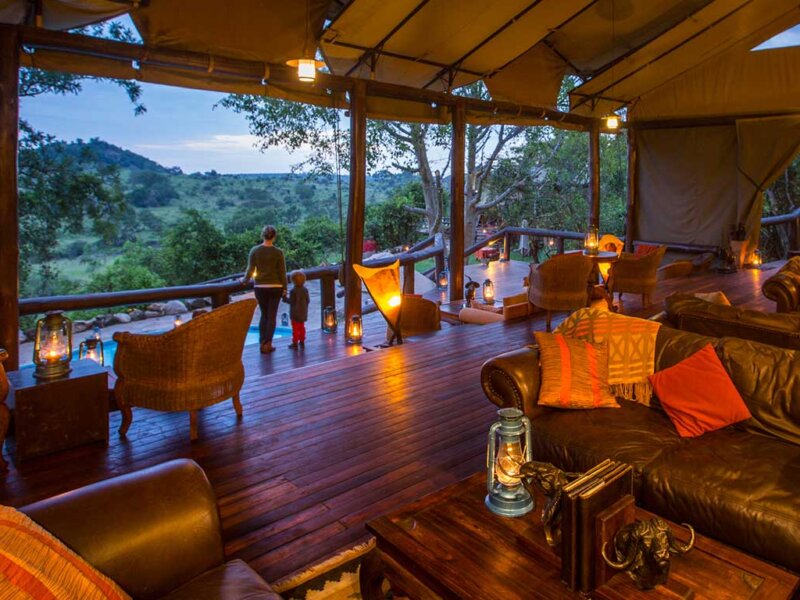
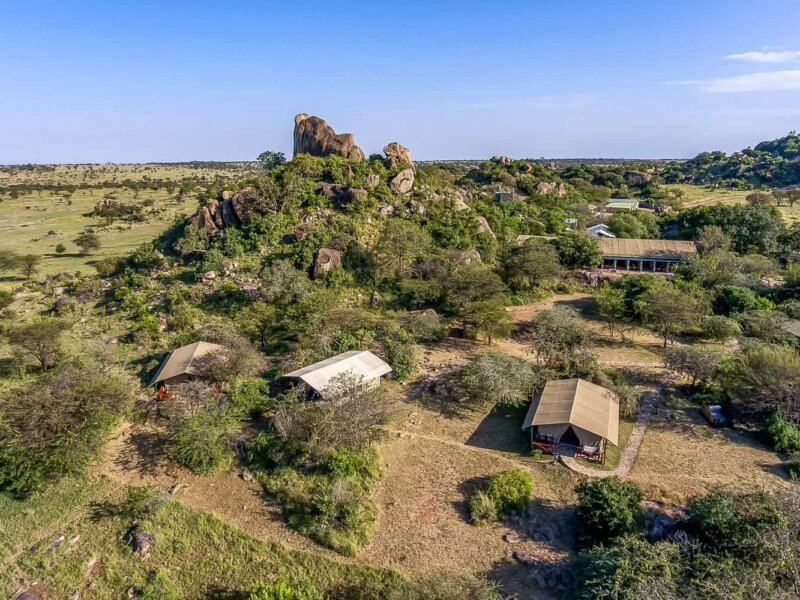
The accommodation at Serengeti Migration Camp is a perfect blend of comfort and adventure. Guests stay in spacious, well-furnished tents that offer private bathrooms, cozy beds, and breathtaking views of the savannah. Each tent features solar powered lighting, comfortable seating, and a veranda that allows guests to watch wildlife from the privacy of their room.
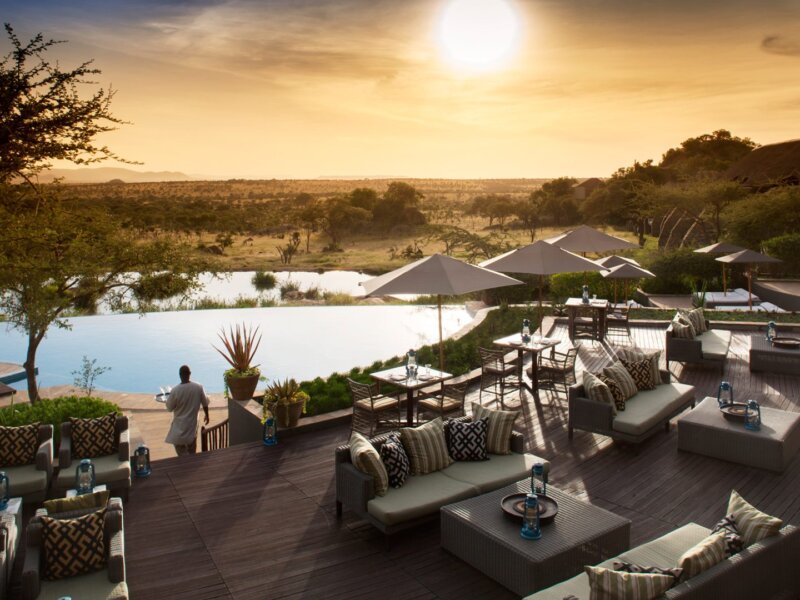
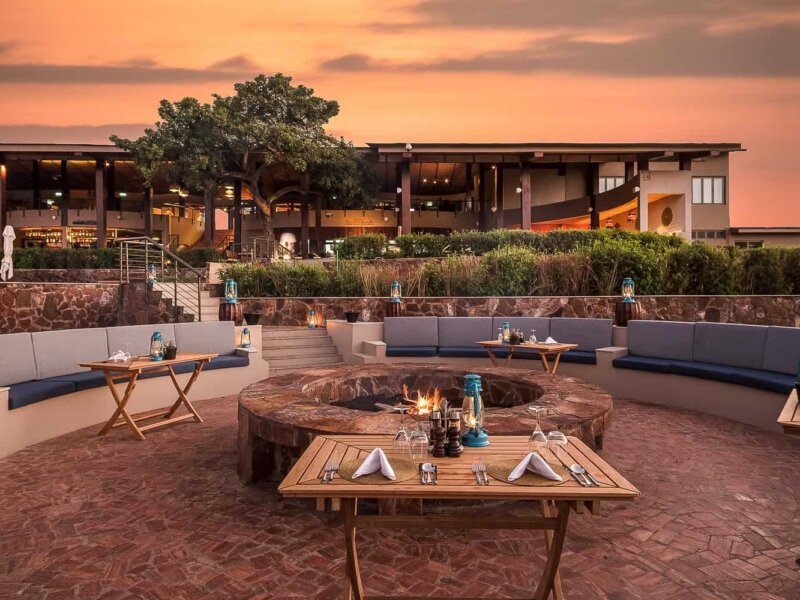
The camp also offers family tents and honeymoon suites for travelers seeking an intimate experience. Every aspect of the accommodation emphasizes harmony with nature while providing modern conveniences. The dining areas serve fresh, locally sourced meals that highlight regional flavors, ensuring guests enjoy authentic Tanzanian cuisine alongside spectacular views. Personalized service, attentive staff, and well-planned tent layouts make the stay at Serengeti Migration Camp an unforgettable experience for anyone visiting the Serengeti ecosystem.
Serengeti National Park
Serengeti National Park is one of Africa’s most celebrated wildlife reserves, spanning over 14,000 square kilometers. It is home to vast savannahs, rolling hills, and abundant rivers, creating a natural paradise for predators, herbivores, and bird species alike. The park is most famous for the Great Migration, a phenomenon where millions of wildebeests, zebras, and gazelles move cyclically in search of fresh grazing.
Serengeti National Park also hosts the Big Five lion, elephant, buffalo, leopard, and rhinoceros making it a must-visit destination for wildlife enthusiasts. Visitors can enjoy game drives, hot air balloon safaris, and nature walks, all guided by knowledgeable rangers. The park’s diverse ecosystems support an extraordinary variety of life, offering photographers, researchers, and travelers an immersive wildlife experience that few places on earth can match.
Best Time to Visit Serengeti National Park
The best time to visit Serengeti National Park depends on your wildlife interests. From June to October, the dry season offers easier wildlife spotting as animals gather around rivers and water sources. This period also coincides with the migration of wildebeests crossing the Mara River, an unforgettable spectacle. Between November and May, the wet season brings lush landscapes and an abundance of newborn animals, making it ideal for birdwatching and photographing calves.
Weather conditions during the wet season may make some roads challenging, but the vibrant scenery and fewer tourists make it a rewarding time to visit. Overall, both seasons offer unique experiences, and Serengeti Migration Camp tailors activities to ensure guests enjoy the park at its peak, regardless of when they visit.
Ngorongoro Crater
Ngorongoro Crater is a UNESCO World Heritage Site and one of the world’s largest volcanic calderas. The crater’s fertile interior provides an incredible habitat for wildlife, including lions, elephants, rhinoceroses, and countless bird species. Its steep walls create a natural enclosure, making it easier to spot animals compared to open savannahs.
Visitors enjoy game drives along scenic routes that offer panoramic views of the crater floor. Cultural visits to nearby Maasai villages provide insight into traditional Tanzanian life, complementing the natural experience. With Serengeti Migration Camp as a base, guests can explore Ngorongoro Crater comfortably, combining expert-guided safaris with breathtaking landscapes and encounters with diverse wildlife. The combination of geology, wildlife, and culture makes Ngorongoro Crater a must-visit destination for all travelers seeking a comprehensive Tanzanian safari experience.
Best Time to Visit Ngorongoro Crater
The best time to visit Ngorongoro Crater is during the dry season, from June to October, when wildlife congregates near water sources, making animal sightings easier and more frequent. The crater’s scenery is also clearer during this time, providing excellent photography opportunities.
During the wet season, from November to May, the crater remains lush and green, attracting migratory birds and newborn animals, offering a different but equally compelling safari experience. Roads can be slippery during rains, so planning with experienced guides ensures safe travel. Serengeti Migration Camp arranges trips during both seasons, highlighting the crater’s natural beauty and abundant wildlife while maintaining comfort and accessibility for all travelers.
Tarangire National Park
Tarangire National Park is renowned for its massive elephant herds, ancient baobab trees, and diverse wildlife. Located in northern Tanzania, the park stretches across rivers, floodplains, and acacia woodlands. Tarangire is particularly famous for its high concentration of elephants during the dry season, providing unmatched photography and observation opportunities.
Visitors can also spot lions, leopards, giraffes, zebras, and over 550 bird species, making it a paradise for wildlife enthusiasts. Game drives through the park reveal stunning landscapes, from rolling hills to riverbanks teeming with life. Tarangire National Park is less crowded than other Tanzanian parks, offering a more private and immersive safari experience. Staying at Serengeti Migration Camp allows travelers to explore Tarangire efficiently, combining comfort with unforgettable wildlife encounters.
Best Time to Visit Tarangire National Park
The best time to visit Tarangire National Park is during the dry season, from June to October. During this period, wildlife concentrates near the Tarangire River, making game drives highly rewarding. The weather is cooler, roads are more accessible, and the scenery is clear for photography.
The wet season, from November to May, transforms the park into a lush green landscape, attracting migratory birds and offering unique photography opportunities of calves and new vegetation. Serengeti Migration Camp provides guided trips throughout the year, ensuring guests experience the park’s highlights safely and comfortably. Every visit is customized to optimize wildlife sightings, making it a top choice for travelers seeking a complete Tanzanian safari adventure.
Lake Manyara National Park
Lake Manyara National Park is a compact gem in northern Tanzania, famous for its diverse ecosystems and tree-climbing lions. The park spans dense forests, grasslands, and alkaline lakes that host large flocks of flamingos and other waterbirds. Visitors can enjoy guided game drives along the rift valley, witnessing elephants, hippos, baboons, and giraffes in their natural habitat.
Lake Manyara’s proximity to the Serengeti and Ngorongoro makes it an excellent addition to multi-park safari itineraries. Its scenic beauty, combined with abundant wildlife, makes it perfect for photography, birdwatching, and educational tours. Serengeti Migration Camp ensures travelers explore Lake Manyara with expert guides, maximizing wildlife encounters while maintaining safety and comfort throughout the journey.
Best Time to Visit Lake Manyara National Park
The ideal time to visit Lake Manyara National Park is during the dry season, from June to October, when animals are easier to spot around water sources. During these months, the landscape is dry, roads are navigable, and wildlife sightings are frequent.
In the wet season, from November to May, the park transforms into lush green scenery, attracting a variety of migratory birds and showcasing the park’s rich biodiversity. Serengeti Migration Camp offers year-round trips, adjusting activities to weather conditions to ensure guests experience the park fully. Whether seeking photography opportunities, birdwatching, or close-up wildlife experiences, Lake Manyara remains a top Tanzanian destination.
How to Reach Serengeti Migration Camp
By Road: Travelers can reach Serengeti Migration Camp via well-maintained safari roads from Arusha or other northern safari hubs. A typical drive takes 6–8 hours, offering scenic views of the Tanzanian countryside. Safari vehicles provide comfort and safety while navigating park entrances and dirt tracks. The journey allows travelers to experience villages, landscapes, and wildlife sightings along the way, making it an adventure even before arriving at the camp.
By Air: For faster access, daily flights operate from Arusha or Kilimanjaro International Airport to small airstrips near the camp. Charter flights range from 1–2 hours, providing a bird’s-eye view of the Serengeti plains and wildlife below. Air travel minimizes road fatigue and maximizes time for safari activities. Serengeti Migration Camp can arrange transfers from the airstrip directly to the camp, ensuring a smooth and comfortable arrival.
Activities at Serengeti Migration Camp
Serengeti Migration Camp offers a variety of activities tailored to enhance the safari experience. Game Drives are expertly guided tours through Serengeti National Park, focusing on the Big Five, predators, and the Great Migration. Hot Air Balloon Safaris provide a unique aerial perspective of wildlife movements and the sprawling savannah at sunrise.
Walking Safaris allow guests to explore smaller areas on foot with trained guides, emphasizing plant life, tracks, and ecological knowledge. Cultural Visits introduce travelers to Maasai communities, offering insights into traditional customs, crafts, and daily life. Photography Safaris focus on capturing wildlife and landscape moments, guided by professional advice to maximize shots. Each activity ensures guests connect deeply with nature while enjoying comfort, safety, and expert guidance.
Why Visit Serengeti Migration Camp with Giant Holiday Safaris
Visiting Serengeti Migration Camp with Giant Holiday Safaris guarantees a curated experience that combines luxury, adventure, and knowledge. The company prioritizes responsible tourism, safety, and personalized service, offering travelers expert guides who share insights into animal behavior, ecology, and local culture. Giant Holiday Safaris provides customized itineraries, ensuring each guest experiences the Serengeti and surrounding parks in a way that matches their interests and schedule.
With high quality accommodations, seamless logistics, and unforgettable wildlife encounters, Giant Holiday Safaris positions Serengeti Migration Camp as more than a destination it becomes a gateway to the most iconic and inspiring moments of African wildlife and culture.
Combined Uganda, Kenya, Rwanda and Tanzania Safaris
17 days Kenya Tanzania and Uganda safari
19 Days Uganda Kenya and Tanzania Safari
16 Days Kenya Tanzania and Uganda Safari
14 Days Kenya Uganda and Tanzania Safari
14 Days Kenya Uganda and Rwanda Safari