Serengeti Migration Camp
April 5, 2026
Through the Vision of Conservationists Protecting Tanzania Safaris
April 6, 2026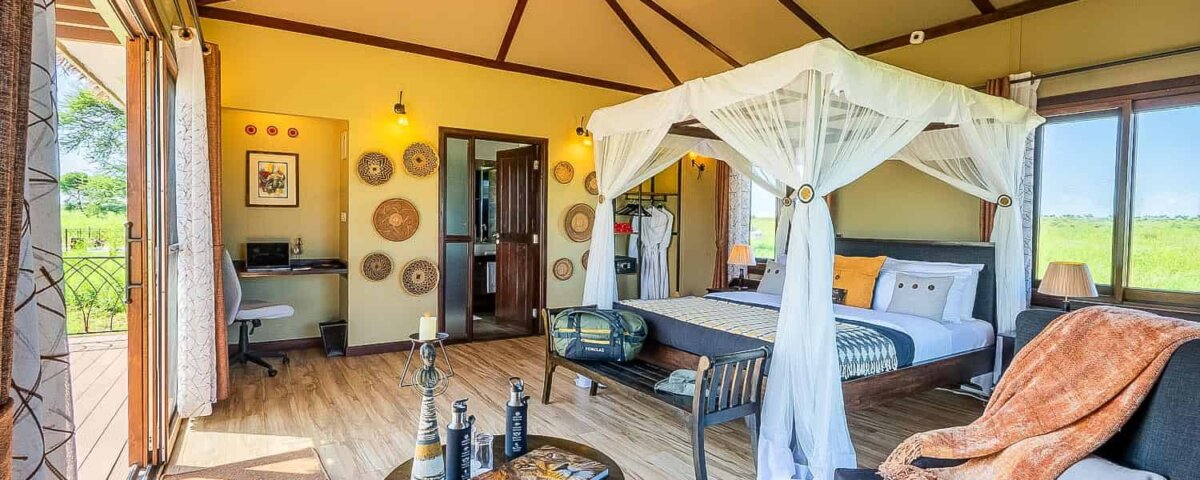
Serengeti Sametu Camp
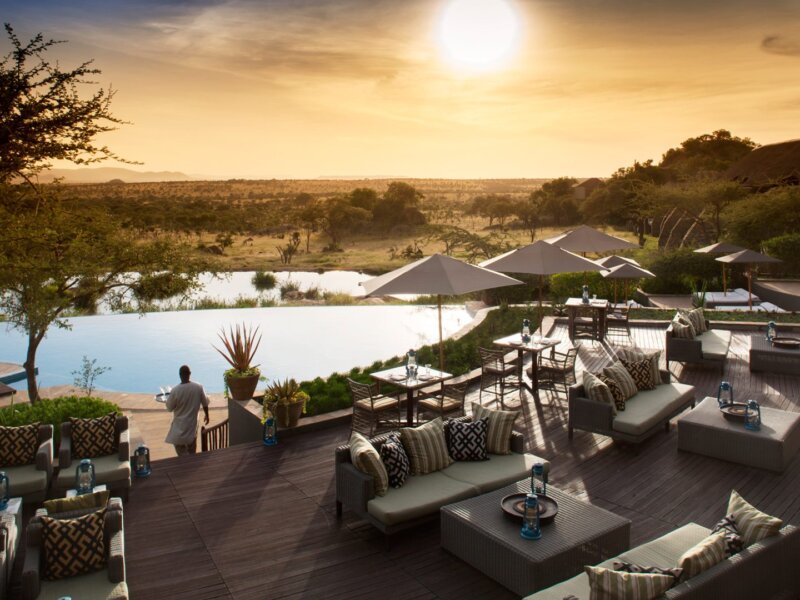
Serengeti Sametu Camp offers travelers an unforgettable safari experience that blends luxury, comfort, and authentic African adventure. The camp sits on the edge of the world famous Serengeti National Park, allowing guests to enjoy breathtaking views of the savannah, diverse wildlife, and dramatic sunsets.
This camp stands out for its intimate connection with nature, offering a unique opportunity to witness the Great Migration while enjoying world-class amenities. Designed with eco-friendly principles, it emphasizes sustainability without compromising luxury.
Every detail, from spacious tents to guided safari experiences, caters to travelers seeking both adventure and relaxation. Serengeti Sametu Camp ensures guests experience the richness of Tanzania’s wildlife while feeling safe, comfortable, and deeply immersed in the natural surroundings. Choosing this camp guarantees not only adventure but a connection to the untamed beauty of Africa.
Accommodation at Serengeti Sametu Camp
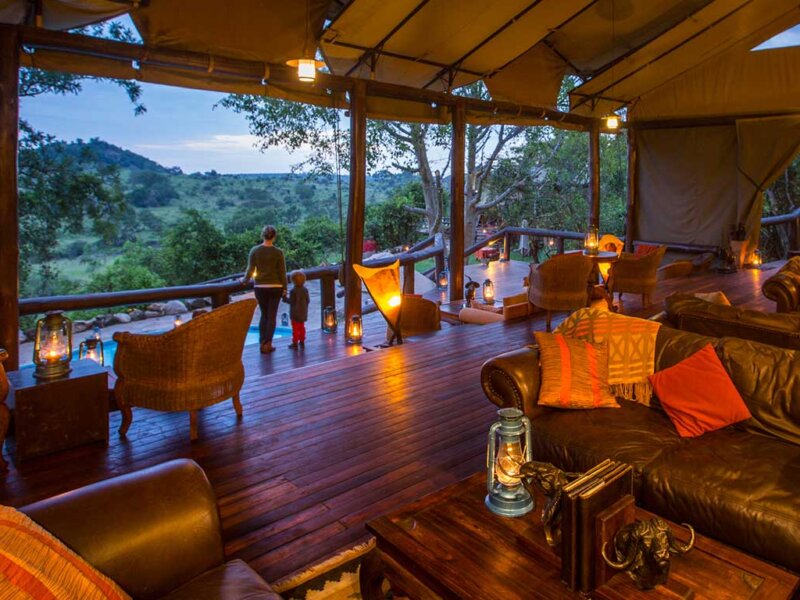
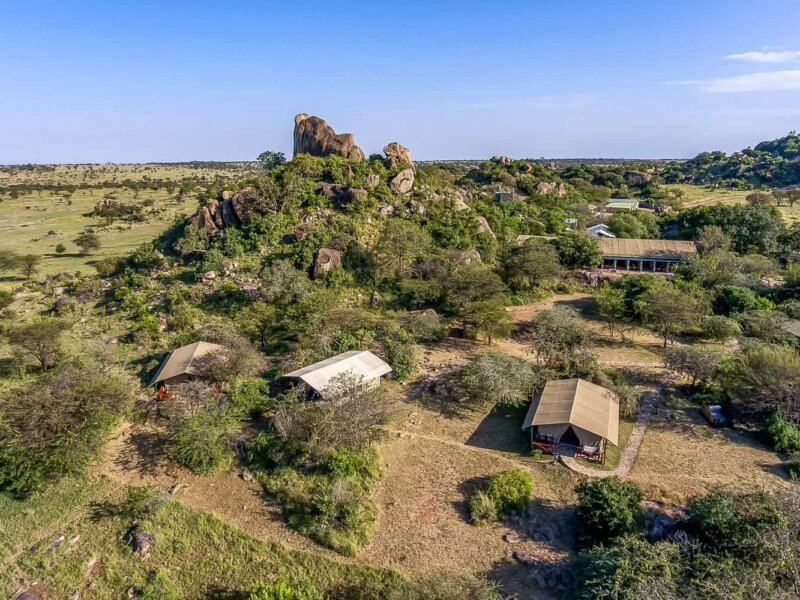
Accommodation at Serengeti Sametu Camp combines elegance, comfort, and a true safari atmosphere. The camp offers spacious luxury tents with private verandas overlooking the Serengeti plains. Each tent is thoughtfully designed, featuring plush bedding, en-suite bathrooms, and modern amenities, including hot showers and electricity, while maintaining a classic safari aesthetic.
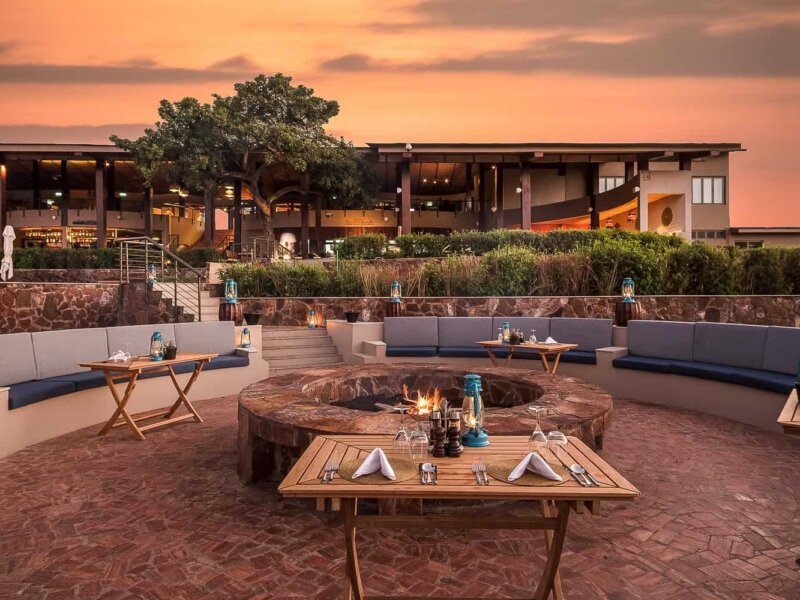
Guests can enjoy waking up to the sounds of the wild, from distant elephant calls to the chirping of birds, creating an authentic African experience. The camp also provides communal areas for dining and relaxation, designed to encourage social interaction while maintaining privacy. Evening campfires offer a cozy setting for sharing stories, observing the night sky, and spotting nocturnal wildlife. The Camp ensures that every stay is comfortable, safe, and deeply connected to nature, appealing to travelers seeking both luxury and adventure on their safari.
Serengeti National Park
Serengeti National Park is one of Africa’s most celebrated wildlife destinations. Spanning over 14,000 square kilometers, it hosts a vast variety of animals, including lions, leopards, elephants, giraffes, and wildebeest. The park is world-famous for the Great Migration, where millions of wildebeest and zebras move through the plains in search of fresh grazing.
Visitors can witness dramatic river crossings, predator-prey interactions, and spectacular birdlife throughout the year. Serengeti National Park also offers diverse ecosystems, from open grasslands to acacia woodlands, ensuring each safari drive presents new discoveries.
Guided game drives and walking safaris allow guests to explore the park safely while learning about conservation and the unique behaviors of its wildlife. The park’s commitment to preservation ensures future generations can continue to enjoy its remarkable landscapes and incredible biodiversity.
Best Time to Visit Serengeti National Park
The best time to visit Serengeti National Park depends on the wildlife experiences you seek. For the Great Migration, June to October is ideal, as herds move through the northern Serengeti, crossing rivers and creating dramatic wildlife spectacles. December to March offers excellent opportunities for witnessing predator activities, as animals concentrate around water sources during the dry season. Shoulder months like April and May bring lush greenery, newborn animals, and fewer tourists, providing a more intimate safari experience.
Weather remains generally warm, but visitors should prepare for occasional rains, especially in April and May. Planning your trip based on wildlife behavior ensures a richer experience and maximizes chances of sightings. Regardless of the season, Serengeti offers breathtaking scenery and encounters with iconic African animals, making it a year-round destination for wildlife enthusiasts.
Ngorongoro Crater
Ngorongoro Crater is a UNESCO World Heritage site and one of the world’s most remarkable natural wonders. This vast volcanic caldera spans over 260 square kilometers and provides a natural sanctuary for an extraordinary variety of wildlife. Visitors can spot lions, elephants, buffaloes, black rhinos, zebras, and flamingos in its diverse ecosystems.
The crater’s fertile floor is surrounded by steep cliffs, creating a breathtaking backdrop for photography and wildlife observation. Ngorongoro is also home to Maasai communities, offering cultural experiences alongside wildlife viewing. Its unique combination of rich biodiversity, scenic landscapes, and accessible wildlife encounters makes it a must-visit destination for travelers seeking both adventure and education. A safari here provides close encounters with nature while respecting conservation efforts, ensuring this ecological treasure continues to thrive for generations.
Best Time to Visit Ngorongoro Crater
The best time to visit Ngorongoro Crater is during the dry season, from June to October, when animals gather near water sources, making them easier to spot. The months of January to March also offer excellent wildlife viewing, with lush scenery and newborn animals adding charm to the landscape.
Visitors during the wet season may experience light showers, but the crater’s dramatic beauty and wildlife remain captivating. Weather in Ngorongoro can change quickly, so travelers should carry layers for warmth and rain protection. Early morning and late afternoon safaris provide optimal lighting for photography and more active wildlife behavior. Planning visits based on these seasonal variations ensures guests experience the crater at its most vibrant, enhancing both adventure and educational value.
Tarangire National Park
Tarangire National Park is renowned for its large elephant herds, baobab-studded landscapes, and diverse wildlife. Located south of Arusha, the park spans over 2,600 square kilometers and offers a quieter, more intimate safari experience. Its seasonal river attracts wildlife during the dry months, making game drives highly productive.
Visitors can spot lions, leopards, giraffes, zebras, wildebeest, and unique bird species, making it a paradise for wildlife photographers and enthusiasts. The park’s terrain varies from grasslands to rocky outcrops, providing scenic diversity and opportunities for observing both predators and herbivores.
Guided safari drives, nature walks, and cultural visits to nearby Maasai villages add depth to the experience. Tarangire’s accessibility and rich biodiversity make it an essential stop for travelers seeking to witness the magic of Tanzania’s wildlife beyond the Serengeti.
Best Time to Visit Tarangire National Park
The best time to visit Tarangire National Park is during the dry season, from June to October. During this period, the Tarangire River becomes a vital water source, concentrating elephants, buffalo, zebras, and antelopes in observable areas. Wildlife is more active in the mornings and late afternoons, offering optimal game viewing.
The wet season, from November to May, transforms the park into a lush, green landscape with fewer crowds, and newborn animals can be seen, providing excellent photographic opportunities. Choosing the timing of your visit based on these seasonal changes ensures a balance between wildlife sightings and the quality of the overall safari experience. Every season in Tarangire presents unique attractions, making it a year-round destination for nature lovers.
Lake Manyara National Park
Lake Manyara National Park offers a unique blend of flamingo-filled lakes, dense forests, and open grasslands. Famous for tree-climbing lions, this park is smaller than other Tanzanian parks but rich in biodiversity. Visitors can spot elephants, buffaloes, hippos, giraffes, and abundant bird species. Its diverse habitats provide different experiences on each game drive, from walking safaris through forests to boat trips near the lake.
The park also offers cultural interactions with nearby Maasai communities, enriching the safari experience. Its proximity to Arusha makes it an excellent stop for travelers starting or ending their Tanzanian safari. Lake Manyara’s beauty lies in its variety, compact size, and intimate wildlife encounters, creating a magical and accessible wildlife destination for all visitors.
Best Time to Visit Lake Manyara National Park
The best time to visit Lake Manyara National Park is during the dry season, from June to October, when wildlife gathers near the lake and rivers, creating concentrated sightings of elephants, lions, and giraffes. The wet season, from November to May, brings lush greenery, spectacular bird migrations, and fewer tourists. This period is ideal for photography and observing newborn animals.
Early morning and late afternoon game drives offer cooler temperatures and more active wildlife, enhancing the overall safari experience. Planning your visit around seasonal wildlife behavior ensures memorable encounters and allows guests to fully appreciate the park’s scenic beauty and ecological significance. Lake Manyara remains a captivating destination throughout the year, offering diverse experiences in a compact area.
How to Reach Serengeti Sametu Camp
By Road: Travelers can reach Serengeti Sametu Camp via a scenic drive from Arusha, which typically takes 6 to 8 hours depending on road conditions. The journey passes through lush farmlands, rolling hills, and small Tanzanian towns, providing a glimpse into local life. Roads are generally accessible with 4×4 vehicles, especially during the rainy season. The drive allows travelers to enjoy the gradual approach to the Serengeti, building anticipation for the wildlife and landscapes ahead.
By Air: Flying is the fastest way to reach Serengeti Sametu Camp. Domestic flights operate from Arusha, Kilimanjaro, or Dar es Salaam to nearby airstrips such as Seronera or Kogatende. Flight times range from 1 to 2 hours, offering stunning aerial views of the Serengeti plains, rivers, and wildlife below. Upon arrival, camp staff provide transfer services to ensure a smooth and welcoming journey. Air travel is ideal for guests seeking efficiency without compromising scenic experience.
Activities at Serengeti Sametu Camp
Game Drives: Serengeti Sametu Camp offers guided game drives led by experienced safari guides. Guests can explore the plains in open 4×4 vehicles, spotting lions, cheetahs, elephants, and the annual migration. These drives offer both adventure and education, as guides explain animal behaviors and conservation efforts.
Hot Air Balloon Safaris: A breathtaking experience, guests can soar over the Serengeti at sunrise in a hot air balloon. This activity provides panoramic views of wildlife herds, rivers, and the vast savannah, offering a unique perspective for photographers and nature enthusiasts alike.
Cultural Visits: Guests can interact with nearby Maasai communities to learn about traditional lifestyles, dances, and crafts. These experiences foster cultural understanding and enrich the safari with human stories alongside wildlife encounters.
Walking Safaris: For an intimate experience, walking safaris allow guests to explore smaller areas on foot with a guide. Participants learn about flora, tracking animals, and the ecosystem, providing a hands-on, immersive experience.
Photography Safaris: Specially tailored for photography enthusiasts, these safaris maximize wildlife sightings during optimal lighting, ensuring professional-quality photos while educating guests on composition and wildlife behavior.
Why Visit Serengeti Sametu Camp with Giant Holiday Safaris
Visiting Serengeti Sametu Camp with Giant Holiday Safaris guarantees an exceptional safari experience. The company combines local expertise, professional guides, and seamless logistics to ensure every detail enhances your adventure. Travelers benefit from curated itineraries, personalized service, and deep knowledge of Tanzania’s parks and wildlife. Giant Holiday Safaris prioritizes comfort, safety, and memorable encounters while promoting sustainable tourism and conservation. Their reputation for excellence and reliability makes them a trusted choice for travelers seeking authentic African safari experiences. By choosing Giant Holiday Safaris, guests enjoy immersive wildlife adventures, cultural interactions, and luxurious accommodations, creating a once-in-a-lifetime journey through the Serengeti and beyond.
Combined Uganda, Kenya, Rwanda and Tanzania Safaris
17 days Kenya Tanzania and Uganda safari
19 Days Uganda Kenya and Tanzania Safari
16 Days Kenya Tanzania and Uganda Safari
14 Days Kenya Uganda and Tanzania Safari
14 Days Kenya Uganda and Rwanda Safari