Eco-Friendly Tanzania Safaris: Sustainable Travel with Purpose
May 5, 2026
Tanzania Safari in Dry Season: The Best Time for Wildlife Viewing
May 5, 2026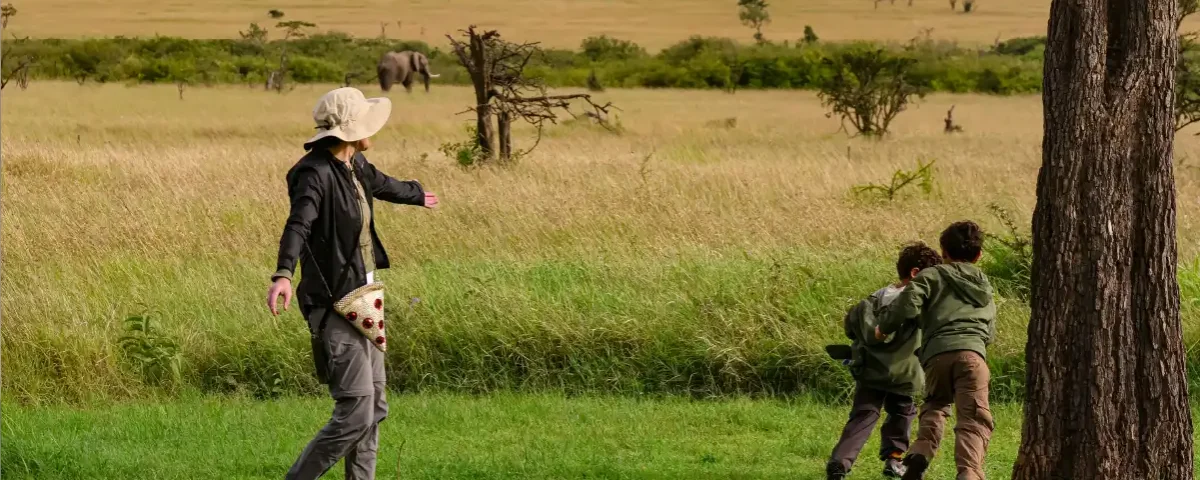
Sustainable Tourism Safaris in Tanzania: Travel Responsibly, Experience More
Sustainable Tourism Safaris in Tanzania offer a responsible way to explore Africa while protecting nature and supporting local communities. From the beginning, these safaris focus on conservation, cultural respect, and long-term impact. You do not only enjoy wildlife; instead, you take part in preserving it.
As you travel across Tanzania, you experience landscapes that thrive because of careful management and conservation efforts. National parks, conservation areas, and community lands all benefit from responsible tourism. At the same time, sustainable tourism safaris in Tanzania ensure that your visit supports both the environment and the people who live there.
In addition, this style of travel creates a deeper connection to nature. You learn how ecosystems work and why they matter. Because of this, sustainable tourism provide not only adventure but also purpose and awareness.
Why Choose Sustainable Tourism Safaris in Tanzania for Responsible Travel
Sustainable tourism safari stand out because they balance adventure with responsibility. First, they help protect wildlife by funding conservation programs. These programs support anti-poaching efforts, habitat protection, and research.
In addition, this safari promote eco-friendly practices. Lodges reduce waste, conserve water, and use renewable energy where possible. As a result, your stay has a lower environmental impact.
Moreover, these safaris support local communities. Many tourism operators employ local guides and staff, which creates jobs and improves livelihoods. This encourages communities to protect wildlife and natural resources.
Because of these benefits, sustainable tourism safari provide a meaningful way to travel while making a positive impact.
Top Destinations for Sustainable Tourism Safaris in Tanzania
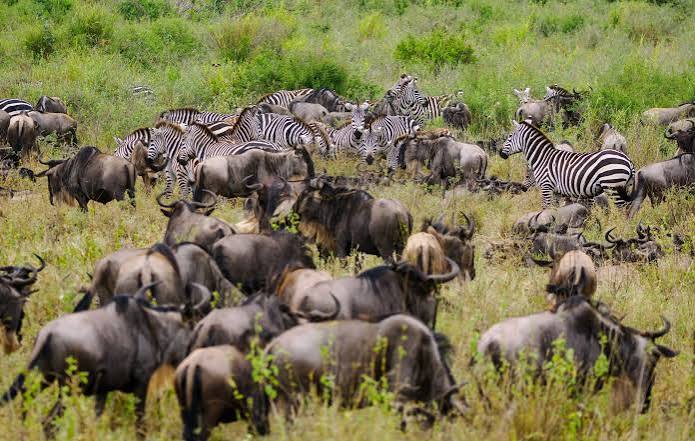
Sustainable tourism safaris in Tanzania take place in some of Africa’s most protected and well-managed areas. First, Serengeti National Park offers a strong example of conservation success. It protects large wildlife populations and supports the famous migration.
Next, Ngorongoro Conservation Area combines wildlife conservation with human activity. This balance allows communities and wildlife to coexist.
Tarangire National Park provides a quieter safari experience while supporting elephant conservation programs.
In addition, Ruaha National Park offers remote wilderness with fewer visitors, which reduces environmental pressure.
These destinations highlight the value of sustainable tourism safari and their role in protecting nature.
Wildlife Protection in Sustainable Tourism Safaris in Tanzania
Wildlife protection forms the core of sustainable tourism safaris in Tanzania. Rangers and conservation teams work daily to monitor animal populations and prevent illegal activities. Their efforts help maintain healthy ecosystems.
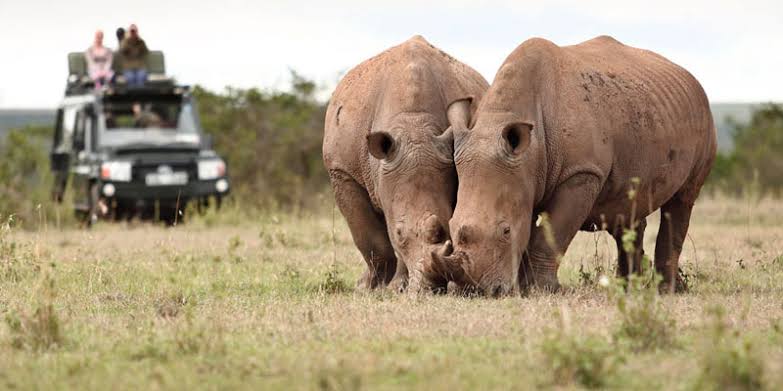
In addition, conservation programs focus on endangered species. These programs include tracking, research, and habitat management. As a result, wildlife populations continue to recover and grow.
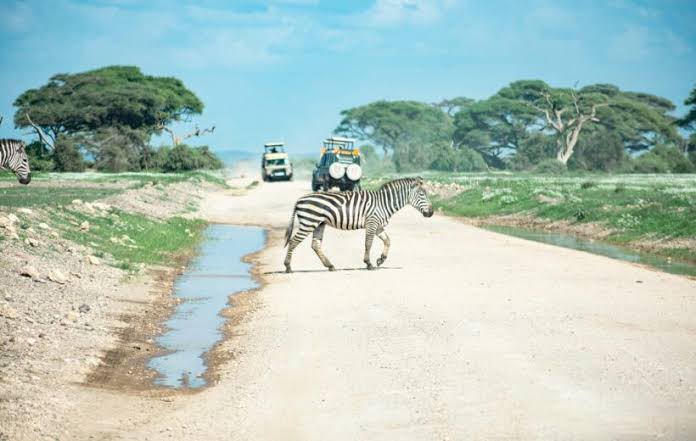
Moreover, safari operators follow strict guidelines. Vehicles stay on designated tracks, and guides maintain safe distances from animals. This reduces stress on wildlife and protects natural behavior.
Through these practices, sustainable tourism safaris in Tanzania ensure that wildlife thrives while visitors enjoy authentic experiences.
Community Impact of Sustainable Tourism Safaris in Tanzania
Sustainable tourism safaris in Tanzania strongly benefit local communities. First, tourism creates employment opportunities in guiding, hospitality, and conservation work.
In addition, many safari programs invest in local development. They support schools, healthcare, and infrastructure projects. This improves quality of life for local residents.
Moreover, cultural tourism allows visitors to engage with local traditions. You learn about daily life and how communities live alongside wildlife.
Because of this involvement, sustainable tourism safaris in Tanzania create a strong connection between people and nature. This encourages long-term conservation and community support.
Types of Sustainable Tourism Safaris
Sustainable tourism safari come in different forms to suit various travel preferences. First, eco-lodge safaris focus on environmentally friendly accommodation with low impact on nature.
Next, walking safaris allow you to explore the environment closely while following strict safety and conservation rules.
Mobile camping safaris offer flexibility and minimal environmental disturbance. Camps move without leaving a lasting footprint.
In addition, cultural safaris combine wildlife viewing with community visits. This creates a balanced and enriching experience.
With proper planning with Giant Holiday Safaris, travelers can select sustainable tourism safari that match their interests and values.
Best Time for Tourism Safari
Timing plays an important role in planning sustainable tourism safari. The dry season, from June to October, offers excellent wildlife viewing as animals gather near water sources.
However, the wet season brings green landscapes and fewer visitors. This period supports breeding cycles and ecosystem renewal.
In addition, shoulder seasons provide a balance between cost and experience. You enjoy moderate weather and less crowded parks.
Choosing the right time enhances your sustainable tourism safaris in Tanzania while supporting natural cycles.
Benefits of Sustainable Tourism
Sustainable tourism safaris in Tanzania offer many benefits. First, they allow you to travel responsibly while protecting the environment.
In addition, these safaris provide educational value. You learn about ecosystems, wildlife behavior, and conservation efforts.
Another benefit involves meaningful experiences. You connect with nature and local communities in a deeper way.
Moreover, sustainable tourism safaris in Tanzania create lasting memories. You leave knowing your journey made a positive impact.
These benefits make sustainable travel an excellent choice for modern travelers.
Travel Tips for The Tourism Safari
Preparation helps you enjoy your safari fully. First, choose operators that follow sustainable practices.
Next, pack responsibly. Bring reusable items and avoid single-use plastics.
Follow all guidelines during your safari. Respect wildlife and maintain safe distances.
In addition, support local businesses and communities during your visit.
Conclusion: Plan Your Tourism Safari Today
Sustainable tourism safaris in Tanzania offer a powerful way to explore Africa while protecting its natural and cultural heritage. You enjoy wildlife, landscapes, and culture while supporting conservation and communities.
With careful planning, these safaris provide both adventure and purpose. You gain unforgettable experiences while making a positive impact.
Now is the perfect time to plan your tourism safari and travel responsibly.
Combined Uganda, Kenya, Rwanda and Tanzania Safaris
17 days Kenya Tanzania and Uganda safari
19 Days Uganda Kenya and Tanzania Safari
16 Days Kenya Tanzania and Uganda Safari
14 Days Kenya Uganda and Tanzania Safari
14 Days Kenya Uganda and Rwanda Safari
12 Day Gorilla Trekking and Tanzania Safari