
Which is better Tsavo East or Tsavo West?
May 24, 2026
Tanzania Ethical Safari Tours
May 25, 2026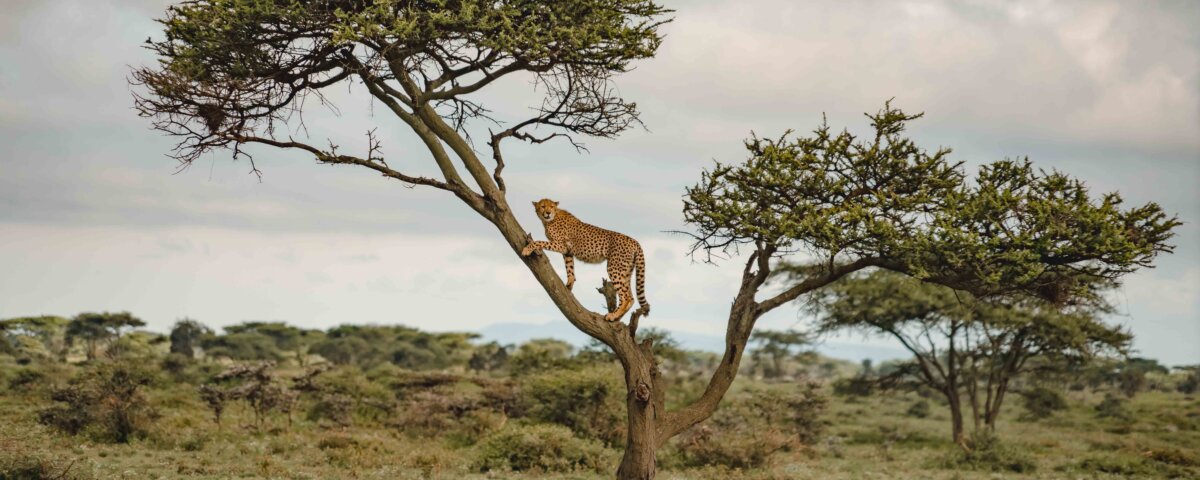
Tanzania Responsible Tourism Safaris
Tanzania Responsible Tourism Safaris give travelers the chance to explore Africa’s breathtaking wildlife, landscapes, and cultures while supporting conservation, local communities, and sustainable travel practices. As tourism continues growing across East Africa, many travelers now seek safari experiences that protect wildlife habitats, respect local traditions, and create positive social and environmental impact.
Responsible tourism in Tanzania focuses on preserving the country’s natural beauty while ensuring local communities benefit directly from tourism activities. Travelers enjoy unforgettable safari adventures while contributing to conservation projects, eco tourism initiatives, cultural preservation, and community development programs across Tanzania’s safari regions.
Unlike mass tourism that sometimes damages ecosystems and local cultures, responsible safaris encourage ethical travel choices, environmental awareness, and meaningful interaction between visitors and local people.
Travelers visiting Tanzania today increasingly value experiences that combine adventure with sustainability. They want to know how safari lodges protect wildlife, how guides support conservation, and how tourism improves local livelihoods.
Tanzania offers excellent opportunities for responsible travel because the country protects world famous ecosystems such as the Serengeti, Ngorongoro Crater, Ruaha National Park, and Nyerere National Park while supporting eco friendly tourism initiatives.
Responsible safaris also create more authentic travel experiences because visitors connect deeply with nature, local communities, conservation projects, and cultural heritage throughout the journey.
Professional safari operators help travelers make ethical choices by offering eco friendly accommodations, low impact activities, community visits, and conservation focused safari programs.
Giant Holiday Safaris continues promoting Tanzania Responsible Tourism Safaris that balance wildlife exploration, sustainability, cultural respect, conservation awareness, and exceptional African safari experiences for travelers seeking meaningful adventures.
Understanding Sustainable Travel in Tanzania Responsible Tourism Safaris
Sustainable travel has become an important part of Tanzania’s tourism industry because wildlife conservation and environmental protection remain essential for the country’s future.
Tanzania protects some of Africa’s most important wildlife ecosystems, including vast savannahs, mountain forests, wetlands, lakes, and marine environments. Responsible tourism helps preserve these ecosystems by supporting conservation funding and encouraging environmentally friendly travel practices.
Travelers participating in sustainable safaris help reduce negative environmental impact through careful resource use, responsible waste management, and eco conscious tourism choices.
Many safari lodges now use solar power, rainwater harvesting systems, recycling programs, and eco friendly construction materials to minimize environmental damage.
Responsible tourism also encourages smaller safari groups, low impact game drives, and environmentally sensitive activities that protect wildlife habitats and reduce stress on animals.
Travelers often appreciate these sustainable practices because they create quieter, more natural, and less crowded safari experiences.
Professional guides additionally educate visitors about wildlife conservation, environmental challenges, climate change, and ecosystem protection during safari activities.
These educational experiences help travelers understand the importance of protecting Tanzania’s wildlife and landscapes for future generations.
Sustainable tourism therefore strengthens Tanzania’s tourism industry while preserving the country’s extraordinary biodiversity and natural beauty.
Supporting Local Communities Through Ethical Safaris
One of the biggest benefits of Tanzania Responsible Tourism Safaris involves supporting local communities living near wildlife conservation areas and safari destinations.
Community based tourism creates jobs and economic opportunities through guiding services, cultural tours, handicraft production, accommodation, transportation, and hospitality businesses.
When travelers choose responsible safari operators, local communities receive direct financial benefits from tourism activities. This support improves education, healthcare, infrastructure, water access, and local development projects across rural regions.
Communities that benefit from tourism often become stronger partners in wildlife conservation because tourism creates long term economic value connected to protecting natural resources and biodiversity.
Travelers also gain richer experiences through cultural interaction and authentic local hospitality. Village visits, traditional dances, local food experiences, and cultural workshops create meaningful connections between travelers and local communities.
Responsible tourism operators ensure cultural experiences remain respectful and beneficial rather than exploitative or commercialized.
Travelers appreciate these experiences because they feel more personal and authentic compared to standard sightseeing tours.
Professional safari guides help visitors understand local customs, traditions, social structures, and conservation challenges while encouraging respectful behavior during community interactions.
These ethical tourism practices create positive relationships between tourism, conservation, and community development across Tanzania’s safari regions.
Wildlife Conservation in Tanzania Responsible Tourism Safaris
Wildlife conservation remains at the center of Tanzania Responsible Tourism Safaris because Tanzania protects some of Africa’s most iconic animal populations and safari ecosystems.
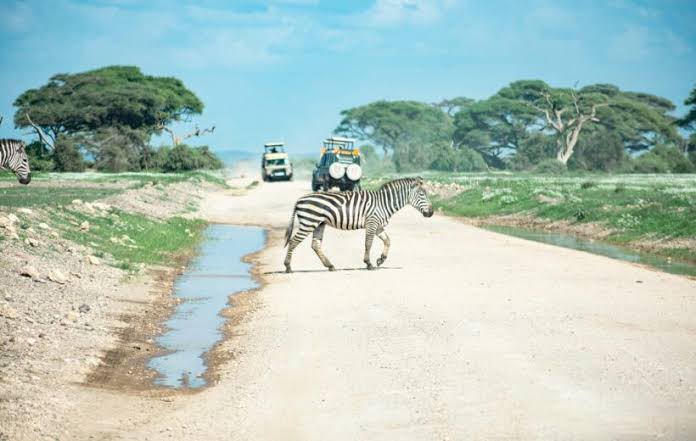
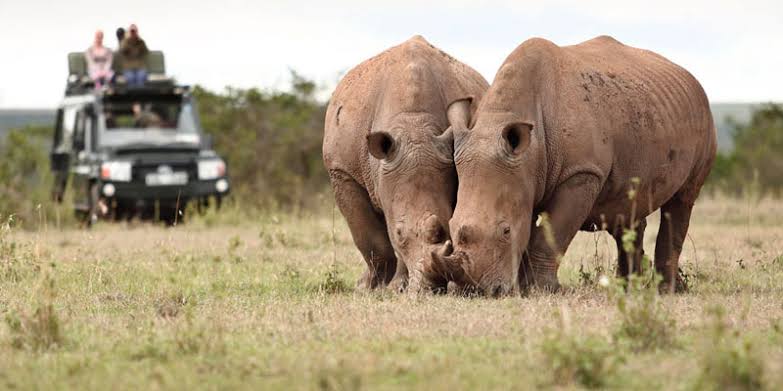
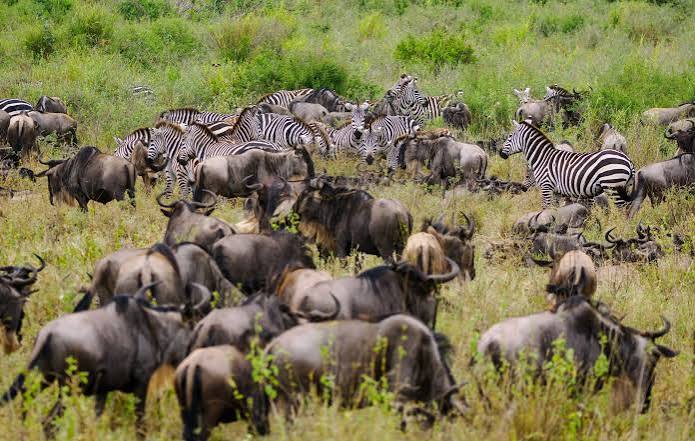
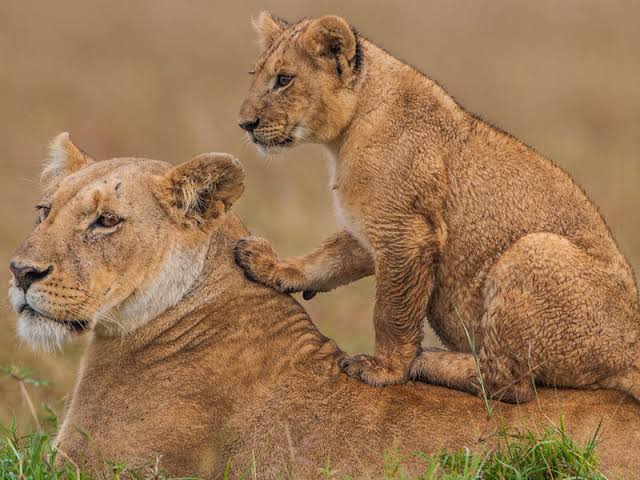
National parks and conservation areas across Tanzania provide sanctuary for lions, elephants, rhinos, giraffes, leopards, cheetahs, buffaloes, wildebeests, and countless bird species.
Responsible safari tourism contributes directly to conservation efforts by funding park management, anti poaching operations, wildlife research, habitat protection, and environmental education programs.
Travelers participating in ethical safaris help support these conservation initiatives through park fees, eco lodge stays, and conservation focused tourism activities.
Responsible safari guides also follow strict wildlife viewing practices that protect animals and minimize environmental disturbance.
Guides avoid chasing wildlife, overcrowding sightings, disturbing breeding areas, or interfering with natural animal behavior during game drives and walking safaris.
Travelers additionally learn about conservation challenges affecting Tanzania’s wildlife, including habitat loss, climate change, poaching, and human wildlife conflict.
These educational experiences encourage stronger environmental awareness and greater appreciation for wildlife protection efforts.
Photography safaris also become more ethical through responsible wildlife observation that prioritizes animal welfare over close or disruptive encounters.
Conservation focused tourism therefore helps preserve Tanzania’s wildlife heritage while creating unforgettable safari experiences for visitors from around the world.
Eco Friendly Safari Lodges and Camps in Tanzania
Eco friendly accommodation plays an important role in Tanzania Responsible Tourism Safaris because sustainable lodges help reduce tourism’s environmental footprint while supporting conservation goals.
Many safari camps and eco lodges across Tanzania now focus on renewable energy, water conservation, waste reduction, sustainable building practices, and community partnerships.
Solar power systems provide electricity in remote safari regions while reducing reliance on fuel generators and carbon emissions.
Water conservation programs also help protect fragile ecosystems where water resources remain limited during dry seasons.
Eco lodges often use locally sourced materials and environmentally sensitive architecture designed to blend naturally with surrounding landscapes.
Travelers staying in sustainable camps enjoy peaceful environments, beautiful scenery, and comfortable safari experiences while supporting responsible tourism initiatives.
Many lodges additionally employ local staff, purchase food from nearby farmers, and support community projects that strengthen local economies.
Luxury and sustainability now work together successfully across Tanzania’s safari industry. Travelers enjoy high quality comfort while minimizing environmental impact through eco conscious travel choices.
Professional safari operators carefully select responsible accommodation partners that meet sustainability standards while delivering authentic African safari experiences.
These eco friendly practices strengthen Tanzania’s reputation as a leading destination for responsible wildlife tourism in Africa.
Cultural Respect and Authentic Travel Experiences
Cultural respect forms an important part of Tanzania Responsible Tourism Safaris because Tanzania’s cultural diversity adds tremendous value to safari experiences.
The country includes more than 120 ethnic groups with unique traditions, languages, music, crafts, ceremonies, and lifestyles.
Responsible tourism encourages respectful interaction between travelers and local communities while protecting cultural identity and heritage.
Travelers visiting villages and cultural sites learn about Maasai traditions, indigenous knowledge, farming practices, craftsmanship, and regional customs through authentic experiences guided by local experts.
Respectful tourism avoids exploitation and encourages fair compensation for cultural activities, performances, and handmade products created by local artisans.
Travelers also gain deeper understanding of Tanzania’s history, traditions, and community values through cultural interaction beyond wildlife tourism alone.
Professional guides educate visitors about appropriate behavior, photography etiquette, dress expectations, and respectful communication during community visits.
Many travelers appreciate these cultural experiences because they create emotional connection and meaningful learning opportunities throughout the safari journey.
Authentic cultural tourism therefore strengthens responsible travel while helping preserve Tanzania’s diverse cultural heritage for future generations.
Adventure Activities with Environmental Awareness
Tanzania Responsible Tourism Safaris include many exciting adventure activities designed to protect nature while allowing travelers to explore the country responsibly.
Walking safaris, canoe safaris, chimpanzee trekking, birdwatching tours, cycling adventures, and nature hikes all encourage low impact exploration and deeper environmental appreciation.
Unlike large vehicle based tourism, these smaller scale activities create quieter experiences that reduce environmental pressure on wildlife habitats.
Guided walking safaris especially help travelers connect more closely with nature because visitors observe tracks, plants, insects, birds, and smaller wildlife often missed during traditional game drives.
Chimpanzee trekking experiences around Mahale Mountains and Gombe National Park follow strict conservation guidelines that protect endangered primates and forest ecosystems.
Marine conservation tourism also continues growing along Tanzania’s coastline and Zanzibar where travelers participate in snorkeling, diving, and marine wildlife experiences focused on reef protection and ocean conservation.
Adventure tourism operators carefully follow environmental regulations to ensure activities remain sustainable and wildlife friendly.
Travelers increasingly choose these environmentally responsible adventures because they combine excitement with conservation awareness and authentic nature exploration.
These experiences strengthen Tanzania Responsible Tourism Safaris by promoting ethical adventure travel and long term environmental protection.
Why Tanzania Responsible Tourism Safaris Create Better Travel Experiences
Tanzania Responsible Tourism Safaris create richer and more meaningful travel experiences because they combine wildlife adventure with sustainability, conservation, cultural respect, and community support.
Travelers enjoy unforgettable safari moments while knowing their journeys contribute positively to wildlife protection, environmental conservation, and local economic development.
Responsible tourism creates stronger connections between visitors, local communities, and natural ecosystems throughout Tanzania’s safari regions.
Eco friendly lodges, ethical wildlife viewing, community tourism, conservation education, and sustainable travel practices all contribute to more authentic and rewarding safari experiences.
Travelers also gain deeper understanding of Africa’s environmental challenges and conservation successes through educational activities and responsible tourism programs.
Photography enthusiasts, families, eco travelers, wildlife lovers, and adventure seekers all benefit from the balanced experiences created through sustainable safari tourism.
Giant Holiday Safaris continues helping travelers explore Tanzania through carefully designed responsible safari experiences focused on conservation, community empowerment, sustainability, and authentic African hospitality.
For travelers seeking ethical wildlife adventures and meaningful African travel experiences, Tanzania Responsible Tourism Safaris remain one of the most rewarding ways to explore East Africa’s extraordinary natural and cultural heritage.
Combined Uganda, Kenya, Rwanda and Tanzania Safaris
17 days Kenya Tanzania and Uganda safari 19 Days Uganda Kenya and Tanzania Safari
16 Days Kenya Tanzania and Uganda Safari
14 Days Kenya Uganda and Tanzania Safari
14 Days Kenya Uganda and Rwanda Safari