Tanzania Safari for Lion Tracking
May 20, 2026
Tanzania Safari for Rhino Tracking
May 20, 2026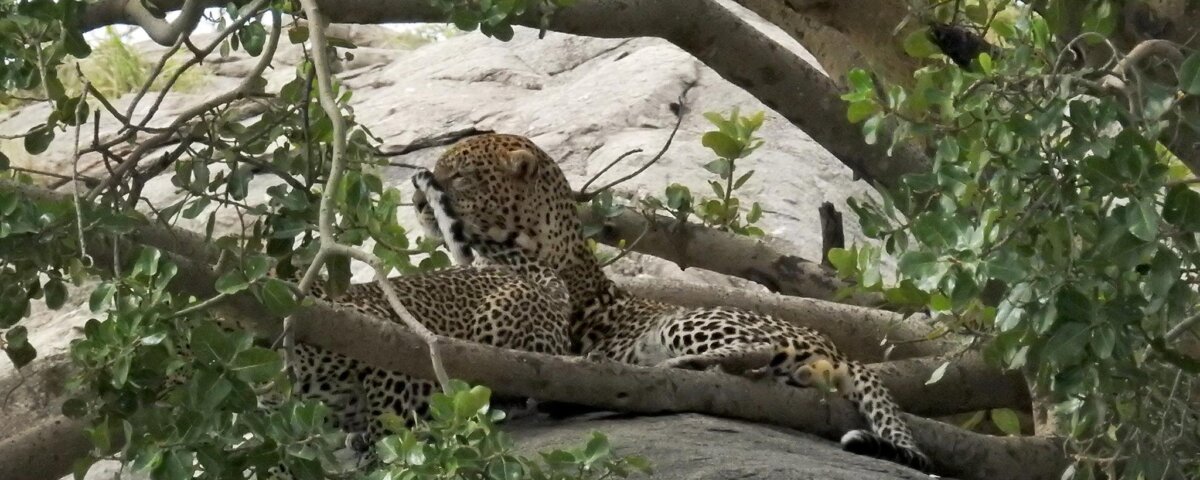
Tanzania Safari for Leopard Sightings
Tanzania Safari for Leopard Sightings delivers one of the most thrilling and rewarding wildlife experiences in Africa. Leopards remain among the continent’s most mysterious and elusive predators, yet Tanzania offers excellent opportunities to encounter these magnificent cats in their natural habitats. Across vast savannahs, riverine forests, rocky outcrops, and acacia woodlands, leopards move silently through the wilderness while creating unforgettable safari moments for travelers.
Unlike lions that live in prides or cheetahs that hunt openly across grasslands, leopards prefer secrecy, patience, and stealth. Their solitary nature makes every sighting feel special and exciting. Travelers often remember leopard encounters more vividly because spotting one requires skill, timing, and experienced safari guiding.
Tanzania’s protected national parks support healthy leopard populations thanks to abundant prey, diverse ecosystems, and strong wildlife conservation efforts. Professional safari guides understand leopard behavior, movement patterns, and favorite resting areas, which greatly improves sighting opportunities during game drives.
Modern safari travelers increasingly seek authentic predator experiences filled with adventure and emotional connection. Tanzania Safari for Leopard Sightings combines wildlife tracking, luxury safari living, photography opportunities, and deep wilderness exploration into one remarkable journey.
The excitement builds throughout every safari drive because leopards can appear unexpectedly. A leopard may rest on a tree branch beside the road, silently stalk prey through tall grass, or emerge near riverbanks during golden evening light.
Giant Holiday Safaris carefully designs leopard tracking adventures that allow travelers to explore Tanzania’s wild landscapes while enjoying exceptional wildlife encounters and unforgettable African safari experiences.
When the Bush Suddenly Comes Alive During Safari for Leopard Sightings
Leopard safaris often begin quietly. Travelers may spend hours exploring grasslands, forests, and riverbeds while searching carefully through the landscape. Then, within seconds, the atmosphere changes completely when a guide spots movement inside the trees or along a rocky slope.
This sudden excitement makes leopard tracking different from many other safari experiences. Leopards blend naturally into their surroundings because of their spotted coats, silent movement, and cautious behavior. Travelers quickly learn that patience and observation become essential parts of the adventure.
Many sightings happen near riverine forests where leopards rest during warm afternoons. Thick branches provide shade while elevated positions help them watch nearby wildlife. Sometimes a leopard stretches lazily across a tree limb while gazing toward the plains below.
Morning and evening drives often create the best opportunities because leopards become more active during cooler hours. Guides search for tracks, listen to alarm calls from antelope, and monitor wildlife behavior to locate predators hidden within the bush.
Travelers frequently describe the moment of spotting a leopard as deeply emotional because the animal appears both powerful and graceful at the same time. The silence surrounding these encounters increases the intensity of the experience.
Tanzania’s wilderness areas still allow leopards to live naturally without constant human interference. This creates authentic wildlife moments that feel raw, unpredictable, and unforgettable for safari enthusiasts visiting Africa.
Following Shadows Through Tanzania’s Wild Landscapes
Leopards adapt well to different environments, which makes Tanzania one of Africa’s finest destinations for leopard sightings. These predators thrive across woodlands, forests, rocky hills, river valleys, and open savannah ecosystems.
Serengeti National Park remains one of the best places for leopard safaris because its river systems and scattered acacia trees provide excellent hiding and hunting conditions. Leopards frequently rest inside sausage trees or along quiet riverbanks during daylight hours.
Ruaha National Park also offers remarkable leopard encounters inside rugged and remote landscapes. The park’s rocky terrain, thick vegetation, and healthy prey populations create ideal habitats for predators.
In Tarangire National Park, travelers often spot leopards resting near ancient baobab trees or moving carefully through woodland areas during sunrise game drives.
Nyerere National Park introduces a different safari atmosphere filled with wetlands, rivers, and dense vegetation where leopards hunt and move quietly beside water channels.
Ngorongoro Conservation Area also supports leopard populations, especially around forested crater slopes and secluded habitats.
Every safari destination creates unique leopard tracking experiences because landscapes influence predator behavior, movement patterns, and hunting techniques. Some regions allow dramatic tree sightings, while others reveal leopards stalking prey across tall grasses or rocky outcrops.
This variety keeps Tanzania safaris exciting because no two leopard encounters ever feel the same.
The Art of Patience During Tanzania Safari for Leopard Sightings
Leopard tracking teaches travelers the value of patience and observation inside the African wilderness. Unlike wildlife species that gather openly in large numbers, leopards require careful searching and experienced guiding.
Safari guides study fresh tracks along dusty roads, broken vegetation, and wildlife reactions while building mental maps of leopard movement across territories. Antelope alarm calls often reveal predator activity hidden inside nearby bushes or trees.
Travelers quickly learn to slow down and observe details within the landscape. A hanging tail from a tree branch, unusual bird behavior, or sudden silence among grazing animals may signal a leopard nearby.
This slower rhythm creates more immersive safari experiences because travelers pay closer attention to the natural environment. Instead of rushing between sightings, guests become part of the tracking process itself.
Many leopard encounters happen unexpectedly after long periods of searching. This anticipation increases the emotional impact when a leopard finally appears from dense vegetation or climbs gracefully into a tree.
Photography travelers especially appreciate these moments because the challenge of finding leopards makes successful wildlife images feel more rewarding and meaningful.
The tracking process also strengthens appreciation for professional safari guides whose knowledge and experience dramatically improve wildlife encounters throughout the safari.
Tanzania Safari for Leopard Sightings transforms simple game drives into thrilling wildlife investigations filled with suspense, patience, and unforgettable discoveries.
Golden Light and Unforgettable Wildlife Photography
Leopards create some of the most beautiful and dramatic wildlife photography opportunities during African safaris. Their striking coats, intense eyes, and graceful movement allow photographers to capture powerful safari images throughout Tanzania’s wilderness areas.
Early morning light often produces excellent photography conditions because leopards become more active while soft sunlight highlights textures and colors across the landscape. Sunset hours create equally breathtaking scenes as golden light filters through trees and tall grass.
Tree climbing behavior especially attracts wildlife photographers. A leopard stretched across an acacia branch with sunlight behind the savannah creates iconic African safari imagery recognized around the world.
Leopard cubs also provide extraordinary photography opportunities whenever travelers encounter mothers raising young within protected habitats. Playful behavior and family interactions create emotional wildlife moments filled with character and movement.
Professional safari guides help photographers position vehicles carefully for better viewing angles and natural lighting conditions while respecting wildlife space and behavior.
Luxury mobile camps and private safaris additionally improve photography experiences because travelers enjoy more flexibility during game drives and wildlife tracking sessions.
Even travelers using smartphones capture unforgettable leopard moments because Tanzania’s safari landscapes naturally create dramatic scenery and wildlife compositions.
Giant Holiday Safaris helps travelers maximize photography experiences by carefully planning safari routes, timing wildlife activities, and selecting prime leopard viewing destinations across Tanzania.
More Than Just a Predator Encounter in Tanzania Safari for Leopard Sightings
Leopard sightings create excitement, but the experience extends beyond simply seeing a predator. Tracking leopards helps travelers understand how wildlife ecosystems function together inside Tanzania’s protected wilderness areas.
Leopards play important ecological roles because they help maintain healthy prey populations and ecosystem balance. Their hunting behavior influences animal movement and natural survival patterns throughout the landscape.
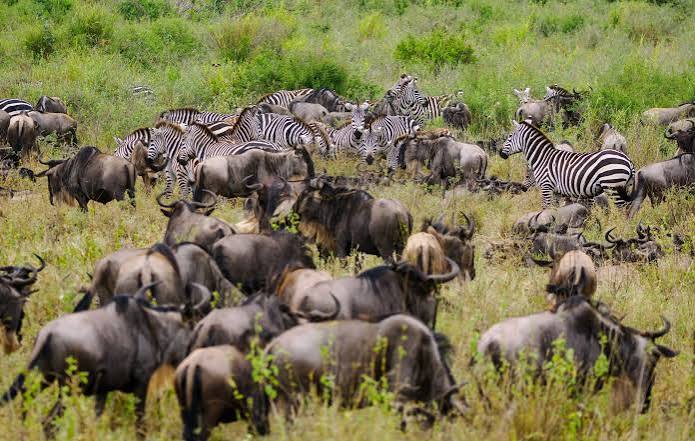
Travelers also discover how different species react to predator presence. Zebras gather closely, antelope remain alert, monkeys issue warning calls, and birds suddenly scatter whenever leopards move nearby.
These interactions reveal the complexity of African ecosystems and help travelers appreciate nature more deeply during safari experiences.
Leopard safaris also create emotional connections with the wilderness itself. The quiet atmosphere, anticipation, and sudden excitement make travelers feel fully immersed within nature rather than simply observing from a distance.
Many travelers leave Tanzania with stronger appreciation for conservation because they witness firsthand how protected habitats support predators and biodiversity.
Responsible safari tourism further contributes to wildlife protection through conservation funding, local employment, and environmental education programs connected to national parks and protected areas.
This combination of adventure, education, conservation, and emotional connection makes leopard safaris among the most meaningful wildlife experiences available in Africa.
From Sunrise Drives to Fireside Safari Evenings
A Tanzania Safari for Leopard Sightings includes far more than predator tracking alone. The overall safari atmosphere creates a complete wilderness experience filled with comfort, adventure, and memorable moments.
Early mornings begin with fresh coffee and sunrise game drives as wildlife becomes active across the savannah. Cool air, golden light, and quiet landscapes create peaceful safari atmospheres before the heat of the day arrives.
Afternoons often include relaxing lodge experiences overlooking rivers, forests, or wildlife plains. Travelers enjoy comfortable accommodations while listening to birds, distant lion calls, or rustling wildlife near camp.
Evening drives bring renewed excitement because predators become more active during cooler temperatures. Leopard sightings frequently occur during these magical hours when soft light transforms the landscape.
Luxury tented camps and safari lodges additionally create unforgettable nights inside the wilderness. Campfires, lantern lit pathways, and natural surroundings allow travelers to feel closely connected to Tanzania’s wild beauty.
Cultural visits, walking safaris, and birdwatching activities further enrich the safari experience between game drives.
This balance between adventure and comfort allows travelers to experience Tanzania deeply while enjoying authentic African hospitality throughout the journey.
Discovering Tanzania’s Secretive Wilderness Predator
Tanzania Safari for Leopard Sightings offers travelers an unforgettable journey into the hidden world of Africa’s most elusive big cat. Every leopard encounter feels unique because these predators move silently, hunt strategically, and remain beautifully unpredictable throughout the wilderness.
The excitement of searching through forests, riverbeds, and savannah landscapes creates deeper safari immersion while strengthening appreciation for nature and wildlife behavior.
Tanzania’s extraordinary national parks provide ideal environments for leopard safaris because predators thrive across vast protected ecosystems filled with rich biodiversity and dramatic scenery.
Travelers also enjoy diverse safari experiences that combine luxury camps, photography adventures, conservation learning, cultural exploration, and thrilling wildlife tracking throughout the journey.
Giant Holiday Safaris continues helping travelers experience Tanzania’s remarkable leopard territories through carefully planned safari adventures designed around authenticity, comfort, and unforgettable wildlife encounters.
For photographers, wildlife enthusiasts, adventure travelers, and safari lovers, Tanzania Safari for Leopard Sightings remains one of Africa’s most exciting and rewarding safari experiences.