Tanzania Safari Charter Flights
May 26, 2026
What Are the Best Safari Parks for Exclusive Safaris in Kenya?
May 26, 2026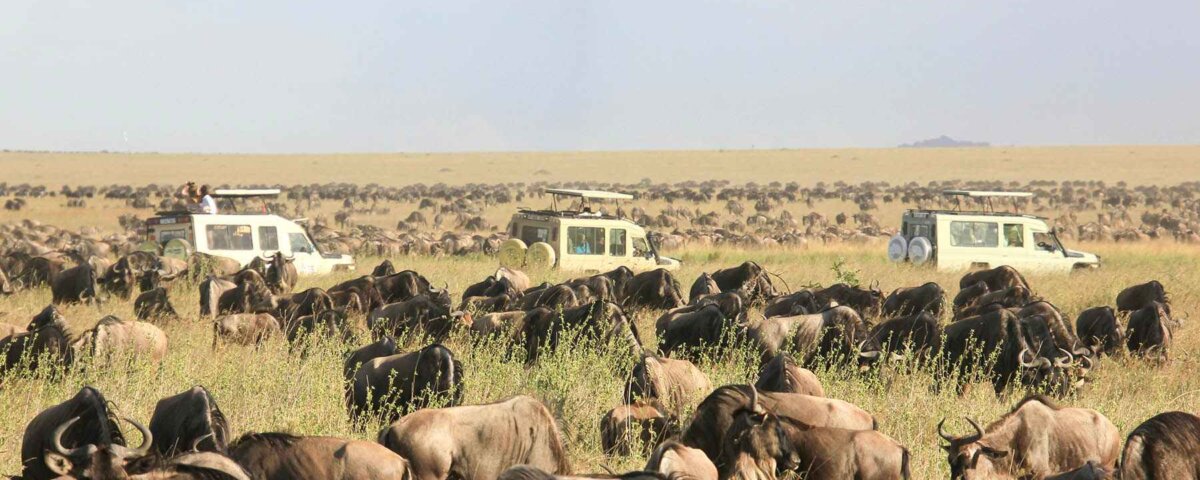
Tanzania Safari Travel Planning Guide
A successful safari begins long before the first game drive. This Tanzania Safari Travel Planning Guide helps travelers prepare for one of Africa’s most rewarding wildlife adventures with confidence and clarity. Tanzania stands among the world’s premier safari destinations, offering breathtaking landscapes, abundant wildlife, rich cultural experiences, and some of the most famous national parks on the continent. However, creating a memorable safari requires careful planning. From choosing the right travel season and selecting destinations to budgeting, accommodation, transportation, and packing, every decision contributes to the overall experience.
Tanzania offers something for every type of traveler. Families can enjoy educational wildlife encounters, couples can experience romantic luxury safaris, photographers can capture extraordinary landscapes and animal behavior, while adventure seekers can explore remote wilderness areas far from crowded tourist routes. The country’s diversity allows visitors to customize itineraries that match their interests, expectations, and budgets.
At Giant Holiday Safaris, we understand that every traveler has unique goals. Our experience across East Africa has shown that proper planning transforms a good safari into an unforgettable journey. This Tanzania Safari Travel Planning Guide provides practical insights and expert recommendations to help travelers prepare effectively and enjoy every moment of their Tanzanian adventure.
Why a Tanzania Safari Travel Planning Guide Matters
Many travelers focus primarily on selecting a destination, yet safari success often depends on the quality of planning that happens beforehand. A well-planned safari improves comfort, maximizes wildlife viewing opportunities, reduces stress, and ensures travelers receive the best value for their investment.
Tanzania covers a vast area with numerous national parks, conservation areas, private reserves, and cultural attractions. Without proper planning, travelers may spend unnecessary time in transit or miss opportunities to visit destinations that best match their interests. A thoughtful itinerary helps balance travel time, wildlife activities, accommodation choices, and relaxation.
Planning also allows travelers to align their safari with seasonal wildlife movements. Certain experiences, such as witnessing the Great Wildebeest Migration, depend heavily on timing. Understanding seasonal patterns helps visitors select the most rewarding travel dates.
Budget management represents another important benefit. Early planning provides opportunities to compare accommodations, transportation options, and safari packages while avoiding last-minute expenses. Travelers can allocate resources effectively and prioritize experiences that matter most.
Additionally, planning helps address practical requirements such as visas, travel insurance, vaccinations, and packing considerations. By organizing these details in advance, travelers can focus entirely on enjoying the adventure once they arrive in Tanzania.
A safari involves many moving parts, and careful preparation ensures those pieces come together seamlessly to create an exceptional travel experience.
Choosing the Best Time to Visit Tanzania for Safari Travel
Selecting the right travel season forms one of the most important decisions in any safari itinerary. Tanzania offers year-round wildlife viewing, but different seasons provide unique advantages depending on travel goals and destination choices.
The dry season, which generally runs from June through October, remains the most popular period for safaris. During this time, vegetation becomes less dense, water sources shrink, and wildlife gathers around rivers and watering points. These conditions improve animal visibility and increase wildlife viewing opportunities. The dry season also brings comfortable temperatures and minimal rainfall.
The green season offers a different but equally rewarding experience. Rainfall transforms landscapes into lush environments filled with vibrant vegetation and abundant birdlife. This period attracts photographers who appreciate dramatic scenery and rich colors. Visitor numbers also tend to be lower, creating a more peaceful safari atmosphere.
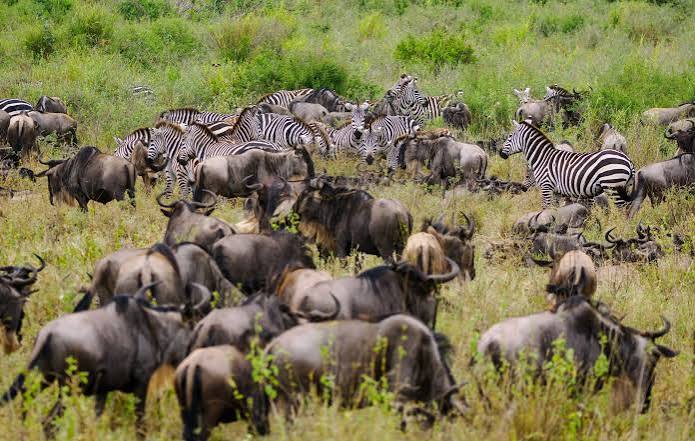
Travelers interested in the Great Wildebeest Migration should consider timing carefully. Different phases of the migration occur throughout the year across various parts of the Serengeti ecosystem. Understanding these movements helps travelers position themselves for optimal viewing opportunities.
Calving season, usually occurring between January and March in southern Serengeti, attracts predators and creates exciting wildlife encounters. Meanwhile, river crossings often occur later in the year and represent one of Africa’s most dramatic wildlife spectacles.
Choosing the right season depends on individual interests, wildlife priorities, budget considerations, and preferred travel conditions.
Selecting Destinations Using a Tanzania Safari Travel Planning Guide
Tanzania offers an extraordinary variety of safari destinations, each providing unique landscapes, wildlife populations, and visitor experiences. Selecting the right combination of destinations plays a crucial role in creating a balanced and rewarding itinerary.
Serengeti National Park remains the country’s most famous safari destination. Its endless plains support abundant wildlife and host the legendary Great Wildebeest Migration. Visitors enjoy exceptional opportunities to observe predators, large herbivore herds, and diverse ecosystems.
Ngorongoro Conservation Area provides a completely different experience. The famous crater contains one of Africa’s highest concentrations of wildlife within a spectacular natural setting. Many travelers consider it an essential component of a Tanzania safari.
Tarangire National Park attracts visitors with its enormous elephant populations, iconic baobab trees, and excellent wildlife diversity. Lake Manyara National Park complements nearby destinations with scenic landscapes, rich birdlife, and varied habitats.
Travelers seeking remote experiences often choose Southern Tanzania destinations such as Ruaha National Park and Nyerere National Park. These regions offer exceptional wildlife encounters with fewer visitors and vast wilderness settings.
Western Tanzania appeals to adventurous travelers interested in chimpanzee trekking and remote wilderness exploration. Parks such as Mahale Mountains and Katavi provide extraordinary experiences for those willing to venture beyond traditional safari circuits.
Selecting destinations based on personal interests ensures travelers experience Tanzania in ways that align with their expectations and travel goals.
Creating the Perfect Tanzania Safari Itinerary
A well-structured itinerary serves as the foundation of a successful safari. Balancing wildlife activities, travel logistics, accommodation changes, and relaxation time helps create a comfortable and enjoyable experience.
The first step involves determining the overall duration of the trip. Short safaris often focus on Tanzania’s Northern Circuit, while longer journeys may combine multiple regions or include coastal extensions in Zanzibar. Travelers should avoid trying to see too much within a limited timeframe, as excessive travel can reduce overall enjoyment.
Each destination deserves adequate time for exploration. Spending multiple nights in key parks increases opportunities for wildlife sightings and allows visitors to experience different habitats and animal behaviors. Rushing through destinations often limits the quality of wildlife encounters.
Travel logistics should also receive careful consideration. Distances between parks can be significant, and realistic travel schedules help minimize fatigue. Combining road transportation with domestic flights often improves efficiency for longer itineraries.
Flexibility remains important as well. Wildlife movements and weather conditions sometimes influence daily activities. Allowing room for adjustments enhances the safari experience and creates opportunities to take advantage of unexpected wildlife sightings.
An effective itinerary balances structure with flexibility while ensuring travelers enjoy meaningful experiences at every destination throughout their journey.
Tanzania Safari Accommodation Planning Tips
Accommodation plays a major role in shaping the overall safari experience. Tanzania offers a wide range of lodging options that cater to different budgets, travel styles, and comfort preferences.
Luxury safari lodges provide exceptional comfort, personalized service, fine dining, and stunning locations overlooking wildlife-rich landscapes. Many luxury properties feature spacious suites, private decks, swimming pools, and exclusive safari activities designed to enhance the guest experience.
Tented camps offer an authentic safari atmosphere while maintaining excellent comfort standards. These accommodations allow guests to feel closer to nature while enjoying modern amenities. Luxury tented camps combine wilderness immersion with premium hospitality.
Mid-range lodges provide comfortable accommodations at more moderate price points. These properties often offer excellent value while maintaining quality service and convenient access to national parks.
Budget camps and basic safari accommodations appeal to travelers seeking affordable adventures without sacrificing wildlife experiences. Many budget options provide clean facilities, comfortable sleeping arrangements, and access to guided safari activities.
Location should influence accommodation choices as much as comfort level. Properties situated close to wildlife areas reduce travel times and increase opportunities for early morning and evening game drives.
Choosing accommodations that align with personal expectations helps create a safari experience that balances comfort, value, and immersion in Tanzania’s remarkable natural environments.
Transportation Options in a Tanzania Safari Travel Planning Guide
Transportation significantly affects comfort, convenience, and the overall flow of a safari adventure. Understanding available transportation options allows travelers to make informed decisions based on budget, itinerary structure, and personal preferences.
Customized 4×4 safari vehicles remain the most common transportation choice. These vehicles provide excellent wildlife viewing opportunities while handling Tanzania’s varied terrain safely and comfortably. Professional guides accompany most road safaris, enhancing the experience through local knowledge and wildlife expertise.
Domestic flights offer an efficient alternative for travelers covering large distances. These services connect major safari regions and remote airstrips, allowing visitors to maximize time spent exploring wildlife destinations rather than traveling between them.
Charter flights provide even greater flexibility and convenience for luxury travelers. Private aviation services enable direct access to exclusive camps and remote wilderness areas while supporting highly personalized itineraries.
Airport transfers form another important component of transportation planning. Reliable transfer services ensure smooth arrivals, departures, and connections between flights, accommodations, and safari activities.
Transportation decisions should reflect overall itinerary goals. Some travelers enjoy scenic road journeys through rural Tanzania, while others prioritize speed and convenience through air travel. Careful planning ensures transportation supports rather than detracts from the safari experience.
Budgeting for Your Tanzania Safari Adventure
Budget planning helps travelers manage expectations and make informed decisions throughout the safari planning process. Tanzania offers safari experiences across a broad range of price points, making it accessible to many different travel styles and budgets.
Several factors influence safari costs. Accommodation category represents one of the largest variables. Luxury lodges and exclusive camps command higher rates, while mid-range and budget options provide more affordable alternatives.
Transportation choices also affect overall expenses. Road safaris generally cost less than itineraries involving domestic flights or private charters. Travelers should evaluate the balance between convenience and budget when selecting transportation methods.
Park fees contribute significantly to safari pricing. Tanzania invests heavily in wildlife conservation and protected area management, and park entrance fees support these efforts. Travelers should include these costs when calculating safari budgets.
Seasonality influences pricing as well. Peak travel periods often bring higher accommodation rates and increased demand for safari services. Traveling during shoulder seasons may provide opportunities for savings while still delivering excellent wildlife experiences.
Working with experienced safari operators helps travelers identify options that match both expectations and financial considerations. Thoughtful budgeting ensures visitors maximize value while enjoying rewarding wildlife experiences throughout Tanzania.
Essential Packing Tips for Safari Travelers
Packing appropriately enhances comfort and preparedness throughout a safari adventure. Tanzania’s varied environments require practical clothing and equipment suited to wildlife viewing, outdoor activities, and changing weather conditions.
Neutral-colored clothing remains the preferred choice for safaris. Earth tones such as khaki, beige, olive, and brown blend naturally with the environment while minimizing distractions during wildlife encounters. Lightweight, breathable fabrics help maintain comfort during warm daytime temperatures.
Layering proves especially useful because temperatures often vary significantly between early mornings, afternoons, and evenings. A lightweight jacket or fleece provides warmth during cool game drives while remaining easy to remove later in the day.
Comfortable walking shoes support activities around lodges, camps, and selected guided excursions. Travelers should also pack sun protection items including hats, sunglasses, and sunscreen to reduce exposure during outdoor activities.
Photography enthusiasts should prepare camera equipment, spare batteries, memory cards, and protective storage solutions. Binoculars greatly enhance wildlife viewing experiences by allowing closer observation of distant animals and birdlife.
Travel documents, medications, insect repellent, reusable water bottles, and small personal items should remain easily accessible throughout the journey. Thoughtful packing improves convenience and ensures travelers remain comfortable during every stage of the safari experience.
Working with a Trusted Safari Operator
Choosing the right safari operator often determines the overall quality of a safari experience. Experienced operators provide valuable expertise, logistical support, and local knowledge that significantly enhance travel outcomes.
Professional safari companies understand seasonal wildlife movements, destination characteristics, accommodation standards, transportation logistics, and conservation regulations. Their guidance helps travelers create itineraries tailored to specific interests and travel goals.
Reliable operators also prioritize safety and service quality. They work with experienced guides, maintain high operational standards, and coordinate travel arrangements efficiently. These factors contribute to smoother and more enjoyable safari experiences.
Transparent communication represents another important consideration. Travelers should seek operators who clearly explain itinerary details, inclusions, exclusions, and expectations before confirming reservations. Honest information helps build trust and confidence.
At Giant Holiday Safaris, we focus on creating personalized safari experiences that combine expert planning, professional service, and authentic wildlife encounters. Our commitment to excellence helps travelers explore Tanzania with confidence while enjoying unforgettable adventures across the country’s most remarkable destinations.
Partnering with a trusted safari specialist simplifies planning and allows travelers to focus on the excitement of the journey rather than the complexity of logistics.
Turn Your Dream Safari into Reality
This Tanzania Safari Travel Planning Guide demonstrates that a memorable safari begins with thoughtful preparation and informed decision-making. From choosing the right travel season and selecting destinations to budgeting, accommodation, transportation, and packing, every detail contributes to the quality of the overall experience.
Tanzania offers extraordinary opportunities for wildlife viewing, cultural discovery, photography, and adventure. Whether exploring the legendary Serengeti, descending into Ngorongoro Crater, observing elephants in Tarangire, or venturing into remote wilderness regions, travelers benefit greatly from careful planning and expert guidance.
A well-designed safari balances comfort, exploration, flexibility, and meaningful wildlife encounters. By understanding available options and preparing effectively, visitors can maximize their time in the field while minimizing unnecessary challenges and travel stress.
At Giant Holiday Safaris, we take pride in helping travelers transform safari dreams into unforgettable realities. Our expertise, local knowledge, and commitment to exceptional service allow guests to experience Tanzania with confidence and peace of mind. By following the recommendations in this Tanzania Safari Travel Planning Guide, travelers can create a rewarding journey filled with extraordinary wildlife, breathtaking landscapes, and lifelong memories in one of Africa’s greatest safari destinations.
Combined Uganda, Kenya, Rwanda and Tanzania Safaris
17 days Kenya Tanzania and Uganda safari
19 Days Uganda Kenya and Tanzania Safari
16 Days Kenya Tanzania and Uganda Safari
14 Days Kenya Uganda and Tanzania Safari
14 Days Kenya Uganda and Rwanda Safari