Tanzania Ethical Safari Tours
May 25, 2026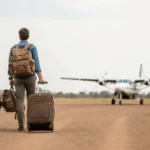
Tanzania Safari Packing Guide
May 25, 2026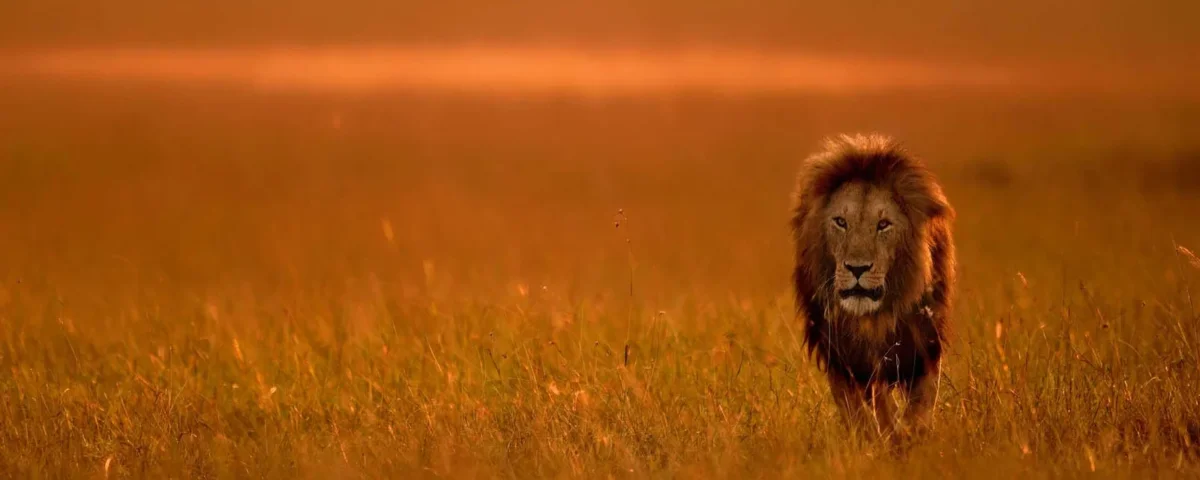
Tanzania Safari Travel Tips
Tanzania Safari Travel Tips help travelers prepare for one of Africa’s most exciting and unforgettable wildlife adventures. The country attracts visitors from around the world because of its incredible national parks, rich wildlife, beautiful landscapes, and authentic cultural experiences. From the endless plains of the Serengeti to the breathtaking Ngorongoro Crater, Tanzania offers safari experiences that combine adventure, nature, culture, and relaxation in remarkable ways.
However, proper planning plays an important role in creating a successful safari experience. Travelers who understand the best travel seasons, packing essentials, health precautions, transportation options, and safari etiquette often enjoy smoother and more rewarding journeys across Tanzania.
A well prepared safari allows travelers to focus fully on wildlife encounters, photography opportunities, cultural exploration, and relaxation without unnecessary stress or confusion during the trip.
Tanzania’s safari destinations also vary greatly in climate, activities, accommodation styles, and travel conditions. Some travelers prefer luxury safaris with premium lodges while others choose mobile camping adventures or eco friendly experiences in remote wilderness areas.
Understanding these travel details before arrival helps visitors make better decisions and create safari experiences that match their interests, travel style, and expectations.
Professional safari companies guide travelers through the planning process while providing expert support on safety, wildlife viewing, transportation, accommodation, and cultural experiences.
Giant Holiday Safaris helps travelers prepare for unforgettable African adventures through carefully designed safari packages, expert travel guidance, and reliable Tanzania Safari Travel Tips that improve comfort, safety, and overall safari experiences.
Choosing the Best Time for a Tanzania Safari Travel
Selecting the right travel season remains one of the most important safari planning decisions because weather conditions and wildlife movement affect the overall experience.
Tanzania offers excellent safari opportunities throughout the year, although each season provides unique advantages for travelers interested in wildlife viewing, photography, birdwatching, cultural tourism, or fewer crowds.
The dry season from June to October remains especially popular because animals gather around rivers and water sources, making wildlife easier to spot during game drives.
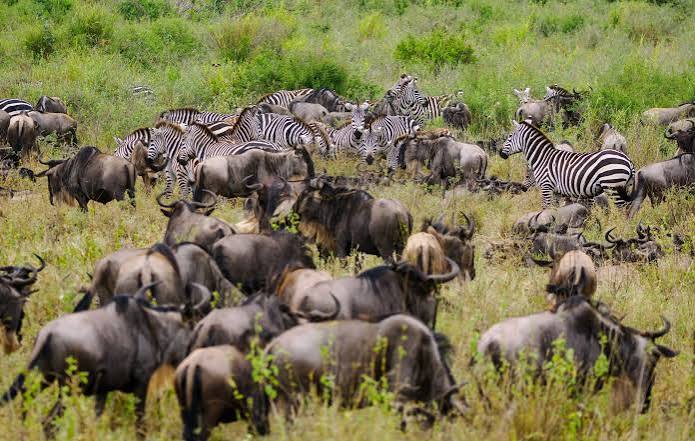
The Great Migration in the Serengeti also attracts many visitors during this period as thousands of wildebeests and zebras move across the plains searching for fresh grazing land.
The green season between November and May creates different safari experiences filled with lush scenery, fewer tourists, dramatic landscapes, and excellent birdwatching opportunities.
Many travelers appreciate the green season because parks feel quieter and photography conditions improve due to vibrant vegetation and softer natural lighting.
Calving season in the southern Serengeti also takes place during early months of the year, attracting predators and creating exciting wildlife viewing opportunities.
Travelers planning chimpanzee trekking, beach holidays, mountain climbing, or cultural tours should also consider regional weather conditions when choosing travel dates.
Professional safari experts help travelers select the best safari season based on wildlife interests, budget, travel style, and preferred activities across Tanzania’s safari destinations.
Packing Tips for a Tanzania Safari Travel
Packing properly improves safari comfort, safety, and convenience while helping travelers adapt to Tanzania’s changing weather conditions and outdoor environments.
Lightweight neutral colored clothing works best because bright colors may disturb wildlife while dark colors attract insects in some safari regions.
Travelers should pack comfortable long sleeve shirts, breathable trousers, hats, sunglasses, and lightweight jackets for cool mornings and evenings during game drives.
Good walking shoes also remain important for walking safaris, village tours, nature hikes, and airport transfers across uneven terrain.
Binoculars help travelers enjoy better wildlife viewing while cameras with extra batteries and memory cards allow visitors to capture unforgettable safari moments throughout the journey.
Sunscreen, insect repellent, reusable water bottles, personal medication, and basic first aid supplies also improve travel comfort and safety.
Many safari lodges offer laundry services, so travelers do not need excessive luggage during longer safaris.
Soft sided travel bags often work better than hard suitcases because safari vehicles and small aircraft usually have limited luggage space.
Travel insurance additionally provides important protection against unexpected travel disruptions, medical emergencies, or baggage problems.
Travelers who pack carefully often enjoy more relaxed safari experiences because they remain prepared for changing weather conditions, outdoor activities, and remote travel environments across Tanzania.
Understanding Safari Etiquette and Wildlife Safety
Respecting safari etiquette and wildlife safety guidelines helps protect animals, preserve natural environments, and create enjoyable experiences for everyone during Tanzania safaris.
Professional safari guides provide important instructions throughout game drives and walking activities to ensure traveler safety and responsible wildlife viewing.
Travelers should remain quiet near wildlife because loud noise may disturb animals and reduce opportunities to observe natural behavior.
Standing inside safari vehicles without guide permission also creates safety risks, especially near large animals such as elephants, buffaloes, lions, and hippos.
Responsible travelers avoid feeding animals, littering, or attempting to attract wildlife attention for photographs.
Ethical wildlife viewing focuses on observing animals naturally without interfering with feeding, hunting, resting, or breeding activities.
Photography etiquette also matters during safaris. Travelers should avoid using strong camera flashes near wildlife because bright flashes may disturb sensitive animals and birds.
Respect for local communities remains equally important during village visits and cultural tours. Travelers should ask permission before photographing people and follow local customs respectfully during community interaction.
Professional guides help travelers understand animal behavior, environmental protection, and cultural sensitivity throughout the safari experience.
Following these safari guidelines improves safety while supporting conservation and responsible tourism practices across Tanzania’s protected areas.
Planning Transportation and Safari Logistics for a Tanzania Safari Travel
Safari logistics and transportation planning play a major role in creating smooth and enjoyable travel experiences throughout Tanzania.
The country’s safari circuit includes large distances between parks, airports, lodges, and remote conservation areas. Therefore, travelers should plan transportation carefully to maximize safari time and reduce unnecessary travel stress.
Road safaris remain popular because they allow travelers to enjoy changing landscapes, local villages, and wildlife encounters during transfers between destinations.
However, domestic flights also help travelers save time when visiting remote parks such as Ruaha National Park, Mahale Mountains, or Nyerere National Park.
Travelers should additionally confirm baggage restrictions before domestic flights because smaller safari aircraft often limit luggage weight.
Reliable safari operators coordinate airport pickups, lodge transfers, park entry permits, accommodation bookings, and safari schedules to simplify travel planning for visitors.
Travelers arriving internationally usually enter Tanzania through Julius Nyerere International Airport in Dar es Salaam or Kilimanjaro International Airport near Arusha.
It also helps to carry some cash in Tanzanian shillings or US dollars for small purchases, tips, local markets, and community visits in remote safari regions.
Careful travel planning allows visitors to enjoy more efficient, comfortable, and organized safari experiences throughout Tanzania’s wildlife destinations.
Staying Healthy During Your Tanzania Safari
Health preparation remains an important part of Tanzania Safari Travel Tips because proper precautions help travelers enjoy safe and comfortable safari experiences.
Travelers should consult healthcare professionals before departure to discuss vaccinations, malaria prevention, and personal medical recommendations for East African travel.
Carrying prescription medication, insect repellent, sunscreen, hand sanitizer, and reusable water bottles helps reduce common travel health concerns during safari activities.
Hydration also remains very important because Tanzania’s warm climate and long outdoor activities may cause dehydration if travelers do not drink enough water throughout the day.
Most safari lodges and camps provide safe drinking water, healthy meals, and clean accommodation facilities designed for international travelers.
Travelers should additionally avoid drinking untreated water or purchasing food from unreliable roadside vendors during independent travel.
Safari vehicles often travel through remote wilderness areas, so carrying basic first aid supplies and travel insurance provides extra peace of mind during the journey.
Physical fitness requirements vary depending on safari style. Standard game drives require minimal physical effort, while walking safaris, mountain hikes, and chimpanzee trekking demand greater endurance.
Travelers who prepare properly for climate conditions, outdoor activities, and health precautions usually enjoy more relaxed and enjoyable safari experiences across Tanzania.
Professional safari guides and lodge staff also provide valuable support and local advice that help travelers remain comfortable and safe during their adventures.
Experiencing Local Culture During a Tanzania Safari
Cultural experiences add tremendous value to Tanzania safaris because travelers gain opportunities to connect with local communities, traditions, and daily life beyond wildlife exploration alone.
Tanzania includes more than 120 ethnic groups, each contributing unique traditions, languages, music, crafts, food, and cultural practices that enrich the tourism experience.
Village visits allow travelers to learn about traditional lifestyles, local farming methods, craftsmanship, storytelling, and community customs across Tanzania’s rural regions.
Maasai cultural experiences remain especially popular because travelers enjoy learning about traditional clothing, cattle keeping traditions, music, dance, and community life.
Local markets additionally provide colorful environments where visitors discover handmade crafts, fresh produce, textiles, spices, and cultural interaction with local residents.
Travelers who engage respectfully with local communities often create stronger emotional connections and deeper appreciation for Tanzania’s people and heritage.
Professional cultural guides help visitors understand local etiquette, communication styles, and respectful travel behavior during cultural activities.
Supporting community tourism through handicraft purchases, cultural tours, and local businesses also contributes positively to local economic development and cultural preservation.
These authentic cultural encounters transform ordinary safaris into meaningful travel experiences filled with education, connection, and human interaction.
Making the Most of Your Wildlife Photography Experience
Wildlife photography remains one of the most exciting parts of any Tanzania safari because the country offers extraordinary landscapes, dramatic wildlife encounters, and excellent natural lighting conditions.
Travelers do not need expensive professional equipment to capture beautiful safari photos. Even simple cameras and smartphones produce impressive images when travelers understand basic safari photography techniques.
Early morning and late afternoon game drives usually provide the best lighting conditions because sunlight appears softer and wildlife activity increases during cooler hours.
Patience also plays an important role in wildlife photography because animals move unpredictably and natural behavior often creates the most memorable images.
Travelers should keep cameras ready during game drives because wildlife sightings may appear suddenly along safari routes.
Binoculars help photographers locate distant wildlife before preparing cameras for closer observation or photography opportunities.
Professional safari guides also assist photographers by positioning vehicles carefully and sharing knowledge about animal movement patterns and behavior.
Respectful wildlife photography remains important because ethical photography avoids disturbing animals or pressuring guides to approach wildlife too closely.
Travelers often appreciate photography safaris because the experience encourages observation, patience, creativity, and deeper connection with nature throughout the journey.
These photography opportunities create lasting memories and help travelers share Tanzania’s remarkable wildlife and landscapes with others around the world.
Why Tanzania Safari Travel Tips Improve African Adventures
Tanzania Safari Travel Tips help travelers prepare for smoother, safer, and more rewarding African safari experiences. Proper planning allows visitors to enjoy Tanzania’s extraordinary wildlife, landscapes, cultures, and adventure activities with greater confidence and comfort.
Understanding travel seasons, packing essentials, health precautions, safari etiquette, transportation logistics, cultural experiences, and photography techniques improves the overall safari experience significantly.
Travelers who prepare carefully often enjoy more meaningful wildlife encounters, stronger cultural connections, and better travel memories throughout their journey.
Tanzania continues attracting visitors because of its world famous national parks, diverse ecosystems, welcoming communities, and authentic African safari experiences.
Whether travelers choose luxury safaris, eco tourism adventures, family holidays, cultural tours, or photography expeditions, preparation remains the key to successful travel experiences.
Giant Holiday Safaris continues helping international travelers explore East Africa through professional safari planning, reliable travel support, and expert Tanzania Safari Travel Tips designed to create unforgettable African adventures.
For travelers dreaming about wildlife exploration, cultural discovery, and breathtaking natural beauty, Tanzania Safari Travel Tips provide the knowledge needed to enjoy one of Africa’s most extraordinary travel destinations.
Combined Uganda, Kenya, Rwanda and Tanzania Safaris
17 days Kenya Tanzania and Uganda safari 19 Days Uganda Kenya and Tanzania Safari
16 Days Kenya Tanzania and Uganda Safari
14 Days Kenya Uganda and Tanzania Safari
14 Days Kenya Uganda and Rwanda Safari