Things to Do in Murchison Falls National Park
September 13, 2025
Things to Do in Lake Mburo National Park
September 13, 2025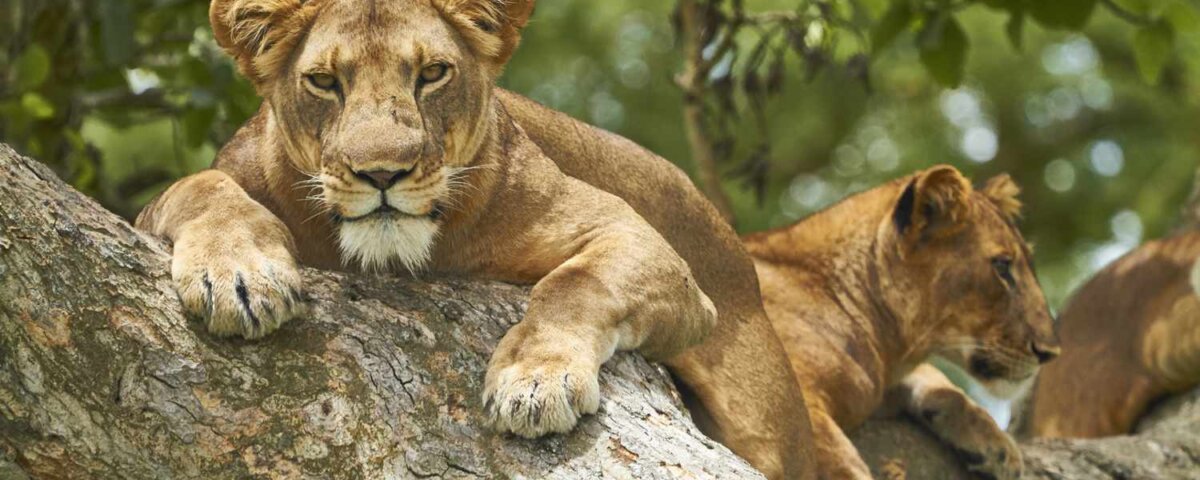
Things to Do in Queen Elizabeth National Park
Things to Do in Queen Elizabeth National Park: The park stands as one of Africa’s most iconic safari destinations, offering an unrivaled blend of wildlife, landscapes, and cultural experiences. Located in western Uganda, the park stretches across the fertile plains of the Albertine Rift Valley and covers nearly 2,000 square kilometers of breathtaking wilderness. It is bordered by the Rwenzori Mountains in the north and Lake Edward in the southwest, creating a dramatic natural backdrop that enhances its beauty. Visitors discover a unique harmony of savannah grasslands, crater lakes, wetlands, and lush forests that shelter extraordinary biodiversity. The park is home to over 95 mammal species, including elephants, buffaloes, and the famous tree-climbing lions of Ishasha. Bird enthusiasts are drawn to its more than 600 recorded bird species, making it one of the richest birding destinations on the continent. Beyond wildlife, Queen Elizabeth National Park offers authentic encounters with local communities, geological wonders, and fascinating cultural heritage. Whether you seek game drives, chimpanzee tracking, birdwatching, or scenic boat cruises, the park delivers experiences that blend adventure with discovery. Choosing to explore it with a trusted operator like Giant Holiday Safaris ensures you receive personalized guidance, professional expertise, and authentic insights that make every journey unforgettable. A safari here goes beyond sightseeing it creates lasting memories while immersing travelers in Africa’s raw beauty, diversity, and spirit of adventure.
Sample Safaris in Queen Elizabeth National Park
18 Days Best Uganda Adventure Safaris
14-Days Uganda Gorillas & Wildlife Tour
12 Days Gorillas, Chimps & Wildlife Safari
10 days Uganda primates & wildlife safari
10 Days Uganda Gorillas and Game Safari
7 Days Gorillas & Wildlife Safari
6 Days Gorillas and Chimps Trek Safari
3 Day Bwindi Gorilla Trekking Safari
4 Days Gorilla Trekking & Boat Cruise
Wildlife and Game Viewing in Queen Elizabeth National Park
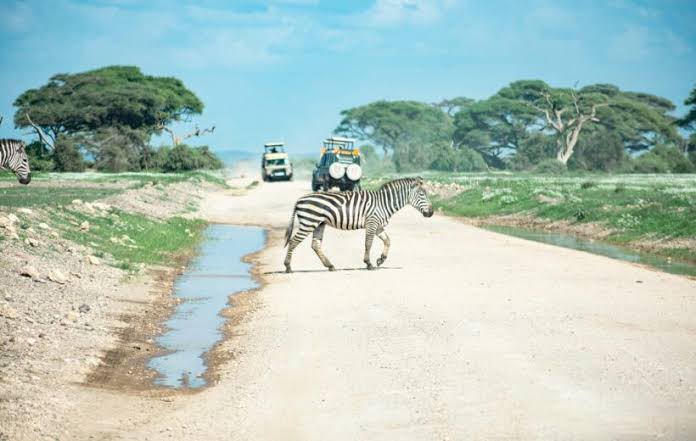
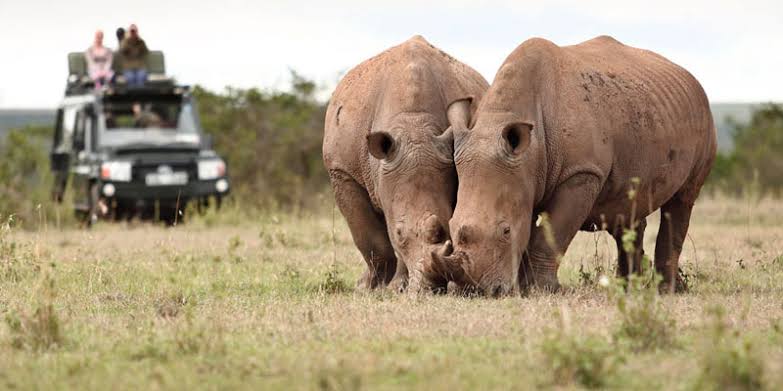
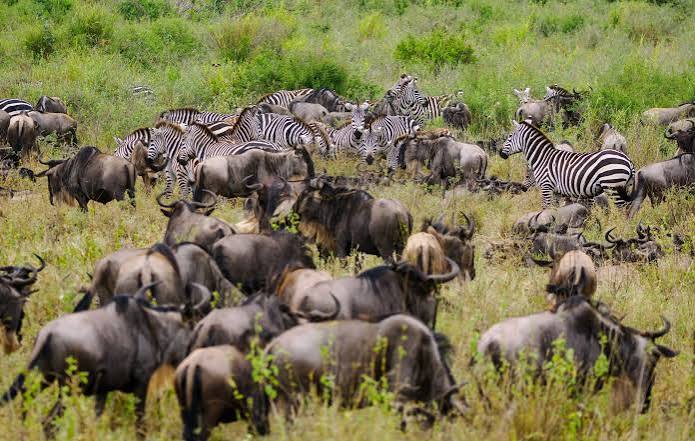
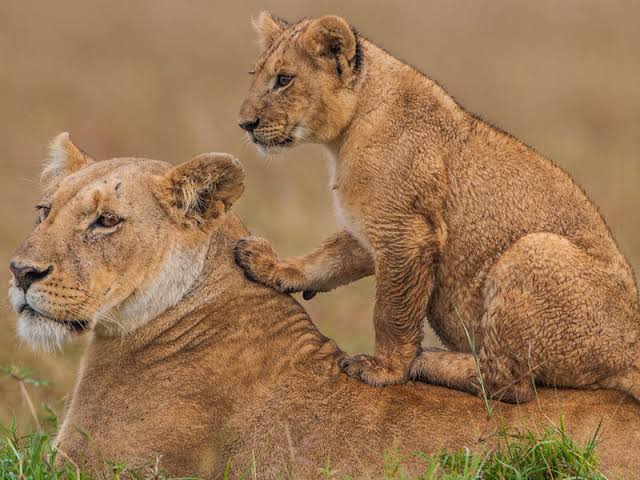
Game drives are the heartbeat of any safari in Queen Elizabeth National Park, offering thrilling encounters with Africa’s most iconic wildlife. The Kasenyi Plains and Mweya Peninsula stand as the best areas for spotting herds of elephants, buffaloes, and Uganda kobs grazing the savannah. Lions often follow these herds, providing a chance to witness the natural predator-prey drama in real time. The southern Ishasha sector is world-famous for its rare tree-climbing lions, a sight unique to this region. These lions often lounge high on fig and acacia trees, offering remarkable photographic opportunities found in very few destinations across Africa. Beyond the big predators, the park is also home to warthogs, waterbucks, giant forest hogs, and elusive leopards. Hippos and crocodiles line the Kazinga Channel, while spotted hyenas add to the thrilling predator population. The beauty of wildlife viewing here lies in its diversity, as each game drive reveals new encounters and surprises. Early morning and late afternoon drives are the most rewarding times to witness predators hunting or elephants bathing in waterholes. Experienced guides from Giant Holiday Safaris interpret animal behavior, track movements, and position vehicles strategically for the best sightings. Their deep expertise ensures that every game drive is both educational and exhilarating. Wildlife enthusiasts can also explore the explosion crater lakes, where animals graze against scenic volcanic backdrops. For families, photographers, and seasoned safari-goers, game drives in Queen Elizabeth National Park remain a highlight, combining adventure with an unmatched opportunity to witness Africa’s raw wilderness.
Chimpanzee Tracking in Kyambura Gorge and Kalinzu Forest
Chimpanzee tracking is among the most exciting adventures in Queen Elizabeth National Park. The Kyambura Gorge, often referred to as the “Valley of Apes,” offers a dramatic setting where dense forests meet deep gorges carved by the Kyambura River. Trekking down into this lush habitat immerses visitors in a vibrant ecosystem filled with towering fig trees, vines, and diverse birdlife. Within these forests, families of chimpanzees thrive, and tracking them offers insights into their fascinating social structures and behaviors. Observers witness grooming, feeding, and playful interactions that highlight their intelligence and close relation to humans. For an alternative experience, Kalinzu Forest Reserve, located near the park, provides another excellent site for chimpanzee encounters. Both locations require guided treks, where rangers lead visitors safely while explaining the forest ecology and primate conservation efforts. The treks vary in length depending on the chimpanzees’ movements, making every experience unique and adventurous. Beyond chimpanzees, these forests harbor black-and-white colobus monkeys, red-tailed monkeys, and baboons, adding to the diversity. Bird enthusiasts often combine the trek with birdwatching, spotting species like the great blue turaco and African grey parrot. Tracking chimpanzees not only offers thrilling encounters but also supports conservation, as permit fees contribute directly to protecting their habitats. Choosing Giant Holiday Safaris for your trek ensures that you are guided by experts who maximize viewing chances while promoting responsible tourism practices. Chimpanzee tracking in Kyambura or Kalinzu remains an unforgettable highlight of a Queen Elizabeth National Park safari, blending adventure with conservation awareness.
Kazinga Channel Boat Cruise
The Kazinga Channel boat cruise is a defining experience of Queen Elizabeth National Park, offering unrivaled opportunities to witness wildlife at close range. This natural waterway stretches for 40 kilometers, linking Lake Edward to Lake George, and serves as a lifeline for the park’s animals. Boat trips along the channel reveal large schools of hippos basking in the water, often in groups numbering hundreds. Crocodiles patrol the banks, while elephants and buffaloes frequently wade into the shallows to drink or cool off. The shores are teeming with birdlife, from the African fish eagle to pink-backed pelicans and the rare shoebill stork. Cruises operate both in the morning and late afternoon, with sunset tours offering magical golden light that enhances photography. The experience provides an entirely different perspective from game drives, as animals behave naturally along the water. It is not unusual to see herds of antelopes cautiously approach for a drink, while buffaloes rest in the mud. For birdwatchers, the channel is a paradise, with over 60 species often recorded during a single cruise. Professional guides enrich the experience by identifying species and explaining ecological interactions. Comfortable seating and open decks on the boats make photography convenient and rewarding. The cruise appeals to families, couples, and solo travelers seeking both relaxation and adventure. When booked through Giant Holiday Safaris, the trip is well-organized, with skilled boat captains and guides ensuring safety and enriching commentary. The Kazinga Channel cruise blends wildlife viewing, birdwatching, and stunning scenery into one unforgettable activity in Queen Elizabeth National Park.
Bird Watching
Queen Elizabeth National Park is a paradise for bird enthusiasts, with over 600 recorded species making it one of Africa’s richest birding destinations. The park’s diverse ecosystems, ranging from savannah grasslands and wetlands to crater lakes and forests, provide habitats for resident and migratory birds. Birding tours often begin along the Kazinga Channel, where flocks of kingfishers, cormorants, and fish eagles dominate the waters. The Maramagambo Forest offers sightings of forest specialists like the African finfoot, white-naped pigeon, and green-breasted pitta. Lake Munyanyange, near Katwe, attracts migratory lesser flamingos, creating a striking contrast against the volcanic backdrop. The open plains of Kasenyi and Ishasha reveal raptors such as the martial eagle, augur buzzard, and secretary bird patrolling the skies. Birdwatching here combines both quantity and diversity, appealing to beginners and seasoned ornithologists alike. Guided birding safaris maximize the experience by identifying calls, movements, and rare species that would otherwise go unnoticed. The chance to spot the elusive shoebill stork or papyrus gonolek is a highlight for many travelers. Birding can be tailored for short excursions or extended safaris, with each habitat revealing new discoveries. Photography enthusiasts find endless opportunities, as the park’s lighting conditions and dramatic landscapes enhance images. Birdwatching in Queen Elizabeth National Park offers more than checklist ticking it fosters appreciation for the delicate ecosystems and their conservation needs. Giant Holiday Safaris provides professional birding guides who not only identify species but also share valuable ecological insights. This ensures every birding trip is informative, exciting, and deeply rewarding.
Cultural Encounters and Community Experiences
Beyond wildlife, Queen Elizabeth National Park offers deep cultural immersion that allows visitors to experience authentic Ugandan traditions. Community tours around the park introduce travelers to the vibrant lifestyles of people living near its boundaries. At Katwe Salt Lake, visitors discover traditional salt mining, an activity practiced for centuries and passed down through generations. The sight of local salt miners working under the blazing sun highlights both cultural heritage and resilience. Fishing villages along Lake George, such as Hamukungu and Katunguru, reveal how communities depend on the waters for survival. Visitors learn fishing techniques, enjoy storytelling sessions, and participate in cultural dances that celebrate local identity. Handcrafted souvenirs made by artisans provide an opportunity to support community-based tourism while taking home unique memories. The Bakonzo and Basongora cultures dominate the region, offering rich traditions, music, and cuisine that reflect Uganda’s cultural diversity. These experiences add depth to any safari, bridging the gap between wildlife adventures and human connection. They also foster sustainable tourism, ensuring that benefits reach the people living closest to conservation areas. Cultural tours with Giant Holiday Safaris are designed to be respectful and interactive, creating meaningful exchanges between travelers and hosts. This approach not only enhances visitor experiences but also strengthens community conservation efforts. Engaging with locals provides a holistic safari, blending wildlife exploration with cultural discovery. For travelers seeking more than animal sightings, cultural encounters enrich their journey, leaving them with a genuine appreciation of Ugandan heritage.
Nature Walks and Forest Exploration
Nature walks in Queen Elizabeth National Park provide a more intimate way of experiencing the wilderness. Unlike game drives, these guided walks bring visitors closer to the landscape, allowing them to appreciate details often overlooked. The Maramagambo Forest is a highlight for nature lovers, offering shaded trails through dense vegetation alive with bird calls and primate movements. Walking safaris reveal medicinal plants, butterflies, and smaller wildlife such as mongoose and bushbucks. Along crater lakes and wetlands, walkers may encounter hippos from a safe distance while observing water birds nesting in reeds. The Mweya Peninsula also offers rewarding nature walks, combining panoramic views with sightings of elephants grazing nearby. For adventurous travelers, exploring the Kyambura Gorge on foot immerses them in lush vegetation where primates thrive. Guided walks are led by experienced rangers who ensure safety and provide in-depth interpretation of the park’s ecology. This activity appeals to travelers who prefer slower-paced exploration and opportunities for photography. Nature walks also support sustainable tourism by minimizing vehicle use and encouraging appreciation of smaller species and plant life. They are suitable for families, couples, and solo travelers seeking quiet, personal encounters with nature. Giant Holiday Safaris organizes tailored walking safaris to match fitness levels and interests, ensuring guests feel both comfortable and inspired. Experiencing the park on foot fosters a stronger connection with the environment, enhancing appreciation for its diverse ecosystems. For those who value immersion, a guided nature walk remains one of the most enriching activities in Queen Elizabeth National Park.
Hiking and Visiting the Explosion Craters
Hiking in Queen Elizabeth National Park unveils dramatic volcanic landscapes that add geological intrigue to the safari experience. The park contains dozens of explosion craters formed millions of years ago during intense volcanic activity. Today, these craters have transformed into serene lakes, lush vegetation zones, or rugged landscapes that offer breathtaking views. Hiking trails wind through this unique terrain, providing scenic overlooks across the savannah, lakes, and distant Rwenzori Mountains. Popular sites include the Katwe Explosion Craters, where travelers can marvel at both the geological formations and Lake Katwe’s salt pans. Walking along crater rims offers photographers spectacular angles of contrasting landscapes, from shimmering water surfaces to sweeping grasslands below. These hikes also provide opportunities to observe wildlife grazing against volcanic backdrops, creating scenes rarely found elsewhere. Visitors who climb to higher elevations often enjoy panoramic views stretching across Uganda into neighboring Democratic Republic of Congo. Beyond scenery, crater hikes are educational, offering insights into the region’s volcanic history and how it shaped biodiversity. Rangers guide these excursions, ensuring safe exploration while sharing geological and ecological knowledge. The experience combines adventure, exercise, and education, appealing to those who seek active safaris beyond vehicle drives. Hiking also complements wildlife activities by diversifying the safari itinerary with physical engagement. With Giant Holiday Safaris, crater visits are well-planned to match guest preferences, ensuring balance between adventure and comfort. Hiking through these ancient formations adds depth to the Queen Elizabeth National Park experience, blending natural beauty with geological wonder.
Accommodation in Queen Elizabeth National Park
Accommodation within Queen Elizabeth National Park caters to a wide spectrum of travelers, from budget explorers to luxury safari enthusiasts. Lodges and camps are strategically located to maximize wildlife viewing while providing comfort and relaxation. The Mweya Peninsula features some of the most popular lodges, offering panoramic views of the Kazinga Channel and surrounding plains. Luxury lodges provide spacious cottages, swimming pools, and fine dining that combine modern comfort with authentic safari atmosphere. Mid-range options balance affordability with comfort, often featuring en-suite bandas, well-designed dining areas, and guided activities included in the stay. Budget travelers can opt for community-run campsites or hostels that still offer stunning views and proximity to wildlife. In the Ishasha sector, lodges place guests close to tree-climbing lions, creating an unmatched safari base. Many lodges incorporate eco-friendly practices such as solar power, rainwater harvesting, and locally sourced cuisine. Staying inside the park allows visitors to enjoy sunrise game drives or evening sounds of wildlife from their verandas. Accommodations also enhance the safari experience by organizing cultural performances, guided walks, and educational talks. Giant Holiday Safaris partners with trusted lodges across the park, ensuring guests enjoy both quality service and authentic settings. Whether travelers seek rustic adventure or luxurious comfort, accommodation in Queen Elizabeth National Park enriches every safari. The variety guarantees that each guest finds a perfect match for their style, budget, and expectations while immersing in the wilderness.
Best Time to Visit Queen Elizabeth National Park
The best time to visit Queen Elizabeth National Park largely depends on wildlife interests and weather preferences. Uganda’s climate is generally favorable year-round, but two dry seasons provide the most rewarding safari experiences. From December to February and June to September, dry conditions make wildlife viewing easier as animals congregate around water sources. Game drives during these months often yield sightings of large herds, predators on the move, and birds nesting along the shores. Photographers also favor the dry season for its clear skies and golden light, enhancing landscape and wildlife images. However, the rainy seasons from March to May and October to November have their advantages. The park transforms into lush greenery, attracting migratory birds and creating scenic landscapes. While some roads may become muddy, the reduced crowds offer a more exclusive safari atmosphere. Birdwatchers especially favor the wet season for opportunities to spot migratory species in full activity. Ultimately, Queen Elizabeth National Park remains accessible year-round, with each season offering unique experiences. Giant Holiday Safaris helps travelers choose the ideal timing based on preferences, whether for photography, birding, or big game sightings. Regardless of when you visit, the park’s beauty, diversity, and cultural richness ensure memorable experiences in every season.
Getting to Queen Elizabeth National Park
Reaching Queen Elizabeth National Park is both convenient and scenic, with options for road and air travel. By road, the park lies approximately 400 kilometers from Kampala, Uganda’s capital, a journey that takes around six to seven hours. The drive passes through picturesque countryside, tea plantations, and towns like Mbarara, offering cultural insights along the way. Travelers can also combine the journey with stops at the Equator line or Lake Mburo National Park, enriching their safari route. For those seeking faster access, scheduled flights operate from Entebbe International Airport or Kajjansi Airstrip to airstrips within the park, including Mweya and Kasese. Flights significantly reduce travel time, allowing more hours for exploration upon arrival. Within the park, a network of roads connects major attractions such as Kasenyi Plains, Kyambura Gorge, and Ishasha. Safari vehicles ensure safe navigation while providing comfort and open viewing for photography. Giant Holiday Safaris organizes seamless transfers, whether by road or air, ensuring stress-free connections from arrival to departure. Guests benefit from professional drivers and guides who share insights throughout the journey. Accessibility enhances the appeal of Queen Elizabeth National Park, making it an ideal destination for both short getaways and extended safari holidays.
Why book with Giant Holiday Safaris your trip to Queen Elizabeth falls national park
Booking a safari to Queen Elizabeth National Park with Giant Holiday Safaris guarantees professionalism, expertise, and unforgettable experiences. As a trusted operator specializing in Uganda and East Africa, the company offers deep knowledge of wildlife, culture, and conservation. Every itinerary is tailored to individual preferences, whether focused on game drives, birding, photography, or cultural encounters. Travelers benefit from experienced guides whose passion for storytelling and wildlife interpretation elevates every safari activity. Safety and comfort remain priorities, with carefully selected vehicles, accommodations, and routes ensuring peace of mind throughout the journey. Giant Holiday Safaris emphasizes responsible tourism by supporting local communities, promoting conservation, and minimizing environmental impact. Guests enjoy seamless organization, from airport pickup to final drop-off, with every detail managed professionally. The company’s reputation is built on creating authentic experiences that go beyond sightseeing, fostering genuine connections with nature and people.