
Things to Do in Kibale Forest National Park
September 13, 2025
Things to do in Semuliki National park
September 13, 2025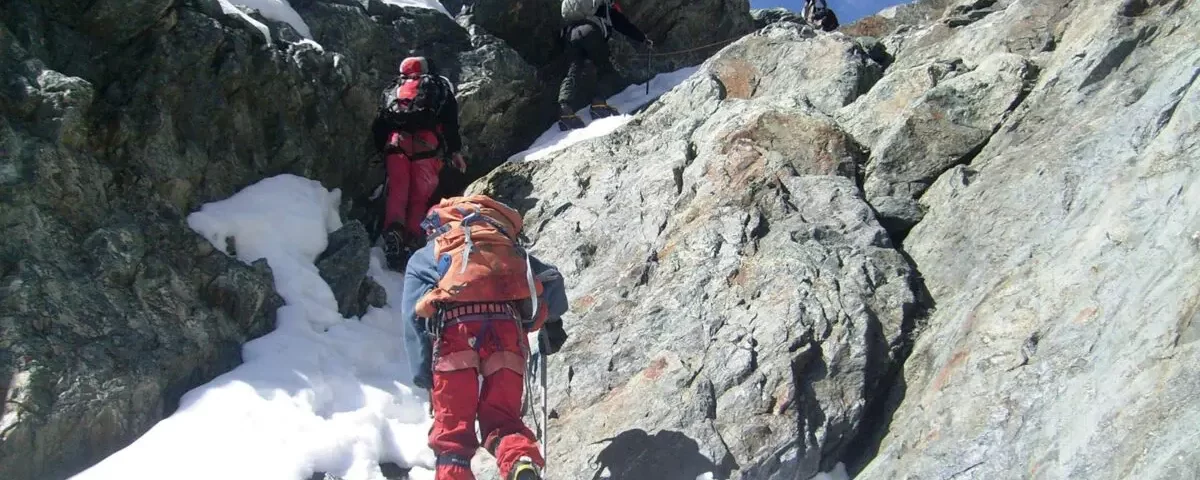
Things to Do in Rwenzori Mountain National Park
Things to do in Rwenzori Mountain National Park: often celebrated as the “Mountains of the Moon,” offers a spectacular range of experiences for travelers seeking adventure, tranquility, and cultural immersion. Visitors can explore winding trails, dense tropical forests, glacial peaks, and cascading waterfalls, creating an unparalleled natural tapestry. The park presents diverse activities including guided trekking, nature walks, bird watching, and wildlife encounters, making it a destination that suits both thrill-seekers and leisure explorers.
Each trail offers unique experiences; some paths lead to high-altitude glaciers while others allow intimate interaction with endemic flora and fauna. For photography enthusiasts, Rwenzori provides breathtaking landscapes framed by misty mountains, valleys, and rare orchids. Cultural encounters with the Bakonzo communities add a profound layer of depth to the journey, offering insights into local traditions, folklore, and lifestyles. Adventure lovers often combine mountaineering with wildlife observation, crafting personalized itineraries that highlight the park’s remarkable biodiversity. Whether visitors pursue intense physical challenges or peaceful contemplation, Rwenzori Mountain National Park promises experiences that leave lasting memories, making every visit rewarding and transformative.
About Rwenzori Mountain National Park
Rwenzori Mountain National Park, a UNESCO World Heritage Site, spans approximately 996 square kilometers of breathtaking landscapes in western Uganda. The park is renowned for its dramatic peaks, glacial formations, and the world’s third-highest mountain, Mount Stanley, reaching 5,109 meters above sea level. This region forms part of the Albertine Rift, which is globally recognized for its rich biodiversity. Dense bamboo forests, alpine meadows, and afro-montane vegetation dominate the lower and mid-altitude zones, supporting rare plant species and endemic wildlife.
Rwenzori is home to more than 200 bird species, numerous primates including chimpanzees and monkeys, and a variety of small mammals, providing endless opportunities for wildlife enthusiasts. Its climatic conditions range from temperate to alpine, creating distinct ecological zones that foster unique flora and fauna. The park also has deep cultural significance for the Bakonzo people, whose traditions and heritage are intertwined with the mountains. Rwenzori’s accessibility, diverse adventure activities, and ecological richness make it a must-visit destination for global travelers seeking authentic African mountain experiences.
Mountaineering and Trekking
Mountaineering in Rwenzori Mountain National Park offers unparalleled challenges and rewards for both professional climbers and passionate hikers. Trails vary in difficulty, from moderate ascents suitable for experienced trekkers to demanding climbs that require technical expertise. The iconic trek to Margherita Peak on Mount Stanley is a pinnacle achievement, drawing adventurers worldwide. Climbers navigate snowfields, rocky ridges, and high-altitude glaciers, often witnessing spectacular views that stretch across Uganda, the Democratic Republic of Congo, and Rwanda.
Trekking guides with local knowledge ensure safe passage through unpredictable weather, steep terrains, and dense forests. Multi-day expeditions allow visitors to camp at scenic points, experiencing sunrise and sunset over snow-capped peaks while absorbing the serenity of untouched nature. Beyond physical exertion, mountaineering fosters a deep connection with the natural environment, revealing unique alpine plants, glacial streams, and endemic wildlife. The combination of rigorous adventure, mesmerizing scenery, and cultural insights ensures that every mountaineering experience in Rwenzori remains unforgettable and deeply rewarding.
Nature Walks and Hiking
Rwenzori Mountain National Park is also ideal for less strenuous nature walks and day hikes, offering opportunities to explore its captivating landscapes at a relaxed pace. Trails meander through lush montane forests, cascading waterfalls, and vibrant alpine meadows, revealing a symphony of natural beauty. Hikers encounter endemic plant species, moss-laden trees, and brightly colored orchids that flourish in the misty climate. Guided nature walks emphasize ecological education, helping visitors understand the park’s unique biodiversity and conservation efforts.
These walks provide immersive experiences for photographers, bird watchers, and families seeking scenic yet accessible adventures. Gentle trails often follow riverbanks, leading to small waterfalls and natural pools where visitors can pause to enjoy the serene surroundings. Seasonal variations add dynamic scenery, with blooming flowers and fresh greenery in the wet season and crisp air in the dry months. Nature walks in Rwenzori offer a perfect blend of relaxation, exploration, and discovery, making them suitable for travelers of all ages and fitness levels.
Bird Watching in Rwenzori Mountain National Park
Bird watching in Rwenzori Mountain National Park is a highlight for ornithologists and wildlife enthusiasts seeking rare species and vibrant birdlife. The park hosts over 200 bird species, including endemic and migratory birds that create a spectacle of colors and songs. Trails often pass through bamboo forests, montane woodlands, and alpine zones, each offering unique birding opportunities. Observers may spot the Rwenzori Turaco, African Emerald Cuckoo, and the Yellow-eyed Black Flycatcher, among others.
Early morning excursions enhance sightings, as many species are more active during dawn. Bird watching combines tranquility with adventure, encouraging visitors to move quietly along trails while absorbing the natural sounds of the forest. Knowledgeable guides provide insights into bird behavior, habitats, and conservation status, enriching the experience. The park’s rich ecosystem ensures that each trip delivers new discoveries, making bird watching in Rwenzori a must for nature enthusiasts and a vital activity for promoting awareness of Uganda’s extraordinary avian diversity.
Cultural Encounters
Cultural encounters in Rwenzori Mountain National Park offer travelers a unique opportunity to engage with the Bakonzo community, whose traditions are inseparably linked to the mountains. Visitors learn about local folklore, traditional farming practices, and community rituals that have been preserved for generations. The Bakonzo share stories that illuminate the spiritual significance of the Rwenzori peaks, reinforcing the mountains’ status as sacred landscapes. Tourists can participate in traditional ceremonies, taste local cuisine, and explore handcrafted artifacts, fostering meaningful connections with the local culture.
These experiences enhance understanding of the people’s resilience, creativity, and harmonious coexistence with nature. Cultural excursions also support community tourism initiatives, contributing to sustainable economic development and environmental preservation. By integrating cultural immersion with natural exploration, travelers gain a holistic experience that celebrates both Uganda’s heritage and its ecological treasures, deepening appreciation for the country’s diverse landscapes and rich human history.
Wildlife Viewing
Rwenzori Mountain National Park provides diverse wildlife viewing opportunities, with habitats ranging from dense forests to alpine meadows. Visitors may encounter primates such as chimpanzees, blue monkeys, and baboons, alongside smaller mammals including duikers and forest elephants. The park’s remote, undisturbed terrain allows wildlife to thrive, offering authentic encounters for photographers and nature lovers.
Wildlife observation can take place during guided treks or leisurely hikes, creating flexible experiences suitable for all levels of adventurers. Seasonal variations affect visibility and behavior, with certain species more active during the wet months. Expert guides offer detailed knowledge about animal habits, feeding patterns, and conservation priorities, ensuring safe and educational interactions. By observing wildlife in its natural habitat, visitors gain insights into Uganda’s biodiversity, the importance of ecosystem balance, and the conservation challenges that protect these iconic species for future generations.
Where to Stay in Rwenzori Mountain National Park
Accommodation options in Rwenzori Mountain National Park cater to a wide spectrum of preferences, ranging from luxury lodges to rustic campsites. Eco-lodges provide comfort while maintaining environmental sustainability, offering amenities such as hot showers, local cuisine, and panoramic mountain views. For adventurous travelers, camping within designated park areas allows close proximity to nature, with tents positioned near rivers, waterfalls, or scenic trails.
Many lodges offer guided tours, cultural activities, and transportation support, enhancing convenience and enriching the overall experience. Selecting accommodations strategically ensures easy access to trekking trails, wildlife hotspots, and bird-watching locations. Whether travelers prioritize comfort, adventure, or immersion, Rwenzori’s diverse lodging options accommodate different needs while promoting sustainable tourism. Staying within or near the park allows early starts for sunrise hikes, evening wildlife observation, and optimal engagement with the park’s diverse activities, creating a seamless and memorable safari experience.
The Best Time to Visit Rwenzori Mountain National Park
The optimal time to visit Rwenzori Mountain National Park balances favorable weather with wildlife and trekking conditions. Dry seasons from June to September and December to February are ideal for mountaineering, hiking, and nature walks, as trails are less slippery and visibility is high. Rainfall during the wet seasons enhances the park’s lush landscapes, blooming flora, and active waterfalls, creating vibrant scenery for photography.
Birding is particularly rewarding during migratory periods, as species from Europe and Asia arrive. Visitors should consider altitude, as higher trails can experience sudden weather changes even during dry months. Proper preparation, including layered clothing and guidance from experienced guides, ensures safe and enjoyable exploration. Planning visits during these peak periods maximizes opportunities to witness the park’s dramatic peaks, rich biodiversity, and cultural experiences while enjoying favorable conditions for both adventure and relaxation.
Getting to Rwenzori Mountain National Park
Accessing Rwenzori Mountain National Park is straightforward yet scenic, offering travelers an immersive introduction to western Uganda. The park lies near the towns of Kasese and Fort Portal, accessible via well-maintained roads from Kampala or Entebbe International Airport. Travelers can choose private vehicles, organized tours, or public transport for the approximately 6-8 hour drive from Kampala.
The journey passes rolling hills, tea plantations, and lush farmland, setting the stage for the park’s dramatic landscapes. Local tour operators provide logistical support, including guide services, accommodation arrangements, and park entry permits. For international visitors, the most convenient route often combines air travel to Kasese Airport with ground transfers to the park entrance. This seamless access ensures that visitors spend more time immersed in the park’s natural beauty, maximizing opportunities for trekking, wildlife viewing, and cultural engagement while minimizing travel stress.
Why Book with Giant Holiday Safaris Your Trip to Rwenzori Mountain National Park
Booking with Giant Holiday Safaris ensures a seamless, professional, and enriching experience at Rwenzori Mountain National Park. With years of expertise in Uganda’s tourism industry, the company offers customized itineraries, expert guides, and personalized services tailored to global travelers. Safety, comfort, and authenticity are prioritized, combining logistical excellence with local knowledge. We also promote sustainable tourism practices, supporting conservation initiatives and local communities. Travelers benefit from pre-arranged accommodations, permits, and transportation, allowing focus on adventure, wildlife, and cultural exploration.