Bwindi gorilla trekking wildlife photography Safari
May 12, 2026
Fly-in Safaris in Kenya
May 12, 2026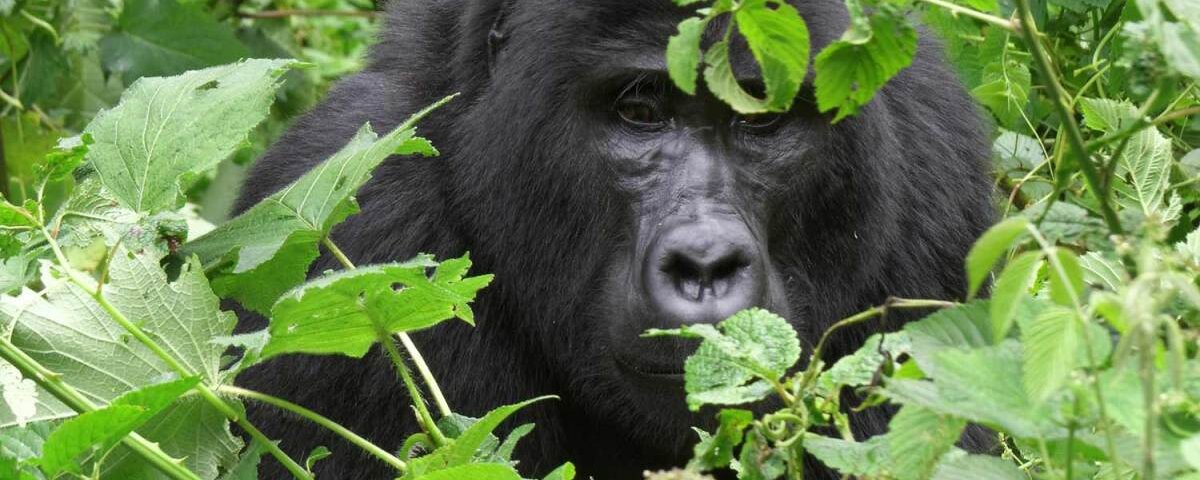
Trekking Bwindi Gorilla Families
Trekking Bwindi gorilla families offers one of the most powerful wildlife experiences in Africa. This journey takes travelers deep into the heart of Uganda’s Bwindi Impenetrable Forest, where mountain gorillas live freely in their natural habitat. Every step inside this ancient rainforest brings excitement, discovery, and a strong connection with nature. As visitors track gorilla families, they witness rare behaviors, family bonds, and survival patterns that exist nowhere else in the world.
Bwindi stands as a global treasure for primate tourism, and it attracts travelers who seek real adventure and meaningful wildlife encounters. Unlike typical safari experiences, gorilla trekking demands patience, physical effort, and respect for nature. However, the reward becomes unforgettable once travelers meet a gorilla family face to face. This experience not only builds memories but also supports conservation efforts that protect endangered mountain gorillas for future generations.
Experience Uganda safaris
18 Days Best Uganda Adventure Safaris
14-Days Uganda Gorillas & Wildlife Tour
12 Days Gorillas, Chimps & Wildlife Safari
10 days Uganda primates & wildlife safari
10 Days Uganda Gorillas and Game Safari
7 Days Gorillas & Wildlife Safari
6 Days Gorillas and Chimps Trek Safari
3 Day Bwindi Gorilla Trekking Safari
4 Days Gorilla Trekking & Boat Cruise
Why Bwindi Impenetrable Forest Stands Out for Gorilla Trekking
Bwindi Impenetrable Forest stands out as one of the most biologically diverse rainforests in Africa. It holds nearly half of the world’s remaining mountain gorilla population, making it a top destination for gorilla trekking adventures. Travelers choose Bwindi because it offers multiple habituated gorilla families spread across different sectors of the forest. Each family lives in a unique territory, which gives trekkers varied and rich experiences.
The forest itself adds to the adventure. Thick vegetation, rolling hills, and misty valleys create a dramatic landscape that challenges and excites every visitor. As trekkers move through the forest, they experience a raw and untouched environment filled with birds, butterflies, and other primates. This natural setting enhances the thrill of finding gorilla families in their hidden habitats.
Bwindi also benefits from strong conservation programs that protect both wildlife and local communities. These efforts ensure that gorilla trekking remains sustainable and responsible. As a result, visitors enjoy a well managed experience that balances tourism growth with environmental protection. This combination of biodiversity, conservation, and adventure makes Bwindi one of the most respected gorilla trekking destinations in the world.
Understanding Bwindi Gorilla Families and Their Behavior
Bwindi gorilla families form the core of every trekking experience in the forest. Each family consists of a dominant silverback, several adult females, juveniles, and infants. The silverback leads and protects the group, making decisions about movement, feeding, and safety. Understanding these families helps travelers appreciate the complexity of gorilla social life.
Each gorilla family in Bwindi has a unique identity. Some families stay deep in the forest while others move closer to designated trekking routes. This variation creates different levels of trekking difficulty and different viewing experiences. Travelers may spend a few hours hiking before locating a family, while others may find them after a shorter walk depending on their location.
Gorillas in Bwindi show behaviors that reflect strong family bonds. They groom each other, play, rest, and communicate through sounds and gestures. Juveniles often display playful behavior that entertains trekkers, while the silverback maintains a calm but powerful presence. Observing these interactions allows visitors to understand how closely gorillas relate to humans in behavior and emotion.
Bwindi gorilla families also undergo habituation, a process that allows them to get used to human presence without losing their wild nature. This process ensures safe and respectful encounters, which benefit both tourists and conservation efforts. Understanding these families adds depth and meaning to every trekking experience in Bwindi.
Best Sectors for Trekking Bwindi Gorilla Families
Bwindi Impenetrable Forest divides into four main trekking sectors: Buhoma, Ruhija, Rushaga, and Nkuringo. Each sector hosts different gorilla families and offers a unique trekking experience. Choosing the right sector helps travelers match their physical ability, travel plans, and wildlife expectations.
Buhoma stands as the most popular sector because it offers easier trails and a higher chance of shorter treks. Many travelers prefer this area due to its accessibility and well established tourism infrastructure. Ruhija, on the other hand, offers higher altitude trekking and more challenging routes. However, it rewards trekkers with stunning views and fewer crowds.
Rushaga holds the highest number of habituated gorilla families, which increases trekking opportunities. This sector suits travelers who want flexibility and a higher chance of gorilla sightings. Nkuringo offers one of the most challenging hikes but delivers breathtaking scenery and a more exclusive experience.
Each sector provides a different perspective on trekking Bwindi gorilla families. Therefore, travelers can choose based on fitness level, time availability, and personal adventure goals. This variety strengthens Bwindi’s position as a leading gorilla trekking destination in Africa.
What to Expect During a Bwindi Gorilla Trekking Experience
A typical gorilla trekking experience in Bwindi begins early in the morning at the park headquarters. Travelers receive a briefing from park rangers who explain safety rules, trekking guidelines, and group assignments. After the briefing, small groups head into the forest with experienced guides and trackers.
The trek can last anywhere from one hour to several hours depending on the location of the gorilla family. The journey includes walking through thick vegetation, uneven terrain, and steep slopes. Although the hike feels demanding, the excitement builds as trackers move closer to the gorillas.
Once trekkers locate a gorilla family, they spend a limited time observing them. This moment becomes the highlight of the entire experience. Travelers watch gorillas feed, interact, and rest in their natural environment. The guides ensure that visitors maintain a safe distance while still enjoying clear views and photography opportunities.
After the encounter, trekkers return to the starting point while reflecting on the experience. Many describe this moment as life changing due to the emotional connection formed with the gorillas. Trekking Bwindi gorilla families delivers not just adventure but also a deep appreciation for wildlife conservation and natural beauty.
Best Time to Trek Bwindi Gorilla Families
Bwindi offers gorilla trekking opportunities throughout the year, but certain seasons provide better conditions for travelers. The dry seasons from June to September and December to February offer the most favorable trekking conditions. During these months, forest trails remain less muddy and easier to navigate, which improves the overall trekking experience.
However, the wet seasons also provide unique advantages. From March to May and October to November, the forest becomes greener and more vibrant. Although trekking becomes more challenging due to rain and slippery paths, the scenery becomes more dramatic and lush. Fewer tourists also visit during this period, which creates a more private and intimate experience with gorilla families.
Weather in Bwindi can change quickly, so travelers should prepare for both sun and rain at any time of the year. Proper gear, including waterproof clothing and strong hiking boots, improves comfort and safety during the trek.
Choosing the best time depends on personal preference, but Bwindi gorilla families remain accessible all year round. This consistency makes Bwindi a reliable destination for global travelers planning gorilla trekking adventures in Uganda.
Conservation, Community Impact, and Responsible Tourism in Bwindi
Trekking Bwindi gorilla families directly supports conservation and local communities. A portion of trekking permit fees funds wildlife protection, anti poaching efforts, and habitat conservation programs. These efforts ensure that mountain gorillas continue to survive and thrive in their natural environment.
Local communities also benefit from gorilla tourism. Many residents work as guides, porters, and hospitality providers. Others participate in cultural experiences that allow visitors to learn about traditional lifestyles. This connection between tourism and community development creates long term benefits for the region.
Responsible tourism plays a major role in protecting Bwindi. Visitors must follow strict guidelines such as maintaining distance from gorillas, avoiding littering, and respecting park rules. These practices reduce stress on wildlife and preserve the forest ecosystem.
Bwindi stands as a global example of how tourism can support conservation when managed properly. By trekking Bwindi gorilla families, travelers actively contribute to protecting one of the world’s most endangered species while supporting sustainable livelihoods for local communities.
Conclusion: The Lasting Value of Trekking Bwindi Gorilla Families
Trekking Bwindi gorilla families remains one of the most meaningful wildlife experiences in Africa. It combines adventure, education, and conservation into a single journey that leaves a lasting impact on every traveler. Bwindi Impenetrable Forest continues to offer unmatched opportunities to observe mountain gorillas in their natural habitat while supporting efforts that protect them for future generations.
From understanding gorilla behavior to exploring different trekking sectors, every part of the experience adds value and depth. Travelers gain more than memories; they gain awareness of conservation and appreciation for Africa’s natural heritage. Bwindi also continues to grow as a trusted destination for global tourism, attracting visitors who seek authentic and responsible wildlife experiences.
In the end, trekking Bwindi gorilla families creates a powerful connection between humans and nature. It inspires respect for wildlife, supports conservation, and strengthens Uganda’s position as a leading destination in African tourism.