Where to See Lions in Kenya
April 24, 2026
Uganda gorilla trekking adventure safari
April 24, 2026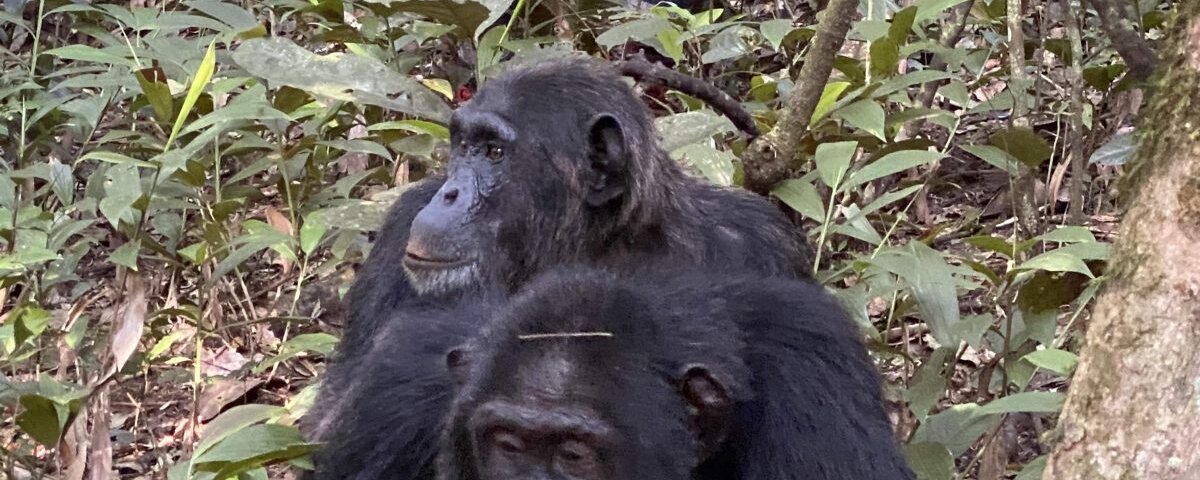
Uganda Gorilla Trekking and Chimpanzee Combo
Uganda gorilla trekking and chimpanzee combo: Uganda offers one of the most exciting wildlife adventures in Africa. A Uganda gorilla trekking and chimpanzee combo gives travelers the rare chance to meet two of the world’s most fascinating primates in one unforgettable safari. This journey combines the magical experience of tracking mountain gorillas in dense forests with the thrilling adventure of following chimpanzees through tropical jungles.
Unlike many safari holidays that focus only on game drives, this primate safari brings visitors closer to nature in a very personal way. You walk through ancient forests, listen to birds calling from the canopy, and watch primates in their natural home. Every step creates a stronger connection with Uganda’s rich biodiversity.
Bwindi Impenetrable National Park and Mgahinga Gorilla National Park offer the best gorilla trekking experiences, while Kibale Forest National Park leads as the top chimpanzee trekking destination. In addition, places like Budongo Forest and Kyambura Gorge also provide excellent chimpanzee tracking opportunities.
This safari works perfectly for travelers who want more than a standard wildlife holiday. It blends adventure, conservation, culture, and unforgettable moments into one complete experience. Whether you are planning your first African safari or returning for another adventure, this combination creates lasting memories.
At Giant Holiday Safaris, we design carefully planned gorilla and chimpanzee tours that match your travel goals, comfort level, and budget. Our expert guides, reliable transport, and deep destination knowledge ensure every traveler enjoys a smooth and rewarding journey across Uganda.
Why Choose a Uganda Gorilla Trekking and Chimpanzee Combo
A Uganda gorilla trekking and chimpanzee combo offers exceptional value because it allows travelers to enjoy two world-class wildlife experiences in one safari. Instead of booking separate trips, visitors maximize time and budget while exploring Uganda’s most beautiful rainforests and national parks.
Mountain gorillas and chimpanzees are very different, which makes the experience even more rewarding. Gorilla trekking feels calm, powerful, and emotional. You quietly observe a gorilla family as they feed, rest, and interact. Chimpanzee trekking feels faster and more energetic because chimpanzees move quickly, communicate loudly, and swing through the trees with impressive speed.
This combination also creates a more complete understanding of Uganda’s ecosystems. Travelers experience high-altitude misty forests in Bwindi and lush tropical rainforests in Kibale. Along the way, they may also spot monkeys, forest elephants, birds, butterflies, and unique plant species.
In addition, this safari supports conservation and local communities. Gorilla permits and chimpanzee tracking fees help protect endangered species and improve livelihoods around protected areas. Your visit directly contributes to wildlife protection and sustainable tourism.
For travelers seeking adventure, education, and meaningful travel, this combo safari delivers far more than a holiday. It becomes a life-changing encounter with nature.
Best Places for Gorilla Trekking in Uganda
Uganda has two gorilla trekking destinations, and both offer incredible experiences. Bwindi Impenetrable National Park stands as the most famous and most visited gorilla trekking location. It is home to almost half of the world’s remaining mountain gorillas, making it one of Africa’s greatest conservation treasures.
Bwindi lies in southwestern Uganda and features thick forests, steep hills, and rich biodiversity. The park has several trekking sectors including Buhoma, Ruhija, Rushaga, and Nkuringo. Each sector has habituated gorilla families available for trekking. Visitors can choose the sector based on lodge preference, accessibility, and permit availability.
Mgahinga Gorilla National Park is smaller but equally rewarding. It offers a quieter trekking experience and beautiful volcanic scenery. Located near the Virunga Mountains, the park is ideal for travelers who want fewer crowds and scenic landscapes. It is also the only place in Uganda where visitors can track golden monkeys.
Both parks require a valid gorilla trekking permit, and trekkers must follow strict conservation rules. The trek may take a few hours depending on where the gorillas are located. However, the one hour spent with a gorilla family makes every step worthwhile.
Choosing the right park depends on your travel style, budget, and safari route. Giant Holiday Safaris helps travelers select the best location for their perfect gorilla trekking experience.
Best Places for Chimpanzee Trekking in Uganda
Chimpanzee trekking in Uganda offers a completely different but equally exciting adventure. Kibale Forest National Park remains the top destination for this activity because it has the highest concentration of chimpanzees in East Africa. The forest is rich, green, and alive with wildlife sounds, creating the perfect setting for primate encounters.
Kibale lies in western Uganda near Fort Portal and hosts over 1,500 chimpanzees. Morning and afternoon trekking sessions allow visitors to explore the forest with experienced ranger guides. Since chimpanzees move quickly, the trek often feels energetic and adventurous. Their loud calls, playful behavior, and social interactions create a truly memorable experience.
Budongo Forest in Murchison Falls National Park also offers excellent chimpanzee tracking. This destination works well for travelers combining primates with classic savannah safaris. It adds variety to the itinerary and gives visitors a chance to see both forests and open grasslands.
Kyambura Gorge in Queen Elizabeth National Park offers another unique chimpanzee trekking experience. This dramatic forested gorge cuts through the savannah, creating a hidden jungle environment. Although sightings can be less predictable, the scenery is spectacular.
Each destination offers something special. Kibale is best for the highest success rate, while Budongo and Kyambura work well for travelers adding chimpanzees to broader safari routes.
Gorilla and Chimpanzee Trekking Permits in Uganda
Permits are the most important part of planning a Uganda gorilla trekking and chimpanzee combo safari. Without a permit, trekking is not allowed. Since permits are limited and highly demanded, early booking is very important, especially during peak travel seasons.
A gorilla trekking permit allows one person to spend one hour with a habituated gorilla family inside the forest. Uganda Wildlife Authority manages these permits, and the number available each day depends on the number of gorilla families open for tourism. Because demand is high, booking several months in advance gives the best chance of securing preferred trekking dates.
Chimpanzee trekking permits are more flexible and generally easier to obtain. Kibale Forest offers both standard chimpanzee trekking and chimpanzee habituation experiences. The habituation option allows visitors to spend more time with the chimpanzees and learn more about their behavior.
Permit costs support conservation, anti-poaching efforts, ranger services, and community development around the parks. This means every traveler directly contributes to wildlife protection.
Working with a trusted safari company like Giant Holiday Safaris makes the process simple. We secure permits, match them with your travel dates, and build a smooth safari itinerary around them so you can focus on enjoying the adventure.
Best Time for Uganda Gorilla Trekking and Chimpanzee Combo
Uganda welcomes travelers all year, but some seasons offer better trekking conditions than others. The dry seasons from June to September and December to February are the most popular times for gorilla trekking and chimpanzee tracking. During these months, forest trails are less slippery, and hiking becomes easier.
Dry seasons also provide better road conditions, especially in remote areas like Bwindi and Kibale. This makes transfers smoother and improves overall comfort during the safari. Since these months attract many visitors, permits and lodges sell out quickly, so early planning becomes essential.
The rainy seasons from March to May and October to November also have advantages. The forests become greener, landscapes look fresh, and there are fewer tourists. Some lodges also offer lower rates during this time, making it a good option for budget travelers.
Rain can make trekking more challenging, but many travelers still enjoy the adventure because gorilla and chimpanzee sightings remain excellent throughout the year. In fact, gorillas often stay closer to lower slopes when food is abundant.
The best travel time depends on your priorities. If you want easier hiking and peak safari conditions, choose the dry season. If you prefer fewer crowds and lower prices, the green season works very well.
Sample Itinerary for Gorilla Trekking and Chimpanzee Combo
A well-planned itinerary helps travelers enjoy both experiences without feeling rushed. A common safari lasts 5 to 7 days, depending on transport choice, park selection, and additional activities.
Day one usually starts with arrival in Entebbe or Kampala, followed by a transfer to western Uganda. Travelers heading to Kibale may stop near Fort Portal for overnight relaxation. This scenic route passes tea plantations, crater lakes, and local villages.
Day two focuses on chimpanzee trekking in Kibale Forest. After the trek, visitors often enjoy a Bigodi Wetland walk for birdwatching and community tourism experiences.
Day three involves transfer to Bwindi Impenetrable National Park. The journey passes through beautiful countryside and sometimes Queen Elizabeth National Park, where travelers may spot elephants or antelopes along the way.
Day four becomes the highlight of the safari with gorilla trekking. After an early briefing, visitors enter the forest to track a gorilla family. The afternoon often includes relaxation or a cultural village visit.
Day five may include departure or optional activities such as Batwa cultural encounters, nature walks, or golden monkey tracking in Mgahinga.
This flexible itinerary can be upgraded with luxury lodges, domestic flights, or extended wildlife safaris.
What to Pack for Gorilla and Chimpanzee Trekking
Packing correctly makes your safari more comfortable and enjoyable. Gorilla and chimpanzee trekking takes place in tropical forests where conditions can change quickly, so practical clothing and gear matter a lot.
Start with strong hiking boots that provide good grip on muddy and uneven trails. Forest paths can become slippery, especially during the rainy season. Long trousers and long-sleeved shirts help protect against insects, thorny plants, and stinging nettles.
A lightweight waterproof jacket is very important because rain can fall unexpectedly even during the dry season. Garden gloves also help when holding branches or climbing steep paths. Many experienced trekkers find them very useful.
Carry a small backpack with drinking water, snacks, sunscreen, insect repellent, and personal medication. A camera is essential, but remember flash photography is not allowed near gorillas and chimpanzees.
Neutral-colored clothing works best because bright colors may disturb wildlife. Avoid heavy luggage and focus on comfort, mobility, and protection.
Hiring a porter during gorilla trekking is also a smart idea. Porters help carry bags and support hikers on difficult trails while creating income for local communities. Small details like these improve both your experience and conservation impact.
Conservation and Community Impact of Primate Tourism
A Uganda gorilla trekking and chimpanzee combo does more than create unforgettable memories. It also plays a major role in conservation and community development. Tourism gives endangered primates a stronger chance of survival by creating direct economic value around wildlife protection.
Gorilla permits generate significant funding for park management, ranger patrols, veterinary care, and anti-poaching operations. Without this support, protecting mountain gorillas would become much harder. The same applies to chimpanzee habitats, where tourism helps preserve forests from illegal logging and land destruction.
Local communities also benefit through employment, cultural tourism, handicraft sales, and lodge operations. Many former poachers now work as guides, porters, or conservation ambassadors because tourism offers better long-term opportunities.
Cultural visits such as Batwa experiences near Bwindi allow travelers to understand the human stories connected to conservation. These encounters create respect for both wildlife and local traditions.
Responsible tourism means travelers become part of the solution. By choosing ethical safari companies, respecting park rules, and supporting community-based tourism, visitors help protect Uganda’s natural heritage for future generations.
At Giant Holiday Safaris, we believe every safari should create positive impact. Conservation and community empowerment remain at the center of every journey we plan.