Uganda gorilla trekking itineraries
April 23, 2026
Cheap Uganda gorilla trekking tours
April 23, 2026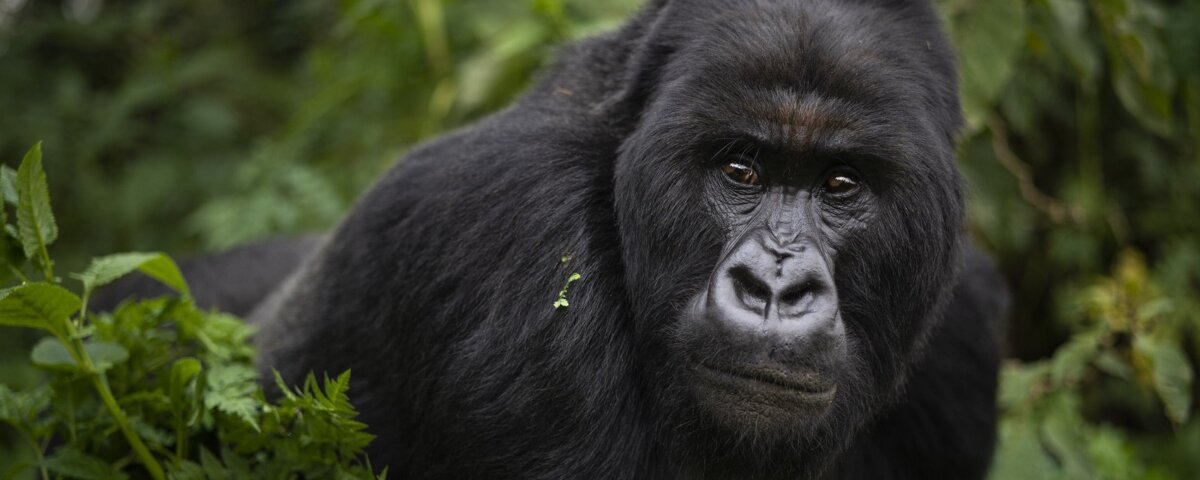
Uganda Gorilla Trekking Cost Breakdown
Uganda gorilla trekking cost breakdown: Uganda stands out as one of the best destinations in the world for gorilla trekking. The country offers raw beauty, rich biodiversity, and a rare chance to meet mountain gorillas in their natural home. Travelers from across the globe choose Uganda not only for the experience but also for its strong value compared to other destinations. However, understanding the full cost of a gorilla trekking safari can feel overwhelming without a clear breakdown.
This guide explains every key cost involved in a Uganda gorilla trekking experience. It helps travelers plan with confidence, avoid hidden expenses, and make smart decisions. Whether planning a luxury safari or a budget-friendly adventure, knowing where the money goes allows better control of the entire journey.
Uganda delivers more than just a trek. It offers a complete safari experience that blends wildlife, culture, and scenic landscapes. From permits and transport to accommodation and park fees, each component plays a role in shaping the final cost. Therefore, this guide breaks everything down in a simple and clear way, using practical insights that support both first-time visitors and seasoned travelers.
With the right information, planning becomes easier. Costs become predictable. And most importantly, the experience becomes more rewarding and stress-free.
Uganda gorilla trekking cost breakdown: Gorilla Trekking Permit Costs in Uganda
The gorilla trekking permit remains the most important and unavoidable cost when planning a safari in Uganda. Every traveler must secure a valid permit to access the gorillas, and this permit allows one hour of interaction with a habituated gorilla family.
Currently, Uganda offers one of the most competitive permit prices in Africa. The standard cost stands at $800 per person for foreign non-residents. Foreign residents pay $700, while East African citizens enjoy a subsidized rate. This pricing structure makes Uganda more accessible compared to neighboring countries, while still maintaining conservation standards.
The permit fee covers several essential services. It includes ranger guides, park entry for the trekking day, and conservation support. It also funds anti-poaching efforts and community development around protected areas. As a result, every permit contributes directly to preserving mountain gorillas and their habitat.
Booking permits early plays a critical role in cost management. Gorilla permits often sell out months in advance, especially during peak seasons. Therefore, securing permits early helps avoid last-minute price changes or limited availability.
Additionally, Uganda offers a premium experience called the gorilla habituation experience, which costs $1,500 per person. This option allows four hours with the gorillas instead of one, offering deeper insight into their behavior. While more expensive, it delivers unmatched value for travelers seeking a more immersive encounter.
Uganda gorilla trekking cost breakdown: Transportation Costs for Gorilla Trekking Safaris
Transportation forms a major part of the overall gorilla trekking cost. Travelers must reach remote national parks located in southwestern Uganda, and this journey requires careful planning.
Road transport remains the most common and cost-effective option. A round trip from Kampala or Entebbe to Bwindi Impenetrable National Park or Mgahinga Gorilla National Park costs between $300 and $800, depending on the vehicle type and group size. A private safari vehicle increases comfort but also raises the cost. On the other hand, shared transport reduces expenses significantly.
Fuel costs also affect the final price. Since the journey covers long distances, fuel becomes a key factor in the safari budget. Professional drivers with safari experience ensure safety and smooth travel, which adds value to the cost.
For travelers seeking speed and convenience, domestic flights offer a faster alternative. Flights from Entebbe to nearby airstrips such as Kisoro or Kihihi range from $300 to $600 per person one way. Although more expensive, flights save time and reduce travel fatigue.
Airport transfers, local transport within the park, and guide services also contribute to transportation costs. Therefore, choosing the right transport option depends on budget, time, and comfort preferences.
Uganda gorilla trekking cost breakdown: Accommodation Costs Near Gorilla Trekking Parks
Accommodation plays a crucial role in shaping both the experience and the cost of a gorilla trekking safari. Uganda offers a wide range of options, from budget lodges to high-end luxury camps, all located near the trekking sectors.
Budget accommodations cost between $50 and $120 per night. These lodges provide basic amenities, clean rooms, and simple meals. They suit travelers who want to focus on the trekking experience while keeping costs low.
Mid-range lodges range from $150 to $300 per night. These properties offer improved comfort, better food, and scenic views. Many mid-range options strike a perfect balance between affordability and quality.
Luxury lodges, on the other hand, range from $400 to over $1,500 per night. These lodges provide top-tier services, including fine dining, private cottages, and personalized experiences. They often sit in prime locations with breathtaking views of the forest.
Location also affects cost. Lodges closer to trekking starting points reduce early morning travel time and improve convenience. However, these prime locations often come at a higher price.
Booking accommodation early ensures better rates and availability. It also allows travelers to match their lodge location with their assigned gorilla trekking sector, which minimizes logistical challenges.
Park Entry Fees and Ranger Guide Costs
While the gorilla permit covers the main trekking experience, additional park-related costs may apply depending on the itinerary. These costs support conservation and enhance the overall safari experience.
In most cases, the gorilla permit includes park entry fees for the trekking day. However, travelers who plan extra activities inside the park may need to pay additional entry fees. These activities include nature walks, bird watching, and community visits.
Ranger guides play a key role in the trekking experience. They ensure safety, provide information, and help track gorilla families. The cost of ranger guides comes included in the permit, which adds value without extra charges.
However, hiring additional guides or porters requires separate payment. Porters usually charge between $15 and $25 per trek. They assist with carrying bags and provide support during steep climbs. Hiring a porter not only eases the trek but also supports local communities.
Tipping also forms part of the cost. While not mandatory, tipping guides and staff shows appreciation for their effort and service. A reasonable tip ranges from $10 to $20 per person.
Uganda gorilla trekking cost breakdown: Food and Drinks Expenses During the Safari
Food and drinks contribute to daily safari expenses, and costs vary depending on accommodation type and travel style. Many lodges offer full-board packages, which include breakfast, lunch, and dinner. This setup simplifies budgeting and reduces unexpected costs.
Budget lodges often include basic meals in their rates, while mid-range and luxury lodges provide more diverse menus. Meals in standalone restaurants or local eateries cost between $5 and $20, depending on location and quality.
Drinks such as bottled water, soft drinks, and alcoholic beverages usually come at an extra cost. Bottled water remains essential during trekking, and travelers should budget at least $2 to $5 per day for hydration.
Special dietary needs may also influence food costs. Some lodges cater to specific diets, but others may charge extra for customized meals. Therefore, informing the lodge in advance helps manage expectations and avoid additional charges.
Packing snacks for the trek also adds convenience. Energy bars, fruits, and light snacks support endurance during the hike, especially since trekking duration varies.
Visa, Travel Insurance, and Vaccination Costs
Travel preparation involves several additional costs that many travelers overlook. Visa fees, travel insurance, and vaccinations form essential parts of the overall budget.
Uganda charges a visa fee of $50 for most nationalities. Travelers can apply online through the e-visa system, which simplifies the process and saves time at arrival points.
Travel insurance remains highly recommended. It covers medical emergencies, trip cancellations, and unexpected events. A good policy costs between $50 and $150, depending on coverage and trip duration. Choosing a comprehensive plan ensures peace of mind throughout the journey.
Vaccinations also add to pre-travel costs. Yellow fever vaccination is mandatory for entry into Uganda, and travelers must present a valid certificate. Other recommended vaccinations include hepatitis A, typhoid, and routine immunizations. Costs vary by country but typically range from $50 to $200.
Malaria prevention also requires medication, which adds a small but necessary expense. Preparing for health requirements protects travelers and ensures a smooth safari experience.
Additional Activities and Optional Safari Costs
A gorilla trekking safari in Uganda offers more than just one activity. Many travelers choose to expand their itinerary with additional experiences, which increases the total cost but also enhances value.
Game drives in national parks such as Queen Elizabeth National Park cost between $30 and $100 per activity. These drives offer chances to see lions, elephants, and other wildlife, creating a complete safari experience.
Boat cruises, chimpanzee tracking, and cultural tours also add variety. Chimpanzee permits, for example, cost around $200 per person. Cultural visits range from $20 to $50 and provide insight into local traditions and lifestyles.
Souvenirs, photography permits, and personal shopping also contribute to expenses. Travelers should set aside a flexible budget for these extras to avoid financial surprises.
Each additional activity increases the overall cost, but it also enriches the safari. Therefore, selecting activities based on interest and budget ensures a balanced and fulfilling itinerary.
Total Estimated Cost of a Uganda Gorilla Trekking Safari
The total cost of a Uganda gorilla trekking safari depends on several factors, including travel style, duration, and chosen services. However, a clear estimate helps travelers plan effectively.
A budget safari typically ranges from $1,200 to $1,800 per person for a 3-day trip. This includes a permit, basic accommodation, shared transport, and meals.
A mid-range safari costs between $2,000 and $3,500 per person. This option includes better lodges, private transport, and additional comfort.
Luxury safaris start from $4,000 and can exceed $7,000 per person. These packages include premium lodges, flights, personalized services, and exclusive experiences.
Each cost tier offers a different level of comfort and service. However, all options deliver the core experience of meeting mountain gorillas in the wild.
Planning ahead, comparing options, and working with experienced tour operators helps optimize cost and quality. A well-structured itinerary ensures that every dollar spent adds value to the journey.