Wildlife Conservation Projects in Kenya
April 27, 2026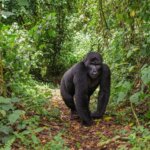
Uganda gorilla trekking travel tips
April 28, 2026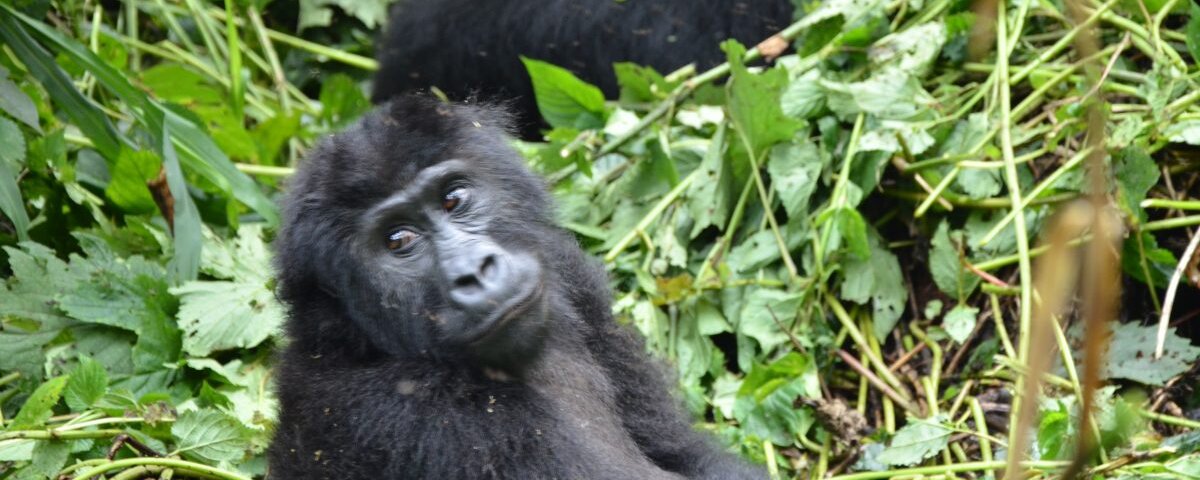
Uganda gorilla trekking forest experience
Uganda offers one of the most powerful wildlife encounters in the world, and the gorilla trekking forest experience stands at the heart of it. Travelers journey deep into ancient rainforests to meet mountain gorillas in their natural home. This experience combines adventure, nature, and conservation in a way that few destinations can match. Uganda protects over half of the world’s remaining mountain gorillas, which makes it a global leader in gorilla tourism and wildlife conservation.
As visitors step into the dense jungle, they enter a living world filled with mist, birds, and towering trees. Every trek feels unique because the forest changes daily. Sometimes trekkers walk for hours through steep terrain, while other times they find gorilla families within a short hike. This unpredictability adds excitement and authenticity to the experience.
Uganda builds its reputation on responsible tourism, and companies like Giant Holiday Safaris help travelers explore safely while supporting conservation. The gorilla trekking forest experience does more than offer wildlife viewing. It creates a deep connection between people, nature, and conservation efforts that protect these endangered primates for future generations.
Bwindi Impenetrable Forest trekking experience
Bwindi Impenetrable Forest delivers the most famous gorilla trekking forest experience in Uganda. This UNESCO World Heritage Site stretches across southwest Uganda and holds nearly half of the world’s mountain gorillas. The forest features thick vegetation, steep hills, and ancient trees that create a dramatic natural setting. Every trek here feels like entering a forgotten world where nature remains untouched and wild.
Travelers begin their journey at designated trailheads where trained guides lead small groups into the forest. These guides use their deep knowledge of gorilla behavior and forest trails to track the animals efficiently. As trekkers move deeper, they encounter fresh signs such as footprints, broken bamboo, and nests that show where gorillas spent the night.
The Bwindi experience challenges the body but rewards the spirit. Hikers may navigate muddy paths and climb steep slopes, yet every step brings them closer to a rare wildlife encounter. When visitors finally meet a gorilla family, the experience becomes unforgettable. Watching a silverback protect his group or seeing young gorillas play in trees creates powerful memories. Bwindi stands as the heart of Uganda’s gorilla trekking forest experience and offers unmatched natural beauty and emotional connection.
Mgahinga Gorilla National Park forest adventure
Mgahinga Gorilla National Park adds another dimension to Uganda’s gorilla trekking forest experience. Located in the Virunga Mountains, this park offers a smaller but equally thrilling trekking environment. It forms part of a transboundary conservation area shared with Rwanda and the Democratic Republic of Congo. The park features volcanic landscapes, bamboo forests, and mist-covered slopes that create a stunning backdrop for trekking.
Unlike Bwindi, Mgahinga hosts a single habituated gorilla family known for moving between countries. This makes every trekking day feel special and rare. The forest here feels more open in some areas, allowing trekkers to enjoy panoramic views of volcanic peaks while searching for gorillas. Guides lead visitors through bamboo zones where gorillas often feed and rest.
The experience in Mgahinga also highlights cultural encounters. Local Batwa communities share their traditional knowledge of the forest, adding depth to the journey. This combination of wildlife, scenery, and culture strengthens Uganda’s position as a top destination for authentic forest adventures. Travelers who choose Mgahinga enjoy a quieter trekking experience, yet they still receive the same powerful connection with mountain gorillas that defines Uganda’s gorilla trekking forest experience.
What a gorilla trekking journey looks like step-by-step
A gorilla trekking forest experience in Uganda follows a structured yet adventurous process. Travelers start early in the morning at park headquarters where rangers provide a briefing. This session covers safety rules, trekking groups, and expectations inside the forest. Each group usually includes a small number of visitors, which ensures a low-impact and personal experience.
After the briefing, guides lead trekkers into the forest. The journey begins on established trails before moving into dense vegetation. Rangers communicate with tracking teams who follow gorilla movements from the previous day. This coordination increases the chances of finding a gorilla family efficiently.
As trekkers move deeper, the forest becomes more challenging. Thick vines, uneven terrain, and steep slopes demand focus and endurance. However, guides support the group and adjust the pace based on fitness levels. When the group finally reaches the gorillas, everyone spends one hour observing them quietly. This time allows visitors to watch feeding behavior, social interactions, and family dynamics.
After the encounter, trekkers return to the starting point with a sense of achievement and deep appreciation for nature. The entire journey highlights why Uganda’s gorilla trekking forest experience stands out as one of the most rewarding wildlife adventures in the world.
Gorilla families and behavior in the forest
Gorilla families form the emotional core of the Uganda gorilla trekking forest experience. Each family lives under the leadership of a dominant silverback who protects and guides the group. These families vary in size, structure, and behavior, which makes every encounter unique. Some groups appear calm and relaxed, while others show playful energy, especially when young gorillas interact with each other.
Silverbacks play a powerful role in maintaining order. They monitor movement, protect members, and make decisions about feeding locations. Female gorillas care for infants with strong emotional bonds, showing tenderness and constant attention. Young gorillas often climb trees, play fight, and explore their surroundings, which creates lively scenes in the forest.
Gorillas share many behaviors with humans, which makes the experience even more meaningful for visitors. They communicate through sounds, gestures, and facial expressions. They also build nests each night using leaves and branches, which trekkers often find during tracking.
Understanding these behaviors helps visitors appreciate the complexity of gorilla life. It also reinforces the importance of conservation efforts that protect these intelligent animals. Observing gorilla families in their natural habitat adds depth and emotional value to Uganda’s gorilla trekking forest experience, making it more than just a wildlife activity.
Best time for Uganda gorilla trekking forest experience
Uganda offers gorilla trekking opportunities throughout the year, but timing can influence the quality of the forest experience. The dry seasons, which run from June to September and December to February, provide easier trekking conditions. Trails become less slippery, and visibility improves, making forest navigation more comfortable.
However, the wet seasons also offer unique advantages. Rain transforms the forest into a lush green paradise, and gorillas often stay at lower altitudes, reducing trekking distance. Fewer tourists visit during this period, which creates a more private and intimate experience.
Weather in Uganda’s rainforests changes quickly, so trekkers should prepare for both sunshine and rain on the same day. This unpredictability adds authenticity to the adventure. Regardless of the season, gorilla sightings remain consistent because trained rangers track the animals daily.
Choosing the best time depends on personal preference. Travelers who want easier hiking conditions may prefer the dry season, while those who seek fewer crowds may enjoy the wet season. Either way, Uganda guarantees a memorable gorilla trekking forest experience that delivers strong wildlife encounters year-round.
What to expect in the rainforest environment
The rainforest environment shapes every moment of the Uganda gorilla trekking forest experience. Uganda’s forests, especially Bwindi and Mgahinga, feature dense vegetation, steep hills, and thick undergrowth. These conditions create a true wilderness setting that demands preparation and resilience.
Visitors often hear birds calling, insects buzzing, and branches moving as wildlife moves through the forest. The air feels cool and humid, especially in higher altitudes. Mist often covers the canopy, adding a mystical atmosphere that enhances the trekking experience.
Trails can feel narrow and uneven, so trekkers must wear proper hiking boots and follow guide instructions carefully. Despite the physical challenges, the forest rewards visitors with incredible biodiversity. Besides gorillas, trekkers may see monkeys, butterflies, and rare plant species that thrive in this ecosystem.
The rainforest environment also teaches respect for nature. Every step highlights the importance of conservation and sustainable tourism. Uganda protects these ecosystems carefully, ensuring that future generations can enjoy the same experience. This strong natural setting defines the authenticity of Uganda’s gorilla trekking forest experience and sets it apart from any other wildlife adventure in Africa.
Packing list for gorilla trekking in Uganda
Proper preparation enhances the Uganda gorilla trekking forest experience, and packing plays a major role in comfort and safety. Travelers should focus on practical gear that supports long hikes through dense rainforest conditions.
Strong hiking boots remain essential because forest trails often become muddy and steep. Lightweight, long-sleeved clothing protects against insects and thick vegetation. Neutral colors help visitors blend into the environment and avoid disturbing wildlife. A waterproof jacket becomes important due to unpredictable rain.
Other essential items include gloves for grabbing vegetation, a hat for sun protection, and a small backpack for carrying water and snacks. Insect repellent helps protect against bites, while a walking stick supports balance on steep terrain.
Camera equipment also matters, but travelers should choose silent and non-flash settings to avoid disturbing gorillas. Finally, carrying enough drinking water ensures energy throughout the trek.
Packing correctly allows travelers to focus fully on the experience instead of discomfort. With the right gear, visitors enjoy a smoother and more rewarding Uganda gorilla trekking forest experience.
Conservation impact and responsible tourism
Uganda’s gorilla trekking forest experience plays a major role in conservation and community development. Every permit purchased directly supports the protection of mountain gorillas and their habitat. This system creates a strong link between tourism and wildlife preservation.
Local communities also benefit from tourism revenue through employment, education, and infrastructure development. Many residents work as guides, porters, and conservation staff, which strengthens their connection to wildlife protection.
Responsible tourism practices ensure minimal impact on gorilla habitats. Visitors follow strict guidelines such as maintaining distance, limiting time with gorillas, and avoiding direct contact. These rules protect both gorillas and humans from disease transmission and stress.
Uganda’s conservation model stands as one of the most successful in Africa. Gorilla populations continue to grow due to strong protection efforts and international collaboration. This success shows how tourism can support wildlife recovery when managed responsibly.
By participating in gorilla trekking, travelers contribute directly to this positive impact. The Uganda gorilla trekking forest experience therefore becomes more than a journey—it becomes a meaningful contribution to global conservation efforts.
Why Uganda stands out for gorilla trekking experiences
Uganda stands out as one of the best destinations for gorilla trekking because it combines biodiversity, accessibility, and strong conservation systems. Bwindi Impenetrable Forest and Mgahinga Gorilla National Park offer unmatched opportunities to see mountain gorillas in the wild. Few destinations in the world provide such reliable and meaningful encounters.
Uganda also delivers a well-organized trekking system that ensures safety and quality experiences. Experienced guides, clear regulations, and well-managed permits create a smooth process for international travelers. At the same time, Uganda maintains affordability compared to other gorilla trekking destinations in the region.
Beyond wildlife, Uganda offers cultural richness and warm hospitality. Visitors often extend their trips to explore savannah parks, lakes, and mountain landscapes. This variety makes Uganda a complete African safari destination.
Companies like Giant Holiday Safaris continue to build trust by offering professional planning and guided experiences that meet global standards. As a result, Uganda strengthens its position as a reliable hub for authentic wildlife tourism.
Ultimately, the Uganda gorilla trekking forest experience delivers more than wildlife viewing. It delivers connection, conservation awareness, and lifelong memories that define meaningful travel in Africa.