Uganda gorilla trekking honeymoon packages
April 24, 2026
Uganda gorilla trekking last minute deals
April 24, 2026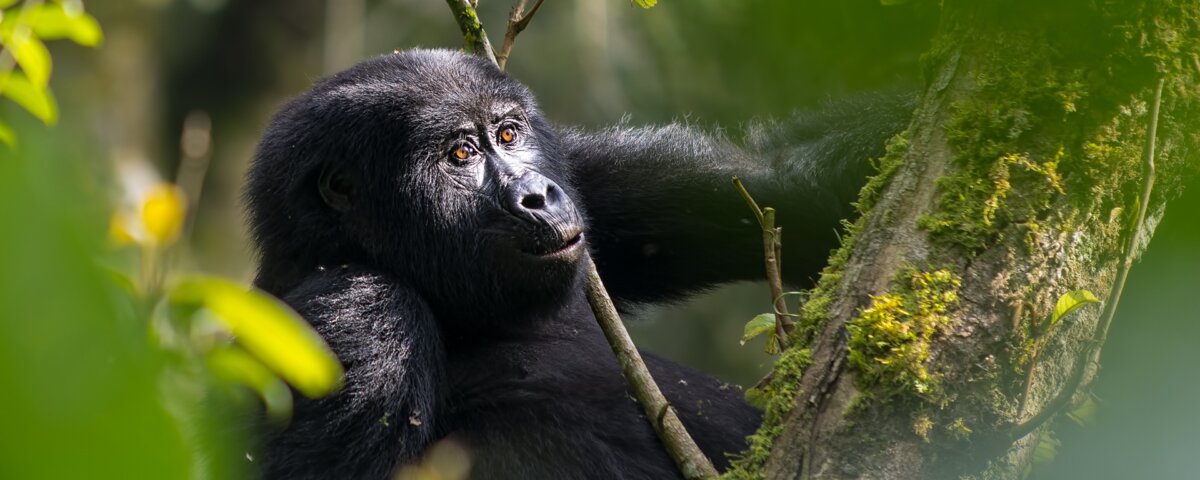
Uganda Gorilla Trekking Photography Tips
Uganda gorilla trekking photography tips offers one of the most powerful wildlife photography experiences in Africa. Deep inside the misty forests of Bwindi Impenetrable National Park and Mgahinga Gorilla National Park, photographers get the rare chance to capture mountain gorillas in their natural habitat. Every moment feels special. From a silverback watching over the family to playful juveniles swinging through the vegetation, each scene creates unforgettable memories.
However, gorilla trekking photography is not like taking pictures on a normal safari. The forest is dark, the terrain is steep, and the gorillas move naturally without posing. Because of this, you need preparation, patience, and the right skills to get beautiful images. Good photography during gorilla trekking depends on more than just owning an expensive camera. It requires understanding light, respecting wildlife rules, and knowing how to react quickly in changing conditions.
At Giant Holiday Safaris, we help travelers enjoy meaningful and responsible gorilla trekking adventures across Uganda. We also guide photography lovers who want to return home with clear, emotional, and authentic wildlife images. These Uganda gorilla trekking photography tips will help you prepare better, protect your equipment, and improve your chances of capturing stunning gorilla photos during your safari.
Choose the Right Camera Equipment
The first step to successful gorilla trekking photography starts with choosing the right camera gear. Since you will hike through thick forest, steep trails, and sometimes wet conditions, you need equipment that is reliable, lightweight, and easy to carry. Heavy gear can quickly become uncomfortable during a long trek, so smart packing matters.
A DSLR or mirrorless camera works best for gorilla photography. These cameras perform better in low light and allow quick adjustments. A zoom lens between 70mm and 200mm is often the best choice because it helps you capture close details without disturbing the gorillas. Sometimes the gorillas come very near, so extremely long lenses may become difficult to use.
Avoid carrying too many lenses because changing lenses in the forest increases the risk of dust and moisture entering your camera. Instead, choose one strong all-around lens that handles different situations well. Bring extra batteries because cold forest conditions can reduce battery life faster than expected. Also, carry enough memory cards since you may take many shots during the one-hour gorilla viewing session.
A rain cover for your camera is also very important because Uganda’s rainforest weather changes quickly. Protecting your gear helps you focus on the experience instead of worrying about equipment damage.
Understand Forest Lighting Conditions
Photography inside Uganda’s gorilla forests can be challenging because the light changes constantly. Thick tree canopies block direct sunlight, and this creates dark conditions even during the day. Because of this, understanding forest lighting helps you take sharper and brighter gorilla photos.
Natural light is your best friend during gorilla trekking. Flash photography is not allowed because it can disturb the gorillas and affect their behavior. Therefore, you must learn how to work with available light. Increasing your ISO helps your camera perform better in low light. Most photographers use ISO settings between 800 and 3200 depending on the conditions.
A wider aperture, such as f/2.8 to f/5.6, allows more light into the camera and helps create beautiful background blur. This makes the gorilla stand out clearly in the image. At the same time, use a fast enough shutter speed to reduce blur, especially when the gorillas move or when your hands shake after hiking.
Morning treks often provide softer light and cooler conditions for photography. Cloudy weather can also help because it creates even lighting without harsh shadows. Learning to adjust your settings quickly gives you a major advantage in the forest where moments happen fast and disappear quickly.
Respect Gorilla Trekking Rules While Taking Photos
Great photography should never come before gorilla conservation. Uganda protects mountain gorillas carefully because they are endangered and highly sensitive to human presence. Every visitor must follow trekking rules, and photographers must be especially careful while taking pictures.
The official viewing distance is usually about seven meters from the gorillas. Rangers may allow closer moments if gorillas move near you, but visitors should never move closer on purpose. Respecting this distance keeps both people and gorillas safe while also reducing disease transmission risks.
Flash photography is strictly prohibited. Bright flashes can startle gorillas and interrupt their natural behavior. Instead, prepare your camera settings before reaching the gorilla family so you can work smoothly without flash.
Silence is also important. Loud talking, sudden movement, or rushing for a better photo can disturb the group. Stay calm, move slowly, and listen to your guide’s instructions at all times. Good wildlife photography comes from patience, not pressure.
Avoid blocking others during the photography session. Everyone deserves a clear view, so take your shots and allow space for fellow trekkers. Responsible behavior improves the experience for the whole group and protects Uganda’s gorilla tourism for future generations.
Dress Properly for Photography Comfort
Your clothing choices can affect both your comfort and your photography success during gorilla trekking. Since the trek happens in thick rainforest vegetation, you need practical clothing that protects you while allowing easy movement with your camera gear.
Wear long-sleeved shirts and long trousers to protect yourself from scratches, insects, and stinging plants. Neutral colors such as green, brown, and gray work best because they blend into the forest and avoid attracting too much attention from wildlife. Bright colors may disturb the natural environment and distract from your photography experience.
Good waterproof hiking boots are essential because the trails can become muddy and slippery, especially during the rainy season. Strong footing helps you stay balanced while carrying your camera and trying to capture stable shots.
A lightweight waterproof jacket is also necessary because rain can start suddenly, even during the dry season. Staying dry helps protect both you and your equipment. Many photographers also prefer fingerless gloves because they protect the hands while still allowing easy camera control.
A small backpack with padded camera sections keeps your equipment safe and organized. Comfort matters because when you feel prepared and relaxed, you focus better and capture stronger images instead of struggling with discomfort during the trek.
Focus on Storytelling, Not Just Close-Up Shots
Many visitors only focus on close-up gorilla portraits, but the best wildlife photography often tells a bigger story. Uganda gorilla trekking becomes more meaningful when your photos show not only the gorillas but also the environment, emotions, and full experience of the journey.
Close-up images of faces are powerful because they reveal emotion, intelligence, and family connection. A silverback’s calm stare or a mother holding her baby creates strong emotional impact. However, wider shots also matter because they show the forest habitat and help people understand where these gorillas live.
Capture moments before and after the gorilla encounter as well. Photos of the trekking trail, misty mountains, guides leading the group, and local communities add depth to your travel story. These images help create a complete safari memory instead of only a wildlife album.
Look for behavior that tells a story. Grooming, feeding, resting, and playful young gorillas all create natural and meaningful scenes. Instead of chasing perfect poses, observe patiently and wait for moments that feel real and emotional.
The strongest gorilla photography connects people to conservation. When your images show both beauty and habitat, they inspire respect for Uganda’s wildlife and support responsible tourism.
Keep Your Camera Stable for Sharper Images
One of the biggest challenges during gorilla trekking photography is keeping your camera steady. Since the forest is dark and the ground is often uneven, shaky hands can easily create blurry images. Sharp photos require stability, especially when using slower shutter speeds in low light.
A tripod is usually not practical during gorilla trekking because the forest paths are narrow and the gorillas move often. Instead, many photographers prefer using a monopod because it offers support while remaining flexible and easy to move. A monopod helps reduce hand shake without slowing you down.
If you do not carry a monopod, use your body for support. Stand with balanced footing, keep your elbows close to your body, and hold the camera firmly. Sometimes leaning gently against a tree or stable surface can improve your shot.
Image stabilization features on modern lenses and cameras also help a lot. Turn this feature on when shooting handheld. At the same time, breathe slowly and press the shutter gently instead of quickly stabbing the button.
Taking several shots of the same moment also improves your chances of getting one perfectly sharp image. Small movements happen naturally, so multiple frames help you choose the best final result later.
Prepare for Weather and Moisture Challenges
Uganda’s gorilla trekking destinations are rainforest environments, and that means moisture is always part of the experience. Rain, mist, humidity, and mud can affect both your comfort and your photography equipment. Preparing for these conditions helps protect your gear and improves your overall safari experience.
A waterproof camera bag is one of the most important items to carry. Even if the weather looks clear in the morning, rain can arrive suddenly. A simple rain cover for your camera gives extra protection while you continue shooting without panic.
Silica gel packs inside your camera bag help reduce moisture and protect lenses from internal fogging. Lens fog can happen when moving from cool outdoor air into warmer humid spaces, so allow your camera time to adjust slowly.
Bring a microfiber cloth to clean water drops, dust, or fingerprints from your lens. Clean glass makes a big difference in image quality. However, avoid changing lenses often because this increases the risk of moisture entering the camera body.
Plastic zip bags also help protect batteries, phones, and memory cards from rain and mud. Good preparation means fewer problems in the forest and more time enjoying the photography experience. When your equipment stays safe, your focus stays on capturing incredible gorilla moments.
Work with Your Guide for Better Photography Opportunities
Your gorilla trekking guide plays a major role in your photography success. Guides and rangers understand gorilla behavior, forest movement, and the safest viewing positions. Building good communication with them helps you capture better images while respecting trekking rules.
Before the trek begins, let your guide know that photography is important to you. This helps them understand your interests and offer helpful advice during the hike. They may suggest the best walking position or remind you when light conditions are improving ahead.
Guides often notice gorilla behavior before visitors do. They can help you prepare for important moments like feeding, chest beating, movement between trees, or playful interactions among younger gorillas. These moments happen quickly, so early guidance makes a big difference.
At the same time, trust your guide’s instructions completely. Safety always comes first. If they ask you to step back or stay still, follow immediately. Their experience protects both visitors and gorillas.
A respectful relationship with your guide improves the entire trekking experience. Good teamwork creates better photography opportunities and helps you enjoy a smoother, more organized safari. In Uganda, experienced local guides are one of the greatest strengths of a successful gorilla trekking adventure.
Final Thoughts on Gorilla Trekking Photography in Uganda
Uganda gorilla trekking photography is more than taking pictures. It is about creating meaningful memories while respecting one of the world’s most extraordinary wildlife experiences. The forests of Bwindi Impenetrable National Park and Mgahinga Gorilla National Park offer rare chances to observe mountain gorillas in their true home, and every image captured carries emotional and conservation value.
Success comes from preparation, patience, and respect. The right camera gear, proper clothing, stable shooting techniques, and a strong understanding of forest light all improve your results. At the same time, following trekking rules and listening to your guide protect the gorillas and preserve the beauty of the experience.
Photography should tell a story, not only show a face. When your images reflect habitat, behavior, and connection, they become powerful reminders of why gorilla conservation matters. These moments stay with travelers for life.
At Giant Holiday Safaris, we believe every gorilla trek should inspire both adventure and responsibility. With the right approach, your Uganda gorilla trekking safari will deliver not only amazing photographs but also a deeper connection to Africa’s natural heritage.